Fort Adams, Mississippi sits 40 miles south of Natchez, tucked along back roads where cell service fades and time seems to stop. You’ll find flood-scarred streets, sagging structures wrapped in Spanish moss, and a handful of friendly locals who still call this former riverport home. Visit in fall or spring, pack waterproof boots and a camera, and respect the private property you’ll encounter. There’s far more to this hauntingly beautiful ghost town than first meets the eye.
Key Takeaways
- Fort Adams, located 40 miles south of Natchez, is best visited in fall or spring when road and weather conditions are most reliable.
- Pack waterproof boots, insect repellent, a camera, flashlight, and snacks, as services are scarce throughout Wilkinson County.
- Always check river levels and weather forecasts before visiting, as Fort Adams is highly susceptible to rapid Mississippi River flooding.
- Respect private property by asking permission before entering structures, while cemeteries and churches generally welcome respectful visitors freely.
- Avoid disturbing or removing artifacts, stay on stable ground, and carry emergency supplies including water, a first aid kit, and offline maps.
What Makes Fort Adams a True Ghost Town?
Although Fort Adams still has a handful of residents, it carries all the hallmarks of a true ghost town — decaying buildings cloaked in mold and mildew, streets reclaimed by overgrown vegetation, and a once-thriving riverport economy that the Mississippi River itself slowly strangled.
As the river gradually shifted course, it took commerce, population, and prosperity with it, leaving behind hollow structures and fading memories. You’ll wander through a landscape where ghost stories feel inevitable and local legends seem embedded in every crumbling wall.
Spanish moss drapes the trees like nature’s mourning veil, and the silence between abandoned buildings speaks louder than any history book.
Fort Adams doesn’t just look forgotten — it feels it, offering you an unfiltered, uncurated glimpse into America’s quietly surrendered past.
From Jesuit Mission to Ghost Town: Fort Adams’s History
The decay you’re walking through didn’t happen overnight — Fort Adams carries more than three centuries of layered history beneath its mold-stained walls.
A French priest established this settlement between 1689 and 1700, and it functioned as a Jesuit Mission called the Rock of Davion during its colonial years.
The British renamed it Loftus Heights in 1764 following a Native American attack, then it became Wilkinburg upon incorporation in 1798.
After a Native American attack, the British rechristened it Loftus Heights — a name abandoned again when incorporation arrived in 1798.
Its historical significance deepened further in 1801 when the Choctaw Treaty of Fort Adams was signed here.
The Mississippi River, once Fort Adams’s greatest economic asset, ultimately became its destroyer — gradually shifting course, stranding the town, and allowing floodwaters to repeatedly reclaim what settlers had built.
You’re standing inside that long, slow surrender.
How Fort Adams Compares to Rodney, Mississippi’s Other Ghost Town
Fort Adams isn’t alone in its slow surrender to the river — Rodney, Mississippi tells a nearly identical story just miles away. The historical parallels between these two communities are striking.
Rodney’s decline accelerated after an 1869 fire gutted the town, then an 1870 sandbar shifted the Mississippi two miles westward, cutting off the commerce that kept it alive. By the 1880s, railroad construction through nearby Fayette rerouted remaining trade, and by 1930, the governor officially declared Rodney dead.
The 2011 flood finished what time had started. When you visit both towns back-to-back, you’ll feel the weight of identical forces — river, fire, and railroads — dismantling two thriving ports. Together, they offer you a rare, unfiltered look at how quickly nature reclaims what ambition builds.
Flooded Streets, Rotting Buildings, and Friendly Locals
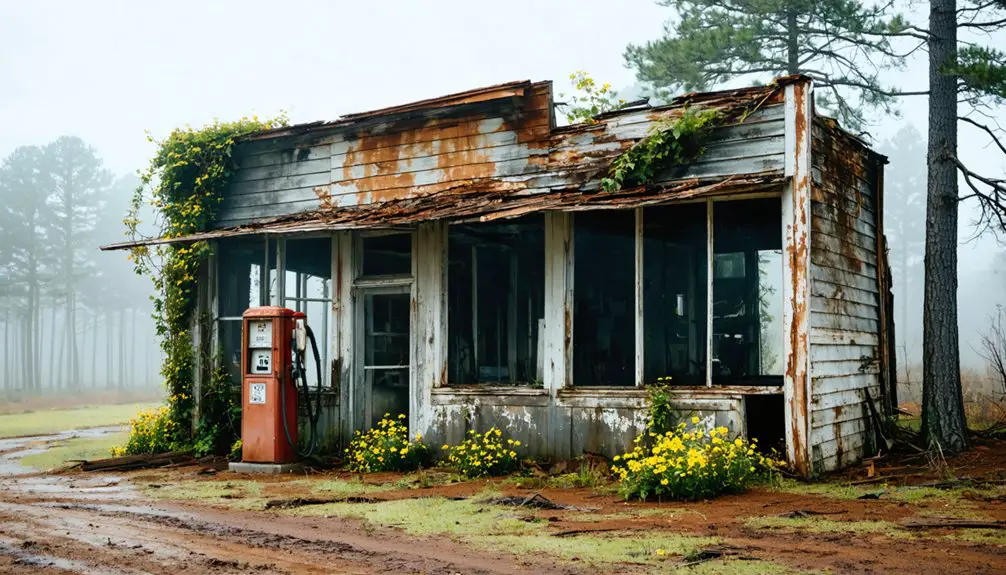
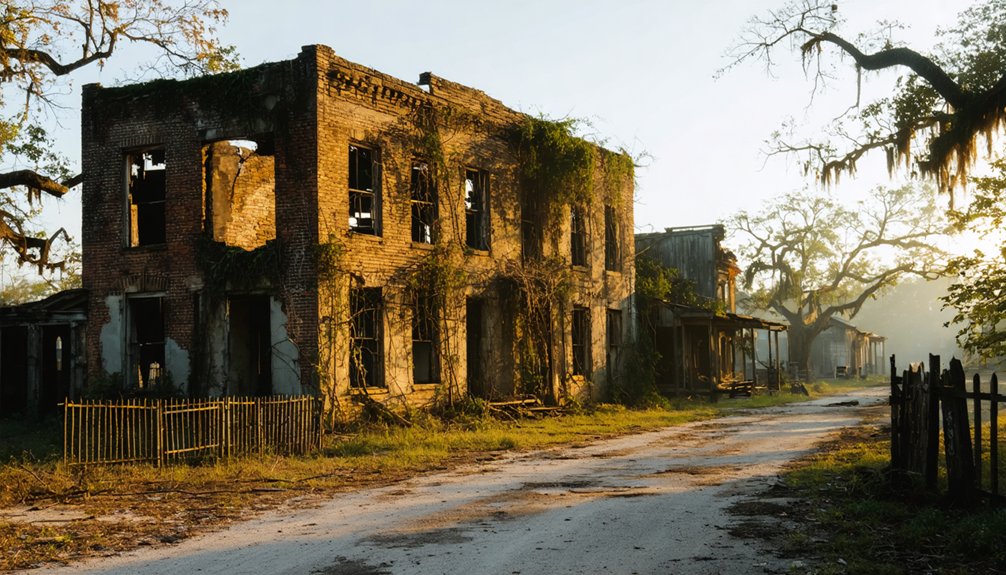
Walking into Fort Adams today, you’ll notice the telltale signs of a town in slow surrender — mold creeping up weathered facades, structural beams sagging under decades of flood damage, and the unmistakable smell of decay hanging in the humid air.
Abandoned structures line streets that regularly disappear beneath rising water, yet the town breathes with quiet life.
Streets swallowed by floodwaters, yet somewhere beneath the silence, Fort Adams still breathes.
Most permanent residents have retreated to higher ground in surrounding hills, but they haven’t abandoned their local culture.
Bring a camera, and you’ll find genuinely warm welcomes from those who remain.
Hunters, fishermen, and explorers keep Fort Adams’s heartbeat faint but steady.
You’re free to wander, document, and absorb what flood damage and time have left behind — a raw, unfiltered landscape that no museum could replicate.
Fort Adams Baptist Church, the Cemetery, and What Else Survives
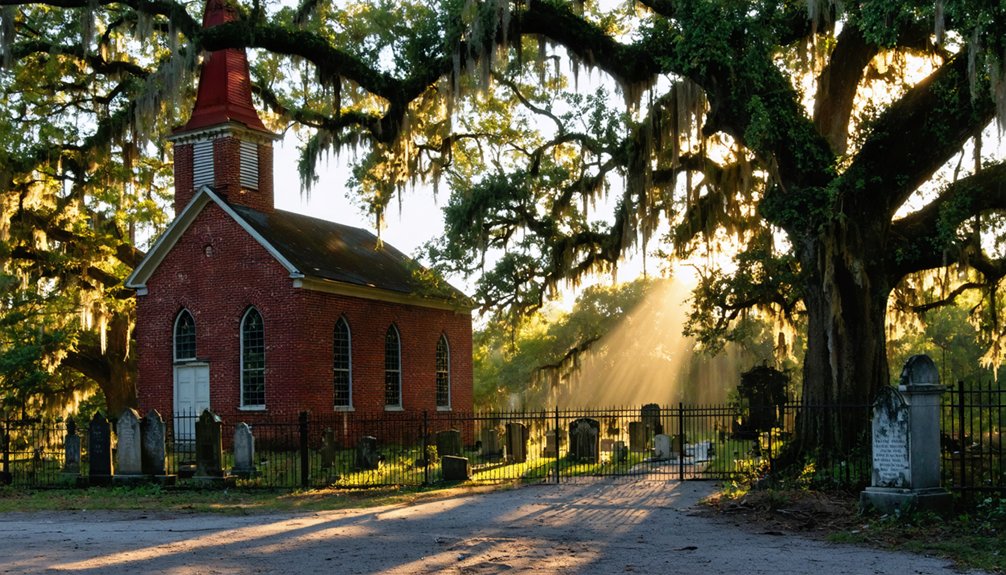
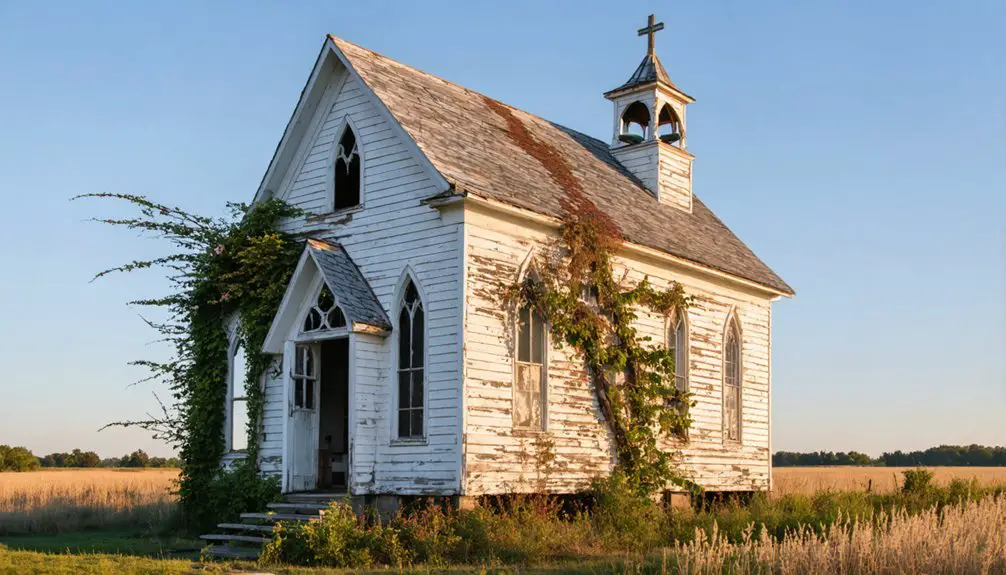
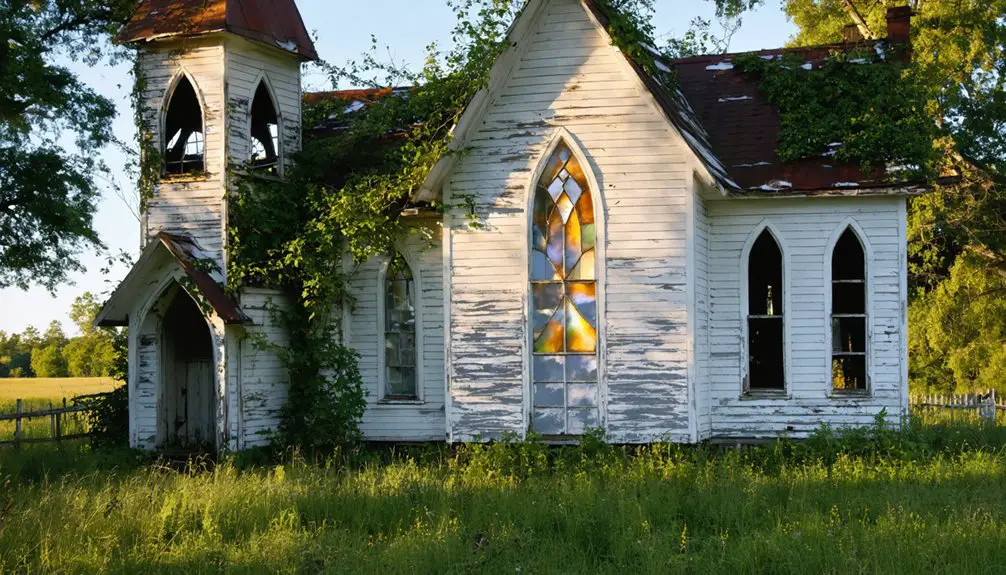
Among the flood-scarred streets and crumbling facades, a few structures have held their ground with quiet defiance. Fort Adams Baptist Church and the Presbyterian Church stand as proud architectural remnants of a community that once commanded serious historical significance along the Mississippi.
Wander toward the cemetery, and you’ll discover graves stretching back to the town’s founding days. Spanish moss drapes the surrounding trees, softening the silence while deepening the atmosphere.
These weathered stones connect you to settlers who built something meaningful here long before the river decided otherwise. You won’t find museums or interpretive centers explaining what’s left.
What survives speaks for itself. Walk slowly, read the inscriptions, and let the overgrown vegetation remind you that Fort Adams still holds stories worth seeking out.
How to Get to Fort Adams, Mississippi
Reaching Fort Adams means committing to a genuine back-road journey, roughly 40 miles south of Natchez through the rural heart of Wilkinson County, Mississippi.
You’ll navigate winding rural roads that feel deliberately forgotten, cutting through flood plains before climbing toward the hills where most residents actually live.
No major highways deliver you here. That’s precisely the point. You’re chasing historic landmarks and local legends that reward only those willing to earn the destination.
Keep your gas tank full before leaving Natchez, because services thin out considerably as you push deeper into Wilkinson County.
The Mississippi River runs nearby, though it’s drifted farther from town over the decades.
Follow county road signs carefully, trust your instincts, and embrace the solitude. Fort Adams doesn’t advertise itself — it waits.
When Is the Best Time to Visit Fort Adams?
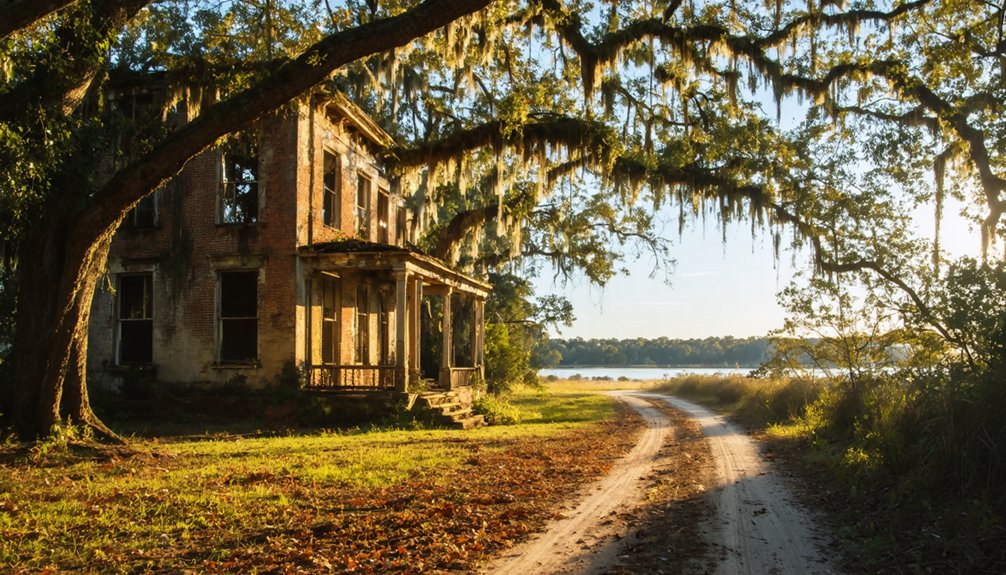
When you visit Fort Adams matters more than you might expect. The Mississippi River doesn’t care about your schedule, and flooding can render roads impassable or submerge the very structures you’ve traveled miles to photograph.
The Mississippi River doesn’t wait for convenient timing — flood season can swallow Fort Adams whole before you arrive.
Among the best seasons, fall and spring offer the most reliable conditions. Cooler temperatures make exploring overgrown lots and decaying buildings far more comfortable, and lower water levels expose more of the town’s haunted landscape.
Summer brings oppressive humidity and aggressive insects that’ll test your patience quickly. Winter visits carry unpredictable weather risks.
For visitor tips, always check local river gauges before heading out, pack sturdy boots, and bring a camera.
The residents you’ll encounter are welcoming, but the town itself rewards the well-prepared traveler.
What to Pack for a Fort Adams Visit
Preparation separates a memorable Fort Adams visit from a miserable one. You’re heading into flood-ravaged terrain where mold, mildew, and structural decay define the landscape, so pack accordingly.
Wear waterproof boots and bring insect repellent — the Mississippi heat and humidity spare nobody.
Carry a camera to document the atmospheric Spanish moss and crumbling architecture. A flashlight helps you explore darker interiors safely.
Pack water, snacks, and a first-aid kit since civilization stays sparse out here.
Bring a notebook too. Locals share ghost stories and local legends freely with curious visitors, and you’ll want to capture every detail before memory fades.
Fort Adams rewards the prepared traveler who respects both its haunted beauty and its unpredictable environment.
How to Explore Fort Adams Without Getting Into Trouble
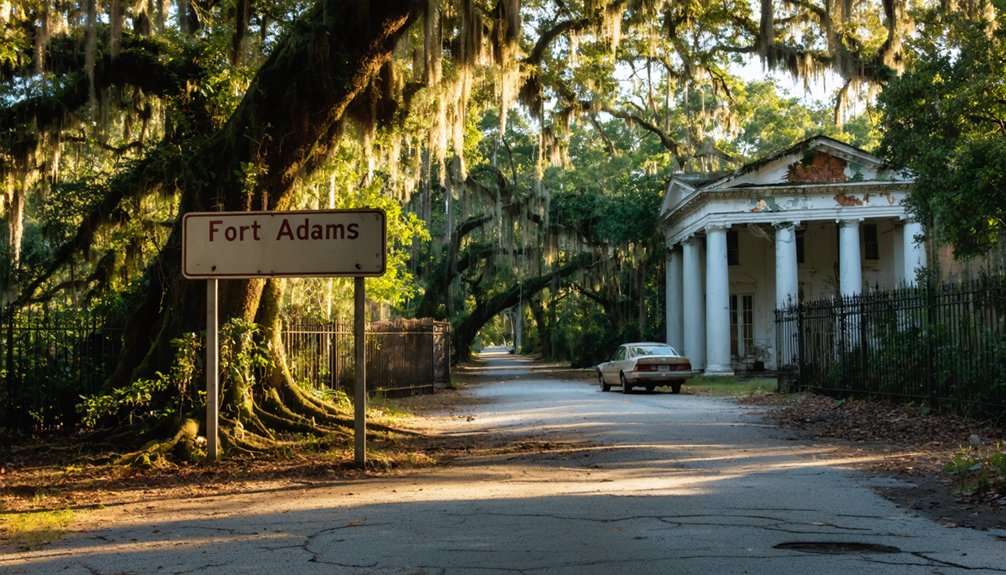
Fort Adams rewards curious explorers, but you’ll want to tread carefully once you’re there.
Many of the weathered buildings and overgrown lots you’re keen to photograph are privately owned, so always ask permission before stepping beyond a public road or pathway.
The Mississippi River’s reach is longer than it looks, so watch for flood conditions and standing water that can rise quickly and turn a memorable afternoon into a dangerous one.
Respect Private Property
Exploring a place like Fort Adams means walking a fine line between discovery and trespassing, so you’ll want to stay sharp about boundaries.
Ghost town legends pull you deeper into forgotten spaces, but respecting ownership keeps you on the right side of the law.
Follow these three principles:
- Ask first — locals are friendly toward visitors with cameras, so a simple question goes a long way.
- Stay on public ground — cemeteries and churches welcome respectful visitors without permission needed.
- Honor preservation efforts — don’t disturb structures, remove artifacts, or accelerate decay.
You came here for authentic discovery, not confrontation.
Fort Adams rewards the curious who move through it thoughtfully, leaving only footprints behind and carrying the weight of its stories forward.
Stay Safe From Flooding
Because Fort Adams sits in the embrace of the Mississippi River‘s reach, flooding isn’t just a historical footnote here — it’s an active force that shapes every visit. The same waters that built this town ultimately swallowed it, and they’ll remind you of that power without warning.
Before you wander those atmospheric, moss-draped streets, check river levels and weather forecasts religiously.
Take flooding precautions seriously: avoid low-lying areas near the flood plains after rainfall, and watch for standing water concealing unstable ground beneath deteriorating structures.
Pack emergency supplies — water, a first aid kit, and a charged phone with offline maps downloaded. Cell coverage gets thin out here on these rural backroads.
The river respects nothing, and neither does the isolation. Come prepared, and Fort Adams rewards you beautifully.
Frequently Asked Questions
Is Fort Adams Still an Officially Recognized Incorporated Town Today?
Yes, Fort Adams remains an officially recognized incorporated town, retaining its historic significance despite decay. You’ll find local legends alive among friendly residents, wandering freely through its atmospheric, moss-draped streets steeped in nostalgic, fading American history.
Are There Any Overnight Accommodations Available Near Fort Adams?
The knowledge base doesn’t mention camping options or nearby hotels, but you’ll want to plan ahead. Explore freely, roam widely, and secure lodging in Natchez — just 40 miles north — before venturing into Fort Adams’ hauntingly beautiful, forgotten landscapes.
Can Visitors Legally Enter the Abandoned Buildings in Fort Adams?
You’ll want to respect legal restrictions before entering abandoned buildings. While Fort Adams beckons with haunting charm, trespassing laws still apply—always seek permission from property owners to freely and responsibly explore this beautifully weathered, forgotten riverside world.
Does Fort Adams Have Any Cell Phone Service or Emergency Contacts Nearby?
Like pioneers before you, don’t count on cell coverage in this remote river town. Research emergency procedures and nearby contacts in Wilkinson County before venturing down those backroads — self-reliance isn’t just romantic here, it’s essential.
Are There Guided Tours Available Specifically for Fort Adams Ghost Town Visits?
No formal guided tours exist for Fort Adams, but you’ll uncover ghost town history independently, wandering moss-draped streets where haunted legends linger. Local friendly residents occasionally share stories, making your self-guided exploration feel authentically free and unforgettable.
References
- https://jamesjohnston.info/abandoned-buildings-in-fort-adams-mississippi/
- https://www.islands.com/2137879/abandoned-town-once-thriving-port-city-outside-mississippi-river-rodney/
- https://mississippifolklife.org/articles/haunted-by-a-ghost-town-the-lure-of-rodney-mississippi
- https://www.geotab.com/ghost-towns/
- https://www.youtube.com/watch?v=8J3dTjiLC2s