Planning a ghost town road trip to Sisco, Florida takes you deep into Putnam County’s wooded hammocks along the St. Johns River, where a once-thriving 1880s settlement collapsed after two devastating freezes. You’ll find overgrown foundations, scattered remnants, and traces of old agricultural plots hiding beneath thick vegetation. Visit between October and April for the best exploring conditions, pack sturdy boots and a first aid kit, and there’s far more to this forgotten community’s story than first meets the eye.
Key Takeaways
- Sisco, Florida, founded in 1884, was destroyed by the Great Freeze of 1894, leaving overgrown foundations and scattered remnants near the St. Johns River.
- Visit between October and April for cooler, drier weather, avoiding May through September due to heavy rainfall and mosquito activity.
- Bring GPS, paper maps, a first aid kit, water, sturdy boots, and layered clothing for safe exploration of remote terrain.
- Research Sisco’s history using Putnam County archives, Florida State Archives, historical newspapers, and online databases like Ancestry.com and Florida Memory.
- Engage with locals, document findings, and explore the St. Johns River corridor to enrich your understanding of the region’s history.
How Sisco Grew Fast and Collapsed Faster Along the St. Johns
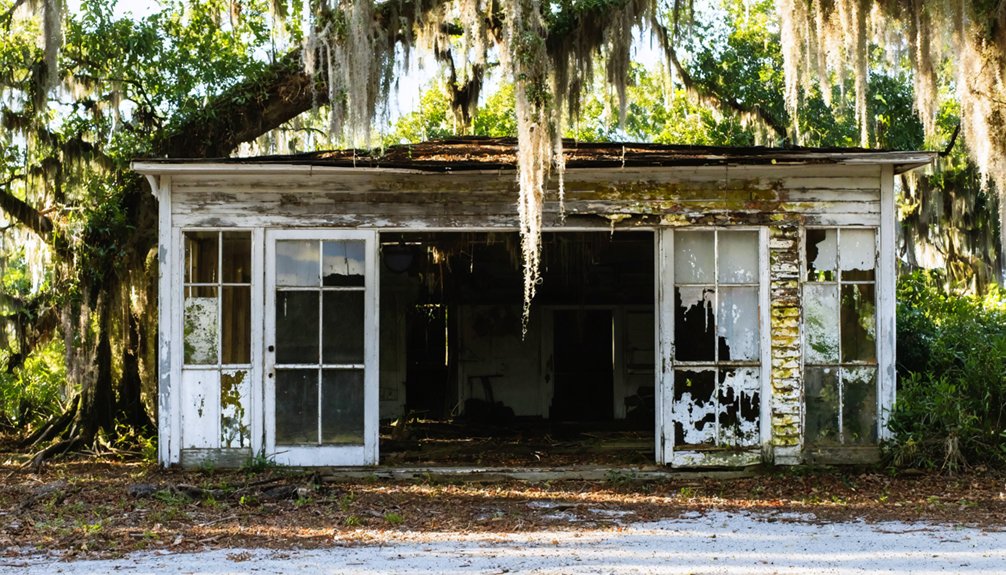
When Claire Sisco founded this small Florida settlement in 1884, few could have predicted how quickly it would flourish — or how completely it would collapse.
Within just two years, Sisco’s agriculture transformed raw land into 111 acres of orange groves and 39 acres of vegetable crops, proving remarkable economic viability for such a young community. Population hit 100 residents by 1886, demonstrating that community formation along the St. Johns River could happen with striking speed.
Then the freezes came. The Great Freeze of 1894 devastated crops, and a second brutal freeze in February 1899 finished what remained.
You’re now exploring a place whose historical significance lies precisely in that breathtaking rise and heartbreaking fall.
What Remains at Sisco: Structures, Markers, and Wooded Ruins
Knowing Sisco’s dramatic arc from thriving settlement to frozen ruin makes standing at its present-day site all the more striking.
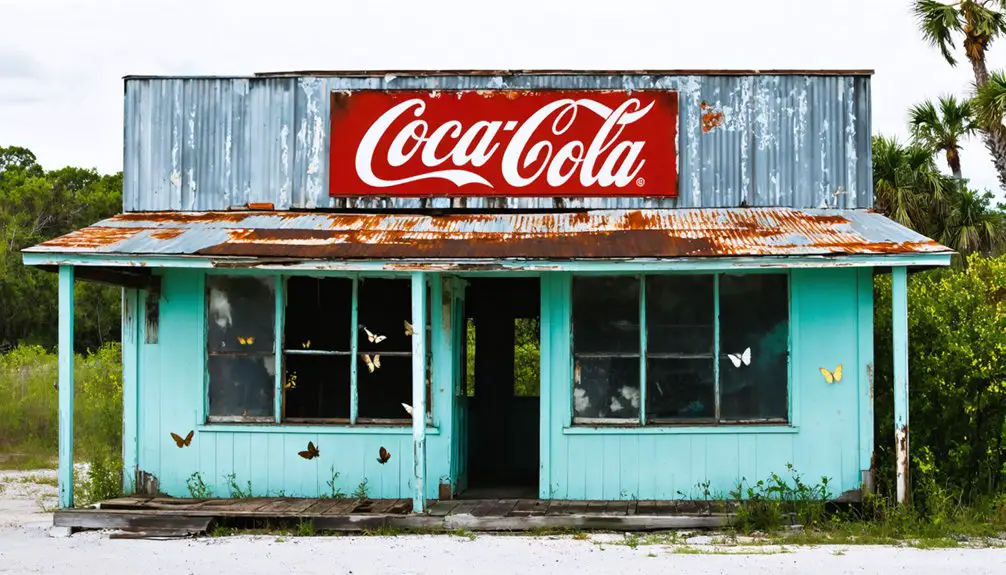
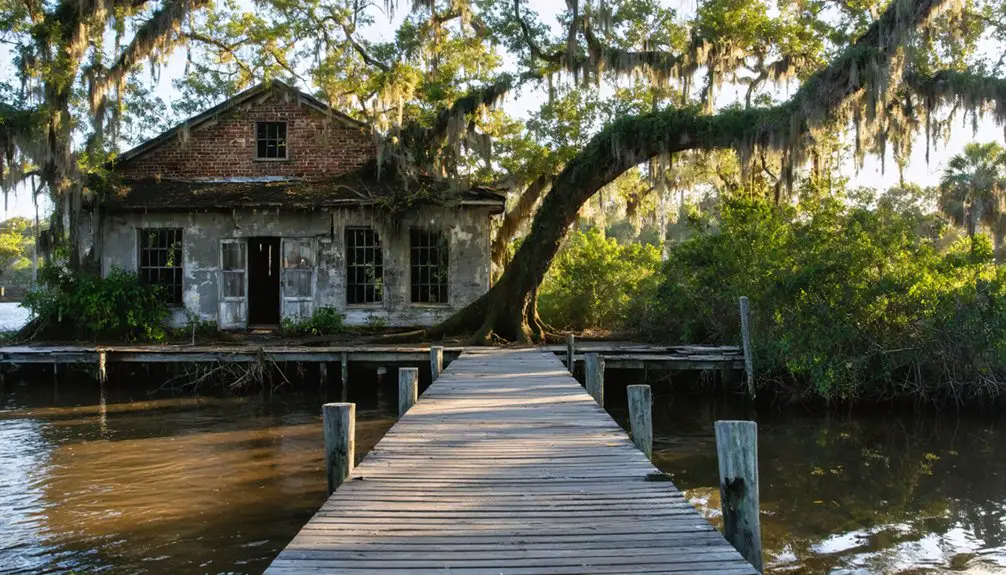
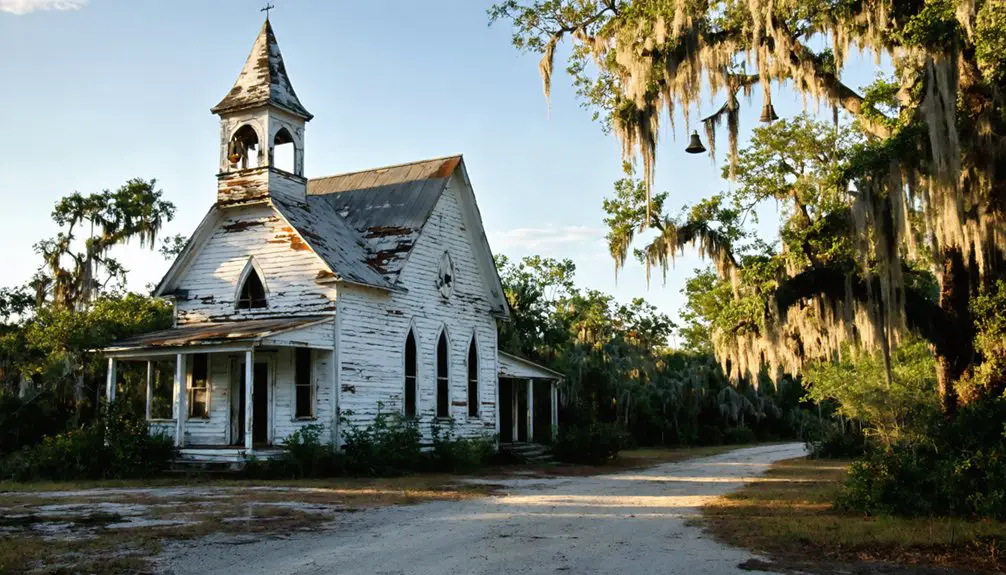
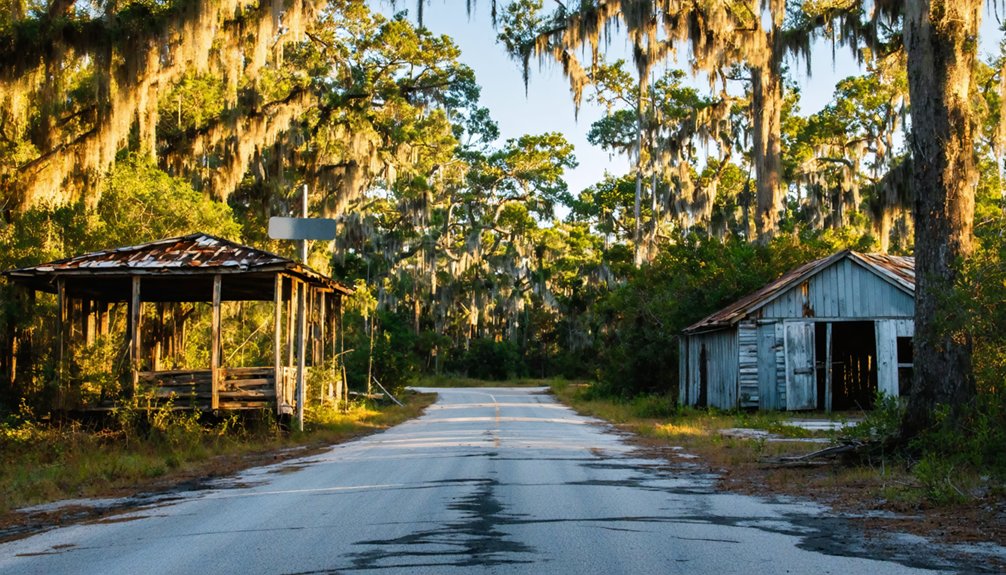
There are few structures left, and historical markers are sparse, but the land still speaks. Dense Florida hammock has reclaimed nearly everything, leaving you to read the landscape itself.
Here’s what you’ll encounter:
- Overgrown foundations partially hidden beneath tangled vegetation
- Wooded terrain tracing former agricultural plots along the St. Johns
- Scattered remnants suggesting the original settlement’s footprint
- County archival records documenting what your eyes can’t fully locate
You’ll need daylight, sturdy shoes, and patience. The silence feels earned here.
Sisco doesn’t announce itself — it rewards those willing to push through the brush and imagine what once thrived along this quiet riverbank.
Where to Research Sisco Before You Make the Drive
Before you make the drive out to these overgrown Florida hammocks, you’ll want to arm yourself with as much historical context as possible.
Putnam County’s archives and records hold documentation of Sisco’s original settlement layout, agricultural history, and population data that’ll give you a clearer picture of what you’re looking for on the ground.
You can also dig into online historical databases, where census records, old newspaper accounts, and regional histories paint a surprisingly detailed portrait of this long-vanished river town.
County Archives And Records
Digging into Putnam County’s historical archives before you make the drive out to Sisco will save you a lot of frustration once you’re standing in the middle of a dense Florida hammock wondering where the town actually was.
Archive exploration reveals Sisco’s historical significance through documented records that paint a clear picture of its original layout.
Start your research by checking these key sources:
- Putnam County property records dating back to the 1880s
- Florida State Archives for early settlement documentation
- Historical newspapers referencing Sisco’s founding and agricultural operations
- County maps showing the original railroad corridor and river positioning
These resources give you real coordinates, boundaries, and landmarks to reference during your visit, turning an otherwise aimless woodland walk into a focused, rewarding exploration.
Online Historical Databases
Beyond the physical county archives, a wealth of digital resources puts Sisco’s history at your fingertips before you ever pack the car. Platforms like Ancestry.com, Florida Memory, and the Library of Congress’s Chronicling America newspaper archive contain digitized records documenting Sisco’s founding, agricultural boom, and eventual decline.
Florida Memory, maintained by the State Library and Archives of Florida, is especially valuable for exploring the town’s historical significance through maps, photographs, and government documents.
Search these digital archives using keywords like “Putnam County settlements,” “St. Johns River communities,” and “Claire Sisco” to uncover layered details about the town’s rise and fall.
Downloading historical maps before your trip helps you orient yourself once you’re traversing Sisco’s overgrown terrain, making your exploration far more purposeful and rewarding.
How to Find Sisco in Putnam County’s Wooded Hammocks
Finding Sisco means traversing one of Putnam County’s most overgrown corners, where the St. Johns River meets dense Florida hammocks. Hidden trails lead through thick vegetation toward what was once a thriving agricultural settlement with genuine historical significance.
Pack smart before you venture out:
- Travel exclusively during daylight hours — the remote woodland location offers no lighting
- Download county archive maps showing Sisco’s original settlement layout before leaving
- Navigate toward the western shores of the St. Johns River using GPS coordinates
- Wear long clothing to protect against Florida’s dense underbrush and wildlife
Minimal structures remain visible, so managing expectations keeps frustration low.
Putnam County’s historical records document exactly what stood here before two devastating freezes erased a community of 100 residents, leaving only woods behind.
Best Time to Visit Sisco on Your Road Trip
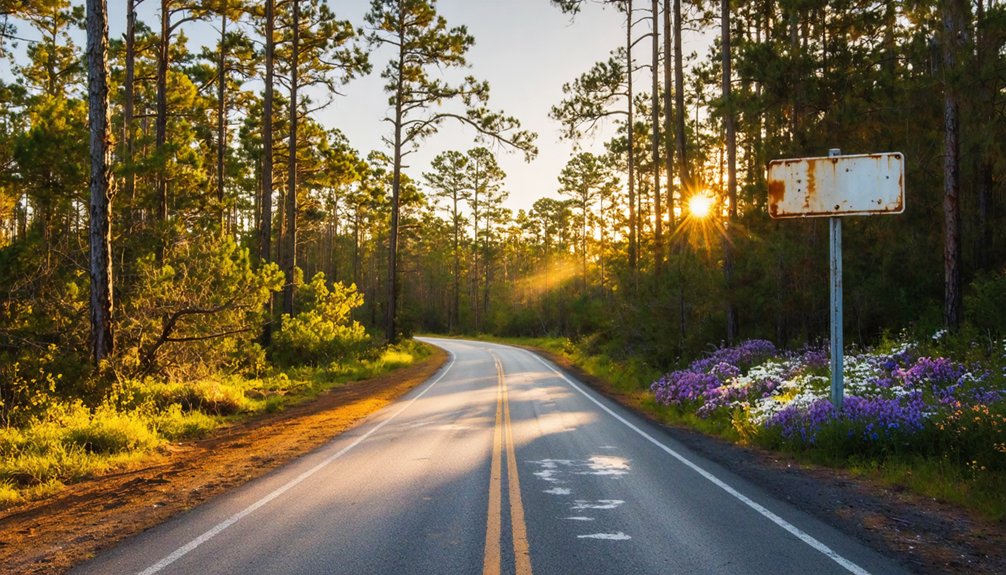
You’ll want to plan your visit to Sisco between October and April, when Florida’s cooler, drier months make traversing the dense hammocks far more bearable than the sweltering summer heat.
The remote, overgrown terrain demands you arrive early in the day, giving yourself maximum daylight to explore safely before the woods darken.
Since the site lacks developed infrastructure and cell service may be spotty, you can’t afford to underestimate how quickly the sun drops in Florida’s wilderness.
Ideal Visiting Seasons
When planning your ghost town road trip to Sisco, timing matters more than you might expect. Florida’s weather conditions and seasonal events shape your entire experience exploring this remote St. Johns River site.
Fall and winter offer the most rewarding visits:
- October–November: Mild temperatures, low humidity, reduced insect activity
- December–February: Coolest, driest months ideal for traversing dense hammock terrain
- March–April: Pleasant weather before summer heat intensifies
- Avoid May–September: Heavy rainfall, oppressive humidity, and aggressive mosquitoes make exploration miserable
You’ll want maximum daylight and dry ground underfoot when pushing through overgrown woodland paths.
Sisco’s remaining structures hide beneath thick vegetation, demanding active exploration rather than passive sightseeing.
Choose your season wisely, and you’ll reveal a genuinely rewarding off-grid adventure.
Daylight Hours Matter
Daylight is your most valuable resource at Sisco. Dense Florida hammocks swallow what little remains of this ghost town, making daylight navigation essential for anyone exploring the area. Without clear trails or maintained paths, the woods close in quickly, and disorientation becomes a real risk after sunset.
Arrive early in the morning to maximize your exploration time, and always plan your exit well before dusk. The remote woodland location offers no lighting, no services, and no cell signal in certain spots.
Standard safety precautions apply here: carry water, wear long sleeves to protect against brush and insects, and bring a physical map as backup.
Your freedom to roam this forgotten settlement depends entirely on your preparation before stepping into those trees.
What to Pack for a Safe Ghost Town Exploration
Exploring a ghost town like Sisco means trading comfort for curiosity, so packing smart makes all the difference between an adventure and an ordeal.
Trading comfort for curiosity defines every ghost town adventure, where packing smart separates unforgettable exploration from pure ordeal.
These ghost town essentials keep your exploration safety intact while you push through Florida’s dense hammocks.
Pack these four items without negotiation:
- Navigation tools — GPS and a paper map, since cell service disappears in remote woodland corridors.
- First aid kit — cuts, scrapes, and insect stings happen fast in overgrown terrain.
- Water and snacks — dehydration sneaks up on you during long outdoor searches.
- Sturdy footwear — thick-soled boots protect against roots, debris, and hidden hazards.
Layering lightweight clothing also shields you from Florida’s notorious insects and brush without slowing you down.
Putnam County Ghost Towns and River Stops Near Sisco
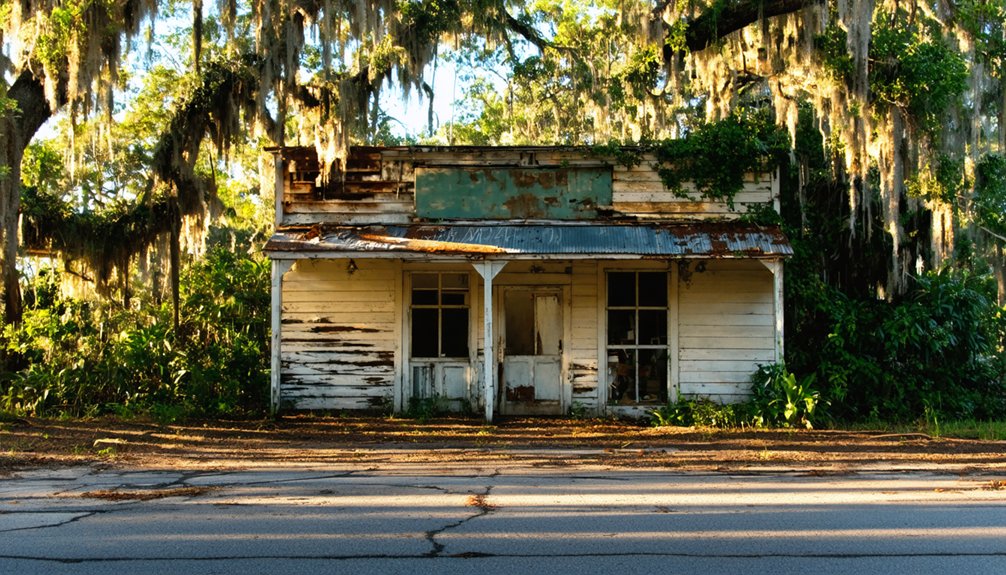
Sisco wasn’t the only settlement Putnam County built and eventually lost to time, so once you’ve finished combing the hammocks along the St. Johns River, push deeper into the county’s forgotten corners.
By 1895, at least 30 communities had carved themselves into this landscape, and many of them share Sisco’s fate. You’ll find crumbling foundations, overgrown trails, and locals who carry ghost stories and local legends passed down through generations.
The St. Johns River corridor itself rewards explorers with riverside stops where you can launch a kayak, watch for wildlife, or simply absorb the eerie quiet that settles over places history abandoned.
Each stop adds another layer to understanding why this remote stretch of Florida once thrived and why it ultimately disappeared.
Frequently Asked Questions
Who Founded Sisco, Florida, and What Were They Known for Personally?
Imagine trading your hometown roots for global adventures! Claire Sisco founded Sisco in 1884, and her founder legacy in Sisco history is remarkable — she’s known for traveling the world, editing newspapers, and volunteering after disasters.
Did Sisco’s Founder Ever Return After Leaving in the 1890S?
There’s no record of Claire Sisco ever returning. She embraced her founder’s legacy through global adventures, but the town disappearance guaranteed she’d never reclaim what she’d built along Florida’s wild, untamed St. Johns River shores.
What Remarkable Career Did Claire Sisco Pursue After Departing Sisco?
You’ll love Claire Sisco’s remarkable career transformation! She became editor of Shanghai’s newspaper, wrote for Paris and New York publications, and aided Messina earthquake victims — her ghost town stories inspire local legends of boundless freedom and adventure.
How Many Residents Did Sisco Have at Its Population Peak?
Like a flame burning bright before it fades, Sisco’s population peaked at 100 residents in 1886. You’ll find its population decline and historical significance a compelling reminder of how quickly thriving communities can vanish.
Was Sisco Connected to Railroad Lines During Its Early Settlement Years?
Yes, Sisco’s early transportation network included railroad lines that boosted railroad impact across the region, connecting you to numerous settlements. These rails fueled growth, linking this budding community to Florida’s expanding frontier during its vibrant early settlement years.
References
- https://www.palatkadailynews.com/local-around-putnam/exploring-putnam-countys-past-look-local-ghost-towns
- https://floridanature.wordpress.com/2008/10/19/hunting-for-a-ghost-town-in-the-forest/
- https://www.tripadvisor.com/Attraction_Review-g56952-d7037904-Reviews-or30-Cisco_Ghosttown-Cisco_Utah.html
- https://welovetoexplore.com/tag/abandoned-places/
- http://www.shrimpnfishflorida.com/forums/threads/lake-county-fl-ghost-towns.5641/