Planning a ghost town road trip to Ludlow, Colorado means stepping onto ground where history left deep scars. You’ll find the site 12 miles north of Trinidad off I-25, where crumbling brick walls and silent chimneys still mark where miners’ families once lived. The UMWA Memorial, a National Historic Landmark since 2009, honors the 20 lives lost in 1914. There’s far more to this haunting landscape than first meets the eye.
Key Takeaways
- Ludlow is located 12 miles north of Trinidad, Colorado, accessible via I-25 and a historic dirt road requiring high-clearance vehicles in spring.
- The site features ruins of brick walls, chimneys, and wooden beams from structures destroyed during the 1914 Ludlow Massacre labor conflict.
- The UMWA Memorial, designated a National Historic Landmark in 2009, honors approximately 20 victims of the deadliest labor strike in U.S. history.
- Late summer through early fall offers the most reliable road access; pack weather gear, water, navigation tools, and traction aids.
- Nearby attractions include Trinidad’s Historic Downtown District, Walsenburg Coal Mining Museum, and Spanish Peaks Wilderness Area for a complete regional experience.
What Happened at Ludlow and Why It Still Matters?
On a quiet April morning in 1914, the Colorado National Guard and company guards opened fire on a tent colony of striking miners and their families, killing at least 20 people — among them 11 children and several women who’d suffocated in a smoke-filled cellar beneath a burning tent.
These workers had walked off the job demanding basic labor rights — fair wages, safer conditions, and freedom from company control. Their sacrifice ignited ten days of armed retaliation across Colorado’s coalfields, forcing the nation to confront corporate power at its most brutal.
The historical impact of Ludlow reached Washington, reshaping conversations about worker protections and government accountability.
When you visit this site today, you’re standing where ordinary people paid the ultimate price for freedoms you now take for granted.
How to Get to Ludlow, Colorado
Reaching Ludlow takes you just 12 miles north of Trinidad on I-25, where an exit deposits you onto a muddy dirt road that was once this coal town’s beating main street.
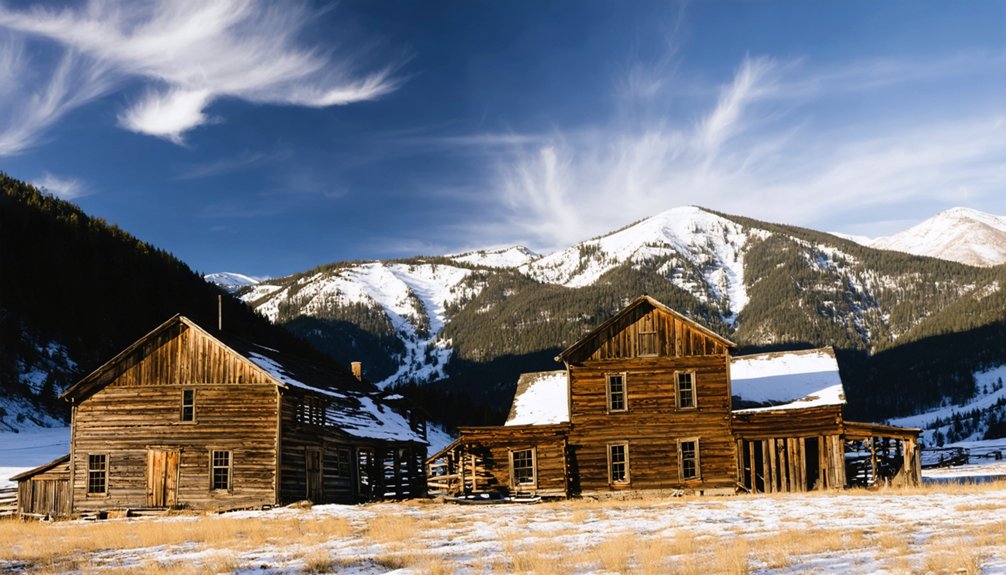
Your travel routes through southern Colorado carry you into Las Animas County, where the Sangre de Cristo Mountains frame the horizon and the Spanish Peaks stand watch over what remains.
Southern Colorado’s Las Animas County unfolds beneath the Sangre de Cristo Mountains, the Spanish Peaks standing silent sentinel over forgotten history.
Traversing terrain here demands respect — spring thaws turn that former main street into a slick ribbon of mud, while winter snow can swallow the road entirely.
Plan your visit accordingly, dress for the weather, and bring a vehicle that handles unpaved surfaces confidently.
The site stays open year-round, rewarding those willing to venture off the interstate into this quiet, haunting stretch of Colorado history.
The Ruins and Remains Still Standing at Ludlow
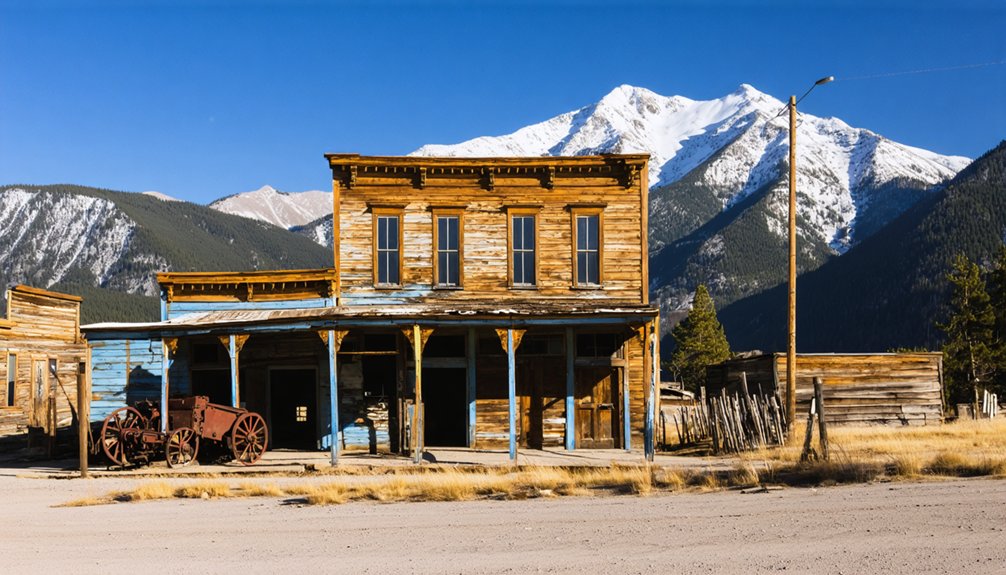
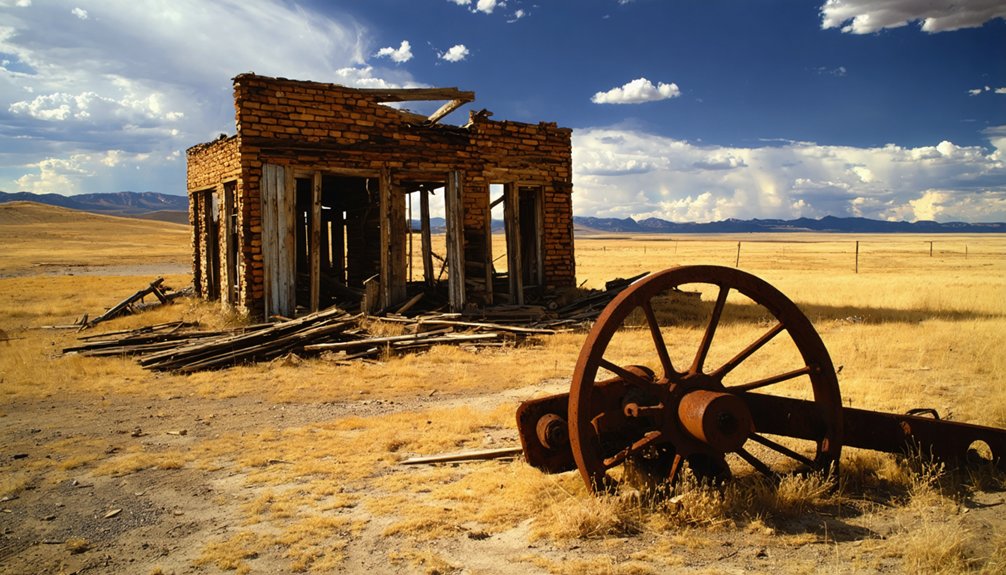
Walking Ludlow’s former main street today, you’ll find a landscape caught between erasure and endurance — brick walls rising from collapsed foundations, chimneys standing sentinel over heaps of stone and rotting timber. The Ludlow architecture that survived tells a quiet, defiant story.
Scattered across the site, historical artifacts emerge from the earth — decaying wooden beams, crumbling homestead walls, structural remnants of a community that once housed approximately 1,200 miners and their families.
These aren’t manicured museum displays. They’re raw, weathered evidence of lives violently interrupted.
You’re free to walk among these remains, tracing outlines of vanished structures with your own footsteps. Each collapsed wall represents someone’s home, someone’s livelihood — a tangible connection to one of America’s most consequential labor struggles.
What You’ll Find at the Ludlow Monument and Memorial?
As you approach the Ludlow Monument, you’ll encounter the United Mine Workers of America Memorial, a solemn structure purchased by the UMWA in 1916 and later designated a U.S. National Historic Landmark on January 16, 2009.
The memorial stands as a permanent tribute to the approximately 20 victims who perished during the April 20, 1914 attack, including women and children whose lives ended in the burning tent colony.
You can’t help but feel the weight of that history pressing down on you as you read the names carved into stone, each one a quiet reminder of the deadliest labor strike in American history.
The UMWA Memorial Structure
The Ludlow Monument rises from the Colorado plains like a sentinel keeping watch over an old wound that never quite healed. You’ll feel its weight before you fully understand it — a stone structure purchased by the United Mine Workers of America in 1916, two years after blood soaked this ground.
Its memorial significance goes beyond granite and inscription. You’re standing where labor history turned irreversible, where ordinary men, women, and children paid the ultimate price for daring to demand dignity.
The UMWA erected this monument so that nobody could erase what happened here.
Run your fingers along the stone if you need to. Some truths require physical contact. This structure doesn’t just commemorate the dead — it reminds every visitor what freedom actually costs.
Historic Landmark Designation
On January 16, 2009, the federal government made it official — Ludlow became a U.S. National Historic Landmark. That designation wasn’t ceremonial. It was a hard-won acknowledgment that this ground matters, that labor history carved into Colorado’s soil deserves permanent protection.
When you stand at the monument today, you’re standing inside a federally recognized site of conscience. Historic preservation efforts here guarantee that the story of 1,200 miners and their families — people who fought for basic freedoms — won’t fade into forgotten memory.
The landmark status gives Ludlow something the Colorado Fuel and Iron Company never wanted it to have: permanence. You’ll feel that weight when you read the names etched into stone.
Freedom was costly here, and this designation makes sure nobody forgets the price.
Victims Honored Here
The memorial’s weight hits differently when you read those names. This isn’t abstract labor history carved in stone; it’s personal.
Eleven or twelve children died in a single cellar. You feel that standing here.
The UMWA transformed this massacre site into a permanent declaration — that ordinary working people deserve to be remembered, honored, and never forgotten.
That memorial significance endures.
Best Time of Year to Visit Ludlow
Although Ludlow welcomes visitors year-round, each season shapes your experience of this haunted stretch of southern Colorado in dramatically different ways.
Seasonal weather defines what you’ll encounter on those dirt roads leading into town. Spring thaw transforms the former main street into a muddy, tire-swallowing mess, so high-clearance vehicles become essential visitor tips worth heeding.
Dirt roads turn treacherous in spring — bring a high-clearance vehicle or risk getting swallowed by the mud.
Summer delivers clear skies and sharp views of the Spanish Peaks, making ruins feel almost alive under golden afternoon light.
Autumn strips the landscape bare, lending the ghost town a raw, melancholy beauty that matches its history perfectly.
Winter snow blankets everything in silence, though drifts can block access entirely.
If you’re chasing freedom on open roads, late summer through early fall remains your most reliable window.
What to Bring for a Remote, Weather-Dependent Visit to Ludlow?

Packing smart separates a memorable road trip from a miserable one, especially when you’re heading somewhere as isolated and unpredictable as Ludlow.
Spring mud and winter snow can shift road conditions without warning, so prepare accordingly.
Essentials you shouldn’t leave behind:
- Weather gear — layered clothing, waterproof boots, and a rain jacket handle Colorado’s volatile skies
- Traction aids — sand, kitty litter, or recovery boards combat that notorious muddy dirt road
- Navigation tools — downloaded offline maps and a physical backup keep you oriented when cell service disappears
- Water and provisions — no services exist nearby, so carry more than you think you’ll need
Ludlow rewards the self-sufficient traveler who arrives prepared to roam freely through its haunting, history-soaked landscape.
Other Southern Colorado Stops to Combine With Your Ludlow Visit
Since you’re already making the trek to southern Colorado, you’d be doing yourself a disservice to skip Trinidad’s Historic Downtown District, where Victorian-era storefronts and red-brick streets carry their own quiet echoes of the coal boom era.
Just north on I-25, Walsenburg’s Coal Mining Museum puts the Ludlow story into broader regional context, filling in the gritty industrial backdrop behind the strike.
And if the Spanish Peaks — those twin volcanic sentinels you glimpsed from the Ludlow site — stirred something in you, the wilderness area surrounding them offers trails that’ll pull you deeper into the same rugged landscape the miners once called home.
Trinidad Historic Downtown District
Just 12 miles south of Ludlow, Trinidad’s historic downtown district pulls you back into the late 19th century with its well-preserved Victorian architecture, red-brick storefronts, and tree-lined streets that once hummed with the energy of a thriving coal economy.
Historic preservation efforts here have kept Trinidad architecture remarkably intact, giving you a living museum to wander freely.
Don’t miss these four highlights:
- Corazon de Trinidad National Historic District – walkable blocks frozen in time
- Baca House – an 1870s adobe home revealing frontier-era daily life
- A.R. Mitchell Museum – Western art celebrating regional identity
- Trinidad History Museum – connecting coal country’s labor struggles directly to Ludlow’s story
Together, these stops transform your ghost town road trip into a richer, more complete historical journey.
Walsenburg Coal Mining Museum
Heading north from Trinidad on I-25, another 40 miles brings you to Walsenburg, where the Coal Mining Museum keeps the region’s industrial memory stubbornly alive.
Walsenburg history runs deep through these exhibits, where mining artifacts — worn carbide lamps, rusted picks, and faded photographs of dust-blackened faces — tell stories that corporate ledgers never recorded.
You’ll walk through reconstructed mine shafts and study equipment that once governed men’s lives underground, where a single company’s whistle dictated everything from wake-up to curfew.
The museum connects directly to Ludlow’s narrative, reminding you that the massacre didn’t happen in isolation — it erupted from decades of systematic control over workers who simply wanted the freedom to breathe clean air and earn honest wages.
Spanish Peaks Wilderness Area
Two ancient volcanic peaks rise above the surrounding plains like stone sentinels, visible from the Ludlow site itself. They’ve been guiding travelers through southern Colorado long before Colorado was Colorado. The Spanish Peaks reward wilderness exploration with unforgettable experiences:
- Hike trails cutting through pristine alpine terrain untouched by modern development.
- Photograph dramatic volcanic dike formations radiating outward like ancient stone walls.
- Camp beneath skies unmarred by light pollution, stars blazing overhead.
- Discover hidden meadows where elk roam freely through September aspen gold.
These peaks carried Ute and Comanche nations across generations of migration. That same raw, unharnessed landscape still calls to anyone craving genuine freedom beyond paved roads.
Pair your Ludlow visit with an afternoon here — you won’t regret it.
Frequently Asked Questions
Is There an Admission Fee to Visit the Ludlow Ghost Town Site?
You’ll find no admission fee when you visit Ludlow’s haunting grounds. You’re free to wander through ghost town preservation efforts and absorb Ludlow history, connecting deeply with the sacrifices that echo across this sacred, open landscape.
Are Pets Allowed at the Ludlow Memorial and Ghost Town Ruins?
Like open prairie winds, freedom calls here — the knowledge base doesn’t specify pet policies or ghost town etiquette rules, so you’ll want to contact the UMWA directly before bringing your furry companion along.
Can Visitors Legally Take Artifacts or Souvenirs From the Ludlow Site?
You can’t take artifacts from Ludlow. Federal law protects this National Historic Landmark’s artifact preservation. Honor the historical significance by leaving every weathered brick, rusted nail, and forgotten fragment exactly where it rests — free for future explorers.
Is There Cell Phone Service or Wifi Available Near Ludlow, Colorado?
Don’t expect reliable cell service or internet access at Ludlow’s remote, wind-swept site. You’ll find yourself beautifully disconnected, immersed in haunting silence where history breathes freely, miles from modern distractions.
Are Guided Tours or Ranger-Led Programs Offered at Ludlow Memorial?
Walking where coal dust once hung heavy in the air, you won’t find guided ghost tours or ranger-led programs here. Explore Ludlow’s raw historical significance on your own terms — true freedom awaits your self-guided discovery.
References
- https://www.uncovercolorado.com/ghost-towns/ludlow/
- https://www.iheart.com/content/2023-10-11-historic-ghost-town-named-colorados-spookiest-abandoned-place/
- https://en.wikipedia.org/wiki/Ludlow
- https://www.placesthatwere.com/2016/01/the-bloody-history-of-ludlow-colorado.html
- https://www.onlyinyourstate.com/trip-ideas/colorado/ludlow-co
- https://origins.osu.edu/milestones/april-2014-which-side-are-you-ludlow-massacre-and-class-struggle-1914
- https://www.facebook.com/HistoryColorado/posts/ludlow-is-a-war-story-one-hundred-years-ago-our-ancestors-stood-up-to-one-of-the/1168059728699879/
- https://www.youtube.com/shorts/KwNuxqCYLvw
- https://worldjournalnewspaper.com/hastings-remembered-ludlows-neighboring-disaster/
- https://www.facebook.com/groups/americansouthwest/posts/797565020872974/