Cestos, Oklahoma is a ghost town in Dewey County where nearly 500 people once built a thriving agricultural community, and today you’ll find almost nothing left standing. You can drive through rolling western Oklahoma plains to reach the site, explore nearby abandoned towns, and piece together a full backroads road trip through the region’s quiet, forgotten history. Pack offline maps, extra supplies, and a camera — there’s far more to discover than you’d expect.
Key Takeaways
- Cestos, located in Dewey County, Oklahoma, was once a thriving town of 500 residents, now reduced to just two remaining homes.
- Pack essential supplies including offline maps, camera gear, and extra provisions, as Cestos sits in a remote, sparsely populated rural area.
- Combine your visit with nearby ghost towns, as the region offers multiple historically connected abandoned sites worth exploring together.
- Embrace spontaneous detours along Western Oklahoma’s open roads, where unexpected hidden gems and scenic viewpoints frequently reward flexible travelers.
- Engage with local residents, roadside attractions, and regional cuisine to deepen your cultural understanding of this historically rich area.
What’s Left of Cestos Today?
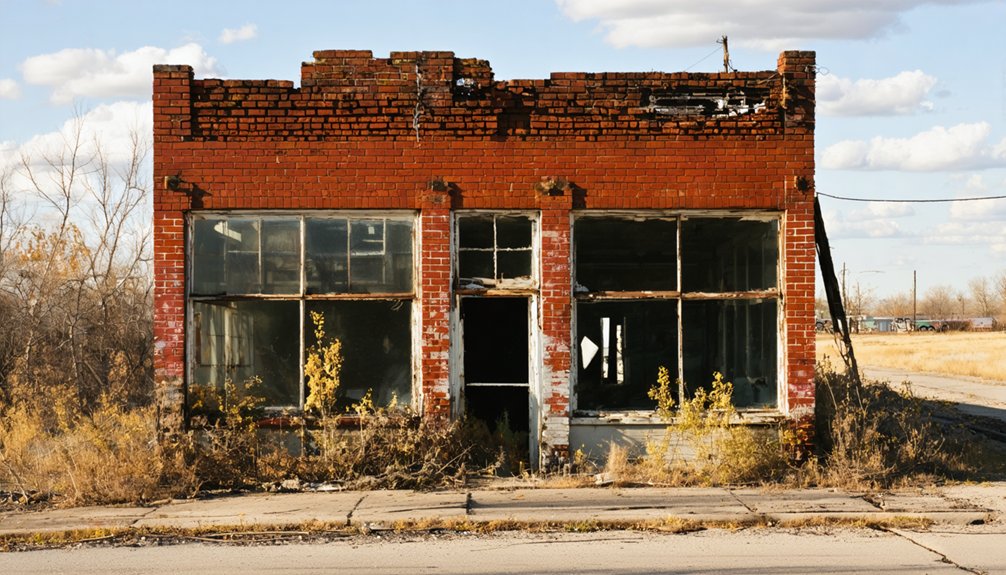
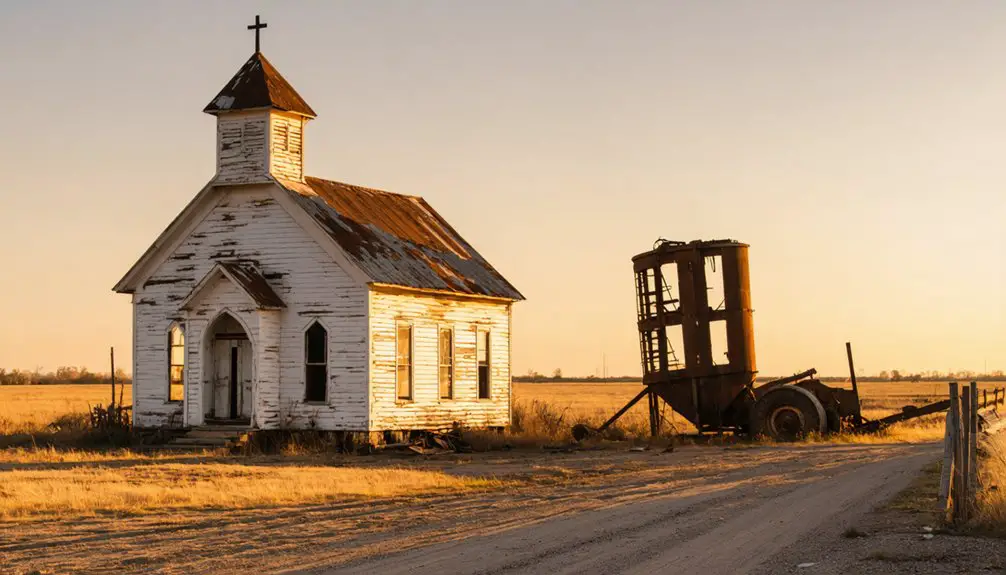
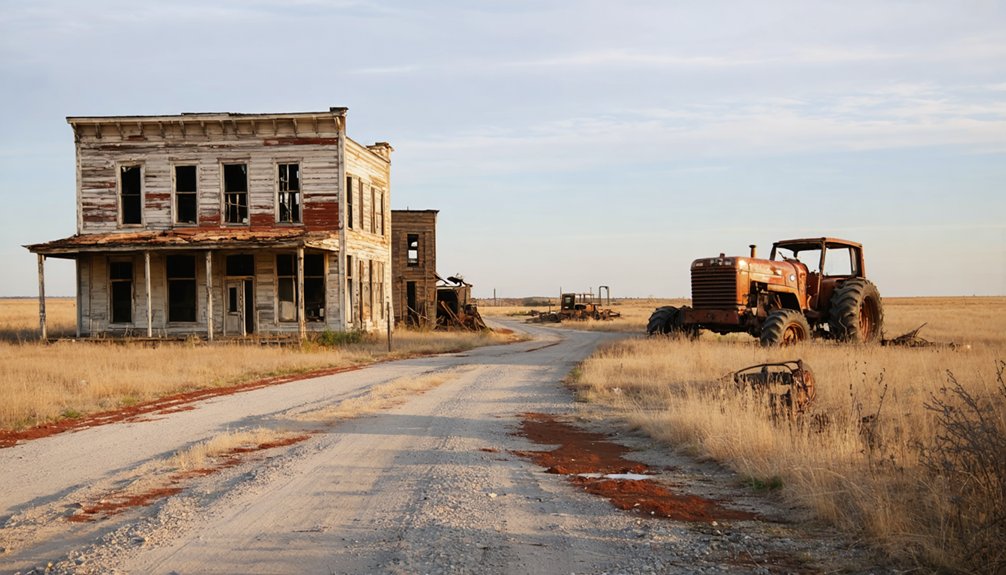
When you pull up to Cestos today, don’t expect much — just two homes standing where a town of 500 once bustled.
These Cestos remnants are quiet, weathered, and honest about what time does to forgotten places.
At its peak between 1905 and 1910, Cestos functioned as a working agricultural service center near the old Cheyenne-Arapaho reservation boundary.
Settlers arrived after the 1892 land opening, built something real, and then slowly drifted away.
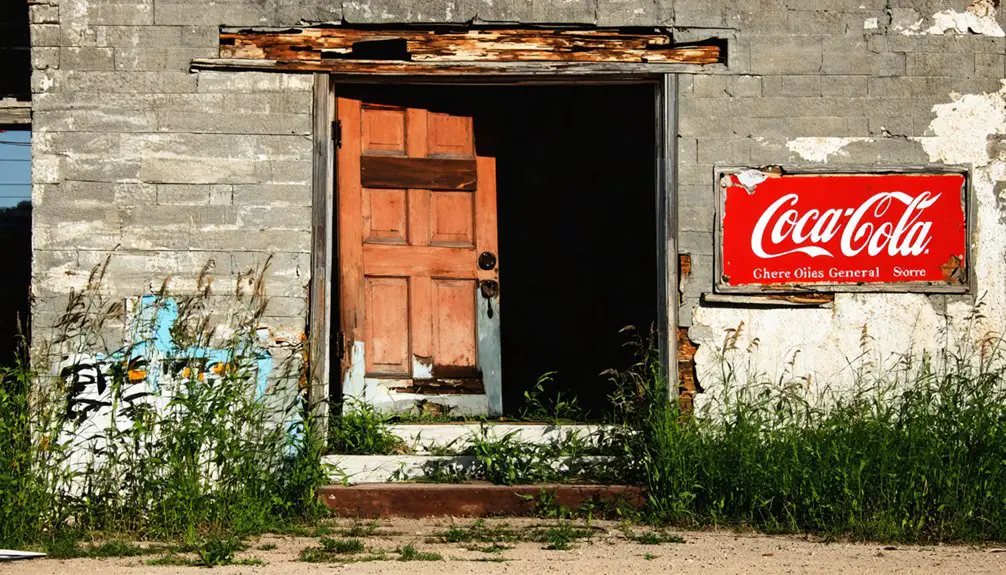
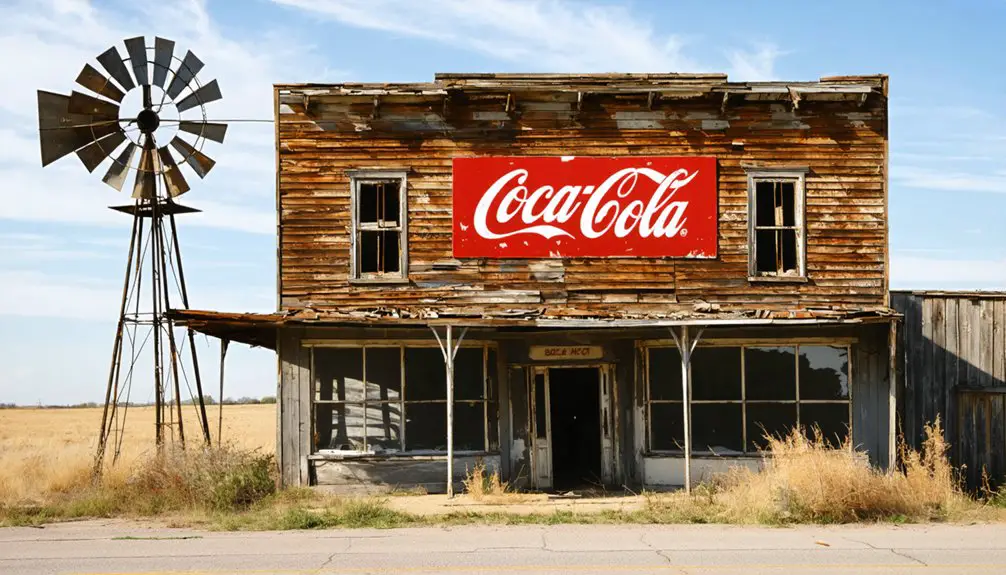
Ghost town exploration here isn’t about grand ruins or dramatic decay — it’s about reading absence.
The open land tells the story just as clearly as any standing wall.
You’re looking at the entire footprint of a community that simply ran out of reasons to stay.
How Did Cestos Go From 500 People to a Ghost Town?
At its peak between 1905 and 1910, Cestos supported nearly 500 residents who depended on the town as an agricultural service center following the 1892 opening of the Cheyenne-Arapaho reservation lands.
Like many western Oklahoma settlements, it couldn’t outlast the economic shifts that followed early frontier growth, and the population steadily drained away.
What you see today — just two remaining homes — tells the quiet story of a community that agriculture built and time erased.
Peak And Decline
Between 1905 and 1910, Cestos hit its stride — a bustling agricultural service center of around 500 people carving out a life on the former Cheyenne-Arapaho reservation lands.
The town’s population dynamics reflected a familiar western Oklahoma pattern: rapid growth following the 1892 land opening, then steady erosion as economic realities shifted. Better-connected towns pulled commerce away, and families followed opportunity elsewhere.
The historical significance of Cestos lies in that arc — a community that genuinely thrived, then quietly surrendered to time. Today, only two homes remain standing.
If you’re planning a ghost town road trip through Dewey County, that contrast between a once-lively settlement and its near-total disappearance is exactly what makes Cestos worth tracking down on your map.
Abandoned Agricultural Roots
Understanding why Cestos collapsed starts with what built it in the first place. Like dozens of other rural settlements across western Oklahoma, Cestos existed to serve farmers. When the Cheyenne-Arapaho reservation opened in 1892, settlers rushed in and needed places to trade, supply, and gather. Cestos answered that call.
But abandoned agriculture tells the real story of its fall. As farming methods shifted and transportation improved, small service towns lost their purpose. Residents no longer needed a local hub when larger towns became easily reachable.
One by one, families left. Businesses closed. The population that once reached 500 simply scattered.
What you’ll find today reflects that slow unraveling. Cestos didn’t burn down or flood out — it just quietly stopped mattering to the people who once depended on it.
Where Is Cestos in Dewey County’s Rural Backroads?
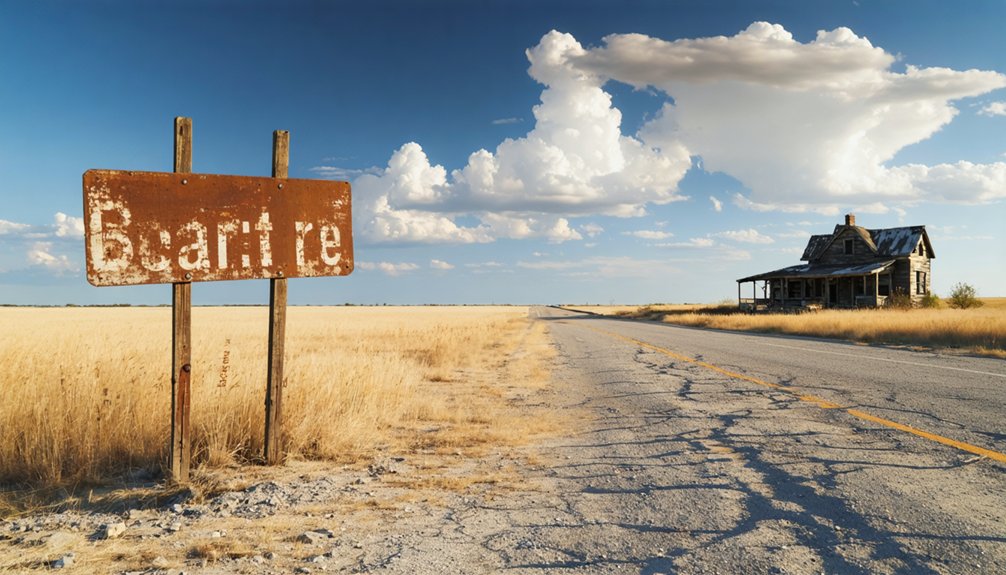
Cestos sits in Dewey County, a stretch of western Oklahoma defined by rolling plains, sparse settlements, and long stretches of unpaved backroads connecting communities that time largely left behind.
You’ll want a reliable map or GPS before heading out, since rural routes in this part of the state can shift between paved county roads and gravel tracks with little warning.
Charting a course to Cestos means embracing the region’s remote character, where the drive itself becomes part of the ghost-town experience.
Dewey County Geographic Context
Tucked into the rural backroads of Dewey County in western Oklahoma, Cestos sits near what was once the northern boundary of the Cheyenne-Arapaho reservation. When the territory opened for settlement in 1892, this corner of western Oklahoma transformed quickly, and Dewey County’s history reflects that rapid frontier evolution.
Small agricultural communities like Cestos sprang up across the landscape, serving settlers who pushed into newly available land. Today, reaching Cestos means traversing quiet county roads that cut through open plains and scattered farmland.
You’ll find no highway signs pointing the way, which makes ghost town exploration here feel genuinely off the beaten path. That remoteness is part of the appeal — you’re traveling through land that history largely passed over and left behind.
Navigating Rural Backroads
Finding Cestos on a map takes patience, but making your way to it rewards that effort with a genuine sense of discovery.
Dewey County’s rural backroads don’t announce themselves loudly, so preparation matters before you roll out.
- Download offline maps — cell service disappears fast across western Oklahoma’s open terrain.
- Watch for historical markers — they signal you’re tracking the right corridor and often reveal forgotten context about nearby settlements.
- Choose scenic routes deliberately — backroads running through Dewey County offer wide skies and uninterrupted grassland that make the drive worthwhile beyond the destination itself.
You’re traversing land that opened for settlement in 1892, and the roads still carry that frontier character.
Slow down, stay observant, and let the landscape tell its story.
Which Nearby Ghost Towns Pair Well With a Cestos Stop?
Since Cestos sits in Dewey County near the old Cheyenne-Arapaho reservation boundary, you’re already deep in western Oklahoma’s ghost-town belt, making it easy to string together a multi-stop backroad itinerary.
Western Oklahoma’s rural grid hides dozens of nearby settlements that share Cestos’s historical connections to the 1892 land opening and early agricultural boom.
Look for communities across Dewey and neighboring counties that followed the same pattern — rapid post-settlement growth, a short peak, then quiet abandonment.
Many share scattered remnants like old foundations, cemeteries, and weathered structures worth photographing.
You don’t need a rigid plan. Pick a county road heading west or north, keep your fuel tank full, and let the landscape guide you toward the next forgotten town waiting off the main route.
What Should You Bring on Your Cestos Road Trip?
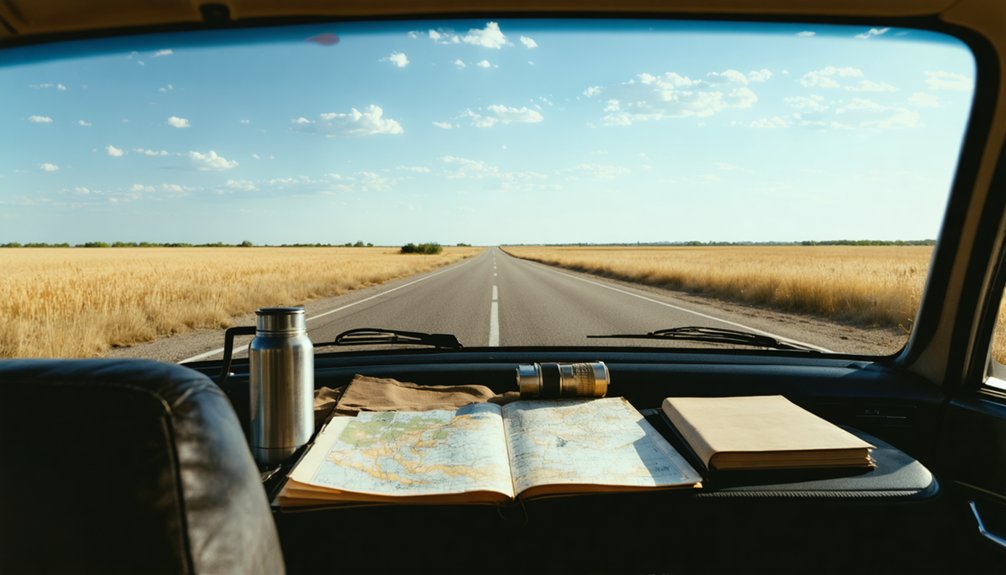
A few key supplies will make the difference between a frustrating detour and a smooth ghost-town run through Dewey County. Cestos sits on rural backroads with no services nearby, so you’ll want to pack smart before leaving pavement behind.
- Navigation tools – Download offline maps since cell coverage gets unreliable across western Oklahoma’s open stretches.
- Camera gear – Bring a wide-angle lens to capture the two remaining homes against the flat prairie landscape; golden hour light rewards patience here.
- Essential supplies – Pack extra water, snacks, and a small first-aid kit; remote sites don’t offer conveniences.
Treat Cestos like the off-grid destination it truly is. Arriving prepared lets you focus on the history rather than scrambling for basics you forgot at home.
How to Build a Western Oklahoma Ghost Town Road Trip Around Cestos
Once your gear’s loaded and you’re ready to roll, Cestos works best as an anchor point rather than a standalone stop. Position it as the centerpiece of a western Oklahoma loop through Dewey County’s backroads, then branch outward from there.
Ghost town exploration rewards flexible planning, so keep your route loose. Pair Cestos with nearby abandoned communities, rural cemeteries, and historic road corridors that cut through the old Cheyenne-Arapaho reservation lands. Each stop adds context to the rural history you’re uncovering mile by mile.
Start early, carry a paper map as backup, and leave room for unplanned detours. Western Oklahoma’s open roads hide more than most travelers expect, and the best discoveries often happen between the marked destinations on your list.
Frequently Asked Questions
Was Cestos Ever an Officially Incorporated Oklahoma Town?
With 500 residents at its peak, Cestos history doesn’t include official incorporation — it functioned as an agricultural service hub. You’ll find Cestos population records reflect a thriving yet unincorporated community that quietly vanished.
Is There an Admission Fee to Visit Cestos?
You won’t pay any admission costs to explore Cestos — it’s an open ghost town with no formal visiting rules. Just drive out, roam freely, and soak in the haunting remnants of this forgotten Oklahoma settlement.
Can You Legally Access the Remaining Two Homes at Cestos?
You likely can’t legally access the two remaining homes, as they’re private property. Respect property access boundaries while you explore Cestos’ ghost town history—admire the structures from a distance and honor the land’s heritage.
What Time of Year Is Best for Visiting Cestos?
Spring and fall offer the best seasons to visit Cestos, as you’ll enjoy mild weather conditions perfect for exploring remnants along rural roads. You’ll avoid summer’s brutal heat and winter’s unpredictable storms, giving you ultimate freedom to roam.
Are There Any Guided Ghost Town Tours That Include Cestos?
No dedicated guided tours currently include Cestos, but you’ll find freedom exploring it independently. You chase the history, you set the pace, and you uncover its historical significance far beyond what any guided tours could offer.
References
- https://www.youtube.com/watch?v=LNAm0sZuNyw
- https://houseofhighways.com/usa/southwest/oklahoma/cestos
- https://www.youtube.com/watch?v=V0TWPUBvJZk
- https://www.onlyinyourstate.com/trip-ideas/oklahoma/ghost-towns-road-trip-ok
- https://www.facebook.com/groups/historicroute66/posts/2905005569702282/
- https://www.youtube.com/watch?v=nWkVUmCTL9M
- https://www.onlyinyourstate.com/trip-ideas/oklahoma/scary-places-road-trip-ok
- https://www.rideok.com/category/destinations/ghost-towns/
- https://www.travelok.com/articles/oklahomaghosttowns
- https://www.youtube.com/watch?v=TCrMouVV5Xw