Planning a ghost town road trip to Oslo, Florida puts you on the trail of Scandinavian settlers, collapsed pineapple empires, and a community that faded but never fully vanished. You’ll find remnants of the original settlement along U.S.-1 in Indian River County, including a historic packing house and family names etched into the local landscape. Pair Oslo with nearby ghost towns like Eldora and White City, and there’s far more to this story than you’d expect.
Key Takeaways
- Oslo, Florida, founded by Scandinavian immigrants, offers a glimpse into a once-thriving agricultural community now considered a ghost town.
- The Oslo Citrus Growers Association packing house, the oldest on Florida’s east coast, remains a key historical landmark worth visiting.
- U.S.-1 connects Oslo to nearby ghost towns like Eldora, Eau Gallie, Ankona, White City, and Hallpatee for a multi-day road trip.
- Oslo’s decline resulted from the collapse of pineapple farming, failed citrus production, and the devastating economic impact of the Great Depression.
- Vero Beach provides convenient accommodations and dining options, making it an ideal base for exploring Oslo and surrounding ghost towns.
Oslo, Florida: A Ghost Town That Never Quite Disappeared
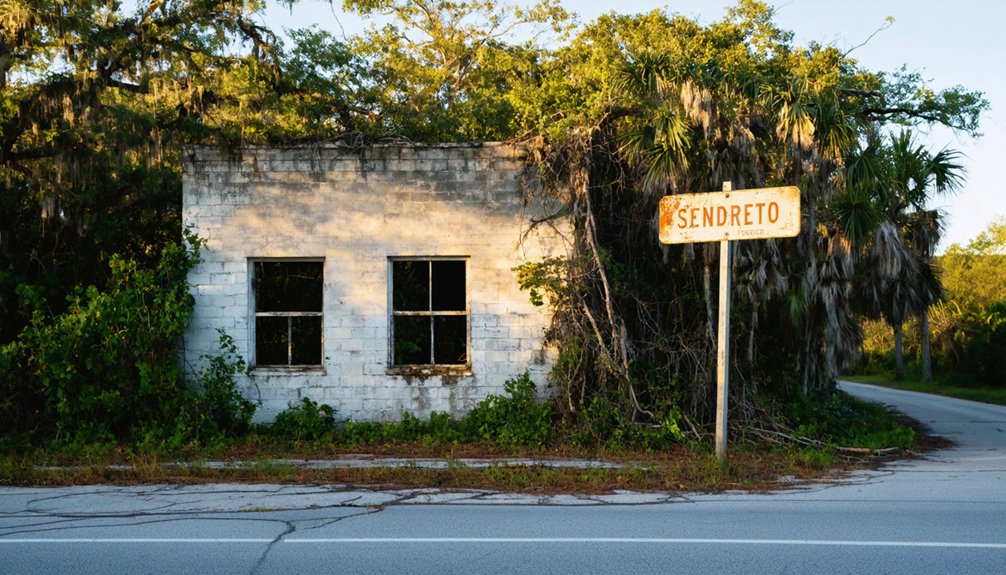
When most people picture a ghost town, they imagine crumbling buildings and tumbleweed rolling through empty streets — but Oslo, Florida doesn’t fit that mold. Tucked into Indian River County just south of Vero Beach, Oslo faded quietly through economic decline rather than dramatic abandonment.
Its story starts with Scandinavian heritage — immigrants who carved out a thriving agricultural community in the late 1800s. They built their livelihoods around pineapple farming and citrus production, establishing an agricultural legacy that briefly made Oslo a regional powerhouse.
Then the pineapple market collapsed. The Great Depression finished what the market started. Businesses closed, residents left, and Oslo slipped into history.
The pineapple market collapsed. The Great Depression finished the job. Oslo quietly slipped into history.
Yet it didn’t vanish entirely — and that’s exactly what makes it worth adding to your road trip itinerary.
The settlers who planted roots in Oslo weren’t drawn south by chance — they came with purpose, cultural identity, and agricultural ambition.
Their Scandinavian Heritage shaped everything from the town’s name to its work ethic. You can still feel that Cultural Influence when you dig into the area’s history.
These early founders left a surprisingly rich legacy:
- Named the settlement after Norway’s capital city
- Brought disciplined farming traditions from their home countries
- Established tight-knit community structures around agriculture
- Introduced pineapple cultivation as the town’s economic foundation
- Passed family names down that still appear across Indian River County today
When you visit Oslo, you’re not just exploring a forgotten place — you’re walking through an immigrant community’s bold attempt to build something lasting in Florida’s wild frontier.
How Pineapple Farming Put Oslo on the Map
When you look into Oslo’s past, you’ll find that pineapple farming was the engine that drove its early growth, attracting settlers and establishing the town as a legitimate agricultural hub along Florida’s east coast.
Farmers here cultivated pineapples on a commercial scale, fueling local commerce, supporting a post office, a school, and a railroad stop that connected the settlement to broader markets.
But when the pineapple market collapsed in the early twentieth century, Oslo lost its economic backbone almost overnight, triggering a slow unraveling that the Great Depression would later finish.
Pineapple Farming Origins
Before pineapple farming arrived in the late 1800s, Oslo was little more than a quiet stretch of Florida flatland.
Then settlers discovered the region’s sandy soil and warm climate were ideal for pineapple cultivation, and everything changed.
Early growers applied innovative agricultural techniques to transform raw land into productive fields, building a thriving rural economy almost from scratch.
Here’s what drove that transformation:
- Scandinavian immigrants brought strong work ethics and farming knowledge
- Florida’s subtropical climate perfectly supported pineapple crops
- Growers developed irrigation and field management methods suited to the terrain
- Local harvests supplied markets up and down the East Coast
- Railroad access let farmers ship fresh pineapples quickly and profitably
Oslo didn’t just grow pineapples — it built an entire identity around them.
Market Collapse Impact
Oslo’s pineapple boom didn’t just shape the town — it made the town. When the pineapple market collapsed in the early 20th century, Oslo lost its reason to exist.
Economic factors hit hard and fast. Cuban and Hawaiian pineapples flooded American markets at lower prices, undercutting Florida growers who couldn’t compete. Farmers abandoned their fields, businesses shuttered, and families moved on.
Agricultural decline didn’t happen overnight, but it happened completely. Citrus production softened the blow temporarily, yet it couldn’t replace what pineapples had built.
Then the Great Depression arrived and finished what the market collapse started. Oslo went from a thriving immigrant settlement to a quiet name on a county road.
Understanding this collapse helps you appreciate exactly what you’re visiting when you get there.
Why Oslo Faded and Never Came Back
Though Oslo once thrived as a hub of pineapple farming and citrus production, a perfect storm of economic blows stripped it down to little more than a place name on a county map.
Several forces drove its economic decline and deepened the cultural impact on the community:
- Pineapple market collapse wiped out Oslo’s primary industry overnight
- Citrus operations couldn’t generate enough revenue to sustain the town
- The Great Depression drained remaining businesses and residents
- Population loss made rebuilding economically impossible
- Scandinavian immigrant families gradually dispersed, erasing the community’s cultural core
Once those pillars crumbled, Oslo had nothing left to anchor a recovery.
You won’t find a rebuilt downtown or revived industry here — just quiet roads and echoes of what ambitious settlers once built from the ground up.
What Still Stands in Oslo Today?
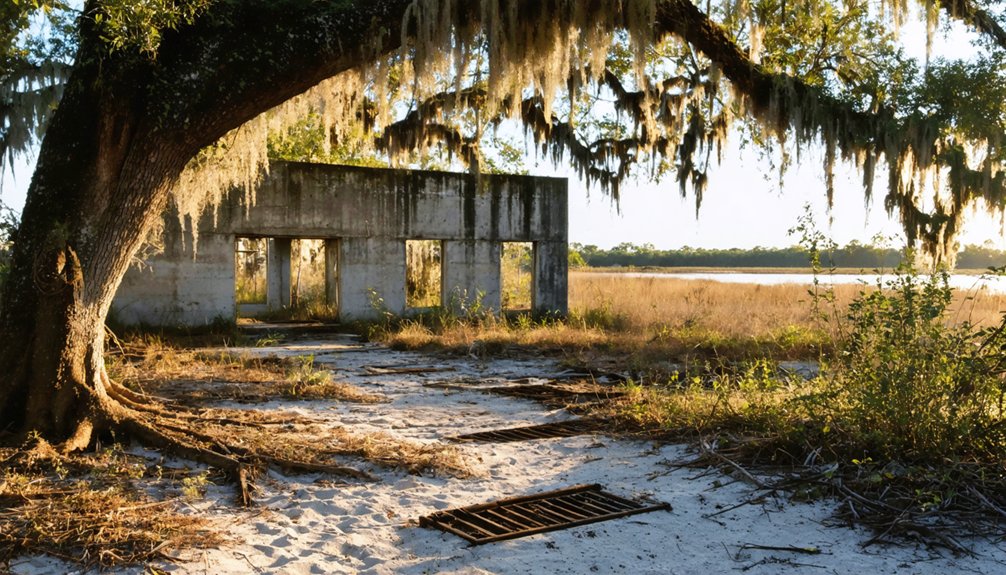
When you arrive in Oslo today, you won’t find a preserved ghost town frozen in time, but you’ll find tangible remnants that connect you to its past.
The Oslo Citrus Growers Association packing house still stands and operates, recognized as the oldest packing house on Florida’s east coast, giving you a rare living link to the agricultural economy that once defined the settlement.
You’ll also spot surviving markers throughout the area — from family names tied to the original Scandinavian settlers to the historic road and rail corridor that once carried Oslo’s pineapples and citrus to distant markets.
The Historic Packing House
Among the few tangible relics that survived Oslo’s long decline, the Oslo Citrus Growers Association packing house stands as the most compelling.
Recognized as the oldest packing house on Florida’s east coast, it connects you directly to the region’s agricultural heritage and packing house history.
When you visit, you’ll find a site that still breathes purpose.
Here’s what makes it worth your stop:
- It’s actively operating, not just a preserved relic
- It anchors Oslo’s identity as a former citrus hub
- It represents Scandinavian settlers’ lasting economic contributions
- It offers a rare, living window into early Florida agriculture
- It bridges the gap between Oslo’s past and present
You’re not walking through ruins here — you’re standing inside a working piece of history.
Surviving Settlement Markers
Scattered across the Oslo landscape, a handful of quiet markers trace the outline of what once thrived here. As you explore, you’ll notice that urban exploration here isn’t about dramatic ruins — it’s about reading subtle clues left behind by Scandinavian settlers who built something real in this Florida flatland.
Family names from those early settlers still appear on local signage and property records, connecting the present to a distinctly Nordic past. The old railroad corridor and former post office location anchor the town’s faded geography, giving you concrete reference points. These remnants carry genuine cultural heritage worth understanding.
Oslo won’t overwhelm you with preserved buildings, but it rewards careful attention. Each surviving marker tells a specific chapter of agricultural ambition, immigrant resilience, and eventual quiet decline.
How to Find the Oslo Settlement Along U.S.-1
Finding Oslo along U.S.-1 is straightforward once you know what to look for. Head south of Vero Beach into Indian River County, where Oslo Road intersects U.S.-1. That crossroads anchors the settlement remains and connects you directly to Oslo history.
Watch for these key landmarks:
- Oslo Road intersection – your primary navigation point along U.S.-1
- Oslo Citrus Growers Association – the oldest packing house on Florida’s east coast
- Historic railroad corridor – traces the old stop that once served the town
- Agricultural fields – reflect the pineapple and citrus economy that built Oslo
- Local family names – Scandinavian surnames still appear on signs and properties nearby
You won’t find dramatic ruins, but you’ll discover a living historical layer worth exploring.
Where to Stay Near Oslo in Vero Beach
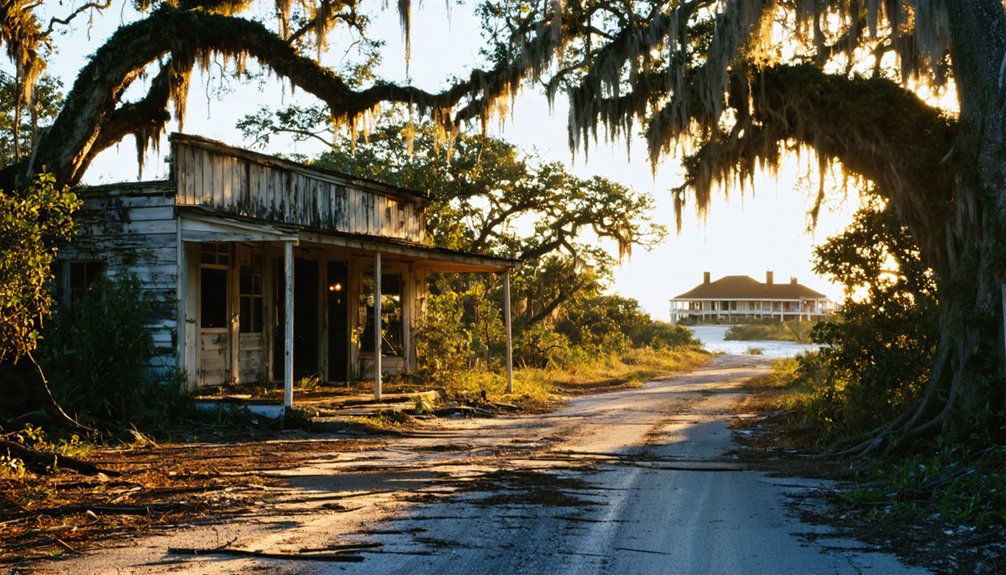
Vero Beach puts you within easy reach of Oslo while offering a solid range of lodging options that suit different travel styles and budgets.
Vero Beach accommodations range from beachfront resorts to budget-friendly motels along U.S.-1, giving you the flexibility to choose what fits your pace. If you prefer something more intimate, look into smaller inns closer to the Indian River Lagoon.
After a day of exploring historic sites, local dining options along Ocean Drive and downtown Vero Beach deliver fresh seafood, casual eats, and craft beer spots worth your time.
Staying in Vero Beach also positions you well for morning drives south toward Oslo Road without fighting heavy traffic.
Book ahead during peak season since rooms fill up faster than most travelers expect.
East Florida Ghost Towns to Pair With Oslo
Oslo fits naturally into a longer east Florida ghost-town road trip, and a handful of nearby sites give you enough material to stretch the journey across several days.
Each stop reflects a unique story of economic decline and cultural heritage worth exploring.
- Eldora – A St. Johns River settlement swallowed by time and nature
- Eau Gallie – Absorbed into Melbourne, yet rich with forgotten history
- Ankona – Another Indian River County pineapple community that faded away
- White City – A Danish immigrant colony that mirrors Oslo’s Scandinavian roots
- Hallpatee – A small agricultural outpost that couldn’t survive shifting markets
String these destinations together along U.S.-1 and nearby corridors, and you’ll build a road trip that goes far beyond sightseeing into genuine historical discovery.
How to Turn Oslo Into a Full East Florida Ghost Town Road Trip
With Oslo as your anchor point, you can build a multi-day east Florida road trip that weaves together ghost towns, agricultural history, and immigrant heritage into a single cohesive journey.
Drive U.S.-1 north and south to connect communities that share Oslo’s story of boom, collapse, and quiet survival. Each stop deepens your understanding of cultural heritage shaped by settlers who arrived with little and built entire economies around crops like pineapple and citrus.
Where you see surviving packing houses or family names on road signs, you’re witnessing fragments of economic revival that never fully took hold.
Plan two to three days, keep your route flexible, and treat every historical marker as a chapter in a larger story that east Florida is still telling.
Frequently Asked Questions
Is There an Entrance Fee to Visit the Oslo Settlement Area?
You won’t pay an entrance fee to explore Oslo’s settlement area. It’s a freely accessible historic locale where you can uncover its historical significance, trace local legends, and roam the open landscape on your own terms.
Are Pets Allowed When Exploring the Oslo Historic Site Outdoors?
Specific pet policies aren’t confirmed for Oslo’s outdoor areas, but you’re exploring open roadways and agricultural land, so you’ll likely enjoy outdoor activities with your furry companion freely while respecting local surroundings.
What Is the Best Time of Year to Visit Oslo, Florida?
Like a hidden treasure, Oslo shines brightest in fall and spring, when you’ll enjoy the best weather for exploring. You’ll also catch local events tied to Indian River County’s rich agricultural heritage during these seasons.
Is the Oslo Citrus Growers Association Open for Public Tours?
The Oslo Citrus Growers Association doesn’t publicly advertise tours, but you’ll still uncover rich Oslo history by visiting its grounds. This living landmark connects you directly to Florida’s citrus farming past in an engaging, authentic way.
Are There Guided Ghost Town Tours Available Near Oslo, Florida?
Imagine joining a Vero Beach heritage walk — you won’t find dedicated guided ghost town tours near Oslo, but you can explore its ghost town history and local folklore independently along U.S.-1 and Oslo Road.
References
- https://www.florida-backroads-travel.com/florida-ghost-towns.html
- https://www.timeout.com/florida/florida-ghost-towns
- https://www.facebook.com/familydestinationsflorida/posts/take-a-ghostly-trail-road-trip-to-mysterious-abandoned-places/122222355416091021/
- https://floridatrailblazer.com/2015/06/26/the-ghost-town-of-sturkey-in-the-green-swamp/
- https://www.oneworld365.org/blog/florida-ghost-towns
- https://stephentravels.com/top5/ghost-towns/
- https://www.youtube.com/watch?v=kXGAKmjGMXg
- http://www.shrimpnfishflorida.com/forums/threads/lake-county-fl-ghost-towns.5641/
- https://www.youtube.com/watch?v=OtKF4m3MNFI
- https://www.alltrails.com/trail/us/florida/north-oslo-loop