Rimrock, Montana, isn’t your typical ghost town, but it carries centuries of Crow history, epidemic-era tragedy, and sacred burial grounds etched into sandstone cliffs above Billings. Start your road trip on the Black Otter Trail, then push outward to Bannack State Park and Granite Ghost Town for a fuller picture of Montana’s haunted past. You’ll want solid boots, plenty of water, and a flexible itinerary — because the deeper story here rewards those who stay curious.
Key Takeaways
- Rimrock, Montana, sits less than 15 minutes from downtown Billings, accessible via North 27th Street or Airport Road beneath sandstone walls.
- The Black Otter Trail requires no entry fee or guided tours, needing only water, sturdy footwear, and curiosity.
- Carry two liters of water, grippy boots, a paper map, and layers, as cell service and water sources are unavailable on trail.
- Nearby ghost towns like Bannack State Park and Granite Ghost Town near Butte can extend your road trip to a full weekend or longer.
- Fall offers the best hiking conditions with sharp visibility and cooler temperatures, while winter, spring, and summer each present unique challenges.
Is Rimrock Actually a Ghost Town?
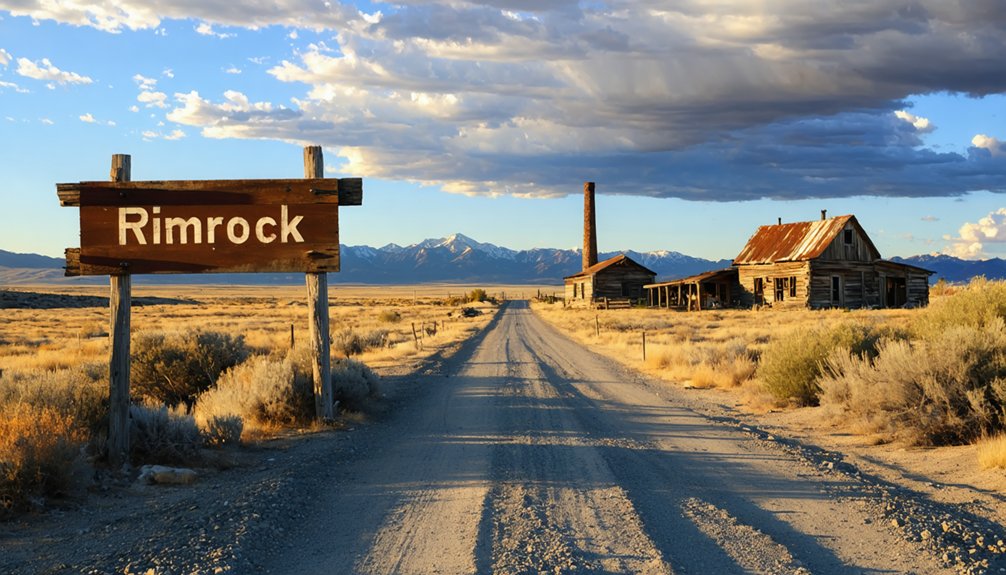
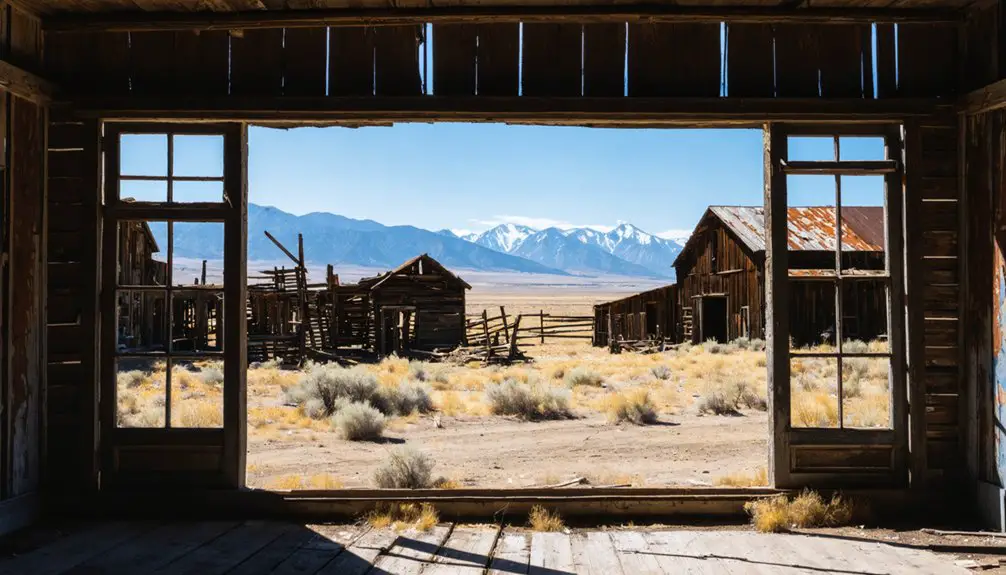
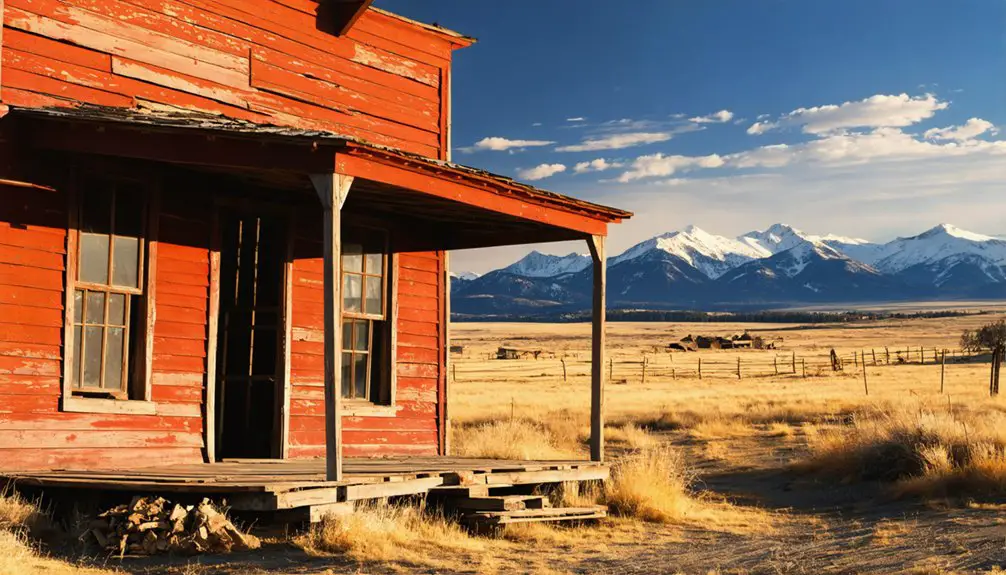
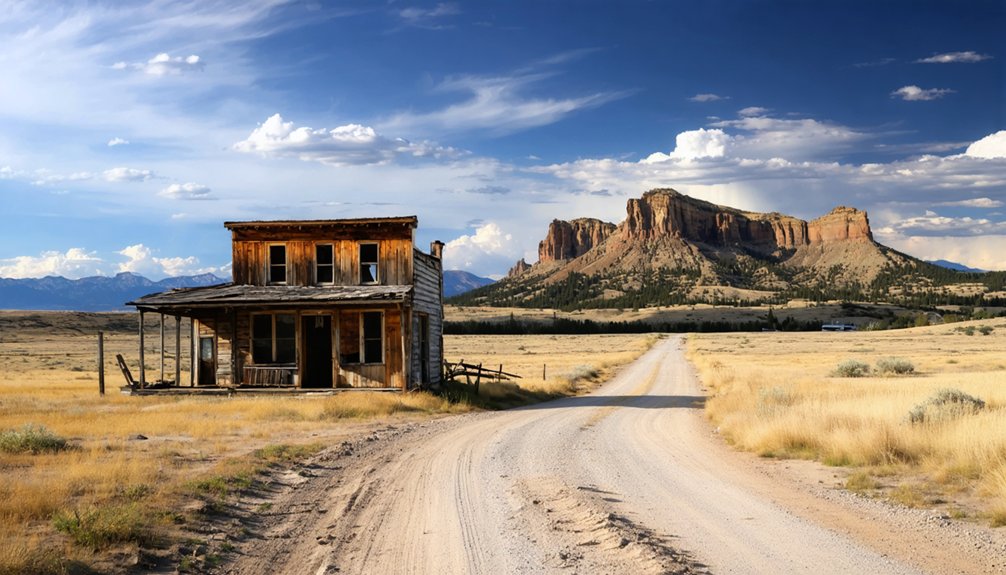
How do you define a ghost town? If you’re picturing tumbleweeds rolling past abandoned saloons, Rimrock, Montana will surprise you. There aren’t crumbling storefronts here — there’s something rawer.
The historical significance of this place lives in its dramatic cliffs, its oral traditions, and the Crow people who called it sacred ground long before settlers arrived.
The real history here isn’t in buildings — it’s in the cliffs, the ceremonies, and the sacred ground beneath your feet.
Rimrock legends don’t fit neatly into standard ghost town registries, and that’s exactly what makes this destination worth your time. Smallpox epidemics, cliff-side burials, and tribal ceremonies shaped this land more profoundly than any railroad boom ever could.
You won’t find Rimrock on official ghost town lists, but you’ll find history that hits differently — unfiltered, untamed, and waiting for the kind of traveler who craves the real story.
The Crow Tribe Stories Behind Rimrock’s Rims
Behind those dramatic cliff faces lies a story the land itself seems determined to keep alive. Crow legends describe smallpox-stricken villagers, overwhelmed by disease and grief, leaping from these very Rims.
It’s a haunting account tied directly to the historical significance of a devastating epidemic that reshaped entire communities.
Dr. Allen’s journal adds another layer, documenting Crow skeletons tied to trees along the cliffs, adorned with tribal belongings.
Whether you’re standing on Black Otter Trail or gazing toward Sacrifice Cliff, you’re walking through contested ground where oral tradition, historical record, and natural landscape collide.
You won’t find preserved buildings here. Instead, you’ll find something rawer — a place where the earth holds memory, and the wind carries stories no museum could fully contain.
What to See at Rimrock and the Black Otter Trail
Black Otter Trail runs along the edge of the Rims, putting you directly above Billings with sweeping views that stretch across Yellowstone County and straight into the region’s layered past.
Walk the path and you’ll find yourself standing where Crow oral history played out in devastating real time. The Rimrock views here aren’t just scenic — they carry weight. Look down and you’re seeing the same cliffs where smallpox-stricken villagers reportedly jumped rather than suffer further.
Black Otter Trail also passes burial sites and offers interpretive markers connecting landscape to legend. You don’t need a tour guide or an entry fee. You just need to show up, pay attention, and let the terrain tell its story.
Bring water, solid footwear, and genuine curiosity.
How to Get to Rimrock From Billings
Getting to Rimrock takes less than 15 minutes from downtown Billings, making it one of Montana’s most accessible ghost history detours. Head north on North 27th Street and follow the signs toward Black Otter Trail for your primary Rimrock access point.
This scenic route winds along the cliff’s edge, rewarding you with sweeping views of the Yellowstone Valley before you’ve even stepped out of the truck.
If you’re craving more dramatic scenic routes, approach from the east via Airport Road, which delivers you directly beneath the Rims’ towering sandstone walls.
There’s no entry fee, no crowds, and no hand-holding — just raw Montana landscape and centuries of Crow history waiting above you.
Park where the trail opens up and start climbing.
Why Bannack State Park Belongs on This Road Trip
Once you’ve soaked in the Crow history haunting Rimrock’s cliffs, Bannack State Park earns its place as your next stop — roughly two to three hours southwest, and worth every mile.
Bannack history runs deep here, stretching back to 1862 when gold discovery ignited Montana’s first major Gold Rush and drew fortune-seekers into this rugged valley.
Bannack’s story begins in 1862 — gold, ambition, and the rush that put Montana on the map.
Unlike Rimrock’s invisible past, Bannack delivers something tangible — over 50 original structures still standing, weathered but intact.
You’ll walk through a genuine ghost town, not a recreation. The old hotel, gallows, and church speak without guides or embellishment.
Bannack Days events layer in living history through reenactments if your timing aligns. This is history you can touch, and that contrast with Rimrock makes the pairing essential.
Why Granite Ghost Town and Rimini Belong on This Drive
Once you’ve walked Bannack’s dusty streets, you’re already deep in Montana’s mining heartland.
Granite Ghost Town and Rimini are natural extensions of that same gritty story.
Granite, perched near Butte, once produced staggering silver wealth before boom collapsed into silence, while Rimini’s silver, lead, and zinc veins drew hard-luck prospectors west of Helena in the late 1800s.
String these two stops together and you’ve built a route that trades pavement for history at every turn.
Mining History Meets Adventure
If the Rimrock’s story of loss and legend has stirred something restless in you, Granite Ghost Town and Rimini are ready to feed it with a different kind of history — one forged in dynamite, silver, and sweat.
At Granite, you’ll walk through the bones of a once-roaring silver camp near Butte, where hard-rock mining techniques shaped both the landscape and the men who worked it. The historical significance here is undeniable — millions in silver extracted, then silence.
Rimini, tucked west of Helena, tells a similar story through its silver, lead, and zinc roots. These towns didn’t fade quietly; they burned bright and collapsed fast.
You’ll feel that energy the moment you step onto the ground they left behind.
Route Planning Made Simple
Plotting this route is straightforward, and the payoff is worth every mile. Start in Billings, where the Rims’ dramatic cliffs and scenic overlooks set the tone.
Then push southwest toward Bannack State Park, roughly two to three hours away, where gold rush history breathes through 50 original structures.
From there, add another hour or two to reach Granite Ghost Town near Butte, a rugged mining site that rewards curious explorers willing to wander its hiking trails.
Finish near Helena at Rimini, where silver and lead once drove frontier ambition.
Each stop builds on the last, layering Indigenous oral history, vigilante justice, and mining grit into one cohesive drive.
You’re not just covering miles — you’re moving through Montana’s raw, unfiltered past.
Best Time of Year to Visit Rimrock, Montana
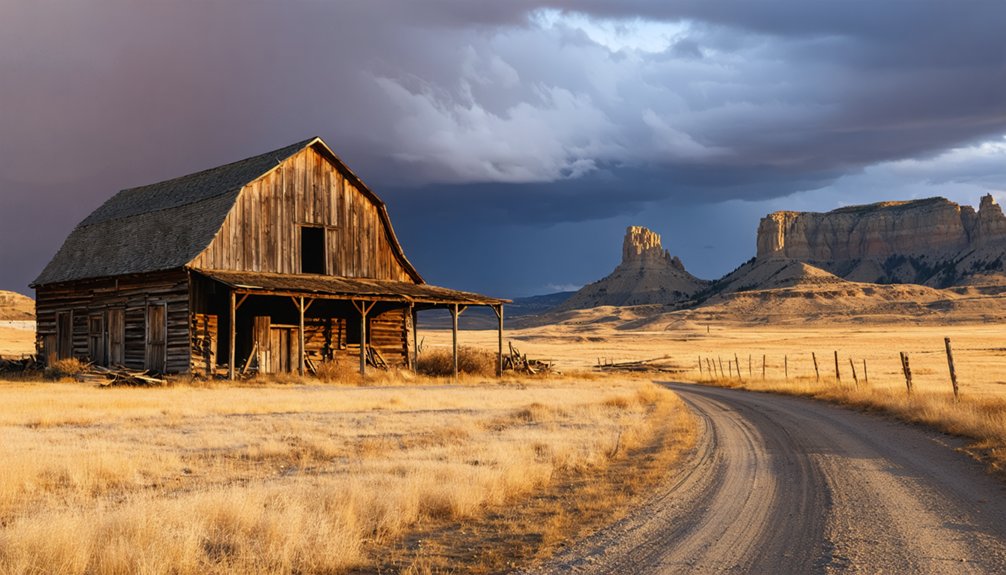
You’ll find Rimrock most welcoming between late spring and early fall, when the trails along the Rims are dry, the cliffs sharp against a wide Montana sky, and the full drama of the landscape unfolds without ice or mud slowing your steps.
Summer gives you long daylight hours to explore the overlooks and trace the paths where Crow oral history says smallpox-stricken villagers once walked their final miles.
Come autumn, the crowds thin, the light turns golden on the cliff faces, and the haunted weight of the “Place of the Skulls” settles over the Rims with a quiet that feels entirely earned.
Ideal Visiting Seasons
Montana’s dramatic seasons shape your experience at Rimrock just as powerfully as the cliffs themselves shaped Crow history.
Each season reveals different seasonal activities and wildlife viewing opportunities along the Rims.
- Spring: Wildflowers emerge, wildlife viewing peaks as mule deer and raptors reclaim the cliffs.
- Summer: Long daylight hours maximize hiking and cliff overlook exploration.
- Fall: Crisp air sharpens visibility, golden light transforms the rimrock landscape dramatically.
- Winter: Snow silences the trails, creating haunting solitude perfect for reflection.
- Year-round: Black Otter Trail remains accessible, connecting you to Crow oral history anytime.
You’re free to chase any season here.
However, late spring through early fall delivers the clearest skies, most accessible trails, and richest connection to Rimrock’s legendary past.
Weather And Trail Conditions
Weather along the Rims shifts fast, and knowing what to expect keeps your visit safe and rewarding. Montana’s weather patterns swing hard between seasons — spring brings wet trails and unstable cliff edges, while summer delivers scorching afternoons that bake the exposed ridgelines.
Fall offers the sharpest visibility and cooler temps, making it prime time for exploration. Winter ices the paths dangerously.
Trail safety demands preparation. Carry water in summer, waterproof layers in spring, and traction devices from November onward. The Rims’ dramatic cliffs forgive nothing — loose shale and windswept ledges punish the careless.
Check local forecasts before heading out, and start early to beat afternoon thunderstorms that roll in without warning. The land rewards the prepared traveler and humbles the overconfident one.
What Rimrock’s Terrain Demands Before You Go
Before you set foot on the Rims, understand that this terrain doesn’t reward casual visitors—it rewards prepared ones. These dramatic cliffs demand respect, and hiking safety isn’t optional here—it’s survival logic.
- Wear grippy, ankle-supporting boots for uneven limestone edges.
- Carry at least two liters of water; no sources exist on the trail.
- Bring a paper map—cell service drops unpredictably along the Rims.
- Pack layers; cliff exposure makes wind and temperature shifts sudden.
- Tell someone your route before you go—no exceptions.
Terrain challenges include loose rock, sheer drop-offs, and unmarked paths winding through land soaked in Crow history.
You’re not just hiking—you’re moving through a sacred, untamed corridor where preparation determines whether you leave with stories or regrets.
How Long Does a Rimrock Montana Road Trip Take?

How long you spend on a Rimrock road trip depends entirely on how deep you want to go. A focused half-day gets you through the Rims, hitting scenic viewpoints along Black Otter Trail and absorbing the weight of Crow history at Sacrifice Cliff.
Add Bannack State Park and your road trip duration stretches to a full weekend. Push further toward Granite Ghost Town near Butte, then loop through Rimini outside Helena, and you’re looking at four to five days of genuine frontier immersion.
There’s no rigid itinerary here — that’s the point. You move when you’re ready, linger where history pulls you, and cut the route short or extend it on your own terms. Montana rewards travelers who stay curious.
Frequently Asked Questions
Are There Any Entrance Fees to Access Rimrock or the Rims?
You’ll find no entrance costs blocking your Rimrock access! Walk freely along The Rims’ dramatic cliffs, where Crow history echoes across ancient stone. Your only investment is curiosity and the open road calling you forward.
Can Children Safely Hike the Trails Near Rimrock’s Cliff Areas?
Yes, children can hike The Rims, but you’ll want to prioritize child safety near dramatic cliff edges. Follow essential hiking tips: stay on marked trails, supervise closely, and embrace the adventurous, historically-grounded spirit of Crow legends together.
Is Camping Available Near Rimrock or Along This Road Trip Route?
You’ll find camping amenities along your route at Bannack State Park, where campsite reviews rave about sleeping amid gold rush history. Rimrock itself offers no formal sites, but nearby public lands welcome your free-spirited adventure.
Are Guided Tours Available for Exploring Rimrock’s Historical Sites?
Over 200 years of Crow history echo here — but you won’t find formal guided history tours at Rimrock. You’ll forge your own historical site exploration through trails, overlooks, and powerful oral legends waiting to be discovered.
What Nearby Restaurants or Lodging Options Exist Close to Rimrock?
You’ll find local cuisine and lodging reviews pointing you toward Billings, just minutes from the Rims. It’s your frontier basecamp, where modern comfort meets the echoes of Crow history awaiting your adventurous spirit.
References
- https://www.mountain-home.com/blog/vacation-planning/guide-montana’s-ghost-towns
- https://en.wikipedia.org/wiki/List_of_ghost_towns_in_Montana
- https://www.youtube.com/watch?v=jUfCdx7NXt4
- https://backcountrypost.com/threads/old-buildings-ghost-towns.7470/
- https://fwp.mt.gov/stateparks/granite-ghost-town