If you’re planning a ghost town road trip in Vermont, you’ll want to head to South Vershire, not South Newport. This haunting industrial ruin was once powered by the Ely Copper Mine, supporting a population of 1,800 before the copper market collapsed in the late 1800s. Today, crumbling smelter ruins and stone foundations await curious explorers. Stick around to uncover everything you need to plan an unforgettable Vermont ghost town adventure.
Key Takeaways
- South Vershire, Vermont, was a thriving copper mining town of 1,800 residents before the market collapsed in the late 1800s.
- Explore the Copperfield smelter ruins, stone foundations, and cellar holes along the immersive Slate History Trail connecting hidden historical sites.
- Access South Vershire via Route 5 or I-91, then Route 113; carry a compass due to unreliable cell service nearby.
- Visit between May and October for the best experience, with spring offering clear visibility and fall providing stunning Vermont foliage.
- Pack sturdy hiking boots, a compass, water, and a camera; stay on designated paths to respect the historical ruins.
What Makes South Vershire a True Vermont Ghost Town?
When the copper market collapsed in the late 1800s, South Vershire’s fate was sealed almost overnight. The Ele Copper Mine, once driving a population of 1,800 people, shuttered completely after company bankruptcy struck. Residents fled, leaving behind haunting memories embedded in crumbling smelter walls and overgrown foundations.
Today, you’ll walk through a site carrying forgotten stories of a community that thrived, collapsed, and vanished within decades. The ruins remain quietly powerful — stone structures reclaimed by Vermont’s relentless vegetation, now listed on the EPA Superfund cleanup list.
What makes South Vershire a true ghost town isn’t just its abandonment; it’s the speed of that abandonment. One economic blow erased an entire community, and you can feel that absence the moment you arrive.
How Copper Boom Money Built Copperfield: and Why It Collapsed
When you stand among Copperfield’s crumbling ruins, it’s hard to imagine that copper market profits once funded a thriving community of nearly 1,800 residents.
The Ele Copper Mine drove that explosive growth, pulling enough wealth from the earth to sustain hotels, homes, and a full town infrastructure in Vermont’s hills.
But when the copper market collapsed and the company filed for bankruptcy, residents fled almost overnight, leaving behind a ghost town that nature quickly began reclaiming.
Copper Market Fuels Growth
During the mid-to-late 1800s, copper was king in Vermont’s Northeast Kingdom, and Copperfield rode that wave hard. The copper mining boom didn’t just create jobs — it built an entire community from scratch, reshaping the regional economic impact almost overnight.
Here’s what fueled Copperfield’s explosive rise:
- The Ely Copper Mine operated at full capacity, extracting massive ore deposits.
- Copper prices surged globally, making Vermont mines incredibly profitable.
- Over 1,800 residents flooded the area seeking work and opportunity.
- Local businesses, housing, and infrastructure expanded rapidly alongside mining operations.
- The smelter processed raw ore directly on-site, centralizing production power.
You’re looking at a town that thrived entirely on one commodity. When that commodity stumbled, everything built around it became dangerously vulnerable.
Mine Closure Triggers Collapse
The copper market’s collapse hit Copperfield like a wrecking ball — swift, total, and merciless. When prices cratered, the Ely Copper Mine’s operations ground to a halt, and the company declared bankruptcy almost overnight.
The mine impact rippled through every corner of town — businesses shuttered, wages vanished, and livelihoods evaporated. Residents who’d built their lives around steady mining work suddenly faced an impossible choice: stay in a dying town with no income or leave everything behind.
Most chose to leave. The community exodus happened fast, stripping Copperfield of its 1,800 residents within years. Streets once buzzing with miners, merchants, and families fell eerily silent.
What copper built, bankruptcy destroyed — leaving behind nothing but ruins, overgrowth, and a ghost town waiting for you to explore.
How to Get to South Vershire
Getting to South Vershire is straightforward whether you’re coming from a major highway or winding through local back roads.
You can approach via Route 5 or I-91 for the quickest highway access, then connect to Route 113, which carries you directly into downtown Vershire.
From there, local roads guide you into the heart of what was once Copperfield’s booming copper country.
Route Options From Highway
Reaching South Vershire is straightforward, with three solid route options depending on where you’re coming from. Each path delivers you closer to mining heritage and ghost town legends worth exploring.
- Route 5 runs along the Connecticut River, offering scenic access from the south or north.
- I-91 provides the fastest highway entry point, ideal for long-distance travelers.
- Route 110 cuts through Vermont’s rural interior, connecting you to Route 113.
- Route 113 leads directly into downtown Vershire, your final navigation stretch.
- Bring a compass — trails can disorient even confident explorers once you’re on foot.
Once you’ve chosen your approach, the drive itself sets the mood — rolling hills, dense forests, and the quiet anticipation of discovering what copper-boom prosperity left behind.
Local Roads Into Vershire
Once you’re on Route 113, the local roads narrow and the landscape shifts — farmhouses, stone walls, and thick tree cover signal you’re closing in on Vershire’s quiet core.
These scenic routes reward slow driving, so don’t rush them. You’ll pass through downtown Vershire before the road guides you toward South Vershire, where Copperfield Town’s ruins sit waiting.
Navigation is straightforward, but bring a compass — cell service gets unreliable as the terrain thickens. The local roads don’t always announce turns clearly, and missing one adds time you didn’t plan for.
Keep your eyes open for unmarked pull-offs near the old smelter and mine sites. The approach itself sets the mood, stripping away noise and modern distraction before you even reach the ghost town.
What’s Left at the Copperfield Ruins Today
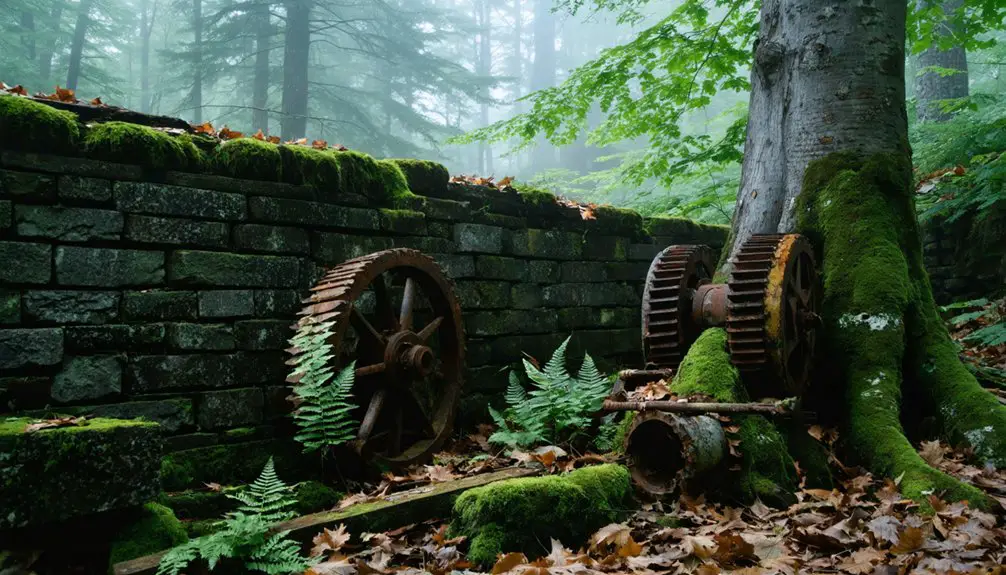
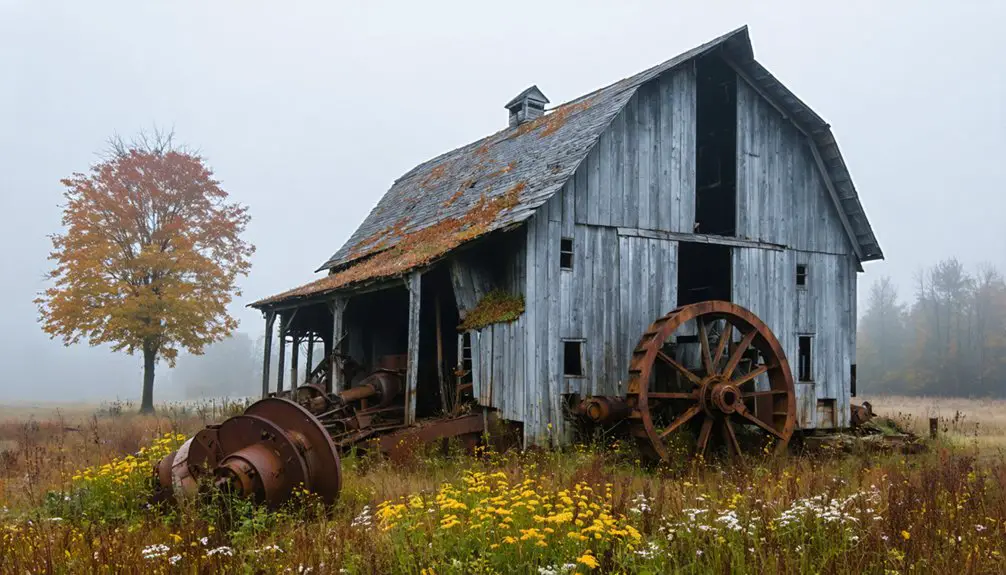
The Copperfield ruins offer a haunting glimpse into Vermont’s copper boom era, with the skeletal remains of the smelter and mine still standing amid dense overgrowth.
Your copperfield exploration reveals layers of historical significance, telling a powerful story of boom, collapse, and abandonment.
Here’s what you’ll discover on-site:
- Smelter ruins partially consumed by vegetation
- Mine remnants frozen in time since the company’s bankruptcy
- Stone foundations scattered throughout the overgrown landscape
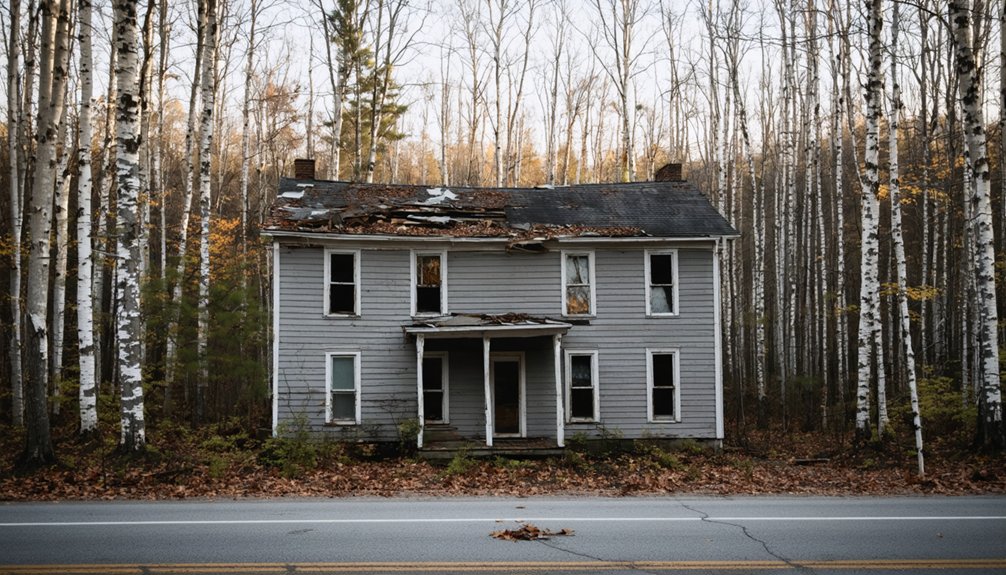
- Cellar holes marking where homes once stood
- EPA superfund designation highlighting the site’s environmental legacy
You’re walking through a place that once supported 1,800 residents.
The silence feels earned.
The Slate History Trail connects these hidden ruins, making your visit both accessible and deeply immersive for any history-driven explorer.
When Is the Best Time to Visit Vermont Ghost Towns?
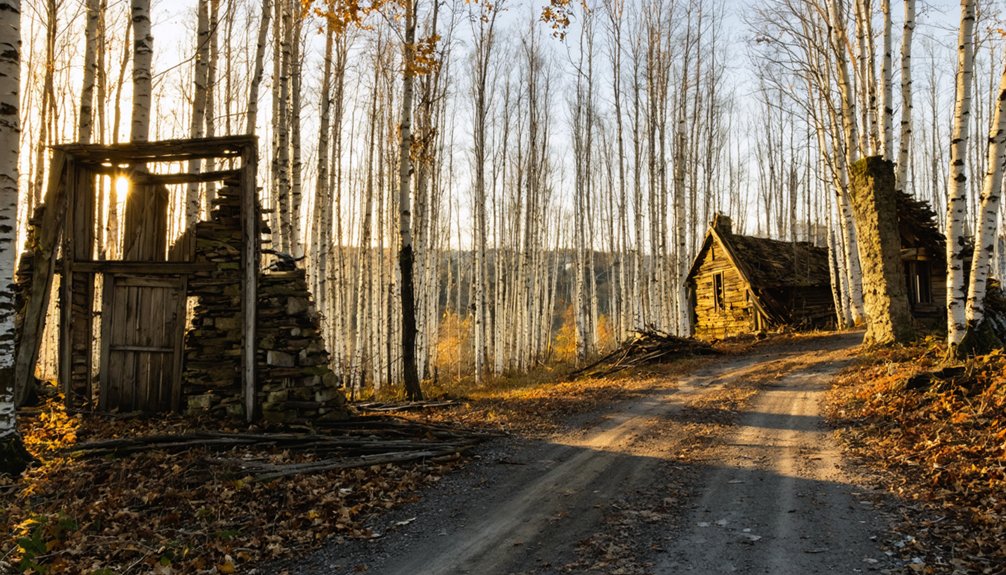
When you visit matters as much as where you go, and Vermont’s ghost towns reward those who time their trips wisely. The recommended ghost town seasons for historical exploration run May through October, when trails stay passable and overgrowth hasn’t completely swallowed the ruins.
Spring brings fresh visibility before dense foliage fills in, letting you spot stone foundations and cellar holes more easily.
Fall delivers Vermont’s legendary foliage, transforming the Copperfield ruins into a breathtaking backdrop of color.
Summer offers the longest daylight hours, giving you more time to explore without rushing.
Avoid winter visits — ice, snow, and inaccessible trails turn a manageable 45-minute walk into a genuine hazard.
Pick your window carefully, pack your compass, and you’ll experience these sites exactly as they deserve.
Other Vermont Ghost Towns Worth Adding to Your Route
Copperfield deserves a spot on any ghost town itinerary, but Vermont’s abandoned landscape doesn’t stop there. The state hides several sites with remarkable historical significance and abandoned structures worth exploring:
- Lewon – A 1760s railroad town along the Connecticut River, where stone foundations, cellar holes, and a memorial church still stand.
- Glastenbury Mountain – The eerie epicenter of the Bennington Triangle, surrounded by legends of unexplained disappearances.
- Bennington Triangle – Southern Vermont’s hotspot for unsolved mysteries and local folklore.
- South Vershire ruins – Consistently ranked among Vermont’s top ghost towns for their raw, industrial atmosphere.
- Slate History Trail – A connected route linking hidden ruins ideal for historically curious travelers.
Weave these stops into your route logically, and you’ll maximize every haunted mile.
How to Connect Vermont’s Ghost Towns Without Backtracking
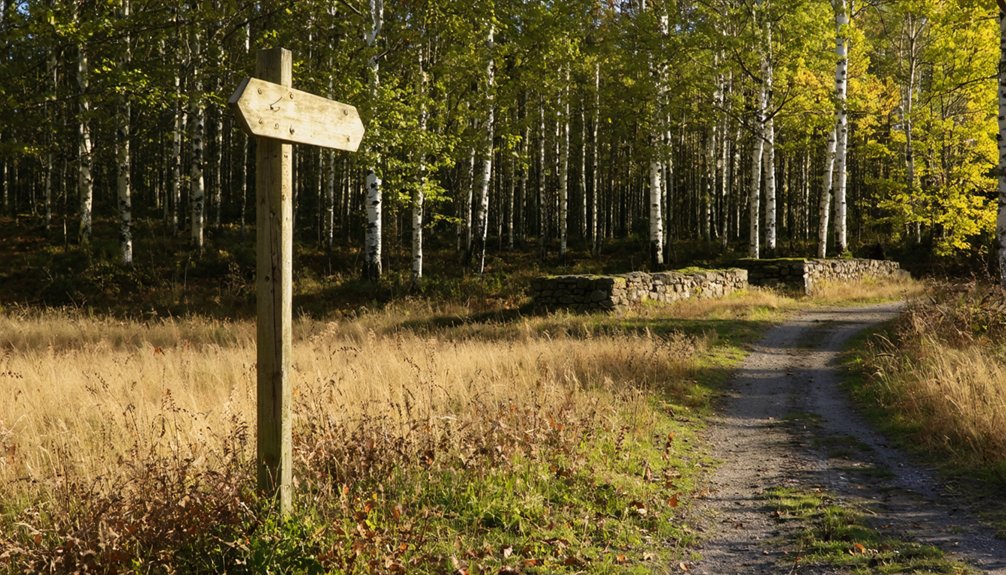
Planning a logical route through Vermont’s ghost towns saves both time and fuel, letting you move from site to site without doubling back on the same roads.
Start in southern Vermont near the Bennington Triangle, where ghost town legends of Glastenbury Mountain set the tone for your journey.
Then head northeast toward Lewon along the Connecticut River, where abandoned architecture like stone foundations and cellar holes tell quiet stories of a 1760s railroad community.
Continue north to South Vershire, finishing at Copperfield’s smelter ruins.
Using Route 5 and I-91 as your backbone keeps shifts smooth and efficient.
This directional flow lets you experience each site fully, without retracing miles, giving you more freedom to explore Vermont’s forgotten places on your own terms.
What to Pack Before You Walk the Copperfield Ruins
Before stepping onto the Copperfield ruins, you’ll want 5 essential items that make the difference between a frustrating visit and a rewarding one.
These packing essentials keep you prepared while honoring proper exploring etiquette at this historically sensitive site.
- Compass – trails aren’t always marked, and you’ll navigate confidently
- Sturdy hiking boots – overgrowth and uneven foundations demand ankle support
- Water bottle – the 45-minute walk demands hydration, especially May through October
- Camera or phone – document the smelter ruins and cellar holes without disturbing them
- Light jacket – Vermont temperatures shift unexpectedly, even on clear days
Respect the site by staying on designated paths and leaving everything undisturbed.
These ruins survived over a century — your visit shouldn’t compromise the next explorer’s experience.
Local Legends and History Near Every Stop on Your Route
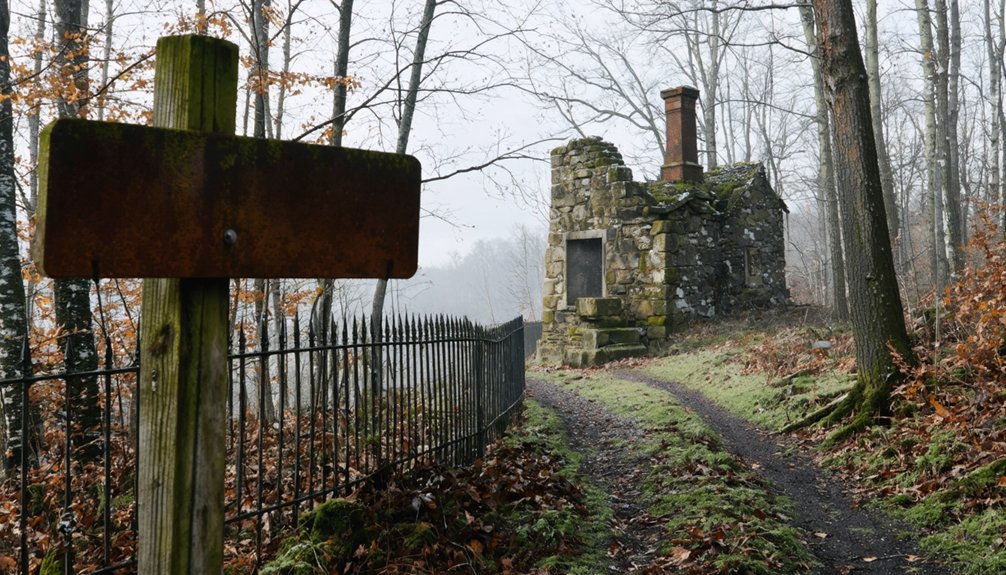
Every stop on your Vermont ghost town route sits inside a layer of legend that deepens the historical experience far beyond abandoned foundations and overgrown mine shafts.
At Copperfield, locals whisper about the miners who never truly left, making historical hauntings part of the site’s quiet atmosphere.
Head south toward the Bennington Triangle, where unexplained disappearances and local legends of Bigfoot, aliens, and a man-eating stone make Glastenbury Mountain genuinely unsettling.
Lewon delivers a different mood, where a memorial church and cellar holes mark a railroad community that vanished along the Connecticut River.
Each location carries its own story rooted in real collapse, real loss, and real mystery.
You’re not just sightseeing — you’re moving through living history that refuses to stay buried.
Frequently Asked Questions
Is the Copperfield Ruins Site Safe for Children and Elderly Visitors?
Ironically, ghost town safety makes Copperfield surprisingly welcoming! You’ll find family friendly activities on easy paved trails, perfect for children and elderly visitors. It’s rated easy difficulty, so you can freely explore ruins from May to October comfortably.
Are Pets Allowed on the Trails Leading to South Vershire Ruins?
The available knowledge doesn’t specify pet regulations for these trails. You’ll want to check with local authorities before visiting. Practice good trail etiquette by keeping pets leashed, cleaning up after them, and respecting fellow explorers’ freedom.
Is There an Admission Fee to Visit the Copperfield Ghost Town?
You won’t pay an admission fee to explore Copperfield’s ghost town history! Walk freely through the overgrown ruins, uncover copperfield legends, and soak in the hauntingly beautiful remnants of this once-thriving copper mining community at no cost.
Are Guided Tours Available at the South Vershire Copperfield Ruins Site?
No guided tour options are mentioned for the Copperfield ruins, but you’re free to explore independently! The site’s historical significance shines through its overgrown smelter ruins, mine remnants, and easy trails awaiting your self-guided discovery.
Can Visitors Legally Take Artifacts or Souvenirs From the Copperfield Ruins?
You shouldn’t take artifacts from the Copperfield ruins. Respecting artifact preservation honors the site’s historical significance, keeping it alive for future explorers. Leave everything as you find it, so others can experience this incredible ghost town too!
References
- https://vitalcommunities.org/quest/copperfield-town/
- https://www.youtube.com/watch?v=ScW-H7A8yL8
- https://usghostadventures.com/americas-most-haunted-trending/ghost-towns-to-visit-on-your-summer-road-trip-along-route-66/
- https://www.cruiseamerica.com/trip-inspiration/a-haunted-road-trip-for-ghost-lovers
- https://www.youtube.com/watch?v=2fvPo9iQC-w
- http://www.roadtripswithtom.com/category/ghost-towns/