Planning a ghost town road trip to South Vershire, Vermont means stepping back into a copper boomtown that once housed nearly 1,800 residents before collapsing almost overnight. You’ll find stone foundations, smelter ruins, and forest-swallowed remnants of the Ele Copper Company waiting to be explored. Pack your layers, download offline maps, and time your visit between May and October for the best experience. There’s far more to this hauntingly beautiful destination than meets the eye.
Key Takeaways
- South Vershire, once called “Copperfield,” was a copper boomtown peaking at 1,800 residents before collapsing due to falling copper prices.
- Visitors can explore stone foundations, walls, and smelter ruins of the Ele Copper Company, now dramatically reclaimed by Vermont forest.
- Located in Orange County along State Highway 113A, the site is best visited between May and October to avoid snow.
- Plan approximately 45 minutes for exploration, suitable for solo travelers or small groups, with fall offering stunning photographic backdrops.
- Pack a compass, layered clothing, first aid kit, hiking maps, and offline navigation apps for a safe, well-prepared visit.
How South Vershire Went From Copper Boomtown to Ghost Town?
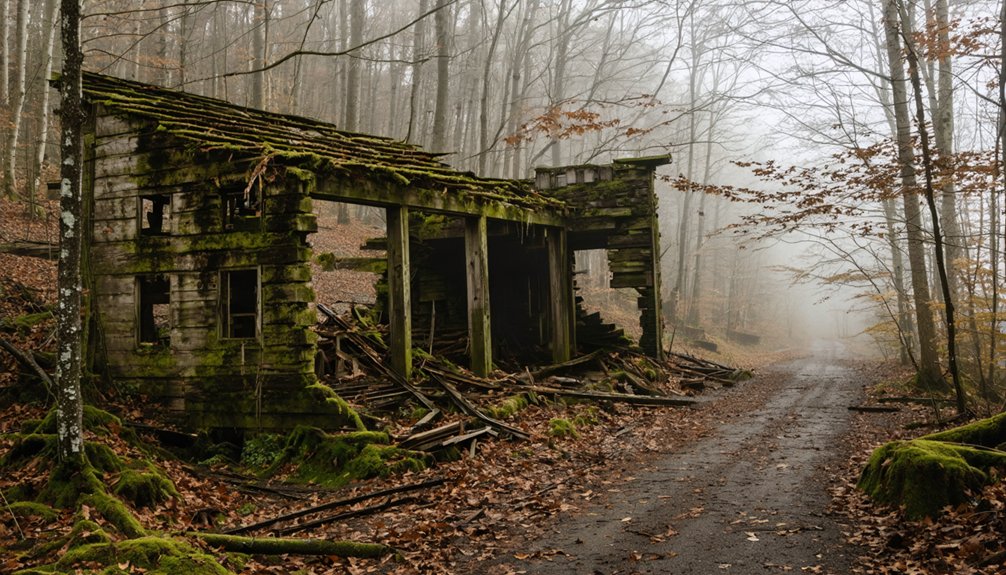
Once a thriving copper boomtown, South Vershire’s rise and fall reads like a classic tale of industrial boom-bust cycles. In the late 1800s, copper mining transformed this quiet Vermont town into a bustling community of nearly 1,800 residents. The Ele Copper Company drove operations, fueling prosperity through aggressive mining and smelting activities.
In the late 1800s, copper mining transformed South Vershire into a bustling Vermont community of nearly 1,800 residents.
But you can’t outrun a collapsing market. When copper prices crashed, economic decline hit South Vershire swiftly and mercilessly. The mines shut down, the company went bankrupt, and residents fled in droves.
What was once called “Copperfield” during its peak emptied almost overnight.
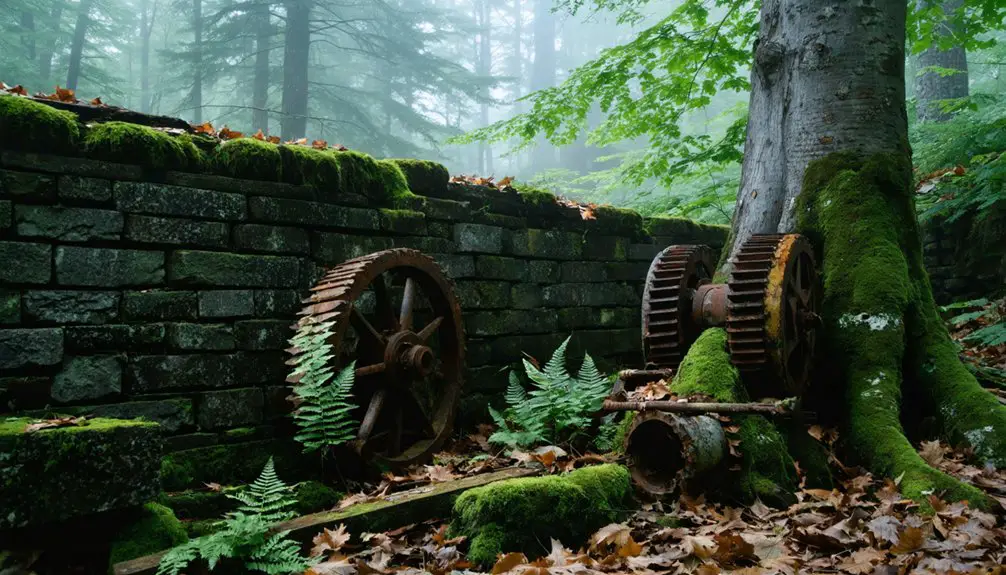
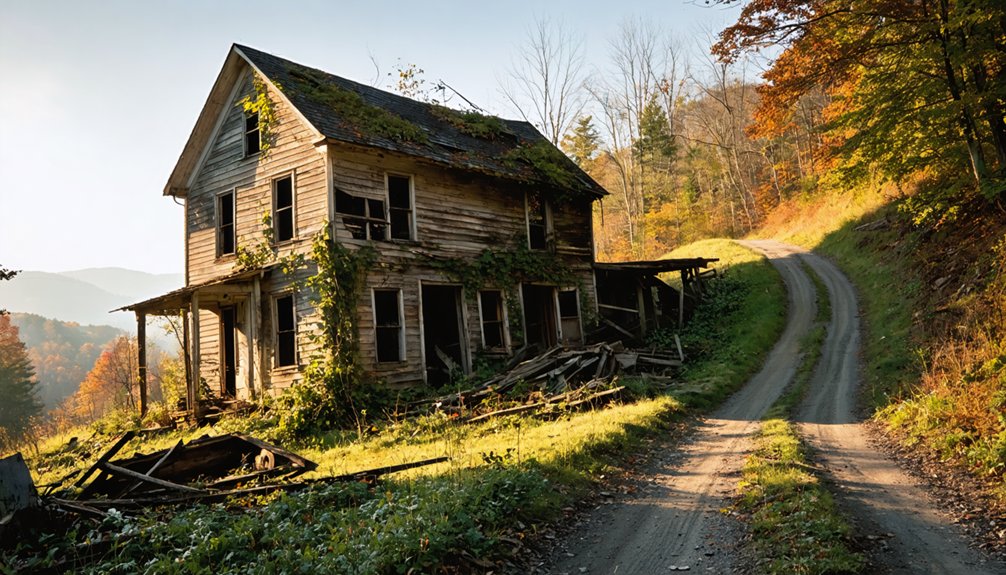
Today, you’re walking through nature’s reclamation of that abandoned prosperity — stone foundations, crumbling smelter ruins, and overgrown landscapes silently narrating the town’s dramatic transformation from vibrant community to ghost town.
What Can You Still See at South Vershire Today?
Though nature has reclaimed much of South Vershire, the remnants of its copper mining past are still remarkably visible. You’ll discover historical ruins tucked within stunning natural surroundings, creating a uniquely eerie atmosphere worth exploring.
Here’s what you can expect to find:
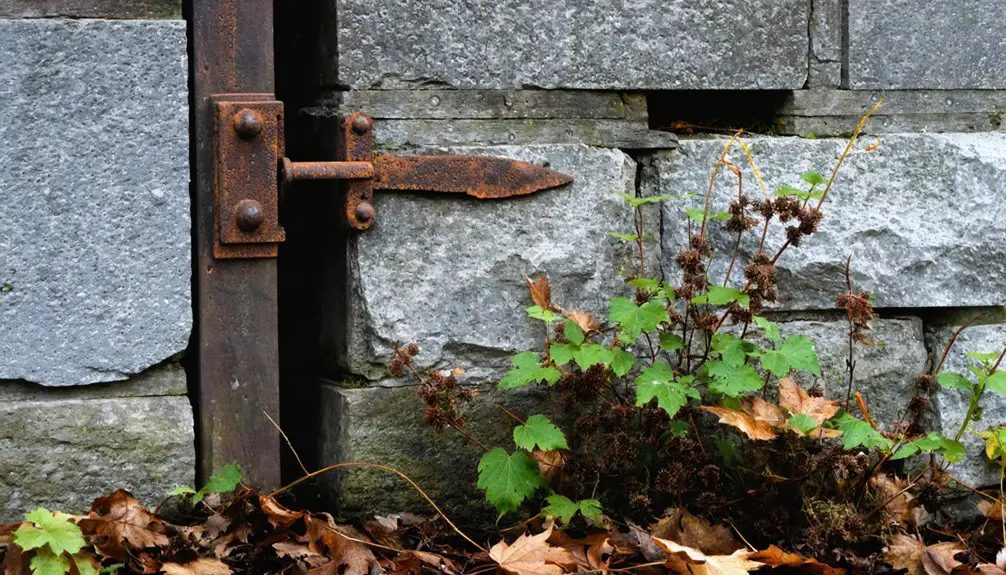
- Stone walls and foundations — scattered throughout the forest floor, marking where homes and commercial buildings once stood during the copper boom.
- Smelter ruins — the skeletal remains of the Ele Copper Company’s operations, now overtaken by dense vegetation.
- Mine structures — standing as silent historical markers of the town’s industrial peak.
Walk carefully through the overgrown landscape, and you’ll feel the weight of history beneath your feet. South Vershire rewards curious, independent explorers willing to piece together its fascinating story.
How to Get to South Vershire, Vermont?
Finding South Vershire is straightforward once you know where to look. The town sits in Orange County, central Vermont, along State Highway 113A between West Fairlee and South Vershire. This scenic travel route cuts through classic New England countryside, making the drive itself part of the experience.
You’ll find well-marked hiking trails that guide you directly into the site, so navigation stays manageable even without prior knowledge of the area. Pack a compass anyway, since the dense forest can disorient even confident explorers.
The surrounding region also offers local attractions worth adding to your itinerary, including nearby state parks and natural areas that complement your ghost town visit perfectly.
Plan your trip between May and October to avoid heavy snow drifts that make winter access difficult.
What Should You Pack Before Visiting South Vershire?
Before you head out to South Vershire, you’ll want to pack a compass since the overgrown landscape and reclaimed forest can make navigation tricky.
Dress in layers appropriate for Vermont’s unpredictable weather, especially if you’re visiting during the shoulder months of May or October when temperatures can shift dramatically.
You should also bring a basic first aid kit and emergency supplies, as the site’s remote location means help isn’t readily accessible if something goes wrong.
Essential Navigation Tools
Maneuvering South Vershire’s overgrown terrain requires a compass, as the natural forest reclamation has obscured many of the original structures and pathways.
You’ll want reliable tools to explore freely and confidently without losing your bearings.
Pack these three essential navigation tools before hitting the trail:
- Compass – Your primary directional tool when technology fails in remote areas
- Hiking maps – Detailed topographical maps showing trails and marked routes through the site
- Navigation apps – Download offline-capable apps before arrival since cell service can be unreliable
With these tools combined, you’re equipped to roam South Vershire’s ruins without restriction.
Don’t underestimate how quickly dense forest growth can disorient even experienced explorers, so prepare thoroughly before stepping onto the trail.
Seasonal Clothing Considerations
Since South Vershire’s trails are best explored between May and October, your clothing choices should reflect the seasonal conditions you’ll encounter during those months.
Seasonal weather across this window varies dramatically — spring mornings run cold and damp, summer afternoons turn warm and humid, and fall temperatures drop sharply by evening.
Pack clothing layers you can add or remove as conditions shift throughout the day. Start with a moisture-wicking base layer, add an insulating mid-layer for cooler moments, and carry a lightweight waterproof shell for unexpected rain.
Sturdy, ankle-supporting hiking boots protect you across uneven terrain and overgrown foundations. Bring a hat, gloves for fall visits, and sun protection for summer exploration.
Dressing smartly means nothing interrupts your freedom to roam this fascinating historical landscape.
Safety And Emergency Supplies
Dressing well gets you onto the trail comfortably, but what you carry in your pack could make the difference between a minor inconvenience and a real problem.
South Vershire’s overgrown ruins and remote landscape demand smart preparation. These safety tips will keep your exploration worry-free:
- Emergency kit essentials – Pack a basic first aid kit, waterproof matches, and a whistle. Twisted ankles and unexpected weather happen.
- Navigation tools – Bring a compass since cell service is unreliable. You’re responsible for finding your own way out.
- Water and food – Carry enough hydration and snacks for at least two hours beyond your planned 45-minute visit.
Pack smart, move freely, and let the ruins tell their story without interruption.
What to Expect When You Walk the South Vershire Site?
Walking through South Vershire feels like stepping into a landscape where nature and history have quietly negotiated a truce.
You’ll discover stone walls and foundations emerging from dense forest undergrowth, silent reminders of the town’s mining heritage and historical significance. The smelter ruins sit partially reclaimed by vegetation, giving the site an eerie yet compelling atmosphere.
You’ll notice how completely nature reasserts itself once industry abandons a place. Stone foundations mark where buildings once housed nearly 1,800 residents during the copper boom. The forest has softened everything, muffling the industrial past beneath layers of moss and fallen leaves.
Expect approximately 45 minutes of exploration across relatively easy terrain. Bring your camera because every corner reveals another compelling composition of crumbling stonework against living forest.
What’s the Best Time of Year to Visit South Vershire?
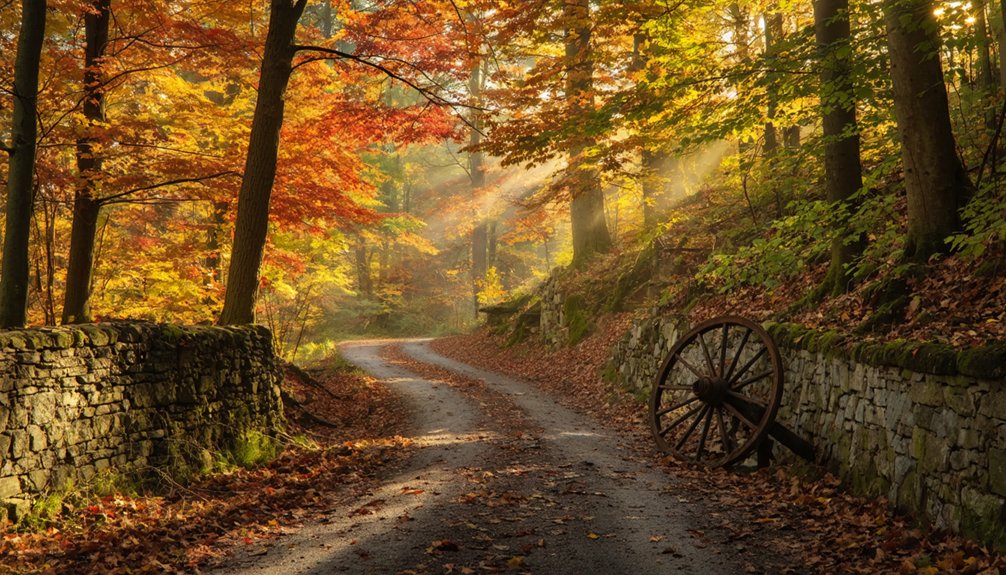
May through October offers the best window for exploring South Vershire, when trails are clear and the landscape reveals its historical layers most vividly.
The window from May through October unlocks South Vershire’s trails and reveals its richest historical layers.
Winter’s snow drifts make navigation nearly impossible, so plan your trip during these best months for a rewarding experience.
Here’s how to maximize each seasonal visit:
- Spring (May-June): Fresh foliage frames stone foundations beautifully, offering striking photographic contrasts.
- Summer (July-August): Long daylight hours extend your exploration time beyond the typical 45-minute visit.
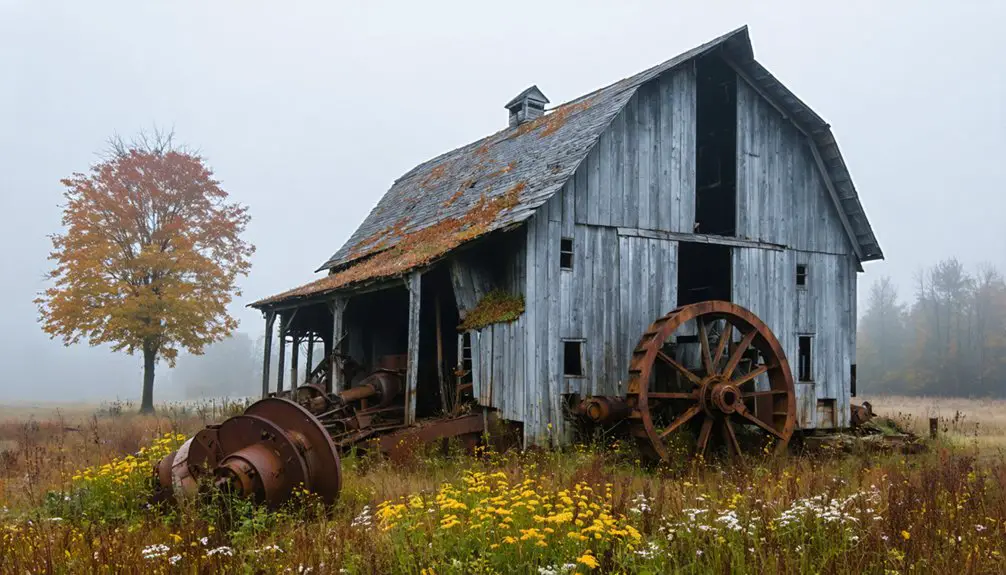
- Fall (September-October): Autumn colors transform ruins into dramatic backdrops, making it ideal for photography.
While South Vershire doesn’t host formal seasonal events, nature itself puts on a compelling show worth experiencing firsthand.
Other Vermont Ghost Towns to Pair With a South Vershire Visit
South Vershire pairs naturally with several other Vermont ghost towns, making it an ideal anchor for a broader regional road trip.
Orange County and the surrounding areas hold rich ghost town history, with abandoned settlements scattered across the Green Mountains. You’ll find former mill towns, collapsed farming communities, and faded industrial outposts within reasonable driving distance.
Consider linking South Vershire with nearby Minerva or other copper-era sites that share its mining legacy. Each stop adds context to Vermont’s industrial past, helping you piece together how economic forces repeatedly built and dismantled entire communities.
Pack a detailed state map, research road conditions in advance, and plan overnight stops strategically. Vermont’s backroads reward explorers willing to connect these forgotten places into one unforgettable journey.
Frequently Asked Questions
What Was South Vershire’s Original Name Before Becoming a Ghost Town?
Like a chameleon changing colors, South Vershire’s original name was Malden! You’ll uncover its historical significance and local legends, discovering it later became “Copperfield” during the copper mining era that transformed this once-thriving town.
Who Was the First Permanent Settler of What Is Now South Vershire?
You’ll discover that Lenox Titus shaped South Vershire’s settler history when he arrived in 1779, establishing the early community that would eventually transform into a thriving copper boomtown before becoming the ghost town you’re exploring today.
How Many Acres Were Originally Granted for the Vershire Township Settlement?
You’d think such a vast wilderness required endless land, but Vermont actually granted exactly 21,961 acres to Captain Abner Seelye and his 64 associates in 1781, highlighting the historical significance and immense settlement challenges they’d face.
What Was the Peak Population of South Vershire During the Copper Boom?
You’d be amazed to know South Vershire’s population soared to approximately 1,800 residents at the copper mining boom’s peak in the late 1800s, showcasing the town’s remarkable historical significance as a thriving industrial community.
Is South Vershire Listed on the Epa’s Superfund Environmental Cleanup List?
Yes, South Vershire’s on the EPA’s Superfund list, reflecting its complex environmental history. You’ll discover that copper mining’s toxic legacy has prompted significant cleanup efforts, adding another fascinating layer to your ghost town exploration.
References
- https://www.vermonter.com/ricker-basin-vermont-ghost-town/
- https://vitalcommunities.org/quest/copperfield-town/
- https://www.burlingtonfreepress.com/story/news/2018/10/29/history-space-tale-two-vt-ghost-towns/38202243/
- http://freepages.rootsweb.com/~gtusa/history/usa/vt.htm
- https://www.youtube.com/watch?v=2fvPo9iQC-w
- https://www.youtube.com/watch?v=ScW-H7A8yL8
- https://vermontcountry.com/2022/09/18/ghost-town/
- https://www.reddit.com/r/vermont/comments/1rflulu/looking_for_a_ghost_town_or_abandoned_factories/
- http://vermontdeadline.blogspot.com/2013/12/vershire-copper-mine-abandoned-vermont.html
- https://www.facebook.com/vermonterdotcom/posts/ricker-basin-is-an-authentic-vermont-ghost-town-and-the-perfect-place-for-a-hike/1401752971178925/