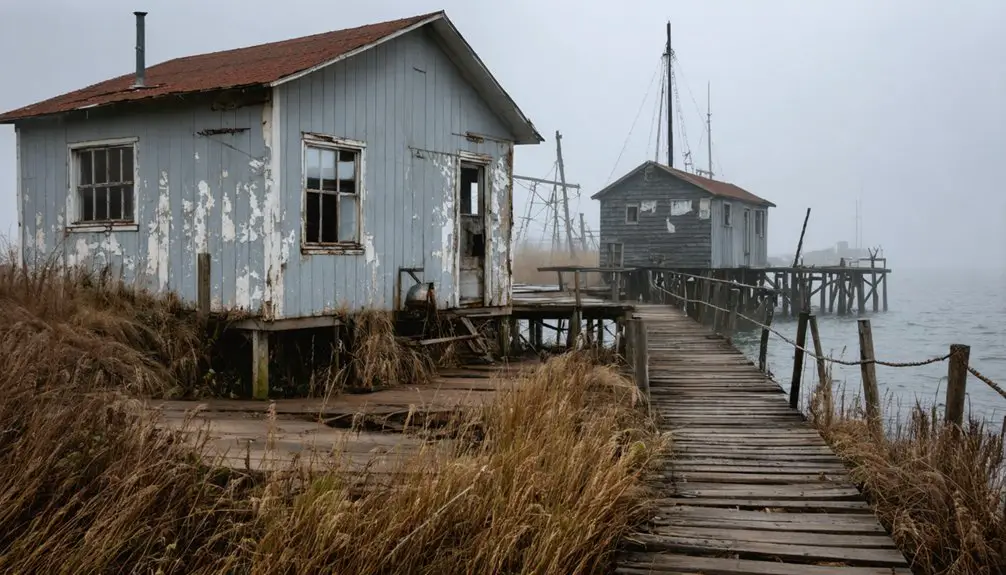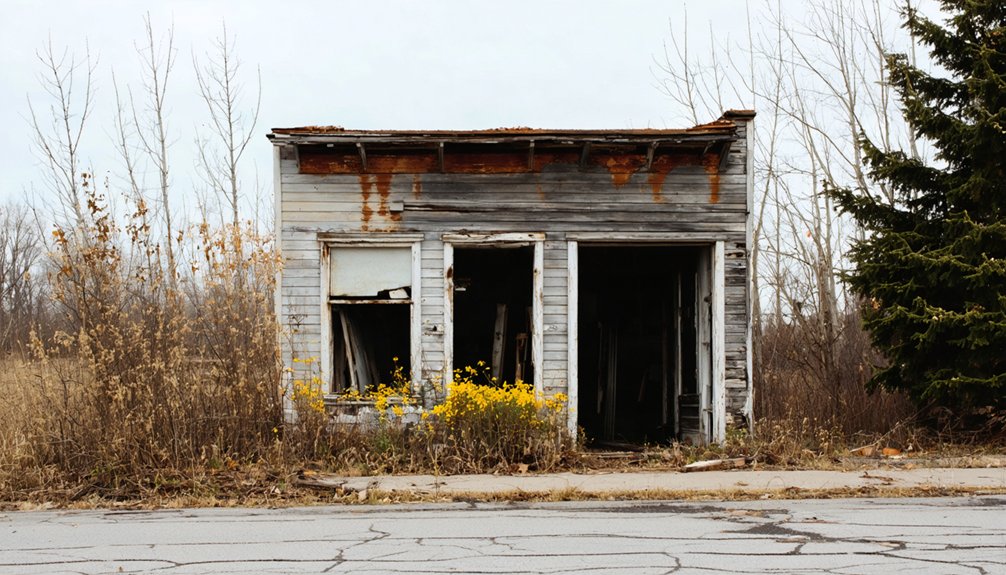
Stettin, Wisconsin earns its ghost town label despite having around 2,500 residents still calling it home. It’s lost its formal identity as an incorporated place, but its frontier history runs deep, from Marathon County’s first sawmill to post-Civil War Indian scares. Located less than 10 minutes from Wausau along State Highway 29, it’s an easy road trip worth planning carefully. Stick around to uncover everything this surprisingly layered ghost town has to offer.
Key Takeaways
- Stettin, an abandoned populated place near Wausau, is accessible via State Highway 29 in under 10 minutes, passing Rib Mountain State Park.
- Explore historical landmarks including Marathon County’s first sawmill, 1862 Indian scare sites, and references to 1946 uranium test borings by the U.S. Bureau of Mines.
- Nearby ghost towns Imalone, Stonehaven, and Belmont offer additional stops, featuring remnants of bars, quarry history, and Wisconsin’s first territorial capital.
- Fall is the ideal visit season, offering vibrant foliage, low crowds, and panoramic views while exploring historical sites along 72 miles of public roads.
- Wausau provides convenient amenities including diverse dining, varied lodging options, and fuel stations along State Highway 29 for road trip logistics.
Why Stettin Gets Called a Ghost Town When 2,500 People Live There
When you search for Stettin, Wisconsin on a ghost town database, the result might catch you off guard — it’s officially classified as an “abandoned populated place” in Marathon County, yet roughly 2,500 people call it home today.
The designation reflects historical significance rather than a literal empty landscape. Stettin lost its formal identity as an incorporated place, earning that ghost town label despite evolving into an active suburban township along State Highway 29, just minutes from Wausau.
What you’ll actually find are residential developments, small businesses, farmland, and 72 miles of public roads.
The cultural heritage of early lumbermen and settlers lives beneath that modern surface. So while Stettin technically qualifies as abandoned, it’s very much alive — making your road trip here genuinely fascinating.
How Stettin Went From Lumberjacks and Indian Scares to a Suburban Township
Before the first farmhouse broke ground, Stettin belonged to fur companies that deliberately painted northern Wisconsin as a lawless wilderness — savage Indians, dangerous beasts, land fit for no one but trappers.
That stranglehold eventually broke, and lumberjacks’ legacy reshaped everything. The first sawmill in Marathon County rose here, transforming dense forest into frontier opportunity.
The first sawmill in Marathon County rose here, where lumberjacks turned dense forest into frontier opportunity.
Then came the tension. After Minnesota’s 1862 Sioux War, Indian scares swept through the region, forcing farmers to abandon their fields and flee.
Yet they returned, rebuilt, and stayed.
How to Get to Stettin From Wausau
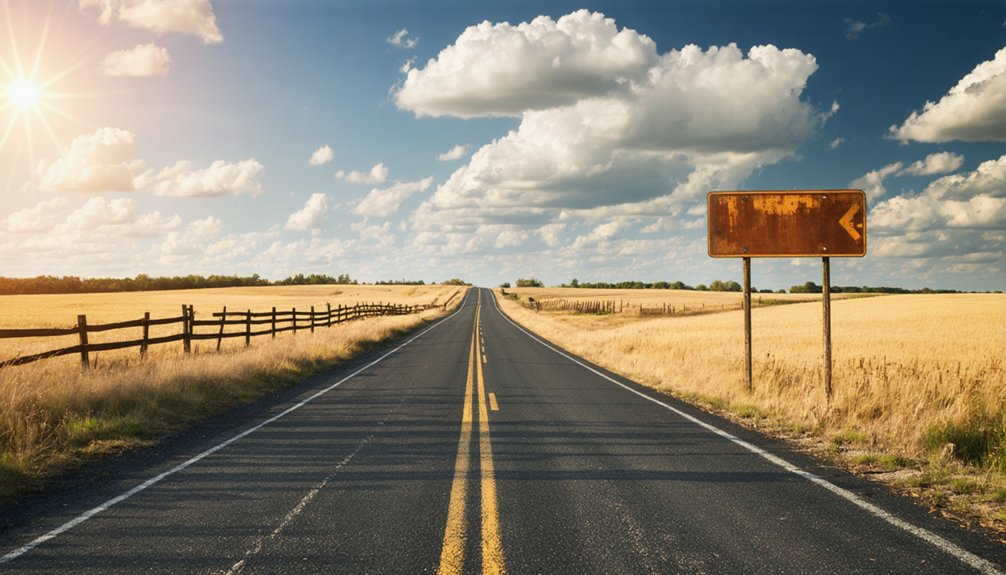
Getting to Stettin from downtown Wausau takes less than 10 minutes — just head west on State Highway 29, and you’ll land in the heart of what was once a thriving frontier township.
The drive is short, but the layers of ghost town legends and historical preservation run deep here.
Along the way, keep your eyes open for:
- Rib Mountain State Park — a natural landmark rising above the surrounding landscape
- Village of Marathon — your neighboring stop for additional amenities
- 72 miles of public roads winding through former frontier territory
- State Highway 29 corridor — connecting you to central Wisconsin’s broader road network
You’re not just driving through suburbs — you’re tracing the same routes early lumbermen and settlers carved out over 150 years ago.
What You Can Still Find at Stettin’s Ghost Town Historical Sites
Once you’ve arrived in Stettin, the real exploration begins — and there’s more to uncover here than a quiet stretch of Highway 29 might suggest.
You can still trace the area’s earliest industrial roots at the historical landmarks tied to Marathon County’s first sawmill. Local legends surrounding the 1862 Indian scare give the farmland an eerie, story-rich atmosphere worth absorbing.
Where Marathon County’s first sawmill once roared, the land still whispers of 1862 and its uneasy legends.
If you dig deeper, you’ll find references to 1946 uranium test borings conducted by the U.S. Bureau of Mines — a strange footnote hiding in plain sight.
Nearby Imalone adds another layer, with remnants connected to its old bars, dance hall, and Bible camp grounds.
Stettin rewards the curious traveler who looks past the suburban surface and reads the landscape like an open history book.
Nearby Ghost Towns Worth Adding to Your Route
Stettin doesn’t have to be your only stop — the surrounding region holds a handful of ghost towns that’ll deepen any Wisconsin history road trip.
Each site reveals a distinct layer of ghost town culture, from frontier ambition to industrial collapse.
- Imalone history: Founded by Snowball Anderson, this unincorporated community once held bars, a dance hall, and a Bible camp before fading quietly.
- Stonehaven ruins: Ozaukee County’s quarry town was disestablished in 1925 once its stone industry collapsed, leaving suburban transformation to erase its footprint.
- Belmont significance: Wisconsin’s first territorial capital served just one legislative session in 1836–1837 before lawmakers abandoned it entirely.
- Ghost town culture: These stops collectively show how economics, politics, and progress reshape — and sometimes erase — communities permanently.
What to Combine With Your Stettin Stop: Rib Mountain and Wausau Day Trips
Once you’ve soaked in Stettin’s layered history, you’re perfectly positioned to stretch the trip further.
Rib Mountain State Park sits just minutes away, offering trails and panoramic views that contrast sharply with the township’s flat agricultural landscape.
Wausau’s downtown, reachable in under ten minutes, pulls you into art galleries, shopping centers, and urban energy that round out a full central Wisconsin day.
Rib Mountain State Park
Rounding out your Stettin stop with a visit to nearby Rib Mountain State Park makes for an effortless and rewarding day trip. One of Wisconsin’s oldest geological formations, Rib Mountain delivers scenic views, outdoor activities, and genuine freedom to explore at your own pace.
Here’s what you’ll find waiting:
- Nature trails and wildlife watching across wooded paths where deer, birds, and local fauna roam freely
- Panoramic scenic views from the summit observation tower overlooking central Wisconsin’s landscape
- Adventure sports including skiing and mountain biking for thrill-seekers
- Picnic areas and family fun with well-maintained facilities perfect for relaxing between explorations
You’re less than 10 minutes from Stettin, making Rib Mountain an easy, natural extension of your ghost town road trip itinerary.
Wausau Downtown Exploration
Just a short drive from Stettin, Wausau’s downtown scene gives your ghost town road trip a lively urban counterpoint worth exploring.
You’ll find independent restaurants, craft breweries, and art galleries packed into a walkable grid that rewards curious travelers. Wausau dining ranges from farm-to-table spots to classic Wisconsin supper clubs, so you’re never short on solid meal options after a day of historical exploration.
When evening hits, Wausau nightlife keeps the energy going with live music venues and local bars that draw a relaxed, unpretentious crowd.
The downtown sits less than ten minutes from Stettin, meaning you can shift from abandoned lumber history to a cold craft beer without burning much time or fuel. It’s an easy, rewarding combination.
Nearby Amenities Access
Wausau’s downtown energy is only part of what makes a Stettin stop worthwhile.
You’re positioned perfectly to explore everything the surrounding area offers without backtracking.
Combine your visit with these nearby options:
- Rib Mountain State Park – Hike trails above central Wisconsin’s landscape for sweeping views
- Local dining – Wausau’s independent restaurants reward curious travelers who skip chain stops
- Historical landmarks – Marathon Village sits adjacent to Stettin, adding layered context to your trip
- Art galleries and shopping – Downtown Wausau delivers culture within a 10-minute drive
State Highway 29 keeps your route clean and direct.
You’re never far from something worth stopping for, making Stettin less an isolated destination and more a launching point for a genuinely open road experience.
Best Time of Year for a Stettin Ghost Town Road Trip
If you’re chasing peak fall foliage, central Wisconsin’s hardwood forests burst with color in late September through mid-October, making the drive along State Highway 29 genuinely stunning.
Summer brings festival energy to the Wausau area, so you can pair your Stettin stop with local events and comfortable exploring weather.
Winter road trips are possible but demand caution, as Marathon County’s 72 miles of township roads can turn icy and slow your ghost town adventure considerably.
Peak Fall Foliage Season
Three words sum up the best time to visit Stettin’s ghost town landscape: peak fall foliage. Wisconsin’s autumn transforms State Highway 29 into one of the most breathtaking scenic drives you’ll experience.
You’ll feel genuinely free exploring this historic township wrapped in vibrant color.
Here’s what makes fall activities in Stettin unforgettable:
- Canopy colors burst across 72 miles of public township roads, rewarding every turn
- Rib Mountain State Park nearby delivers panoramic autumn views worth the short detour
- Crisp air sharpens your senses while exploring historical sawmill sites and uranium testing grounds
- Low crowds mean you’ll navigate ghost town remnants and rural landscapes entirely on your own terms
Plan your visit between late September and mid-October for the most dramatic foliage display.
Summer Festival Timing
Fall foliage gets all the glory, but summer opens up a completely different side of Stettin’s ghost town story.
June through August puts you closest to the township’s centennial spirit, celebrated June 15-20 back in 1960.
Summer activities hit their stride along State Highway 29, with the Village of Marathon and Wausau’s downtown scene fully alive just minutes away.
Festival highlights from surrounding communities draw road trippers who want history and energy in the same weekend.
Rib Mountain State Park trails stay dry and accessible, letting you combine outdoor exploration with your ghost town mission.
You’re free to move between modern suburban Stettin and nearby remnants like Imalone without fighting icy roads or muddy paths.
Summer simply gives you more ground to cover.
Winter Road Conditions
Winter transforms Stettin’s 72 miles of public roads into a different challenge altogether, and you’ll want to plan around that reality before committing to a cold-weather road trip.
Wisconsin winters hit hard, and Marathon County roads demand respect.
Follow these winter safety tips and road maintenance advice before heading out:
- Check road conditions through Wisconsin DOT’s traveler information system before departing
- Carry emergency supplies including blankets, jumper cables, and extra warm layers
- Time your drive during daylight hours when temperatures briefly moderate
- Watch for black ice near State Highway 29 intersections and shaded rural stretches
The township’s rural character means slower plowing schedules than city streets.
You’re free to explore year-round, but arriving prepared keeps that freedom intact.
Where to Eat, Stay, and Refuel Near Stettin
Since Stettin sits less than 10 minutes from downtown Wausau, you’ll find no shortage of options for eating, staying, and fueling up.
Wausau’s local dining scene delivers everything from hearty comfort food to upscale restaurants worth lingering over. Grab supplies at community markets along State Highway 29 before exploring the township’s quiet roads.
For lodging options, Wausau offers hotels, motels, and cozy bed-and-breakfasts that suit any budget or travel style. Fuel stations dot the highway corridor, so you’ll never get stranded mid-adventure.
After refueling, swing past historical eateries that reflect the region’s working-class roots.
Don’t skip the scenic viewpoints near Rib Mountain State Park, just a short drive away, offering stunning perspectives before you head back into Stettin’s fascinating, layered history.
Frequently Asked Questions
Did Uranium Mining Ever Actually Happen in Stettin, Wisconsin?
No, uranium mining never actually happened in Stettin history. In 1946, you’ll find the U.S. Bureau of Mines conducted test borings but discovered no viable uranium supplies worth pursuing further.
Who Was Chief Mayig and What Happened During the 1842 Famine?
You’ll find Chief Mayig’s story tied directly to the devastating 1842 famine that struck Native Americans in the Stettin area, ultimately accelerating white settlement after the harsh winter left indigenous communities struggling to survive.
What Caused the 1862 Indian Scare in Stettin Specifically?
The 1862 Sioux War in Minnesota sparked intense Indian tensions, sending shockwaves into Stettin’s historical context. You’d have witnessed farmers frantically evacuating their homesteads, fearing conflict would spill across Wisconsin’s borders into their community.
How Did Fur Companies Discourage Settlers From Moving to Northern Wisconsin?
“Knowledge is power!” Fur companies fueled your settler resistance by portraying northern Wisconsin’s land as uninhabitable, spreading fear of savage Indians and wild beasts throughout the fur trade, deliberately keeping you away from their profitable territory.
What Natural Materials Did Early Stettin Settlers Use to Dye Clothing?
You’d have used hemlock bark or butternut shells as natural dyes to color your home-spun clothing! These historical textiles reflect the resourceful, self-sufficient spirit of early Stettin settlers who relied on nature’s bounty for survival.
References
- http://genealogytrails.com/wis/marathon/history/history_stettincentennial.html
- https://asset.library.wisc.edu/1711.dl/XCYPJBMQ7ACE68O/E/file-17b1b.pdf?dl
- http://shunpikingtoheaven.blogspot.com/2016/05/a-wisconsin-ghost-town.html
- https://www.youtube.com/watch?v=BBNChWddAvs
- https://en.wikipedia.org/wiki/List_of_ghost_towns_in_Wisconsin
- https://townofstettin.org/history/
- https://www.mindat.org/feature-5274626.html
- https://search.library.wisc.edu/digital/AQI4MBSBWIR5BK8Q/pages/AIP4Z352Q37RWD9C?as=text&view=one
- https://pbswisconsin.org/news-item/southern-wisconsins-ghost-towns-leave-behind-vital-stories