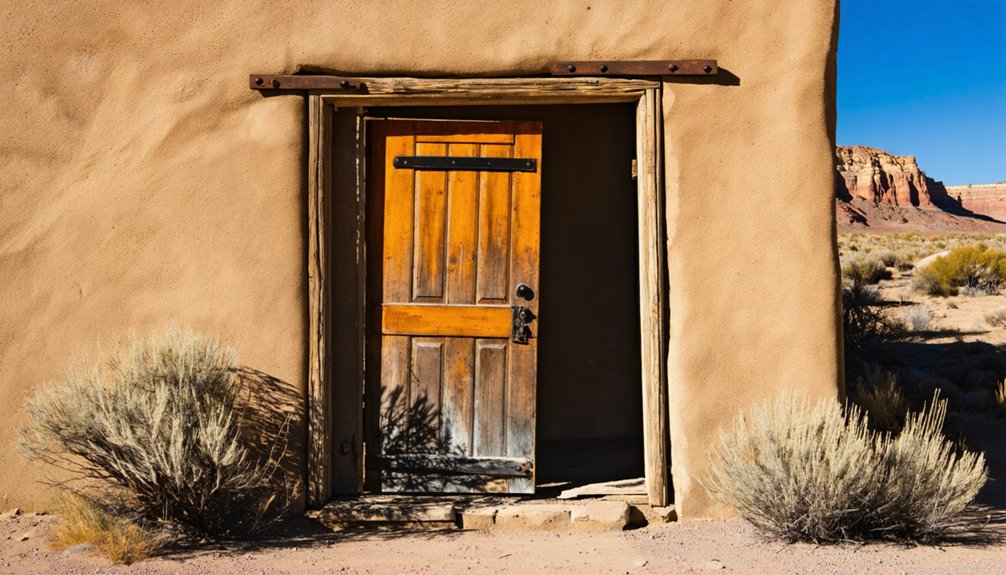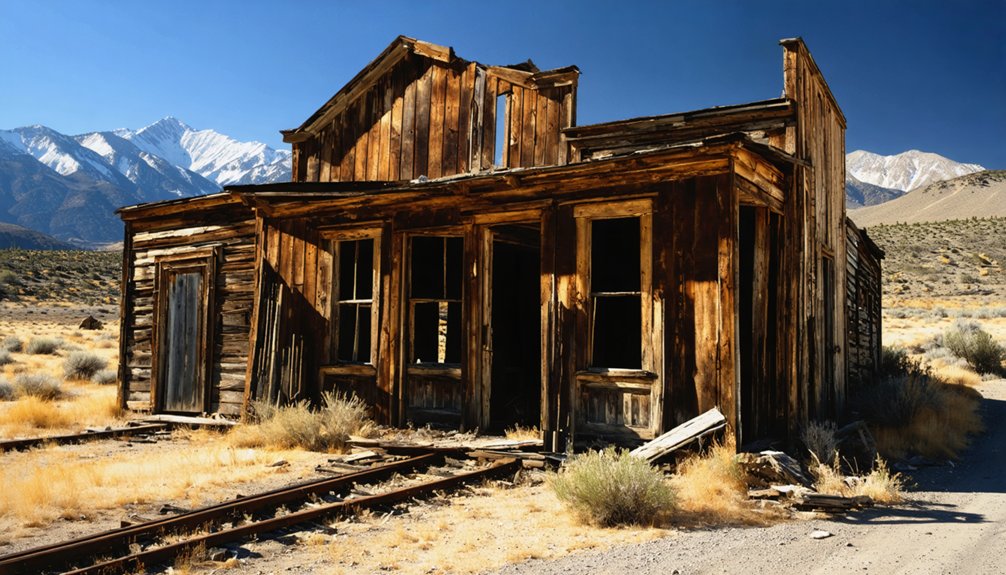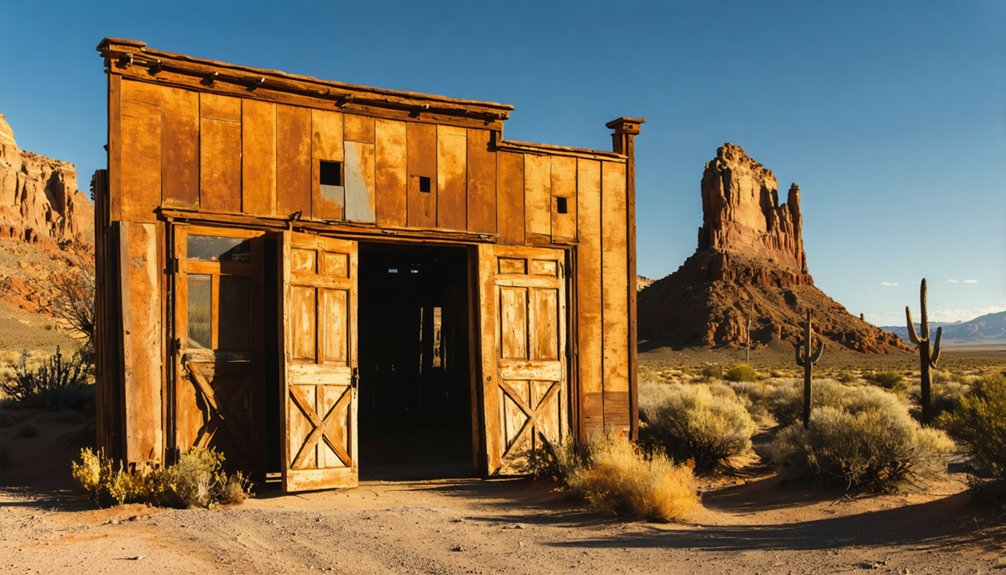
Planning a ghost town road trip through Utah means exploring over 100 abandoned settlements scattered across 29 counties. You’ll discover open-air time capsules like Grafton, Silver Reef, and Frisco, each preserving real boom-and-bust mining history. Cluster your stops geographically, carry printed maps, and pack at least a gallon of water daily since cell service gets unreliable fast. Get your safety gear ready and your itinerary tight—there’s a lot more to uncover about making this adventure unforgettable.
Key Takeaways
- Utah has over 100 ghost towns across 29 counties, representing a rich boom-and-bust mining history perfect for road trip exploration.
- Top destinations include Grafton, Silver Reef, Frisco, Thistle, and Old Iron Town, each offering unique historical structures and landscapes.
- Cluster ghost towns geographically, pairing Grafton with Silver Reef before heading west to Frisco, saving time and fuel.
- Carry at least one gallon of water per person daily, sturdy boots, and printed maps due to unreliable cell service.
- Always inform someone of your route, evaluate unstable structures carefully, and pack a satellite communicator for remote area safety.
Why Utah’s Ghost Towns Are Worth a Dedicated Road Trip?
Utah packs over 100 ghost towns across its 29 counties, and each one tells a raw, unfiltered story of boom-and-bust history that no museum can replicate.
You’re not reading about ghost town history here — you’re walking through it. Around 70 percent of these towns are rooted in mining heritage, built fast by ambitious settlers chasing silver, iron, and coal, then abandoned just as quickly when the resources dried up.
Places like Grafton, Silver Reef, and Frisco aren’t sanitized exhibits — they’re open-air time capsules. You set your own pace, explore on your own terms, and connect directly with landscapes that shaped an entire era.
If you crave real history without ropes or guardrails, Utah’s ghost towns deliver exactly that.
The Best Utah Ghost Towns to Add to Your Route
Whether you’re mapping out your first ghost town route or adding new stops to a familiar circuit, these five Utah locations deliver history, atmosphere, and accessibility in equal measure.
Grafton history stretches back to 1859, when Mormon settlers built a community later battered by 1862 floods. Today, its standing structures haunt the landscape near Zion National Park.
Silver Reef preserves two original buildings—a Wells Fargo office and a bank—north of St. George.
Frisco ruins include striking beehive kilns and an abandoned cemetery, sitting quietly 15 miles west of Milford.
The Thistle landslide of 1983 erased an entire railroad town, leaving an eerie, partially accessible site in Spanish Fork Canyon.
Old Iron Town rounds out your route with raw desert solitude 20 miles outside Cedar City.
How to Build a Utah Ghost Town Itinerary That Actually Works
Turning five ghost towns into a coherent road trip takes more planning than most travelers expect. Start with historical research to understand each site’s access conditions, preservation status, and drive times between locations.
Utah’s ghost towns spread across varied terrain, so clustering sites geographically saves fuel and frustration. Group Grafton near Zion with Silver Reef near St. George, then push west toward Frisco’s beehive kilns before heading north.
Cluster ghost towns geographically — pair Grafton with Silver Reef, then follow the terrain west before turning north.
Plan ghost town photography sessions during golden hour — early morning and late afternoon light transforms crumbling adobe and weathered timber into something extraordinary.
Carry printed maps since cell service disappears fast in canyon country. Build buffer days into your schedule because dirt roads, weather, and unexpected discoveries will derail your timeline.
Flexibility isn’t optional — it’s your best travel tool.
What to Pack for Remote Utah Ghost Town Exploring?
Remote Utah ghost towns will test your preparation before they reward your curiosity, so packing smart separates a great trip from a dangerous one.
You’re often miles from cell service, paved roads, and help, so treat your pack list seriously.
Your packing essentials should include:
- Water — carry at least one gallon per person daily
- Navigation tools — paper maps and a GPS device
- First aid kit — for cuts, sprains, and sun exposure
- Sun protection — hat, sunscreen, and UV-blocking layers
- Sturdy boots — unstable structures demand solid footing
For ghost town photography, bring a wide-angle lens, extra batteries, and a polarizing filter to cut desert glare.
Golden hour lighting transforms crumbling facades into compelling compositions worth every careful mile you’ve driven.
Don’t Get Stranded: Safety Rules for Utah Ghost Towns
Utah ghost towns don’t forgive careless visitors, so knowing the safety rules before you leave home could mean the difference between an unforgettable adventure and a genuine emergency.
Pack essential safety equipment, including a first aid kit, emergency flares, extra water, and a charged satellite communicator since cell service disappears fast in remote desert terrain.
Terrain awareness keeps you alive out here. Unstable structures, crumbling floors, and shifting ground are common at sites like Thistle and Old Iron Town, so never enter buildings without evaluating their condition first.
Crumbling floors and shifting ground don’t warn you twice — evaluate every structure before you step inside.
Tell someone your exact route before departing, carry detailed paper maps as backup, and never rely solely on GPS.
Respecting these rules doesn’t limit your freedom — it protects it, ensuring you actually make it home to plan your next adventure.
Best Base Camps for a Utah Ghost Town Road Trip
Choosing the right base camp transforms your Utah ghost town road trip from a logistical headache into a seamless expedition.
Position yourself strategically near clusters of ruins to maximize daily exploration without burning unnecessary miles.
St. George anchors your southern circuit, placing Silver Reef and Grafton within striking distance.
Its amenities mean you’ll restock camping essentials — fuel, water, and supplies — without detours.
Cedar City serves your western loop perfectly, keeping Old Iron Town and Frisco accessible within an hour’s drive.
For raw immersion, dispersed camping on Bureau of Land Management land drops you directly into Utah’s most scenic locations — red canyon walls, open desert skies, and absolute silence.
Pack light, plan your water carefully, and let each base camp become your launching pad for the next forgotten settlement.
Frequently Asked Questions
Is “Adventure, Utah” an Actual Ghost Town or a Marketing Campaign Name?
You’d think it’s real, but “Adventure, Utah” isn’t an actual ghost town — it’s a marketing strategy name. No verified records exist, yet ghost town legends of real Utah sites like Grafton await your free-spirited exploration.
How Many of Utah’s Ghost Towns Are Officially Documented in State Registries?
You’ll find over 100 ghost towns officially documented in Utah’s state registries, each carrying remarkable historical significance. These preserved sites celebrate ghost town preservation, letting you freely explore forgotten chapters of the American frontier.
Which Utah Ghost Town Is the Oldest, and When Was It Settled?
You’ll find Utah’s oldest ghost town at Old Iron Town, settled in the 1850s near Cedar City. It’s a fascinating oldest ghost site, rich with mining history, inviting you to explore its rugged, desert freedom.
Are There Documentary Resources Available for Researching Utah Ghost Towns Beforehand?
You’ll find plenty of documentary films and historical archives to fuel your adventure! Explore the “15 Ghost Towns in Utah” series, immerse yourself in YouTube channels, and visit Utah’s tourism website for engaging maps and safety guidelines.
What Percentage of Utah Ghost Towns Originated From 1800S Mining Operations?
You’ll find that 70% of Utah’s ghost towns carry profound Mining Heritage from the 1800s. That’s over 70 sites echoing Historical Significance — each abandoned settlement’s silence tells a story of boom, bust, and bold frontier freedom.
References
- https://en.wikipedia.org/wiki/List_of_ghost_towns_in_Utah
- https://www.visitutah.com/things-to-do/history-culture/ghost-towns
- https://www.youtube.com/watch?v=-5Le8QfU4E8
- https://en.wikipedia.org/wiki/Category:Ghost_towns_in_Utah
- https://www.axios.com/local/salt-lake-city/2024/09/03/utah-best-ghost-towns-mine-abandoned
- https://www.atlasobscura.com/things-to-do/utah/ghost-towns
- https://www.youtube.com/watch?v=qyZY9h7Frw4
- https://www.utahlifemag.com/blog/post/4-ghost-towns
- https://www.utah.com/things-to-do/attractions/old-west/ghost-towns-in-utah/
- https://www.abc4.com/news/ghost-towns-of-utah/