Planning a ghost town road trip to Bacchus, Utah starts with heading out along U-111 on the eastern slopes of the Oquirrh Mountains, where crumbling industrial ruins from the 1915 Hercules Powder Company era await you. Pack sturdy boots, plenty of water, a GPS or paper map, and your camera. Spring offers the best conditions, though fall’s crisp air is equally rewarding. There’s far more to uncover about this hauntingly forgotten corner of Utah’s industrial past.
Key Takeaways
- Bacchus, Utah, located along U-111 on the Oquirrh Mountains’ eastern slopes, offers industrial ruins from the 1915 Hercules Powder Company era.
- Nearby ghost towns like Dividend, Old Irontown, and Silver Reef make excellent additions to a Utah ghost town road trip itinerary.
- Spring is the best time to visit Bacchus, offering mild temperatures, though fall provides cooler air and scenic mountain views.
- Pack sturdy boots, ample water, a first aid kit, GPS or paper map, and a camera for exploring Bacchus safely.
- Cell service is unreliable near Bacchus, so carry offline GPS, a paper map, and emergency supplies for self-sufficient navigation.
What Is Bacchus, Utah and Why Visit It?
Tucked along U-111 on the eastern slopes of the Oquirrh Mountains, Bacchus, Utah is a ghost town with an industrial past that’s worth tracking down.
Before the Hercules Powder Company arrived in 1915, the site was a pioneer settlement called Coonville. That shift shaped the Bacchus culture into something distinctly tied to powder manufacturing that supported Utah’s booming mining industry.
Before Hercules Powder Company transformed it, this site was a pioneer settlement — a quiet place called Coonville.
Today, you’ll find remnants of that industrial era scattered across the landscape, making it a compelling stop for anyone who values exploring forgotten places on their own terms.
The community legacy here tells a familiar Utah story — a place that thrived, served a purpose, and eventually faded when the industry moved on. It’s raw, honest history you can walk through yourself.
The History Behind Bacchus and Hercules Powder Company
When Hercules Powder Company established operations in Bacchus in 1915, it transformed what had been a quiet pioneer settlement called Coonville into a working industrial community built around powder manufacturing.
The company supplied explosives that fueled Utah’s booming mining industry, giving the surrounding Oquirrh Mountain region the firepower it needed to extract valuable resources from the earth.
That Hercules legacy didn’t last forever, though. As mining demand faded and industries shifted, Bacchus lost its economic backbone and quietly slipped into abandonment.
Walking through the site today, you’ll see how deeply that industrial era shaped the landscape.
The original pioneer settlement that preceded the company’s arrival adds another layer to Bacchus’s story, reminding you that people carved out lives here long before the powder works arrived.
Industrial Ruins and Remnants Still Standing at Bacchus
What remains at Bacchus tells a vivid story of industrial ambition frozen in time. As you walk the eastern slopes of the Oquirrh Mountains, you’ll encounter remnants of the Hercules Powder Company‘s once-thriving operations. Crumbling structures and scattered industrial debris mark where workers once produced powder to fuel Utah’s mining boom.
Ghost town exploration here rewards the curious traveler. You’ll find weathered foundations, rusted equipment traces, and the quiet echo of a community that existed solely to serve industrial purpose.
This industrial heritage site doesn’t offer manicured displays — it offers raw, unfiltered history you can touch and interpret yourself. Bring a camera, wear sturdy boots, and give yourself time to absorb what ambition, labor, and eventual decline actually look like standing still.
Dividend, Old Irontown, and Other Ghost Towns Near Bacchus
Bacchus doesn’t have to be your only stop. Utah’s ghost towns reward curious travelers who push further down the road.
Dividend, tucked in southern Utah County, thrived during its mining boom from 1907 to 1949, leaving behind traces of a golf course and baseball field that speak volumes about pioneer settlement stories.
Old Irontown, near Cedar City, offers striking Old Irontown relics, including beehive-shaped charcoal ovens dating to 1868.
Silver Reef adds silver mining history to your Bacchus exploration, rounding out Utah’s industrial past beautifully.
Each site connects you to Dividend history and broader mining ghost towns that defined Utah’s boom-and-bust cycles.
String these destinations together across counties, and you’ll experience an open-road journey through America’s forgotten industrial heartland on your own terms.
How To Get to Bacchus on U-111 From Salt Lake City

To reach Bacchus, you’ll start your journey in Salt Lake City and head southwest toward the eastern slopes of the Oquirrh Mountains.
From there, you’ll pick up U-111, the highway that cuts directly through this rugged terrain and serves as your primary route to the ghost town.
Once you’ve navigated U-111’s stretch along the mountains’ eastern face, you’ll find yourself at what remains of this former industrial community tied to the Hercules Powder Company.
Starting Point In Salt Lake City
Starting your ghost town adventure from Salt Lake City, you’ll take U-111 south toward the eastern slopes of the Oquirrh Mountains, where Bacchus sits quietly among the industrial remnants of its former life.
The drive itself sets the tone, threading through open landscapes where local wildlife like hawks and mule deer occasionally appear roadside. As you head south, the city’s sprawl gives way to rugged terrain that hints at the region’s mining heritage.
Bacchus attractions include weathered ruins and structural echoes of the Hercules Powder Company, offering a raw, unfiltered glimpse into Utah’s boom-and-bust past.
Keep your eyes on the road signs for U-111, stay alert, and embrace the freedom of exploring a place most travelers completely overlook.
Navigating U-111 Highway
Getting to Bacchus from Salt Lake City takes just a handful of turns, making it one of Utah’s more accessible ghost towns. Head south from Salt Lake City and connect to U-111, which runs along the eastern slopes of the Oquirrh Mountains. The highway delivers you directly into Bacchus territory without complicated navigation.
As you drive, the landscape shifts noticeably, hinting at the area’s historical significance as a former industrial hub tied to the Hercules Powder Company.
You’ll spot remnants of structures worth stopping for ghost town photography before you’ve even reached your destination. Keep your camera ready and your speed moderate — details emerge quickly along this route.
Spring conditions keep the roads clear and the lighting ideal for capturing this forgotten community at its best.
Arriving At Eastern Oquirrhs
Four simple turns separate you from Bacchus once you leave Salt Lake City heading south.
Merge onto I-15 South, exit toward Riverton on 12300 South, then head west until you connect with U-111 heading north. That’s it.
As you drive, the Eastern Oquirrhs landscape rises dramatically to your left, revealing rust-colored ridgelines and slopes shaped by decades of mining activity.
You’ll sense the shift from suburban sprawl to something rawer and quieter.
Watch for the remnants marking Bacchus on the eastern mountain slopes.
Among the best Bacchus exploration tips: arrive during spring mornings when light hits the industrial ruins directly, visibility is sharp, and crowds are nonexistent.
Keep your windows down. The Oquirrh air carries a history that no museum quite replicates.
Best Time of Year To Visit Bacchus
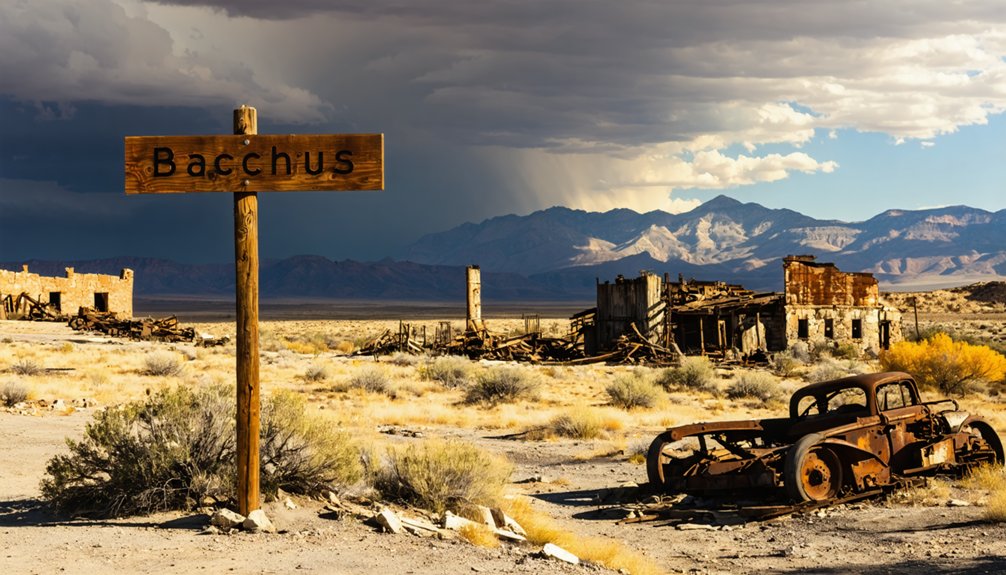
When’s the best time to hit the road to Bacchus? Spring wins, hands down. Mild temperatures make hiking through the eastern Oquirrh slopes comfortable, and seasonal activities like wildflower spotting and local wildlife watching add extra rewards to your exploration.
You’ll catch deer, raptors, and smaller desert creatures active across the hillsides before summer heat settles in.
Winter’s a hard pass. Snow and icy roads along U-111 can cut your trip short before it starts.
Summer works if you head out early morning, but afternoon heat turns ruins exploration into an endurance test.
Fall offers a decent window too, with cooler air and golden hillside colors framing Bacchus’s industrial remnants beautifully.
But spring remains your strongest bet for an unrestricted, memorable ghost town experience.
The 138-Mile Loop Starting at Bacchus and Salt Lake City’s Ghost Towns
If you’re ready to stretch the journey beyond Bacchus, a 138-mile loop connects Salt Lake City’s ghost town clusters into one rewarding day trip.
Starting along U-111, you’ll wind through the eastern Oquirrh Mountains before pushing into Utah County’s mining relics, where ghost stories and local legends cling to every crumbling foundation.
Dividend offers traces of a baseball field and golf course from its 1907 boom years, while other scattered sites reveal Utah’s raw boom-and-bust history.
Dividend’s faded baseball diamond and golf course hint at the ambitious dreams its 1907 boom briefly made real.
The loop gives you flexibility to stop, explore, and move freely at your own pace.
Pack water, fuel up before leaving Salt Lake City, and keep your camera ready.
This route rewards curious travelers who crave wide-open spaces and untamed history.
What To Pack Before You Drive Out to Bacchus
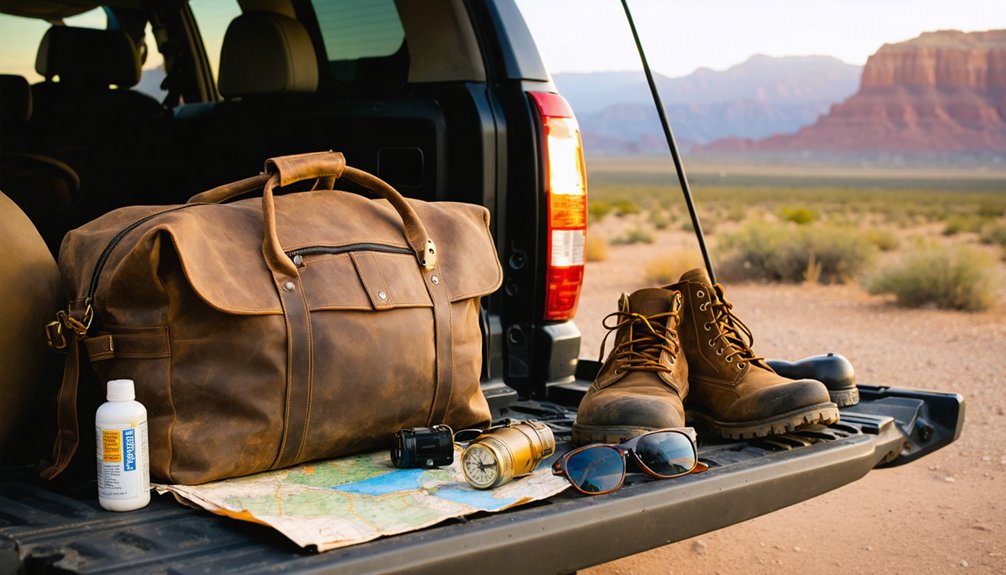
Before you hit U-111 toward the eastern Oquirrh Mountains, you’ll want to pack smart for a site where industrial ruins and remote terrain demand both curiosity and caution.
Bring sturdy boots, a detailed map or GPS device, and a first aid kit, since cell service can be unreliable along these rural Utah routes.
You’ll also want to toss in plenty of water, snacks, and a camera, because Bacchus rewards the well-prepared explorer with layers of history worth capturing.
Essential Gear For Exploration
Packing the right gear can make or break your trip out to Bacchus, where the remote terrain of the Oquirrh Mountains leaves little room for improvisation. Your exploration essentials should include sturdy hiking boots, layered clothing, and a reliable map since cell service is unpredictable along U-111.
Bring more water than you think you’ll need — the dry Utah landscape demands it.
Your ghost town gear checklist shouldn’t overlook a flashlight, first-aid kit, and a fully charged backup battery for your phone. A camera captures the industrial remnants worth documenting.
Pack snacks that sustain energy across long walking stretches. If you’re combining Bacchus with nearby sites like Dividend, prepare for a full day outdoors.
Freedom tastes better when you’re genuinely prepared for it.
Navigation And Safety Supplies
Driving out to Bacchus means trading familiar city infrastructure for the rugged eastern slopes of the Oquirrh Mountains, where cell service drops and paper maps earn their keep.
Smart navigation tips and reliable safety gear keep your freedom intact when civilization fades in the rearview mirror.
Pack these essentials before leaving Salt Lake City:
- A detailed paper map or downloaded offline GPS route covering U-111 and surrounding Oquirrh Mountain corridors
- A first aid kit, emergency blanket, and flashlight stored within arm’s reach inside your vehicle
- Extra water, a portable phone charger, and a paper notepad for marking unexpected trail splits or ruins
You’re choosing exploration over comfort, so prepare accordingly.
The ghost town rewards the self-sufficient traveler who arrives ready for anything the mountain delivers.
Frequently Asked Questions
Is There an Entrance Fee to Access the Bacchus Ghost Town Site?
Utah hosts over 200 ghost towns! You won’t pay an entrance fee to explore the Bacchus ghost town — it’s freely accessible, letting you roam industrial remnants and embrace that open, unrestricted spirit of adventure.
Are Pets Allowed When Visiting Bacchus and Nearby Ghost Town Locations?
There’s no confirmed pet policy for Bacchus or nearby ghost towns, so follow ghost town etiquette—keep pets leashed and controlled. Research pet friendly accommodations nearby before you go, ensuring your adventure stays free and respectful.
Can Visitors Legally Collect Artifacts or Souvenirs Found at Bacchus Ruins?
You shouldn’t collect artifacts at Bacchus ruins. Legal regulations protect these historical treasures, ensuring artifact preservation for future explorers. Respect the site’s rich history by leaving remnants where you find them, keeping the ghost town’s story alive!
Is There Cell Phone Service Available Along the U-111 Exploration Route?
Like a fading signal lost in the mountains, cell service coverage along U-111 can be spotty. You’ll want to download offline maps beforehand, as mobile connectivity options aren’t guaranteed in these remote Oquirrh Mountain stretches.
Are Guided Tours of Bacchus or Surrounding Ghost Towns Currently Offered?
No confirmed guided tours exist, but you’ll find self-guided exploration lets you embrace true freedom. Uncover Bacchus’s historical significance at your own pace, and seek local historical societies for guided experiences that might enhance your adventure.
References
- https://www.valleyjournals.com/2024/10/02/507818/exploring-utah-s-ghost-towns-seven-abandoned-settlements-with-fascinating-histories
- https://www.familysearch.org/en/wiki/Utah_Ghost_Towns
- https://www.youtube.com/watch?v=xwju_iKuWu8
- https://jacobbarlow.com/2020/08/23/bacchus-utah/
- https://onlineutah.us/bacchushistory.shtml
- https://mrzip66.com/2015/03/dividend-utah-ghost-town/
- https://getstories.app/atlas/place/bacchus%252c-utah-pla_53888301