Planning a ghost town road trip to Verdure, Utah means venturing into San Juan County’s rugged desert terrain to explore Utah’s oldest Mormon settlement in the Blue Mountain Region. Settled in 1887 and once known as South Montezuma, Verdure quietly shaped the founding of Monticello before fading into mystery. You’ll navigate unpaved roads, discover weathered structures, and experience a haunting stillness few travelers ever find. There’s far more to uncover about this forgotten corner of Utah history.
Key Takeaways
- Verdure, Utah, is a remote ghost town in San Juan County, best reached via unpaved desert roads several miles south of Monticello.
- Download offline maps, carry a physical compass, and note GPS coordinates before departing, as cell reception is largely nonexistent nearby.
- Pack at least one gallon of water per person daily, extra fuel, and an emergency kit for desert survival.
- Explore abandoned structures, photograph weathered buildings during golden hour, and read the historical plaque for settlement context.
- Expand your itinerary by adding nearby ghost towns like Grafton, Frisco, or Silver Reef for a multi-stop road trip.
What Makes Verdure, Utah Worth a Ghost Town Road Trip?
Tucked away in San Juan County, just south of Monticello, Verdure carries a quiet historical weight that sets it apart from Utah’s more commercialized ghost towns. Settled in 1887, it’s Utah’s oldest Mormon settlement in the Blue Mountain Region, once serving as the base for founding Monticello itself.
That pioneer legacy runs deep here, and you’ll feel it walking among the abandoned structures still standing on the landscape.
That pioneer legacy doesn’t whisper — it echoes through every weathered wall and crumbling foundation still holding its ground.
Unlike crowded tourist stops, Verdure rewards the independent traveler. You’re not funneled through a gift shop — you’re reading a historical marker, breathing desert air, and letting ghost stories embedded in vacant buildings speak for themselves.
If you crave authentic exploration over staged experiences, Verdure delivers exactly the raw, unfiltered adventure you’re looking for.
The Forgotten History Behind Verdure’s Rise and Abandonment
Before Verdure became a ghost town, it was a thriving pioneer hub that shaped the entire Blue Mountain Region. Settled in 1887, it carried pioneer stories that still echo through its abandoned structures.
You’ll discover a settlement that achieved remarkable agricultural success before fading into history.
Verdure’s rise unfolded in distinct stages:
- Pioneers established it as South Montezuma, later renaming it Verdure for its lush greenery.
- Early 1890s brought a store, school, church, and post office.
- It served as the foundation for founding nearby Monticello.
Its decline remains largely undocumented, adding mystery to every crumbling wall you’ll encounter.
Walking through Verdure means tracing a forgotten chapter of Utah’s frontier past on your own terms.
Where Is Verdure Located and How Do You Get There?
You’ll find Verdure tucked away in San Juan County, Southern Utah, just a few miles south of Monticello in a remote desert landscape that demands preparation before you hit the road.
Expect unpaved stretches where your GPS signal may vanish, so pack physical maps and a compass to navigate confidently through the rugged terrain.
While you’re out there, consider combining your visit with other nearby Utah ghost towns like Grafton to make the most of your desert road trip adventure.
Verdure’s Geographic Location
Verdure sits in San Juan County, several miles south of Monticello in southern Utah’s remote desert landscape. This abandoned pioneer town occupies rugged terrain where geographic features like red rock formations and open desert plains define the horizon.
Local wildlife roams freely across the land, adding a raw, untamed quality to your visit.
To orient yourself before heading out, remember:
- Verdure lies south of Monticello along unpaved desert roads
- San Juan County’s remote terrain demands solid navigation tools
- No cell reception exists in many surrounding areas
You’ll want detailed maps and a compass before venturing out.
The isolation makes Verdure authentic and rewarding, offering genuine freedom from crowded tourist destinations while connecting you directly to Utah’s pioneering past.
Knowing where Verdure sits on the map is one thing, but actually getting there requires some planning. Remote navigation in San Juan County means you’ll likely lose cell service, so download offline maps or pack a physical compass before you leave.
Unpaved desert roads connect this forgotten settlement to the modern world, and they demand respect — especially after rain turns them slick and treacherous.
Desert preparedness isn’t optional here. Carry extra water, fuel, and a basic repair kit, because breakdowns in remote Utah can turn adventure into emergency fast.
Start by researching Verdure’s coordinates ahead of time and identify nearby landmarks to guide you. The isolation is exactly what makes this ghost town hauntingly beautiful — but only if you arrive ready for it.
Combining Nearby Utah Destinations
Once you’ve navigated the remote roads to Verdure, you’re already deep in San Juan County’s ghost town country — and that proximity to other historic sites makes the trip worth stretching into a longer itinerary.
Combine your visit with these nearby destinations:
- Monticello — Just north, this town shares Verdure’s founding roots and offers context for local legends surrounding early Mormon settlement.
- Grafton Ghost Town — A classic Utah stop packed with photographic opportunities among dramatic canyon backdrops.
- Bluff, Utah — A living historic town with ancient ruins and petroglyphs that reward curious explorers.
Each destination adds depth without backtracking considerably.
You’re already off the beaten path, so lean into it — freedom-seekers rarely regret pushing the itinerary further into Utah’s raw, storied landscape.
What You’ll Actually Find When You Arrive in Verdure?

Although Verdure won’t dazzle you with grand ruins, it delivers something more subtle — a quiet, weathered stillness that speaks louder than any museum exhibit.
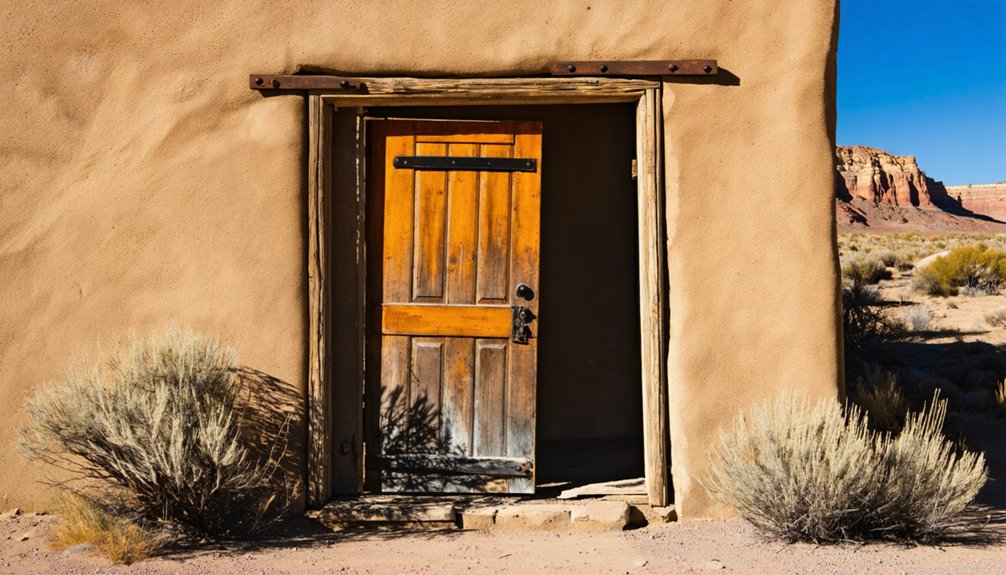
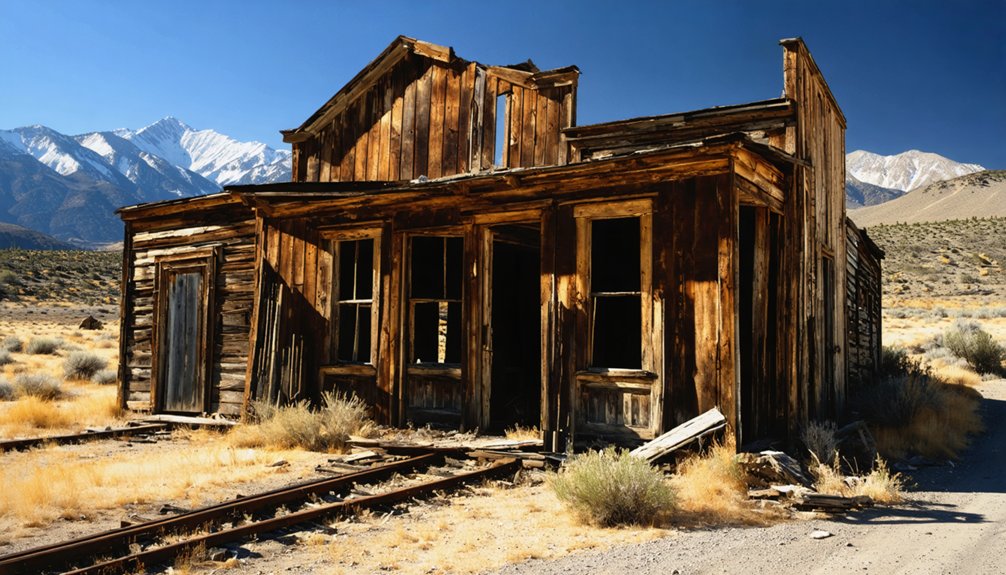
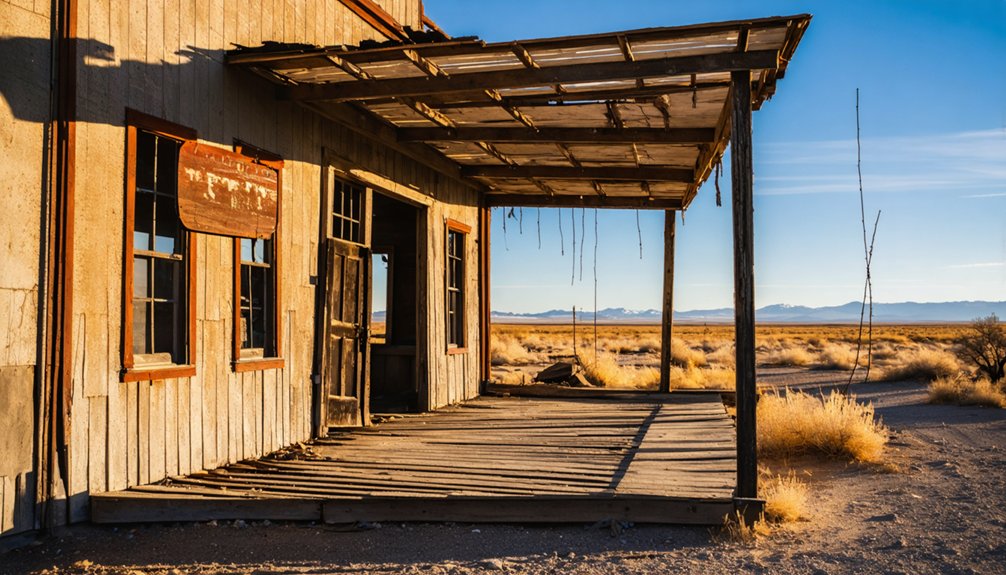
You’ll encounter a handful of abandoned structures, their aging walls telling stories of families who once carved out lives in this remote desert landscape. The eerie atmosphere settles over you immediately — no crowds, no noise, just open sky and the weight of forgotten history pressing quietly around you.
A historical plaque marks the site, offering context for what you’re witnessing. You’ll want to pause, read it carefully, and let the pioneer legacy sink in.
Bring your camera, your curiosity, and respect for what remains. Verdure rewards the thoughtful explorer who values raw, unfiltered history over polished tourist attractions.
What Are the Road Conditions Like Getting to Verdure?
Getting to Verdure means trading smooth pavement for unpaved desert roads that demand both patience and preparation. The road conditions shift dramatically once you leave Monticello behind, and the desert terrain punishes vehicles that aren’t ready for it.
Before heading out, keep these three essentials in mind:
Before heading out, pack three essentials: patience for the terrain, respect for the weather, and maps that don’t need a signal.
- Drive a high-clearance vehicle — standard sedans struggle on rutted, rocky desert terrain.
- Check weather conditions — rain transforms unpaved roads into slick, impassable mud traps.
- Download offline maps — cell reception disappears fast in this remote stretch of San Juan County.
You’re chasing freedom out here, and that freedom comes with responsibility. Slow down, respect the landscape, and let the rugged road conditions become part of the adventure rather than an obstacle against it.
Which Other Utah Ghost Towns Pair Well With Verdure?
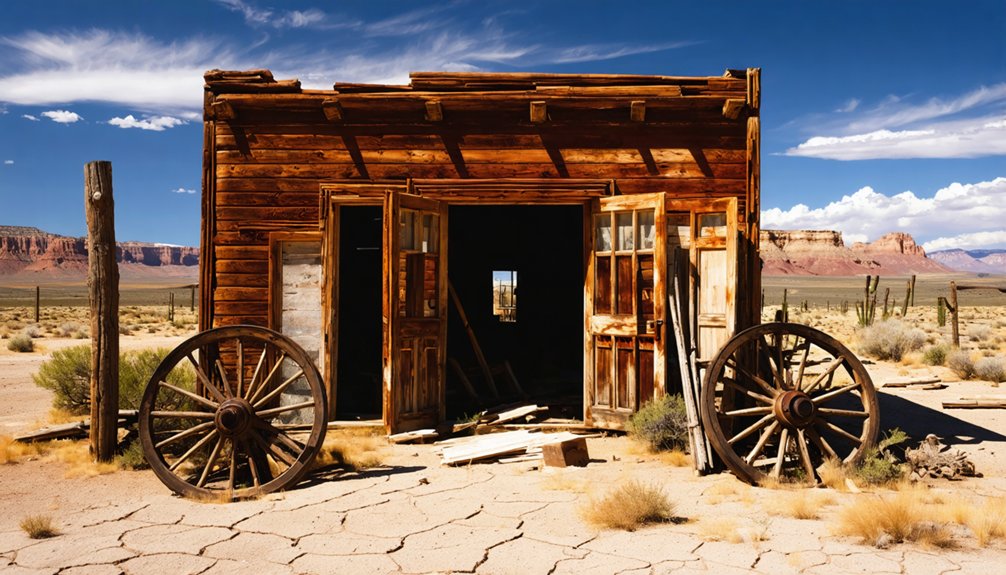
Why stop at Verdure when Utah’s ghost town circuit stretches across some of the most dramatic desert scenery in the American West?
Grafton, near Zion National Park, pairs beautifully with Verdure, offering remarkable historical significance as a Civil War-era settlement immortalized in Western films. Its preserved buildings tell stories that rival any museum exhibit.
Heading further west, Frisco delivers abandoned smelters and mine shafts wrapped in local legends about silver-rush outlaws and overnight millionaires.
If you’re chasing authenticity, Silver Reef near Leeds blends historical significance with surprisingly intact structures and documented local legends of religious tension between Mormon settlers and miners.
String these destinations together, and you’ve built a road trip that moves through Utah’s layered past with purposeful, unforgettable momentum.
How to Build a Multi-Stop Utah Ghost Town Itinerary Around Verdure
To build a memorable multi-stop itinerary around Verdure, you’ll want to start by mapping your route using reliable coordinates and offline navigation tools, since remote desert areas often leave you without cell service.
You can anchor your trip around Verdure’s southern Utah location and pair it with nearby ghost towns like Grafton to maximize your driving efficiency and historical immersion.
Plotting your stops geographically rather than randomly keeps your mileage manageable and guarantees you’re spending more time exploring abandoned structures than backtracking across the desert.
Mapping Your Ghost Town Route
Verdure makes a surprisingly strong anchor point for a multi-stop Utah ghost town itinerary, and building your route around it takes just a few smart planning steps. Its remote San Juan County location connects naturally with other historic sites across southern Utah.
Follow these steps to map your route efficiently:
- Mark Verdure first, then layer in nearby ghost towns like Grafton to the west.
- Research unpaved road conditions and download offline maps before losing cell reception.
- Identify prime stops for ghost town photography and exploring pioneer remnants during golden hour light.
You’ll want flexibility built into your schedule since desert roads can surprise you. Treat your itinerary as a living document, adjusting as conditions demand, and you’ll move freely through Utah’s forgotten history.
Pairing Verdure With Stops
Building a multi-stop ghost town itinerary around Verdure means treating it as your southern anchor rather than a detour. Start your journey further north, working your way down through San Juan County before landing in Verdure.
This sequencing lets you build momentum and saves the Verdure attractions — abandoned structures, pioneer reflections, and that unmistakable eerie stillness — for a powerful finish.
From Verdure, loop outward toward Grafton or other documented Utah ghost towns to maximize your miles. Each stop offers distinct ghost town photography opportunities, so vary your timing — early morning light hits weathered wood beautifully.
Keep your route flexible enough to linger where the story feels strongest. Freedom on the road means following your instincts, not a rigid schedule.
How Do You Visit Verdure Without Trespassing?
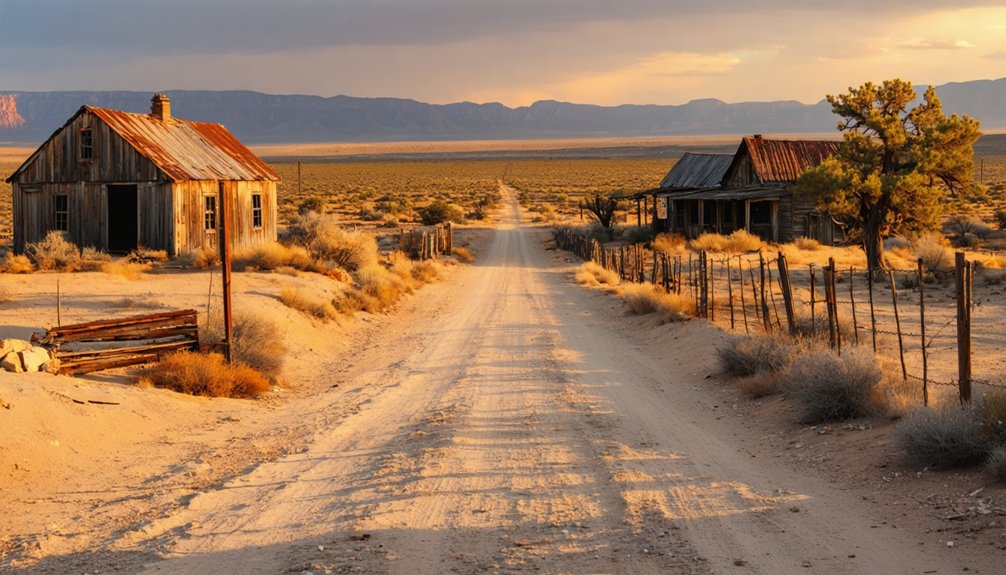
Visiting a ghost town legally takes a bit of prep work, but it’s worth every effort to keep the experience stress-free. Ghost town etiquette starts before you even arrive. Research property boundaries, confirm public access, and respect any posted signs.
Follow these three rules for respectful exploration:
- Stay on publicly accessible land and avoid fenced or posted private property.
- Leave structures, artifacts, and debris exactly as you find them.
- Pack out everything you bring in, leaving no trace behind.
Verdure’s remaining buildings carry decades of history, and your visit should honor that. You’re free to explore, photograph, and reflect without crossing legal or ethical lines.
Responsible adventurers protect these places so future road trippers can experience them too.
What to Bring for a Remote Desert Ghost Town With No Services
When you head out to Verdure, you’re venturing into a remote desert with zero services, so you’ll need to pack essential survival gear like water, food, a first-aid kit, and emergency supplies to handle harsh conditions.
You should also bring a physical map and compass, since your phone won’t pick up a signal in these no-reception zones and you can’t afford to get lost in the Utah backcountry.
Toss in a reliable flashlight, extra fuel, and sturdy footwear, because the terrain and abandoned structures demand both preparation and respect.
Essential Survival Gear
Heading out to a remote desert ghost town like Verdure means you’re responsible for bringing everything you’ll need — there are no gas stations, stores, or emergency services waiting nearby.
Desert preparedness isn’t optional here; it’s what keeps your adventure from becoming a crisis. Pack these survival essentials before you leave civilization behind:
- Water — Carry at least one gallon per person, per day; desert heat depletes you faster than you’d expect.
- Navigation tools — A physical map and compass work when your phone doesn’t.
- Emergency kit — Include a first aid kit, flashlight, extra batteries, and a multi-tool.
With the right gear loaded, you’re free to explore Verdure’s haunting landscape on your own terms.
Once you leave cell service behind, charting a course to Verdure demands old-school tools and sharp attention.
Reception challenges in San Juan County’s remote terrain make digital navigation unreliable, so don’t gamble your journey on a smartphone signal that won’t exist.
Pack these navigation tips before you roll out:
- Download offline maps using apps like Maps.me or Gaia GPS
- Carry a physical map of San Juan County roads
- Bring a quality compass and actually know how to use it
- Note GPS coordinates for Verdure before departing civilization
- Mark key waypoints including fuel stops and trailheads
The desert doesn’t forgive careless planning.
Knowing exactly where you’re headed before you lose reception transforms a potentially dangerous detour into a confident, liberating adventure toward Utah’s forgotten frontier.
What Beginners Should Know Before Their First Utah Ghost Town Visit
Before you set foot in your first Utah ghost town, a little preparation goes a long way. These sites reward respectful, informed visitors who understand ghost town etiquette and historical preservation.
Here’s what every beginner should keep in mind:
- Stay on public land — research property boundaries before arrival to avoid trespassing on privately owned ruins.
- Leave everything untouched — removing artifacts disrupts historical preservation efforts and may carry legal consequences.
- Start with accessible sites — well-documented ghost towns like Grafton build confidence before tackling remote destinations like Verdure.
You’ll also want sturdy footwear, extra water, and a flexible mindset.
Desert conditions shift quickly, and structures can be unstable. Approach each site with curiosity and respect, and you’ll walk away with stories worth telling.
Frequently Asked Questions
Is Verdure, Utah Suitable for Children or Family-Friendly Visits?
Verdure’s got a spirited charm, but it’s light on child friendly activities and family friendly accommodations. You’ll navigate rugged terrain and remote conditions, so weigh your family’s adventure readiness before commencing on this eerie, freedom-filled journey.
Are There Any Guided Tours Available for Verdure Ghost Town?
You won’t find official guided tours at Verdure, but you’re free to explore its historic significance independently. Uncover local legends yourself as you wander through abandoned structures, embracing the untamed spirit of this remote Utah ghost town.
What Is the Best Time of Year to Visit Verdure, Utah?
Spring and fall are your best bets for visiting Verdure, when golden light bathes abandoned structures and mild temperatures enhance seasonal activities. You’ll avoid summer’s scorching heat and winter’s bitter cold, making weather considerations effortless for your adventure.
Has Verdure, Utah Ever Been Featured in Films or Television?
We don’t have confirmed records of Verdure’s film history or television appearances, but its eerie abandoned structures and rich pioneer past make it a compelling, undiscovered gem you’d love exploring on your next freedom-seeking adventure.
Are There Any Nearby Camping Options Close to Verdure, Utah?
Like a wandering pioneer seeking shelter, you’ll find camping amenities and outdoor activities near Monticello’s Canyonlands area. It’s your gateway to freedom — pitch your tent, explore the desert wilderness, and let Verdure’s haunting stories fuel your adventure.
References
- https://www.onlyinyourstate.com/experiences/utah/vacant-destination-2024-ut
- https://saltlake.citycast.fm/explainers/this-ghost-town-was-once-one-of-the-oldest-mormon-settlements-in-utah
- https://www.youtube.com/watch?v=JDIhYM_i-vU
- https://www.youtube.com/watch?v=heENcGmQFXY
- https://www.deseret.com/utah/2023/1/21/23549285/utah-ghost-towns-mormon-history/
- https://www.visitutah.com/things-to-do/history-culture/ghost-towns
- https://tredcred.com/blogs/trail/off-road-to-the-past-utah-s-best-4-4-trails-leading-to-historic-ghost-towns