Planning a ghost town road trip to Baltimore, Vermont starts with timing your visit for late September or October, when fall foliage transforms the landscape into something truly cinematic. You’ll want sturdy boots, a paper map, and a vehicle with decent clearance for unpaved roads. GPS signals weaken out here, so prepare offline maps before you go. Baltimore’s stone foundations and cellar holes tell a forgotten story — and there’s far more to uncover ahead.
Key Takeaways
- Baltimore, Vermont, in Windsor County, offers abandoned stone foundations and overgrown pathways representing rural depopulation trends of the 19th and early 20th centuries.
- Access Baltimore via Route 20 through Springfield, then northwest on Baltimore Road; download offline maps as GPS signals may weaken.
- Visit in late summer or fall, particularly September and October, for dry trails, crisp air, and dramatic foliage.
- Pack waterproof hiking boots, a paper map, compass, first aid kit, headlamp, rain gear, and a backup battery for emergencies.
- Extend your road trip by visiting nearby ghost towns like Ricker Basin, Glastenbury, West Castleton, and Greenbanks Hollow.
What’s Left of Baltimore, Vermont Today?
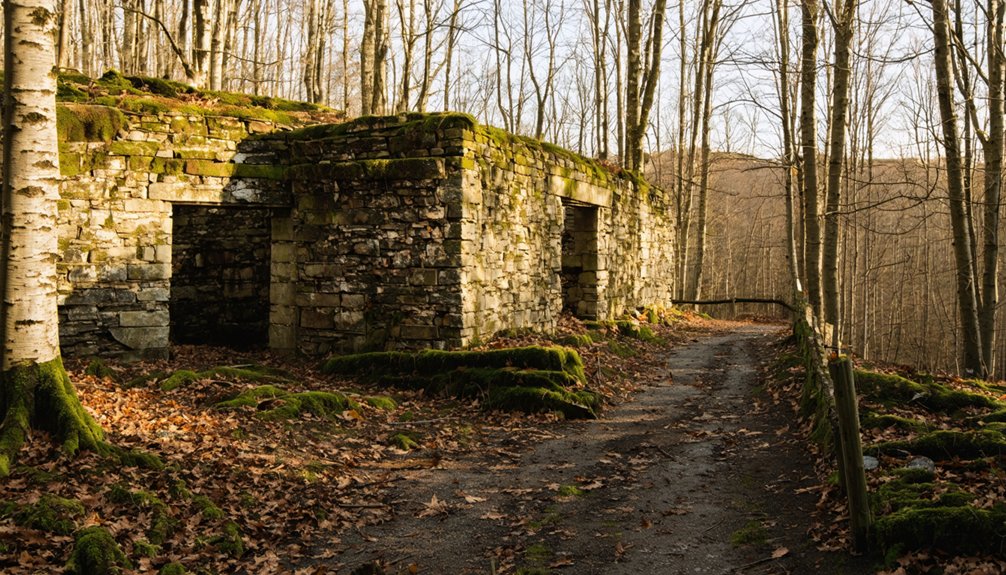
Though Baltimore, Vermont barely registers on most maps today, what remains of this quiet Windsor County hamlet tells a story of rural depopulation that swept through New England in the 19th and early 20th centuries.
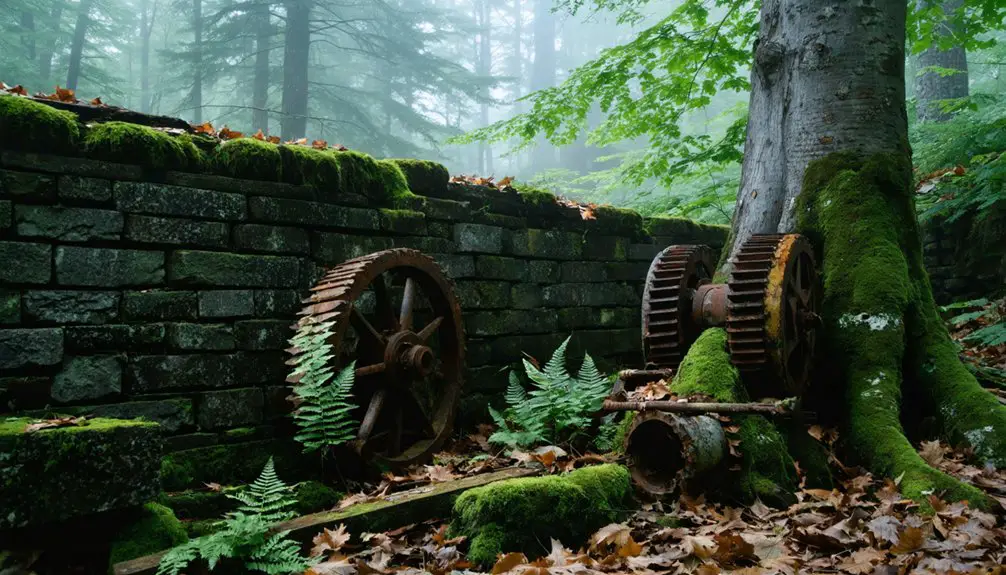
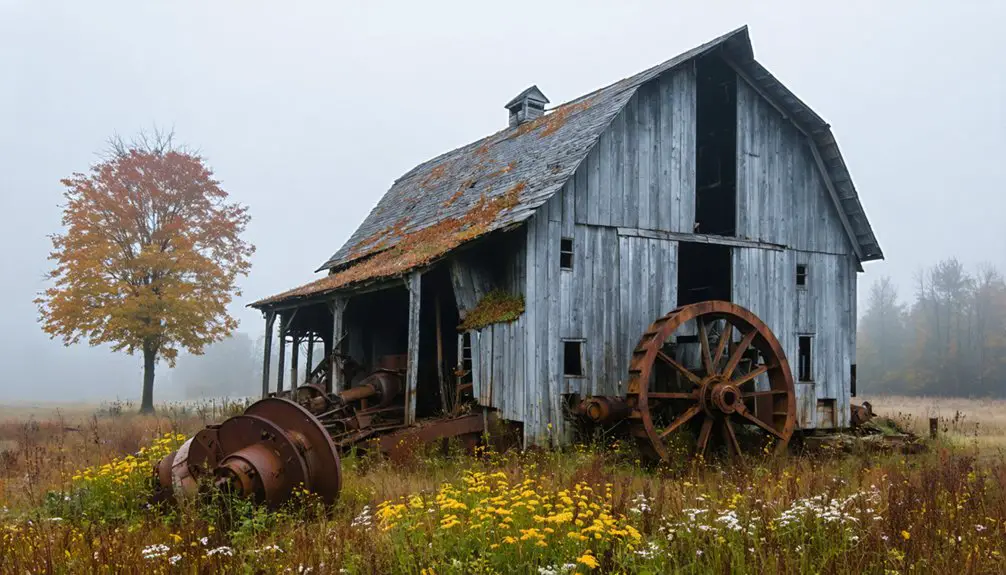
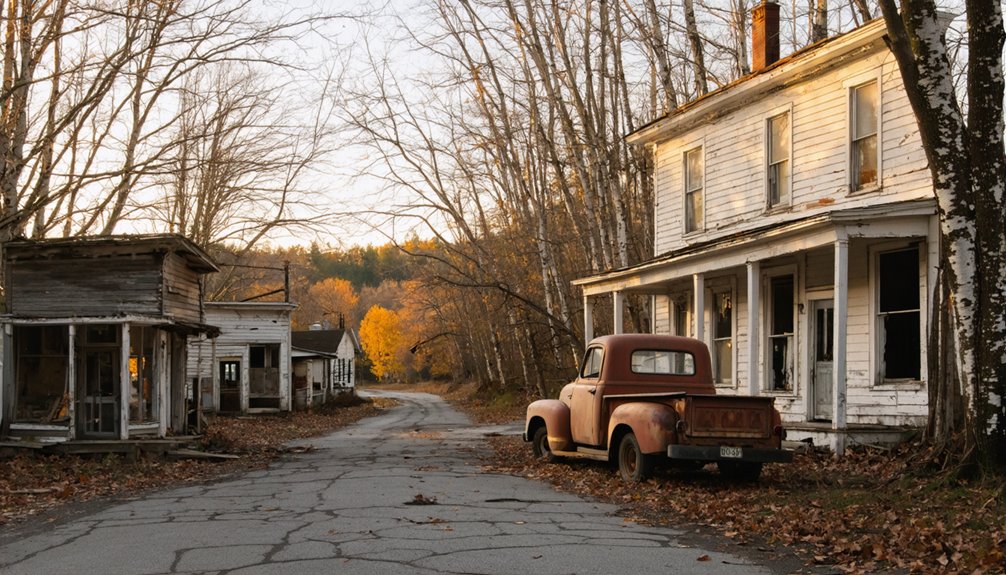
When you visit, you’ll find scattered abandoned structures slowly surrendering to the surrounding woodland — stone foundations, cellar holes, and overgrown pathways that once connected a living community. The landscape feels unhurried, almost forgotten, and that’s precisely its appeal.
Local legends add another layer to your exploration, hinting at why families quietly disappeared from this hollow over generations. You won’t find tourist infrastructure here, so come prepared to read the land itself.
Baltimore rewards the curious traveler willing to look beyond the obvious and piece together history from what’s left behind.
How to Get to Baltimore, Vermont?
Baltimore, Vermont sits tucked away in Windsor County, and reaching it means embracing the kind of back-road navigation that defines true Vermont exploration. Your directions overview starts on Route 20, threading through Springfield before heading northwest toward Baltimore Road.
GPS signals weaken out here, so download offline maps before leaving civilization behind.
A few travel tips worth keeping in mind: drive a vehicle with decent clearance, especially after rain softens the unpaved stretches. Road conditions shift seasonally, and mud season in early spring can make access genuinely challenging.
Plan your arrival during daylight hours since the surrounding woods offer zero lighting after sunset.
Cell service disappears quickly, so fuel up, pack water, and tell someone your itinerary. Freedom tastes best when you’ve prepared for it.
When Should You Actually Make This Trip?
Once you’ve mapped your route and prepped your vehicle, your next decision shapes the entire experience: timing. The best seasons for this ghost town road trip are late summer and fall. September and October deliver crisp air, dramatic foliage, and eerie atmospheres that make abandoned settlements feel genuinely haunting.
Timing shapes everything. September and October bring crisp air, vivid foliage, and atmospheres that make ghost towns feel genuinely haunting.
Trails stay dry, visibility through thinning trees improves, and the landscape amplifies every local legend you’ve read about.
Avoid mud season in early spring — roads near rural sites like Baltimore and Glastenbury become unreliable. Winter access is often impossible without serious gear. Summer works but dense foliage hides structural details worth seeing.
Fall remains your strongest choice, striking the perfect balance between accessible trails, stunning scenery, and that unmistakable sense of stepping into Vermont’s forgotten past.
What to Pack for a Vermont Ghost Town Trip
- Wear sturdy, waterproof hiking boots for uneven, overgrown terrain.
- Carry a paper map and compass since cell service disappears fast.
- Pack a first aid kit, headlamp, and extra batteries.
- Bring layers, rain gear, and enough water for extended trail time.
Abandoned structures look tempting but they’re unstable, so keep your distance and respect posted boundaries.
A fully charged backup battery for your phone handles emergencies without weighing you down.
Pack light, pack smart, and you’ll move freely through Vermont’s forgotten landscapes without unnecessary setbacks slowing your exploration.
Vermont Ghost Towns to Pair With a Baltimore Road Trip
Pairing a stop in Baltimore, Vermont with nearby ghost towns turns a simple rural detour into a layered historical journey. Each site adds its own character, making the road trip richer with every mile.
Try Ricker Basin hiking through Little River State Park, where abandoned structures emerge between the trees. Head south toward Glastenbury legends surrounding the infamous Bennington Triangle, where unexplained disappearances still fuel local mystery.
West Castleton history inside Bomoseen State Park reveals a once-thriving slate industry reduced to atmospheric ruins. Round out your route with Greenbanks Hollow exploration, where a preserved covered bridge anchors a forgotten mill town.
Together, these stops create a compelling circuit through Vermont’s past, connecting you to communities that time quietly swallowed.
Frequently Asked Questions
Is Baltimore, Vermont Officially Recognized as a Ghost Town by the State?
Vermont hasn’t officially granted Baltimore a state recognition as a ghost town under any formal ghost town definition. You’ll find it’s sparsely documented, so embrace the freedom of discovering its abandoned remnants through your own adventurous exploration.
Were There Any Notable Historical Events That Caused Baltimore’s Population Decline?
What drives a town to silence? Baltimore, Vermont’s decline isn’t well-documented, but you’ll find that shifting population trends and broader economic factors — like rural depopulation patterns — likely contributed to its abandonment over time.
Can You Camp Overnight Near the Baltimore, Vermont Ghost Town Site?
You’ll want to check local camping regulations before pitching your tent near Baltimore, Vermont. Nearby campgrounds in the region offer you a free-spirited base to explore this mysterious ghost town at your own pace.
Are There Guided Tours Available Specifically for Baltimore, Vermont Exploration?
Oceans of mystery await, but you won’t find official guided experiences for Baltimore, Vermont. It’s so underdocumented that even local guides rarely venture there — you’ll forge your own thrilling, independent path through its sparse, forgotten remnants.
What Native American History Is Connected to the Baltimore, Vermont Area?
You’ll find limited documented Native tribes history tied directly to Baltimore, Vermont, but the region’s cultural heritage reflects Abenaki presence throughout Vermont’s landscape, shaping the land’s spiritual significance long before European settlers arrived.
References
- https://www.vermonter.com/ricker-basin-vermont-ghost-town/
- https://www.youtube.com/watch?v=2fvPo9iQC-w
- https://en.wikipedia.org/wiki/List_of_ghost_towns_in_Vermont
- https://www.onlyinyourstate.com/experiences/vermont/ghost-town-vt
- https://usghostadventures.com/americas-most-haunted-trending/ghost-towns-to-visit-on-your-summer-road-trip-along-route-66/
- https://vermontcountry.com/2022/09/18/ghost-town/
- https://www.tripadvisor.com/Attractions-g28966-Activities-c47-t14-Vermont.html
- https://www.youtube.com/shorts/XscDUowXsqI