Planning a ghost town road trip to Jumbo, Oklahoma means heading deep into the Kiamichi Mountains of Pushmataha County, where a forgotten asphalt-mining settlement still hides scattered remnants from the early 1900s. You’ll navigate rural gravel roads off US-271 N, about 200 miles from Dallas and 180 from Oklahoma City. Bring offline maps, high-clearance vehicle, and extra supplies since cell service nearly disappears out there. Everything you need to explore Jumbo safely and legally is just ahead.
Key Takeaways
- Jumbo, Oklahoma, is located in the Kiamichi Mountains of southeastern Oklahoma, roughly 200 miles from Dallas and 180 miles from Oklahoma City.
- The town formed around 1906 following an 1888 asphalt discovery, later declining due to economic shifts and lack of railroad access.
- Access requires navigating rural gravel roads off US-271 N; high-clearance vehicles are recommended, especially after rainfall.
- Pack offline maps, emergency car supplies, water, snacks, and a first-aid kit, as cell service is unreliable in the area.
- Much land is privately owned, so respect “No Trespassing” signs and research county records to identify legal public access points.
What Was Jumbo, Oklahoma?
Nestled in the Impson Valley of Oklahoma’s Kiamichi Mountains, Jumbo was a small Pushmataha County community that sprang to life around 1906, fueled by an asphalt vein discovered in the area back in 1888.
Deep in Oklahoma’s Kiamichi Mountains, Jumbo rose from an 1888 asphalt discovery, becoming a Pushmataha County community by 1906.
Sitting within the former Choctaw Nation territory, this settlement rode the wave of Oklahoma’s resource boom before fading into obscurity by the 1950s.
Jumbo history mirrors the story of roughly 2,000 other Oklahoma ghost towns — places that thrived during economic booms, then buckled when the money dried up.
The population eventually dropped by 80%, meeting the classic ghost town threshold.
Unlike fully abandoned sites, though, Jumbo left behind community remnants worth exploring.
If you’re drawn to raw, unfiltered history off the beaten path, Jumbo delivers exactly that.
The Asphalt Boom That Built Jumbo
The asphalt vein that put Jumbo on the map was first discovered in 1888, cutting through the Impson Valley nearly two decades before the town itself took shape. That discovery sparked a mining legacy worth understanding before you make the drive out here.
Miners and settlers flooded the Kiamichi Mountains chasing the promise of asphalt history in the making. By around 1906, Jumbo had officially formed, built on the backs of laborers extracting raw material from the earth beneath the valley floor.
The work was hard, the returns uncertain, and when the boom faded, so did the population.
What you’ll find today are the quiet echoes of that rush — a landscape shaped by industry and slowly reclaimed by the forested hills surrounding it.
Why Did Jumbo Become a Ghost Town?
When the asphalt boom dried up, Jumbo didn’t stand a chance. The town’s entire identity was tied to its mining history, and once the economic factors shifted, people left fast.
When the asphalt dried up, so did Jumbo — its identity too tied to mining to survive the shift.
You’ll find this story repeated across Oklahoma’s 2,000 ghost towns — a resource gets discovered, a community springs up, then the money vanishes.
For Jumbo, the asphalt vein that sparked its founding around 1906 simply couldn’t sustain long-term growth.
No railroad connection sealed its fate further. Without reliable infrastructure, businesses couldn’t survive, and families followed the work elsewhere.
Where Is Jumbo, Oklahoma’s Forgotten Ghost Town?
You’ll find Jumbo tucked deep in the Impson Valley of the Kiamichi Mountains, within the remote stretches of Pushmataha County in southeastern Oklahoma.
This rugged, forested corner of the state sits on what was once Choctaw Nation territory, far from any major urban center.
To reach it, you’ll navigate rural roads off US-271 N, with Antlers serving as your best nearby stop for supplies before pushing into the backcountry.
Jumbo’s Remote Oklahoma Location
Nestled deep in the Kiamichi Mountains of southeastern Oklahoma, Jumbo sits in the Impson Valley of Pushmataha County, roughly 200 miles from Dallas and about 180 miles from Oklahoma City.
This remote wilderness location places you far from crowded tourist traps, surrounded by dense forests and rugged terrain that once drew miners and settlers seeking fortune.
You’re venturing into former Choctaw Nation territory, adding layers of historical significance to every mile you travel.
Paved roads carry you to the Pushmataha County seat of Antlers, but expect gravel roads as you close in on the site.
The valley’s isolation is exactly what makes this journey worthwhile — you’ll experience authentic Oklahoma backcountry while uncovering a forgotten community that quietly thrived, then faded, over a century ago.
Navigating To Pushmataha County
Getting to Pushmataha County requires choosing your starting point wisely, and two main routes make the journey straightforward.
From Dallas, take I-30 East to US-271 North through Paris, Texas, rolling into Antlers, Oklahoma after roughly 200 miles.
From Oklahoma City, head east on I-40 toward Wilburton, then drop south on OK-2 toward Clayton, covering about 180 miles total.
Both drives deliver stunning scenic views through forested hills and open countryside that reward the independent traveler.
Expect paved roads into Pushmataha County’s seat, but road conditions shift once you push deeper toward Impson Valley — gravel and rural tracks demand a capable vehicle.
Stop in Antlers for fuel and supplies before venturing further.
Budget three to four hours from either city, depending on your pace and exploration stops.
How to Reach Jumbo From Dallas or Oklahoma City
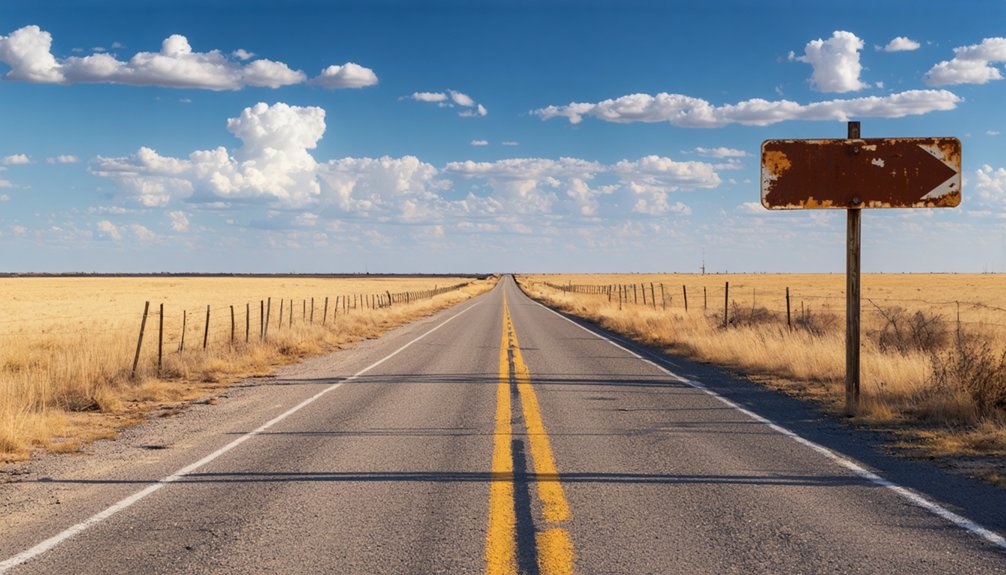
Reaching Jumbo, Oklahoma takes roughly 3 to 4 hours from either Dallas or Oklahoma City, and both routes reward you with scenic stretches through the Kiamichi Mountains before you arrive.
From Dallas, take I-30 East to US-271 North through Paris, Texas, then continue into Antlers, Oklahoma, covering around 200 miles. Stock up on supplies in Antlers before heading deeper into the county.
From Dallas, follow I-30 East to US-271 North, passing through Paris, Texas before reaching Antlers, Oklahoma — roughly 200 miles total.
From Oklahoma City, drive I-40 East toward Wilburton, then drop south on OK-2 toward Clayton, totaling roughly 180 miles.
Both routes carry genuine historical significance, passing through former Choctaw Nation territory where local attractions like mountain trails and remnant mining sites dot the landscape.
Keep your tank full and your maps downloaded — cell service gets thin fast out here.
What Survives at Jumbo Today: Structures, Roads, and Remnants
When you arrive at Jumbo, you’ll likely find scattered remnants of its asphalt-mining past, including weathered structures and foundations that hint at the community’s early 1900s activity.
You can navigate most of the area via rural roads, though some access points shift to gravel as you close in on the site.
Keep your eyes open for old building shells and overgrown lots, since Jumbo never fully emptied out and retains more physical evidence than many of Oklahoma’s completely abandoned ghost towns.
Standing Structures And Remnants
Few ghost towns reward curious explorers quite like Jumbo, where scattered remnants of its early 1900s asphalt-mining past still cling to the Impson Valley landscape.
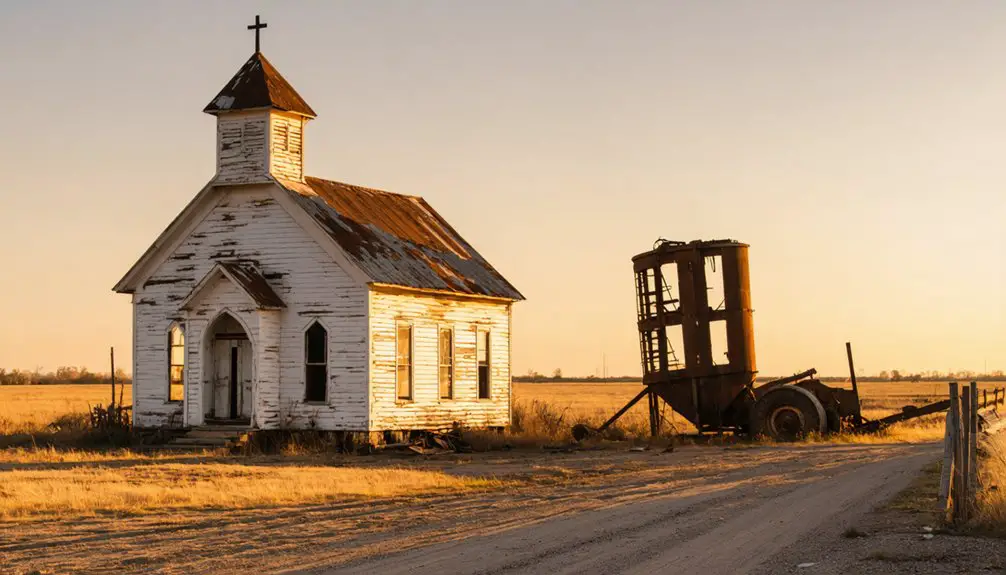
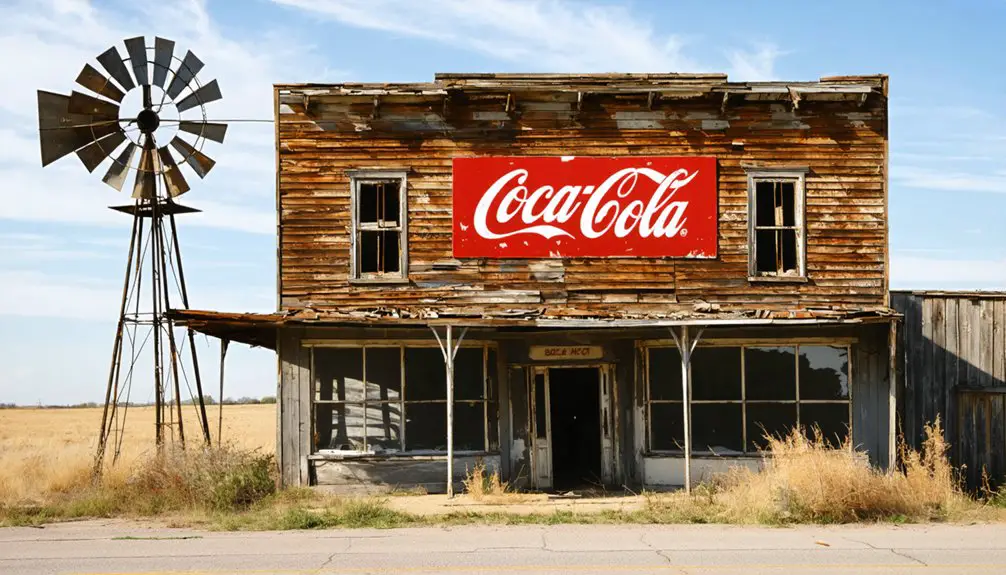
You’ll likely encounter abandoned structures that speak volumes about the town’s historical significance, from weathered foundations to crumbling outbuildings that once supported a thriving mining community.
Unlike completely vanished sites, Jumbo retains enough physical evidence to spark your imagination.
You can trace where buildings once stood, spot old roadbeds cutting through the forest, and discover artifacts half-swallowed by decades of vegetation.
The Kiamichi Mountains’ dense woodland now frames these remnants beautifully, creating an eerie yet compelling atmosphere.
Always respect posted property boundaries, as much of this land remains privately owned.
Bring a camera, because what you’ll find here genuinely deserves documentation.
Navigable Roads And Access
Getting to Jumbo requires some navigational patience, but the route breaks down cleanly once you understand the layers. From Dallas, take I-30 East to US-271 North through Paris, Texas, then push into Antlers, Oklahoma — your last reliable supply stop.
From Oklahoma City, I-40 East toward Wilburton, then OK-2 South toward Clayton gets you close.
Road conditions shift noticeably once you leave the county seat. Paved roads carry you through most of Pushmataha County, but the final access points into Impson Valley likely convert to gravel or dirt. After rain, those stretches turn unpredictable fast.
Drive something with clearance. Keep offline maps downloaded — cell coverage thins out deep in the Kiamichi Mountains. Freedom out here is real, but it rewards preparation over impulse.
Kiamichi Mountains Stops to Pair With Your Jumbo Visit
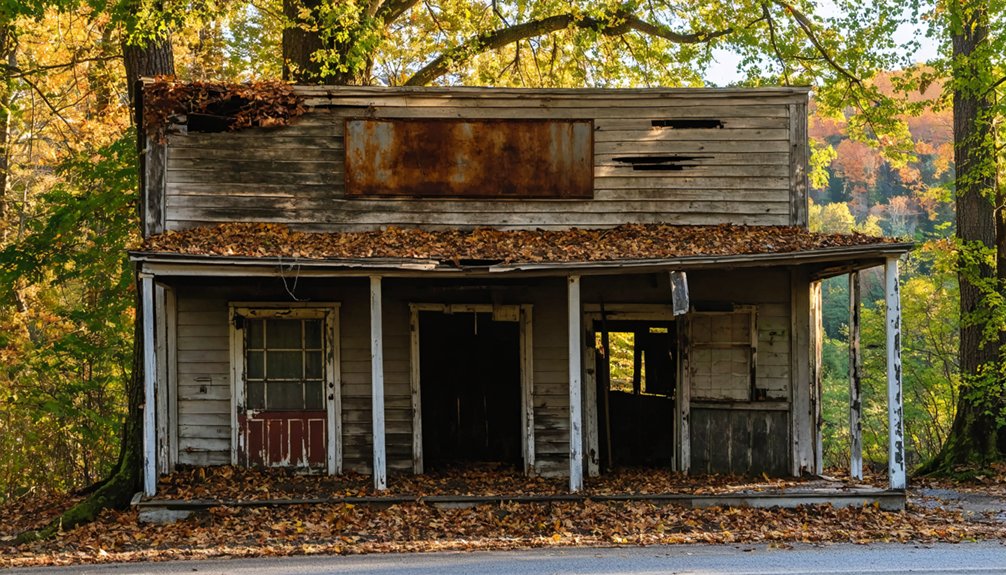
The Kiamichi Mountains surrounding Jumbo aren’t just a backdrop — they’re a destination in their own right, packed with hiking trails, scenic overlooks, and forested valleys that make your ghost town detour feel like a full adventure.
Pair your visit with some Kiamichi hiking along the trails near Clayton Lake State Park, where dense woodland gives way to open ridgelines worth every step. You’ll find scenic viewpoints that stretch across the valley, putting Impson Valley’s rugged beauty into sharp perspective.
Stop at Sardis Lake for a quick break or overnight camp if you’re extending your trip. These natural stops transform a single ghost town visit into a rewarding regional exploration, letting you move freely through one of Oklahoma’s most untamed and historically rich corners.
What to Pack for Jumbo’s Remote Forest Roads
Reaching Jumbo means trading smooth highways for gravel backroads that wind through dense Kiamichi forest, so what you bring can make or break the trip.
Smart packing essentials keep you self-sufficient when cell service vanishes and the nearest town is miles behind you.
The right gear keeps you independent when signal fades and civilization feels worlds away.
- Navigation tools – Download offline maps before leaving; rural navigation here demands a physical backup like a printed county map since signals drop fast.
- Emergency car kit – Pack a spare tire, jumper cables, and a tow strap; gravel roads punish unprepared vehicles.
- Supplies for the day – Carry extra water, snacks, a first-aid kit, and rain gear since Kiamichi weather shifts quickly.
Own your adventure by staying prepared and you’ll explore freely without setbacks.
Which Ghost Towns Near Jumbo Are Worth a Detour?
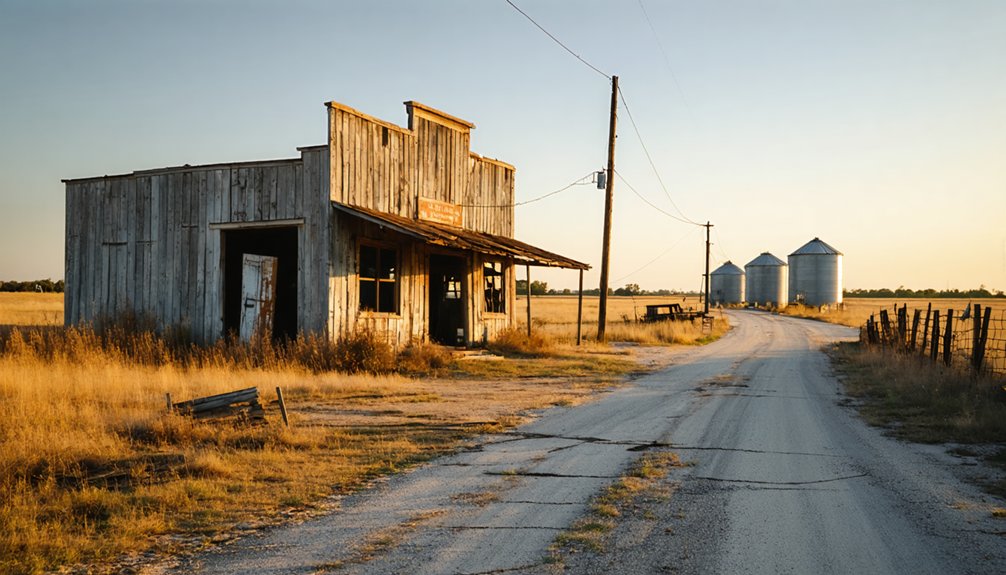
Once you’ve combed through Jumbo’s asphalt-mining remnants, southeastern Oklahoma’s ghost town trail doesn’t have to end there.
Gotebo, further west, offers abandoned structures worth photographing, while Picher’s toxic legacy gives it undeniable historical significance as one of America’s most contaminated evacuated towns. Both deliver nearby attractions that contrast sharply with Jumbo’s quiet valley setting.
Closer to the Kiamichi Mountains, explore forgotten Choctaw Nation settlements where crumbling foundations tell stories of displacement and resilience.
Abandoned cemeteries scattered throughout Pushmataha County reward curious travelers with raw, unfiltered history.
You’re already deep in remote Oklahoma — stretch that freedom further.
Map a loose route connecting two or three sites, keep your tank full, and let the region’s layered past reveal itself mile by mile.
Can You Actually Explore Jumbo Without Getting in Trouble?
Before you wander through Jumbo’s remnants, you’ll need to understand that much of the land in rural Pushmataha County is privately owned, making legal access a real concern.
You should look for posted “No Trespassing” signs and respect them fully, since crossing onto private property without permission can result in fines or worse.
If you want a legitimate exploration experience, contact local landowners in advance or stick to publicly accessible roads and viewpoints that let you take in the valley without risking legal trouble.
Legal Access Considerations
Exploring Jumbo means traversing a patchwork of land ownership that can quickly turn an adventure into a legal headache.
Property rights in rural Oklahoma are fiercely protected, and legal boundaries aren’t always marked clearly. Stay smart and free by following these essentials:
- Research land ownership through Pushmataha County records before you go — identify public versus private parcels.
- Watch for posted signs — “No Trespassing” notices carry legal weight in Oklahoma, and ignoring them risks fines or arrest.
- Contact local landowners directly for permission — most appreciate respectful requests and may even share local history.
You’re chasing freedom through forgotten places, but crossing the wrong boundary flips that freedom into a confrontation.
Preparation keeps your adventure moving forward, not backward into legal trouble.
Respecting Private Property
Knowing the legal lines is one thing — actually walking them in the field is another. Property boundaries in rural Pushmataha County aren’t always fenced or posted, but that doesn’t mean you’re free to roam.
Local laws still apply, and ignorance won’t protect you from a trespassing charge. Watch for posted signs, respect fence lines, and when in doubt, knock on a nearby door.
Landowners in small communities often respond better to honest curiosity than to strangers already on their land. You’ll find that a simple conversation can open gates — literally.
True freedom out here means moving smart, not reckless. Respecting what belongs to others keeps your road trip from turning into a legal headache you didn’t see coming.
Frequently Asked Questions
Is There Cell Phone Service Available Near Jumbo’s Remote Forest Location?
Don’t let silence catch you off guard! Cell service availability is spotty in Jumbo’s remote forests, so you’ll face real remote communication challenges. Download offline maps and carry a satellite communicator before you venture out.
Are Guided Ghost Town Tours of Jumbo Offered by Local Operators?
You won’t find formal guided tours at Jumbo, but you can explore its historical significance independently. Discover ghost stories yourself as you roam freely through this remote Oklahoma valley, uncovering asphalt mining remnants on your own terms.
What Is the Best Time of Year to Visit Jumbo?
You’ll find the best weather in spring or fall, when mild temperatures make exploring Jumbo’s asphalt remnants and valley views ideal. Seasonal attractions like vibrant foliage and wildflowers transform the Kiamichi Mountains into an unforgettable, freedom-filled adventure.
Are There Overnight Camping Options Near Jumbo for Extended Visits?
Like a pioneer staking wilderness claims, you’ll find freedom camping near Jumbo. Beavers Bend State Park offers camping amenities, while local wildlife roams the Kiamichi Mountains, making your extended ghost town adventure truly unforgettable.
Does Jumbo Appear on Modern GPS Navigation Systems or Maps?
You’ll likely find Jumbo’s ghost town history barely registered on modern GPS systems, so don’t rely solely on apps. Embrace local legends by grabbing paper maps and asking knowledgeable residents for authentic directions instead.
References
- https://www.okhistory.org/publications/enc/entry?entry=GH002
- https://en.wikipedia.org/wiki/List_of_ghost_towns_in_Oklahoma
- https://okcfox.com/news/local/oklahomas-secret-past-ghost-towns-of-oklahoma
- https://woodvineandoaks.com/jumbo-oklahoma/
- https://www.youtube.com/watch?v=xg8SpCG-wDg