Planning a ghost town road trip to Bodie, Washington takes you deep into Okanogan County’s remote Highlands, where a forgotten gold rush mill town waits along Toroda Creek Road. You’ll find crumbling log structures, scattered mining artifacts, and the haunting ruins of a stamp mill — all without crowds or interpretive signs. Visit in spring, summer, or fall for the best access. There’s far more to this historic corner of Washington than most travelers ever discover.
Key Takeaways
- Bodie, located in northeastern Okanogan County, Washington, is a historic gold rush ghost town accessible via Toroda Creek Road from Wauconda, about 12 miles away.
- Visit during spring, summer, or fall, as winter snow makes access nearly impossible and road conditions can be challenging.
- Bring water, snacks, sturdy boots, layered clothing, and a first aid kit, as Bodie is a remote and isolated location.
- Avoid entering any dilapidated buildings due to compromised structural integrity, and respect the fragile historic site throughout your visit.
- Extend your road trip by exploring nearby historic mining sites in Okanogan County, including Wauconda, Curlew, and Ferry County ghost towns.
What Is Bodie, Washington and Why Visit?
Tucked into the far northeastern corner of Okanogan County, Washington, Bodie is a ghost town that once thrived as a gold rush mill town at the turn of the 20th century.
Named after the nearby Bodie Mine, this small settlement sat along Toroda Creek, where miners extracted gold and pyrite using stamp mill mining techniques that defined the era.
Bodie history tells a classic American story — a rapid boom, decades of hard work, and an inevitable bust.
Boom, toil, and silence — Bodie’s story is the American frontier distilled to its rawest truth.
If you crave open roads, untouched history, and the freedom to explore forgotten places on your own terms, Bodie delivers.
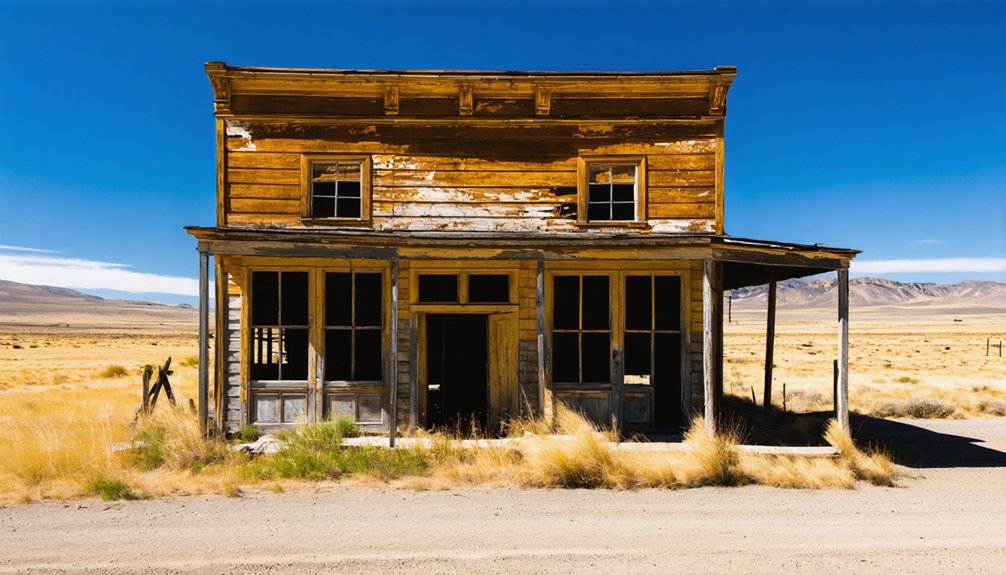
You’ll walk among weathered log buildings and rusted equipment that quietly speak to a vanished way of life worth discovering.
How Bodie Went From Gold Rush Boomtown to Ghost Town
Bodie’s story didn’t begin as a ghost town — it began with a gold strike in 1896 that sent prospectors flooding into the Toroda Creek valley. That boomtown history unfolded fast, fueled by gold mining, ambition, and the promise of fortune.
Here’s how the dream unraveled:
- The post office opened in 1898, signaling a real, thriving community.
- The Perkins Milling Company employed nearly every resident during peak years.
- Main mines closed around 1917, draining the town’s lifeblood.
- WWII government orders halted non-essential industries, delivering another brutal blow.
- The mill burned down in 1962, erasing what little remained.
What started as possibility ended in silence.
Walking through Bodie today, you feel that tension between what was and what’s left behind.
What’s Left to See at Bodie Ghost Town Today?
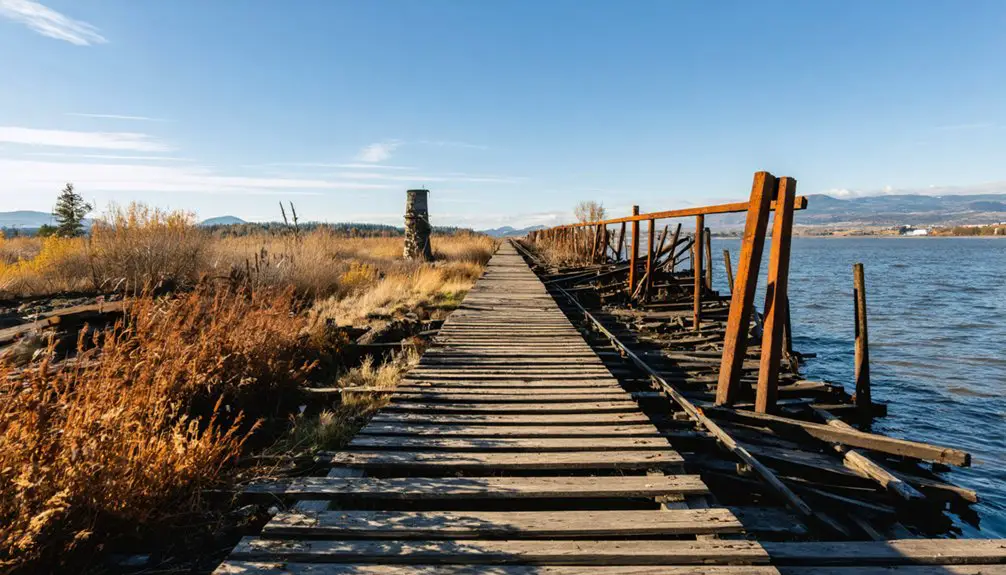
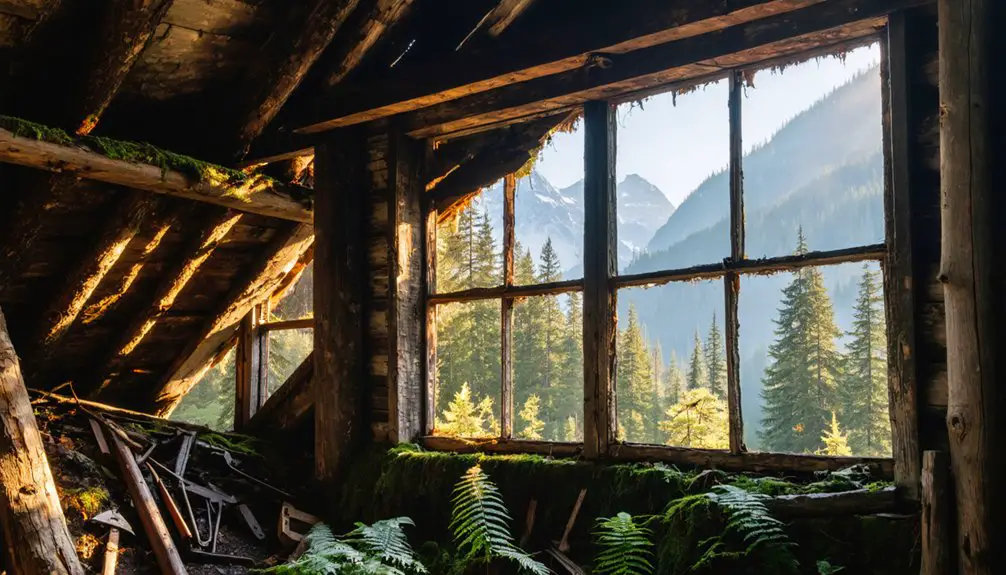
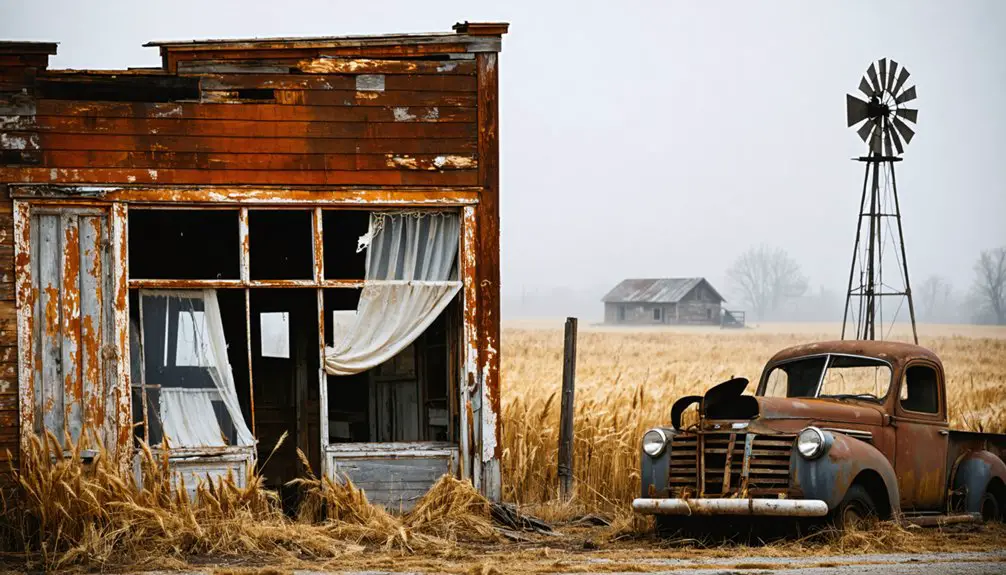
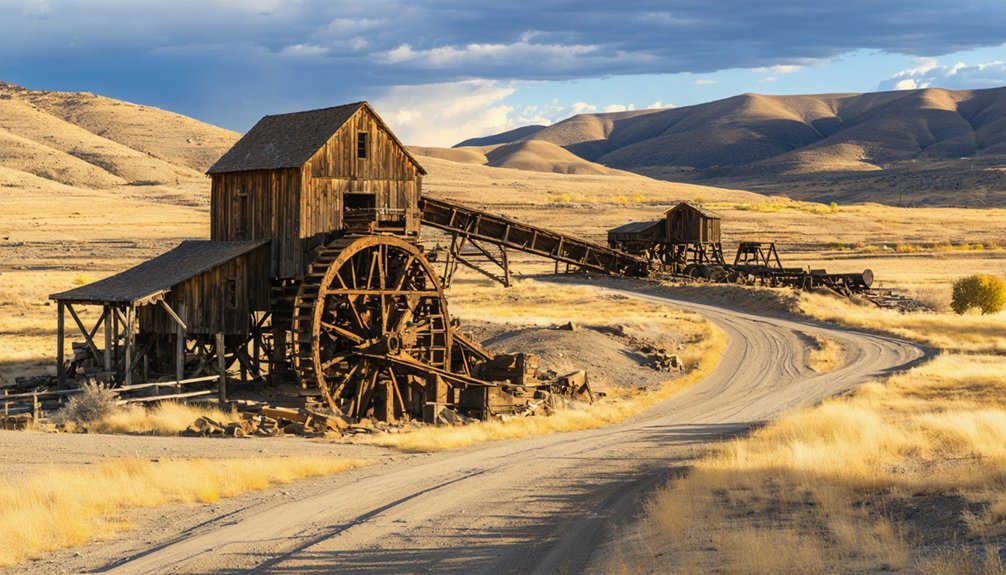
What remains of Bodie today is spare but haunting — a handful of dilapidated log buildings standing alongside Toroda Creek Road, each one weathered by decades of hard winters and neglect.
The Bodie ruins won’t overwhelm you with grandeur, but they’ll stop you cold with atmosphere.
The Bodie ruins won’t dazzle you — but they’ll root you in place, heavy with atmosphere.
You’ll find mining artifacts scattered across the site, silent remnants of the stamp mill that once thundered through the valley processing gold ore.
The mill itself burned down in 1962, leaving behind broken equipment and abandoned structures slowly reclaimed by the landscape.
No interpretive signs or crowds compete for your attention here.
You’re free to walk the grounds, study the weathered logs, and piece together the story yourself — exactly the kind of raw, unfiltered history that makes ghost town exploration worth the drive.
How to Get to Bodie, Washington From Wauconda
Getting to Bodie takes you through some of the most quietly beautiful backcountry in northeastern Washington.
Head north from Wauconda on Toroda Creek Road toward Curlew, and after about 12 miles, you’ll find this remnant of Bodie history sitting quietly on the east side of the road.
- Feel the isolation deepen as paved roads give way to gravel
- Watch Toroda Creek shadow your route through golden hills
- Spot the dilapidated log buildings emerging through the tree line
- Imagine the roar of stamp mills and old mining techniques that once shattered this silence
- Stand where hundreds of gold rush workers once lived and labored
Your standard two-wheel drive handles the road fine, but take it slow on gravel.
Spring, summer, and fall offer the best conditions.
The Best Time of Year to Visit Bodie
Timing your visit to Bodie makes all the difference between a rewarding adventure and a frustrating dead end. The best seasons to explore this ghost town are spring, summer, and fall, when Toroda Creek Road remains passable and the landscape truly comes alive.
Winter snow buries the site and makes access nearly impossible, so you’ll want to plan accordingly.
Spring offers lush creek scenery, while summer gives you long daylight hours to photograph abandoned structures and mining artifacts at your own pace.
Fall delivers stunning foliage that frames the old log buildings beautifully.
Check local events in nearby Curlew and Wauconda before heading out, as regional festivals can make your road trip even richer.
Plan smart, and Bodie rewards your curiosity generously.
What to Bring for a Day Trip to Bodie Ghost Town
Everything you pack for a Bodie day trip shapes how comfortably and safely you’ll explore this remote Washington ghost town. Nail your packing essentials, and you’ll move freely through history without regret.
- Water and snacks – No services exist nearby, so bring enough to fuel your adventure.
- Sturdy boots – Uneven terrain and weathered structures demand solid footing.
- Camera and extra batteries – Photography tips start here; golden hour light transforms these ruins dramatically.
- Layered clothing – Mountain temperatures shift fast, especially near Toroda Creek.
- First aid kit – Remote locations reward prepared explorers, not reckless ones.
Respect the site, stay aware of fragile structures, and let curiosity drive your exploration. Bodie rewards those who arrive ready.
Safety Tips for Walking Through Bodie’s Abandoned Structures
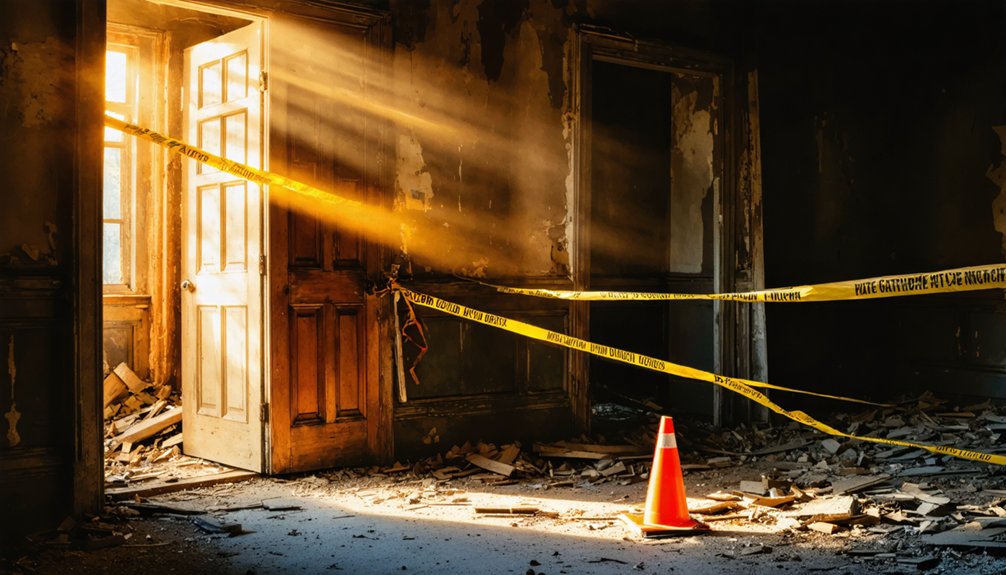
Packing right gets you to Bodie prepared, but once you’re walking among its weathered log buildings and rusted equipment, smart movement keeps you safe. These structures have stood for over a century, and their structural integrity is compromised in ways that aren’t always visible.
Don’t enter any building, regardless of how solid it appears from outside.
Wear your safety gear — sturdy boots protect against rusty nails and uneven ground, while gloves prevent cuts from jagged metal and splintered wood.
Watch where you step around foundations, as soft soil can hide collapsed floors or open pits. Keep children close and pets leashed.
Photograph everything from a respectful distance rather than climbing on artifacts. Bodie rewards the curious explorer who moves deliberately and respects the fragile history beneath every footstep.
Nearby Ghost Towns Along Toroda Creek Road Worth Seeing
While you’re cruising Toroda Creek Road, you won’t want to skip Wauconda, a nearby ghost town just 12 miles south of Bodie that shares the same boom-and-bust mining heritage.
Continue north toward Curlew, and you’ll discover historic mining sites that tell their own fascinating stories of gold rush ambition and eventual abandonment.
These stops transform your Bodie day trip into a rich, full-day journey through northeastern Washington’s forgotten mining past.
Wauconda Ghost Town Nearby
If you’re already making the drive along Toroda Creek Road to Bodie, you’d be doing yourself a disservice to skip Wauconda, a nearby ghost town sitting about 12 miles to the south.
Wauconda history runs deep, and like many ghost towns, it tells a raw story of ambition, hardship, and abandonment.
Stop here and let the silence remind you what real freedom once looked like:
- Walking streets where miners once chased golden dreams
- Photographing weathered structures frozen in time
- Feeling the weight of lives built and abandoned overnight
- Breathing mountain air untouched by modern noise
- Connecting with a vanished community on your own terms
Pair Wauconda with Bodie, and you’ve got yourself an unforgettable ghost town road trip through Washington’s forgotten northeast corner.
Curlew’s Historic Mining Sites
Just a few miles north of Bodie along Toroda Creek Road, Curlew’s historic mining sites offer another compelling stop on your ghost town road trip through Okanogan County.
Curlew history runs deep, shaped by the same gold rush era that built and ultimately abandoned Bodie. You’ll find remnants of mining heritage scattered throughout the surrounding landscape, telling stories of fortune-seekers who carved their lives into these rugged hills.
The area gives you a genuine sense of what boom-and-bust living looked like in Washington’s northeastern frontier. Exploring Curlew’s sites alongside Bodie creates a fuller picture of the region’s past, letting you connect the dots between neighboring communities that once thrived on gold, grit, and determination before time quietly reclaimed them.
Other Mining Sites and Historic Stops Near Bodie
The road that leads you to Bodie doesn’t have to end there — the surrounding Okanogan County holds several other historic mining sites and stops worth exploring on the same trip.
You’re already deep in ghost town country, so keep going and soak it all in.
- Wauconda — a quiet crossroads with deep frontier roots
- Curlew — a living town shaped by historic mining heritage
- Ferry County ghost towns — raw, windswept, and largely forgotten
- Toroda Creek corridor — a scenic stretch hiding abandoned homesteads
- Okanogan Highlands backroads — where every turn reveals another lost story
You’ll feel the weight of time pressing down on you at every stop.
This entire region breathes boom-and-bust history — don’t rush through it.
Why Bodie Belongs on Every Washington Ghost Town Road Trip
Bodie earns its place on any Washington ghost town road trip because it delivers something rare — a site where the bones of an entire mining era still stand.
You’ll find Bodie legends woven into the landscape itself, from the crumbling log structures to the ghost of a stamp mill that once shook the valley floor. Mining folklore runs deep here, carried through stories of gold strikes, ambitious miners, and a company town that rose and fell within a single generation.
Unlike heavily restored sites, Bodie stays raw and honest, giving you direct contact with history rather than a curated version of it.
If you crave authentic exploration and open roads leading somewhere meaningful, Bodie belongs on your itinerary.
Frequently Asked Questions
Is There an Admission Fee to Visit Bodie Ghost Town?
Free as the open road itself, you’ll pay no admission fee to explore Bodie! Roam freely, immerse yourself in Bodie history, and capture stunning ghost town photography without spending a dime.
Are Pets Allowed When Exploring Bodie’s Abandoned Structures?
The knowledge doesn’t specify pet policies, but you’ll want to prioritize pet safety and practice proper ghost town etiquette by keeping your furry companion leashed, away from unstable structures, and respectful of this historic treasure.
Can Visitors Legally Take Artifacts or Souvenirs From Bodie?
Sure, stuff your pockets! Just kidding — you can’t take anything. Respect Bodie’s artifact preservation and historical significance by leaving every relic untouched, ensuring future explorers enjoy the same authentic, freedom-inspiring ghost town experience you’re savoring today.
Is Camping Permitted Near the Bodie Ghost Town Site?
The knowledge doesn’t specify camping regulations directly at Bodie, but you’ll find nearby campgrounds along Toroda Creek Road. Explore your freedom by setting up camp close by and experiencing this hauntingly beautiful ghost town on your own terms!
Are There Guided Tours Available at Bodie Ghost Town?
Like a time capsule waiting to be opened, Bodie’s past speaks for itself! No formal guided tours exist, but you’ll uncover ghost town legends and rich Bodie history through self-guided exploration of its hauntingly preserved abandoned structures.
References
- https://en.wikipedia.org/wiki/Bodie
- https://www.tripadvisor.com/Attraction_Review-g58650-d7175300-Reviews-Bodie_Ghost_Town-Okanogan_Washington.html
- https://www.facebook.com/TVW.org/videos/my-favorite-places-bodie-ghost-town/3296682287328429/
- https://www.trailchick.com/bodie-ghost-town/
- https://www.facebook.com/groups/northidaholife/posts/3645031209074260/
- https://www.youtube.com/watch?v=JaCRKivIsv4
- https://www.youtube.com/watch?v=Nc_Jjo1OY0I
- https://www.youtube.com/watch?v=-R1cgCYE1F8
- https://www.ghosttowns.com/states/wa/bodie.html
- https://www.youtube.com/watch?v=nsybjJAurq0