Planning a ghost town road trip to Riverside, Washington means heading into the remote Okanogan Highlands, where crumbling foundations and rusted artifacts tell stories of abandoned ambitions. You’ll want a high-clearance vehicle, solid navigation tools, and supplies stocked up in Tonasket before venturing out. Visit between late spring and early fall for the best road access and lighting. Nearby towns like Curlew, Chesaw, and Republic can round out an unforgettable multi-stop adventure you won’t want to miss.
Key Takeaways
- Riverside, Washington, sits roughly 150 miles northwest of Spokane via US-395 and WA-20, requiring a high-clearance or four-wheel-drive vehicle.
- Visit between late spring and early fall when snowmelt opens unpaved roads and daylight hours maximize exploration time.
- The site features scattered foundation outlines and rusted artifacts reclaimed by nature, offering authentic ghost town exploration without interpretive signage.
- Stock up on fuel, food, and supplies in Tonasket before heading northeast, as facilities and gas stations become scarce.
- Nearby towns Chesaw, Curlew, and Republic offer historic sites, fossil hunting, and scenic stops to complete a full road trip itinerary.
What Makes Riverside, Washington Worth the Drive?
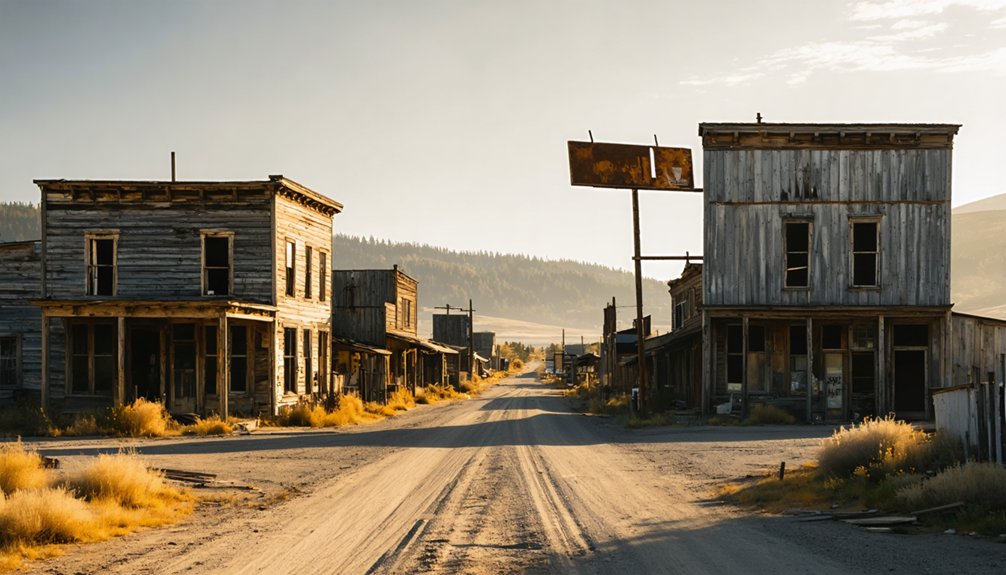
Though little remains of Riverside, Washington beyond crumbling foundations and rusted relics swallowed by vegetation, that’s precisely what makes it compelling.
You’re not visiting a sanitized museum—you’re stepping directly into ghost town history, unfiltered and raw.
Riverside’s mining heritage tells an honest story about ambition, resource depletion, and eventual abandonment. Gold and silver once drove real people to carve a community from the Okanogan Highlands, and you can feel that weight standing among the overgrowth.
There’s no interpretive signage guiding your experience, no crowds diluting the atmosphere. You navigate on your own terms, interpreting what you find.
For anyone craving genuine exploration over curated tourism, Riverside delivers exactly that—a direct, unmediated connection to a forgotten chapter of Washington’s past.
How to Get to Riverside From Seattle or Spokane
Whether you’re heading out from Seattle or Spokane, reaching Riverside takes some planning but rewards you with stunning Okanogan Highlands scenery.
From Seattle, you’ll drive roughly 350 miles northeast, picking up WA-20 before shifting onto unpaved forest roads that demand a high-clearance vehicle.
Spokane travelers enjoy a shorter haul, connecting through Route 97 to link the region’s ghost towns into one seamless road trip.
Seattle Route Overview
Reaching Riverside from Seattle means settling in for a roughly 350-mile drive northeast, but the scenery makes every mile worthwhile. You’ll head east on US-2, cutting through the Cascade Mountains where the Seattle scenery shifts dramatically from dense evergreen forests to open, sun-baked highlands.
From there, connect to US-97 North through Wenatchee and Okanogan before picking up WA-20 toward the Okanogan Highlands.
Pack your road trip essentials before leaving the city — water, snacks, a paper map, and a high-clearance vehicle for the unpaved forest roads ahead. The drive takes approximately six hours without stops, but you’ll want to pull over. The landscape demands it.
Budget extra time, embrace the open road, and let the journey itself become part of the adventure.
Spokane Driving Directions
Spokane offers a shorter, more eastern approach to Riverside — roughly 150 miles northwest along US-395 North to WA-20 West.
You’ll cut through rolling farmland and pine-studded ridgelines before the highway narrows into the Okanogan Highlands.
Keep your driving tips practical: fuel up in Republic, since gas stations thin out considerably past that point.
From WA-20, you’ll shift onto unpaved forest roads, so a high-clearance vehicle isn’t optional — it’s essential.
For scenic stops, pull over near the Kettle River corridor outside Curlew, where the water moves fast and the tree canopy feels almost theatrical.
The final stretch into Riverside feels remote, even raw.
That isolation isn’t a warning — for the freedom-seeking traveler, it’s the whole point.
What’s Left to See at the Riverside Ghost Town Site?
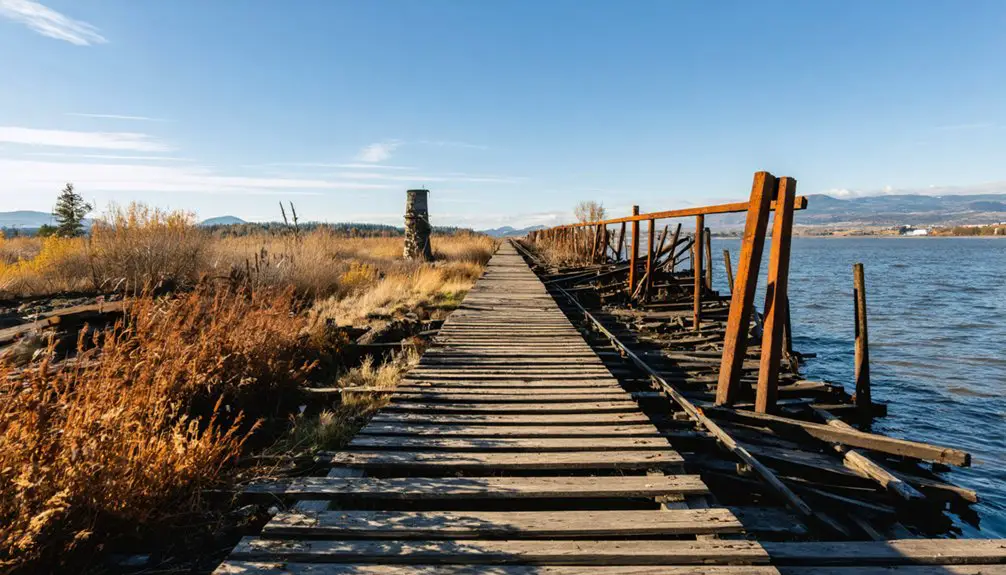
When you arrive at the Riverside ghost town site, you’ll find only scattered foundation outlines and rusted metal artifacts hinting at the community that once thrived here.
Nature has largely taken over, with dense vegetation reclaiming the ground where buildings once stood.
You can still piece together the town’s rough layout by tracing the remaining stone and concrete foundations beneath the encroaching brush.
Remaining Foundations And Artifacts
Few traces of Riverside’s once-bustling mining community remain, but what’s left tells a quiet, powerful story of the town’s past.
As you explore the site, you’ll notice remnant structures reduced to crumbling foundation outlines half-buried beneath encroaching vegetation. These modest remains carry genuine historical significance, marking where miners once lived, traded, and chased fortune.
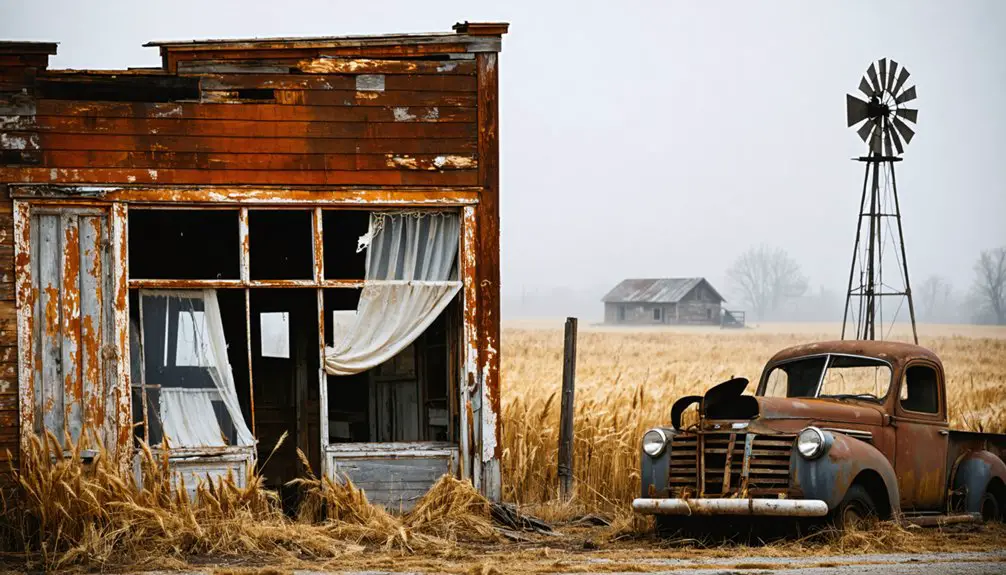
Scattered across the ground, you’ll spot rusted metal fragments and weathered debris — tangible connections to an era that shaped the entire Okanogan Highlands.
No interpretive signs guide your experience here, so you’re free to interpret the landscape on your own terms. Bring a camera, because the contrast between nature’s reclamation and humanity’s fading footprint creates striking visuals.
Walk carefully, stay observant, and let the silence do the storytelling.
Vegetation Reclaiming The Site
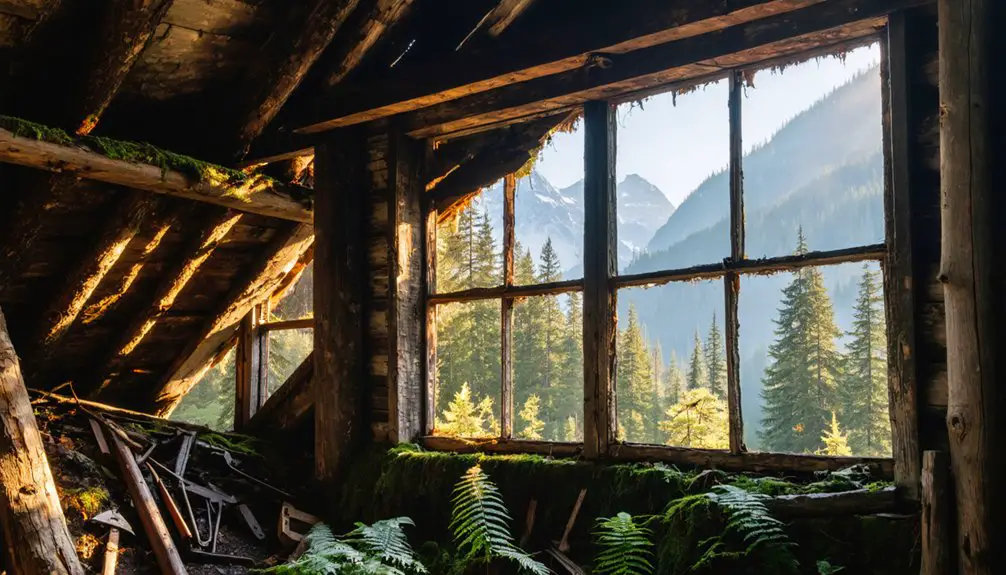
Nature has quietly but decisively taken back what miners once claimed at Riverside, and the transformation is striking. You’ll find dense shrubs, wild grasses, and young conifers pushing through cracked soil where storefronts and cabins once stood.
This ghost town ecology tells its own layered story — one written in roots and branches rather than timber and iron.
Historical reclamation moves slowly but relentlessly here. Saplings split apart old foundation edges, and ground cover swallows rusted artifacts with each passing season.
If you look carefully, you’ll spot subtle depressions marking former building footprints beneath the vegetation.
Bring a keen eye and your camera. The contrast between encroaching wilderness and stubborn remnants of human ambition creates a quietly powerful scene worth experiencing before nature erases it entirely.
Best Time of Year to Visit Riverside, Washington
Timing your visit to Riverside, Washington can make the difference between an accessible adventure and a frustrating dead end.
Late spring through early fall offers your best window — snow melts by May, opening the unpaved forest roads that high-clearance vehicles need to reach the site.
Late spring through early fall is your golden window — May snowmelt unlocks the unpaved roads leading to Riverside.
Summer delivers long daylight hours, ideal for exploring foundation outlines and capturing compelling photography tips in action, especially during golden hour when soft light highlights rusted metal against reclaimed vegetation.
Avoid winter entirely; roads become impassable and dangerous.
Fall brings dramatic seasonal attractions — rich amber foliage frames the decaying remnants beautifully, rewarding patient photographers.
If you’re planning a broader ghost town road trip connecting Curlew, Chesaw, and Republic, aim for June through September for the most reliable and rewarding experience.
What to Pack for the Unpaved Roads Into Riverside
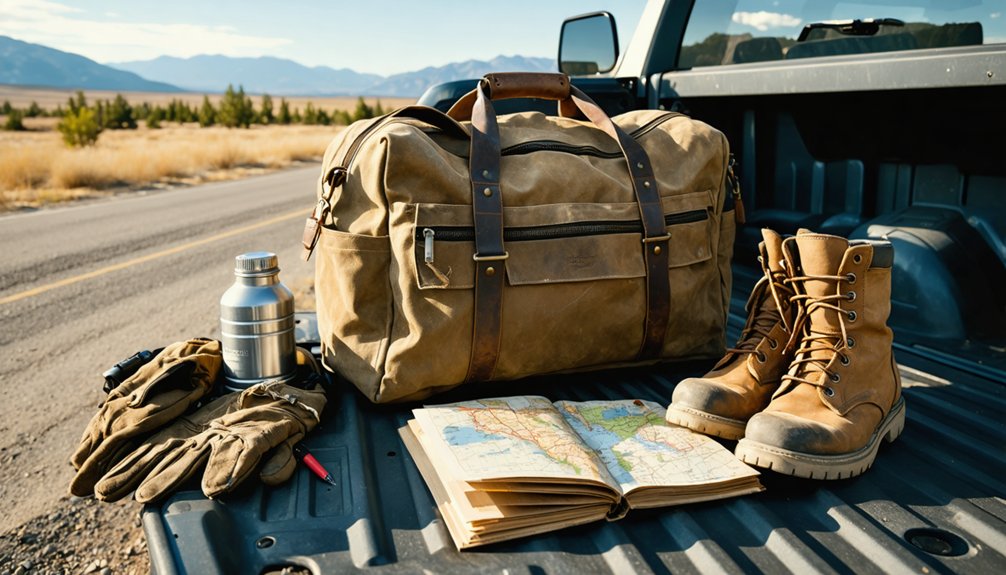
Reaching Riverside means trading smooth pavement for rutted forest roads, so packing smart isn’t optional — it’s essential. Your vehicle requirements start before you even load the trunk — you’ll need high-clearance, preferably four-wheel drive, to handle the uneven terrain off WA-20.
For packing essentials, bring a spare tire, tow strap, and a basic tool kit. Washboard roads punish unprepared vehicles fast. Carry extra water, snacks, and a printed map since cell service disappears quickly in the Okanogan Highlands.
A first-aid kit, flashlight, and emergency blanket round out your safety gear.
Wear sturdy boots for walking uneven ground among scattered artifacts and foundation outlines. You’re exploring true wilderness here — the freedom feels real, but only if you’ve prepared for what the road demands.
Ghost Towns Near Riverside Worth Adding to Your Route
Once your gear’s loaded and you’re ready to roll, Riverside doesn’t have to be your only stop — the surrounding Okanogan Highlands hold several ghost towns worth weaving into your route.
Riverside is just the beginning — the Okanogan Highlands are full of ghost towns waiting to be explored.
Expand your itinerary and let the open road take you deeper into the region’s forgotten history:
- Chesaw – Explore Chesaw history through its iconic small-town rodeo roots and remnants of a once-thriving mining community, just 33 miles east.
- Curlew – Curlew attractions include the historic Ansorge Hotel and the scenic Kettle River, sitting 21 miles south.
- Republic – Hunt fossils at Boot Hill or browse the Toni Sloane Museum.
- Tonasket – Restock, grab a meal, and browse antique shops along the Okanogan River.
Route 97 connects them all seamlessly.
How to Turn Riverside Into a Multi-Stop Ghost Town Trip
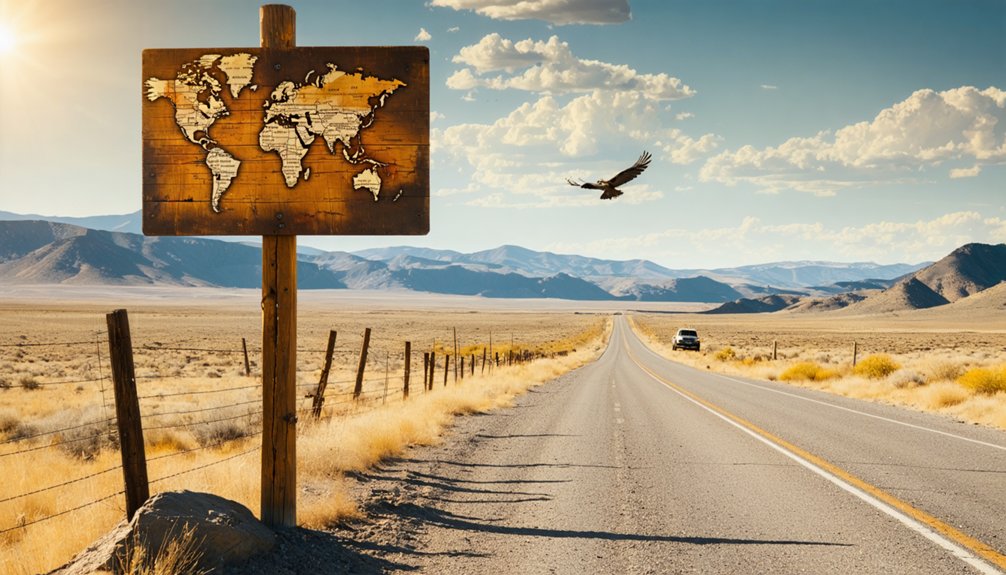
With Route 97 threading these towns together, turning your Riverside visit into a full multi-stop road trip is straightforward.
Start in Tonasket for supplies, then head northeast to Riverside for ghost town photography among scattered foundations and rusted artifacts that tell the region’s mining history story.
From there, push east to Chesaw, where the historic rodeo grounds add cultural texture to your journey.
Drop south to Curlew to photograph the Ansorge Hotel beside the Kettle River, then swing through Republic for fossil hunting and the Toni Sloane Museum’s thorough exploration into regional heritage.
Each stop layers another chapter of the Okanogan Highlands’ boom-and-bust past onto your experience.
You’re not just driving roads — you’re tracing the arc of an entire era’s rise and collapse.
Where to Stop for Food, Gas, and a Bed Near Riverside
Practical logistics matter out here, and Tonasket — roughly 40 miles southwest of Riverside — is your best bet for stocking up before you hit the unpaved roads.
You’ll find solid food options, gas stations, and overnight accommodations there before civilization fades. Curlew, just 21 miles south, also offers limited supplies worth checking.
Here’s what to lock down before departing:
- Fuel up in Tonasket — gas stations become scarce fast heading northeast
- Grab meals from Tonasket’s restaurants along the Okanogan River corridor
- Book lodging early — motels fill quickly during summer road trip season
- Pack extra water and snacks — Riverside has zero facilities on-site
Don’t underestimate the remoteness. A little preparation keeps your freedom intact rather than stranding you miles from help.
How to Explore Riverside and Other Ghost Towns Safely
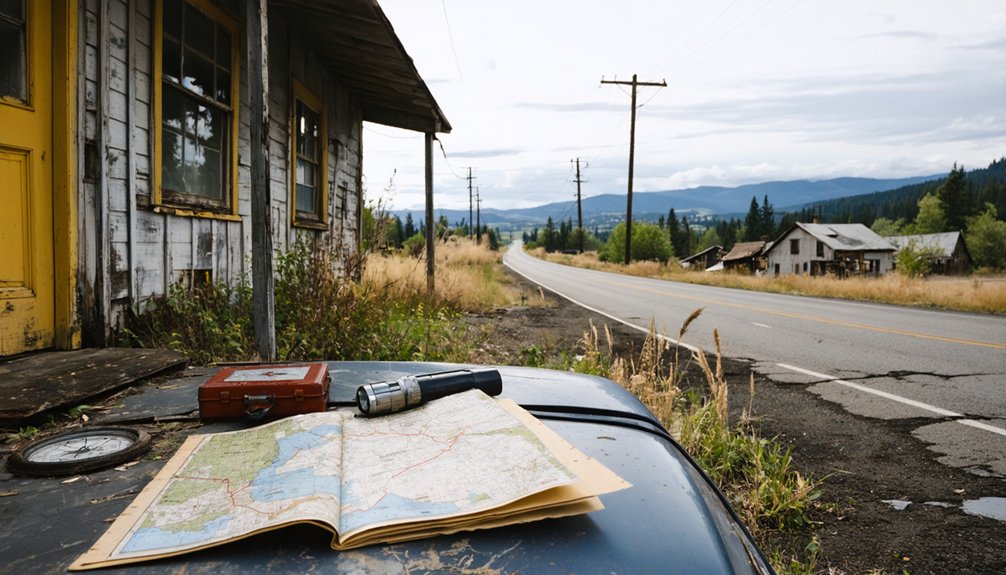
Exploring ghost towns like Riverside rewards the prepared and punishes the careless.
You’ll want a high-clearance vehicle, solid navigation tools, and enough water and fuel to handle the unpaved forest roads without depending on nearby services. Cell service drops fast out here.
Once you’re on-site, respect what’s left. Ghost town preservation depends on visitors who look without disturbing.
Don’t pocket artifacts — those rusted remnants represent real mining history that can’t be replaced. Photograph freely, but leave everything where you find it.
Watch your step around foundation outlines and deteriorating structures, which can collapse without warning.
The same care applies at Chesaw and Curlew nearby. You came out here for freedom and discovery — stay smart, stay safe, and the road gives you everything you’re after.
Frequently Asked Questions
Is There a Fee to Access the Riverside Ghost Town Site?
You’ll find no fee to explore Riverside’s ghost town history — it’s freely accessible to all. Since there’s no site preservation program in place, you’re welcome to roam this hauntingly open, abandoned landscape at will.
Are Pets Allowed When Visiting the Riverside Ghost Town Area?
No official pet restrictions exist, so you’re free to bring your furry companion! Follow ghost town etiquette, keep pets leashed, and research nearby pet friendly accommodations before exploring Riverside’s hauntingly beautiful, overgrown remains.
Can Visitors Legally Collect Artifacts Found at the Riverside Site?
Over 500 U.S. sites lose artifacts yearly to illegal collection. You shouldn’t collect artifacts at Riverside — artifact preservation laws protect them. Practice ethical collecting by photographing instead, keeping history intact for fellow freedom-seeking explorers like yourself.
Has Riverside, Washington Ever Been Featured in Any Films or Documentaries?
No confirmed film history or documentary features exist for Riverside, Washington, but local media’s occasionally spotlighted it as an abandoned treasure. You’ll find its raw, untamed isolation speaks volumes, practically begging for a filmmaker’s lens to capture it.
Are There Any Guided Tour Companies Currently Operating at Riverside?
You won’t find any guided tour companies currently operating at Riverside, but you’re free to explore independently. However, tourism potential exists, and local history enthusiasts occasionally organize informal guided tours focusing on the region’s rich mining heritage.
References
- https://www.facebook.com/groups/wanderingwashington/posts/1231269897841544/
- https://www.route97.net/highlands
- https://advntrtrac.home.blog/2019/05/05/washingtons-ghost-town-road-trip/
- http://www.ghosttownsusa.com/tours.htm
- https://www.sandpointlivinglocal.com/post/2017/06/30/ghost-town-road-trip
- https://seattlerefined.com/lifestyle/ghost-town-road-trip-7-locations-8-hours
- https://www.reddit.com/r/Washington/comments/1dwcb69/abandoned_roadtrip/
- https://kpq.com/haunted-heart-wa-road-trip/
- https://www.youtube.com/watch?v=xRblrQUBg1Y
- https://www.tri-cityherald.com/sports/outdoors/article231450093.html