Buncom sits about 20 miles southwest of Medford in Oregon’s Applegate Valley, and it’s one of the state’s best-preserved ghost towns. You’ll find surviving frontier structures, including a post office, cookhouse, and bunkhouse, all set against the quiet backdrop of the Little Applegate River. The roads are fully paved, so getting there is easy. Whether you’re chasing mining history or just that eerie ghost town atmosphere, there’s far more to this destination than first meets the eye.
Key Takeaways
- Buncom is located 20 miles southwest of Medford, Oregon, accessible via fully paved roads with no specialized vehicle required.
- Key preserved structures include the 1910 post office, cookhouse, and bunkhouse, offering authentic insight into frontier mining life.
- The best time to visit is spring, with Buncom Day held annually on the last Saturday in May.
- Pack essentials like water, snacks, sturdy shoes, and a camera, as no food or services are available nearby.
- Nearby Jacksonville and Sterling Creek corridor offer additional Gold Rush history, enriching your overall road trip experience.
What Makes Buncom One of Oregon’s Best Ghost Towns?
Although Oregon has no shortage of ghost towns, Buncom stands out as one of the best-preserved examples in the state. Tucked into the Applegate Valley about 20 miles southwest of Medford, this abandoned mining settlement gives you a rare glimpse into 19th-century frontier life without requiring a rugged off-road adventure.
What sets Buncom apart is its surviving structures. Three early-1900s buildings — the post office, cookhouse, and bunkhouse — still stand despite wildfire impact and decades of neglect. Preservation challenges have been significant, but the Buncom Historical Society has tackled roof replacements and structural repairs to keep history intact.
You’ll find a ghost-town atmosphere that feels authentic rather than staged, making Buncom an ideal stop for anyone craving a genuine connection to Oregon’s mining past.
How to Get to Buncom From Medford
Getting to Buncom from Medford is straightforward — you’ll follow a paved road the entire way, covering roughly 20 miles southwest of the city. Head toward the Applegate Valley, winding through landscapes that feel increasingly remote as you leave town behind.
Twenty miles of pavement southwest of Medford, and the city quietly disappears behind you.
The drive itself sets the mood. You’re trading city noise for rugged Oregon terrain before you even arrive.
Once you reach Buncom, you’ll find preserved buildings holding historical memorabilia and echoes of a community that gold built and time eventually swallowed.
Locals along the route carry their own local legends about the mining era, and the surrounding hills still feel heavy with that history.
Since the road is fully paved, you don’t need a specialized vehicle — just a full tank and genuine curiosity.
The Mining History Behind Buncom’s Rise and Fall
Once you arrive, the landscape itself starts telling the story — Buncom’s roots go back to 1851, when Chinese miners first settled the area after gold strikes along Sterling Creek and nearby Jacksonville ignited a regional rush. The gold rush drew prospectors who applied various mining techniques to extract not just gold, but also cinnabar, chromite, and silver.
By 1867, the Buncom Mining District was officially established.
The town’s rise and fall followed a familiar arc:
- 1851 — Chinese miners spark the first settlement
- 1867 — The Buncom Mining District is formally created
- 1918 — Gold runs out, the post office closes, and Buncom empties
When the resources dried up, so did the town. What you see today is what the rush left behind.
The Post Office, Cookhouse, and Bunkhouse: What Each Building Tells You
When you walk among Buncom’s three surviving structures, each one tells a distinct story about life in a working mining community. The 1910 post office connected isolated settlers to the outside world, while the cookhouse fed the laborers who kept the operation running day after day.
Step inside the bunkhouse and you’ll get a sense of the rough, communal existence that miners accepted in exchange for a shot at striking it rich.
The Post Office Story
Three buildings are all that’s left of Buncom, but each one tells a distinct piece of the town’s story. The post office, built in 1910, stands as the most telling survivor.
Local legends paint it as the heartbeat of a community that refused to fade quietly before finally closing around 1916–1918.
Preservation efforts have kept this structure remarkably intact, giving you a rare window into frontier life. Here’s what makes the post office significant:
- It connected isolated valley settlers to the outside world
- It operated during Buncom’s final active years, witnessing the town’s slow decline
- Its restored porch lets you stand where residents once gathered daily
Walk up to it, and you’ll feel the weight of that history firsthand.
Cookhouse Daily Life
Step inside the cookhouse, and you’ll immediately sense the rhythm of daily mining life—meals prepared on a schedule, workers filing in after long shifts, the clatter of tin cups and the smell of something hot on the stove. This building carries real cultural significance, representing the communal backbone that kept a remote mining community functional and human.
The cookhouse wasn’t glamorous, but it was essential. Men depended on it after brutal days of extraction work in the Little Applegate hills. Without it, the operation collapsed.
Today, preservation challenges remain serious. Wildfire, moisture, and decades of neglect have tested the structure’s survival. The Buncom Historical Society has made roof repairs and eave restoration priorities, ensuring you can still walk up and connect with that daily rhythm firsthand.
Bunkhouse Worker History
Bunched together at the confluence of Sterling Creek and the Little Applegate River, the bunkhouse speaks most directly to the men who built Buncom from the ground up—the laborers who slept here, stored their few belongings here, and rose before dawn to do it all again. Walking through, you’ll feel the weight of that anonymous history.
Keep these tips in mind during your visit:
- Watch for wildlife encounters — deer and birds frequent the shaded grounds near the creek.
- Apply photography tips — shoot early morning for soft light that flatters the weathered wood.
- Read the structure itself — the relocated bunkhouse carries stories two miles upstream from its original site.
Restoration preserved the roof, keeping this workers’ shelter standing for you to witness firsthand.
What to See When You Visit Buncom
When you arrive at Buncom, the three surviving early-1900s structures — the post office, cookhouse, and bunkhouse — stand as the town’s most tangible connections to its past.
You’ll also spot scattered signs of what once existed: foundations, clearings, and the quiet landscape shaped by decades of mining activity.
The ghost town atmosphere hits differently here because the setting feels genuinely untouched, not staged for tourists.
The Three Surviving Buildings
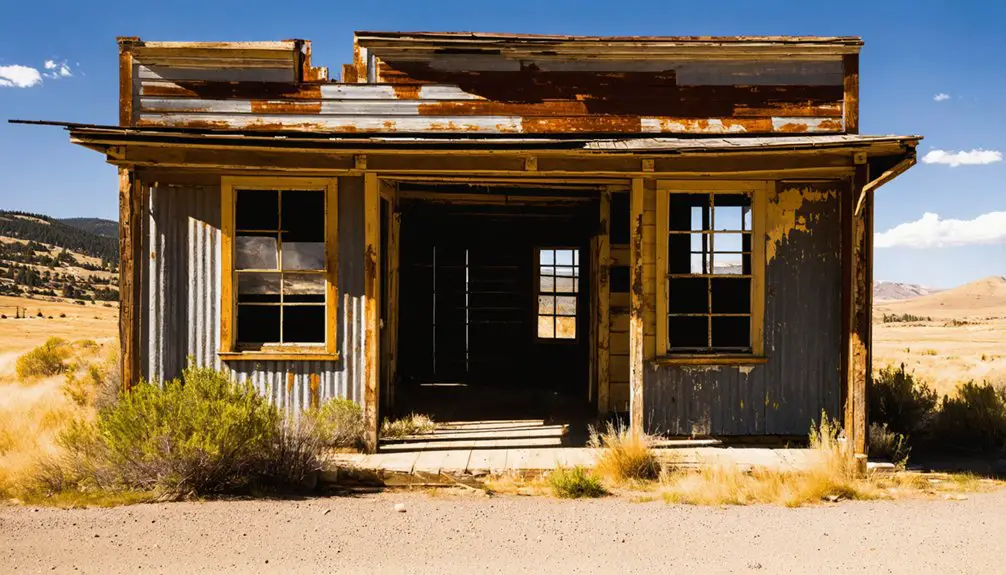
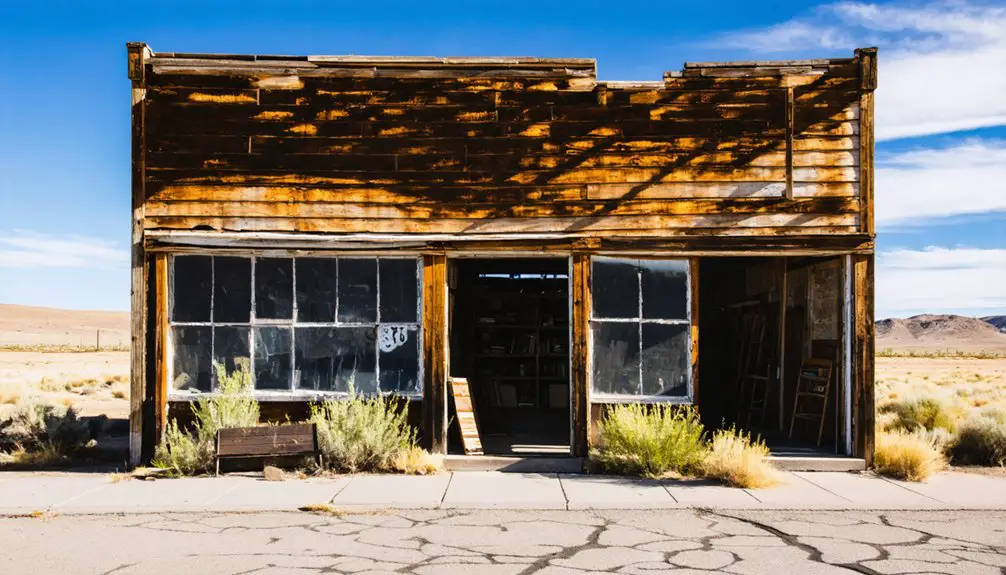
Although most of Buncom has been lost to fire and time, three early-1900s structures still stand: the post office, the cookhouse, and the bunkhouse. These surviving examples of historical architecture give you a rare glimpse into frontier life in the Little Applegate Valley.
The Buncom Historical Society’s preservation efforts have kept these buildings standing through roof replacements and repairs to the post office porch and cookhouse eaves. Two of the structures were even relocated from two miles downstream to protect them.
When you visit, you’ll want to take in each building closely:
- Post office – Built in 1910, it’s the town’s most iconic landmark.
- Cookhouse – A hub of daily frontier life.
- Bunkhouse – Where miners once rested after long shifts.
Signs Of The Past
Beyond the three surviving buildings, the ghost town’s remaining landscape tells its own quiet story. As you walk the grounds, you’ll notice old foundations, scattered debris, and subtle depressions in the earth where structures once stood.
These historical artifacts don’t shout for attention — they whisper. You’ll find remnants that hint at the lives of miners, merchants, and travelers who once moved through this valley daily.
Preservation efforts by the Buncom Historical Society have kept the site respectful and readable. They haven’t over-manicured it, which means you’re experiencing something genuinely raw and atmospheric.
The surrounding terrain — the Little Applegate River, the ridgelines, the old stagecoach corridor — adds context that no museum exhibit could replicate. Buncom rewards the curious visitor who slows down and actually looks.
The Ghost Town Atmosphere
Stepping into Buncom feels like crossing a threshold between the present and the past. The silence wraps around you, broken only by wind and birdsong.
Three preserved structures anchor the site, giving you something tangible to explore while local legends and haunted tales drift through the surrounding hills.
When you visit, you’ll find:
- The 1910 post office, where mail once connected an isolated valley community to the outside world.
- The cookhouse, its restored eaves hinting at the meals shared by miners and travelers.
- The bunkhouse, where exhausted workers once slept after long days of hard labor.
Together, these buildings transform Buncom from a footnote into a living story you can actually walk through on your own terms.
Best Time to Visit and What to Bring
If you’re planning a trip to Buncom, timing your visit around Buncom Day—held on the last Saturday in May—is your best bet. The event brings the ghost town to life with community energy, fundraising activities, and a rare chance to connect with local history firsthand.
Spring also offers mild temperatures and lush surroundings, making wildlife sightings along the Little Applegate River corridor more likely.
Pack sturdy walking shoes, water, and sunscreen regardless of when you visit. The area’s rural character means you won’t find local cuisine nearby, so bring your own food and snacks.
A camera is essential for capturing the preserved post office, cookhouse, and bunkhouse.
Since Buncom sits about 20 miles southwest of Medford on a paved road, getting there is straightforward and worth every mile.
What’s Left of the Little Applegate Valley’s Other Historic Sites
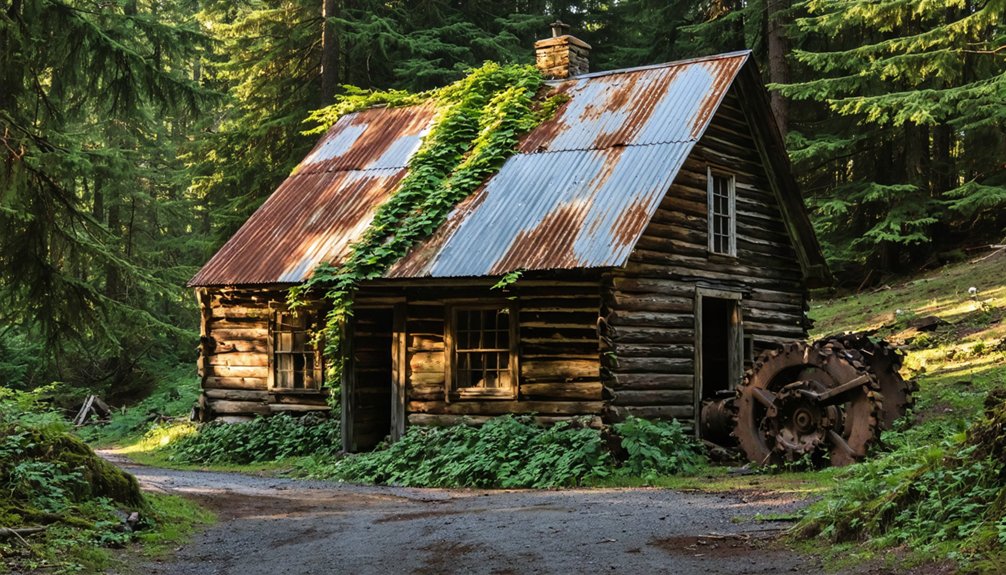
Buncom doesn’t stand alone in the Little Applegate Valley‘s layered past. The surrounding region holds historic landmarks and local legends that reward curious explorers willing to wander beyond the ghost town itself.
As you explore the valley, watch for these remnants of its rich history:
- Sterling Creek corridor – Follow traces of early gold mining activity that first drew settlers to the region in 1851.
- Jacksonville – A full day’s wagon ride from Buncom, this well-preserved town offers museums, architecture, and deeper Gold Rush context.
- Applegate Valley ranchlands – Abandoned homestead foundations and old trails reveal how farming communities outlasted the mining boom.
Each site adds another layer to your road trip, turning a single ghost town visit into a genuine historical expedition.
Frequently Asked Questions
Is There an Admission Fee to Visit Buncom Ghost Town?
The knowledge doesn’t confirm an admission fee, but you’ll find Buncom’s historical artifacts and preservation efforts funded through Buncom Day events. You’re free to explore this ghost town’s preserved structures on your own adventure!
Are Pets Allowed When Visiting the Buncom Historic Site?
Like a trail left open to all wanderers, pet policies and visitation guidelines for Buncom aren’t clearly documented. You’ll want to contact the Buncom Historical Society directly to confirm whether you can bring your furry companion.
Can You Camp Overnight Near Buncom in the Applegate Valley?
You can camp overnight near Buncom in the Applegate Valley! Explore dispersed sites on national forest land, but check current camping regulations first. You’ll want to stay prepared for wildlife encounters while embracing that wild, untamed freedom outdoors.
Is the Buncom Site Accessible for Visitors With Mobility Limitations?
Sadly, you won’t find wheelchair accommodations or accessible pathways at this Wild West relic — Buncom’s rugged terrain and aged structures weren’t built with modern accessibility in mind, so check conditions before you roll out.
Are Guided Tours of Buncom Available Outside of Buncom Day?
The knowledge doesn’t confirm guided tours outside Buncom Day, but you’ll find historical artifacts and photographic opportunities waiting year-round. Visit independently, explore freely, and let Buncom’s preserved ghost-town atmosphere spark your adventurous spirit anytime you arrive.
References
- https://en.wikipedia.org/wiki/Buncom
- https://www.oregonencyclopedia.org/articles/buncom/
- https://www.tripadvisor.com/Attraction_Review-g28958-d1898169-Reviews-Buncom-Oregon.html
- https://markers.sohs.org/node/112
- https://www.facebook.com/groups/ForgottenOregon/posts/2004782533123008/
- https://en.wikipedia.org/wiki/Buncombe_(term)
- https://applegater.org/pdf/2023/v16n03/v16n03p21.pdf
- https://www.islands.com/2100226/once-thriving-mining-abandoned-ghost-town-hidden-jackson-county-buncom-oregon-trails/
- https://www.travelmedford.org/southern-oregon-ghost-towns-