Planning a ghost town road trip to Callville, Nevada means chasing a destination that’s literally underwater. Founded in 1858 as a Mormon river port, Callville was abandoned by 1869 and submerged beneath Lake Mead when Hoover Dam was built in the 1930s. You can access the site through Callville Bay Marina, just 25 miles from Las Vegas. Visit in spring or fall for the best chance of spotting exposed ruins — and there’s much more to this eerie story.
Key Takeaways
- Callville Bay Marina, located 25 miles from Las Vegas via US-93 and Nevada State Route 147, serves as the primary access point for exploring Callville.
- Visit in spring or fall when lower water levels expose more submerged ruins, and avoid summer’s extreme heat exceeding 110°F.
- A valid America the Beautiful pass or park entrance fee is required to enter Lake Mead National Recreation Area.
- Nearby ghost towns St. Thomas and Fort Callville offer additional historical exploration, featuring exposed foundations and Mormon settlement ruins.
- Pack offline maps, layered clothing, sturdy footwear, sun protection, a life jacket, and sufficient water for a safe visit.
What Is Callville and Why Visit This Ghost Town?
Beneath the surface of Lake Mead lies one of Nevada’s most unusual ghost towns — Callville, a 19th-century Mormon port settlement that never quite fulfilled its ambitions before the Colorado River swallowed it whole.
Founded in 1858 by Bishop Anson Call under Brigham Young’s direction, Callville history reads like a cautionary tale of isolation, failed commerce, and railroad competition. The town was abandoned by 1869 and later submerged when Hoover Dam created Lake Mead in the 1930s.
Founded in 1858, Callville rose with ambition — and vanished beneath Lake Mead just decades later.
Today, ghost town exploration here looks different than most — you’re not walking dusty streets but standing at Callville Bay, imagining ruins buried roughly 250 feet below.
It’s a uniquely compelling destination for travelers who crave history that isn’t neatly preserved but instead reclaimed by the landscape itself.
The Rise and Fall of Callville, Nevada
When Brigham Young directed Bishop Anson Call to establish a river landing along the Colorado in 1858, the vision was ambitious: a functioning Mormon port that could funnel cargo to upstream settlements across the Nevada territory.
Call selected a horseshoe bend in the river, built a warehouse, and planted the seeds of Callville history.
But the dream unraveled fast. Seasonal river depths made steamboat navigation unreliable, and transcontinental railroads offered faster, cheaper delivery than any river route could match.
Mormon settlements that Callville was meant to serve found better options elsewhere. By 1869, the town was abandoned — not destroyed, just forgotten.
When Lake Mead eventually rose behind Hoover Dam, it swallowed what little remained, burying Callville roughly 250 feet beneath the surface.
Best Time to Visit Lake Mead’s Submerged Ghost Town
Timing your visit to Lake Mead’s submerged ghost town depends heavily on water levels, which have dropped to historic lows in recent years due to prolonged drought.
Lower water exposes more of Callville’s sunken ruins, making exploration far more rewarding. The best season to visit is spring or fall, when weather conditions stay mild and crowds remain manageable.
Plan your trip around these key factors:
- Water levels: Check the Bureau of Reclamation’s real-time data before heading out
- Weather conditions: Avoid summer’s brutal desert heat, which regularly exceeds 110°F
- Visibility: Lower lake levels reveal more submerged structures along the western basin
You’ll experience Callville’s haunting history most vividly when nature itself pulls back the curtain on this forgotten Mormon settlement.
Where Callville Is Today and How to Get There
Callville itself rests roughly 250 feet below Lake Mead’s surface, buried in silt along the lake’s western basin — but you can still stand near its ghost at Callville Bay Marina, located within the Lake Mead National Recreation Area in Clark County, Nevada.
Historical markers near the bay interpret Callville history for curious visitors, grounding your ghost town exploration in something tangible.
To get there, take US-93 south from Las Vegas, then head east on Nevada State Route 147 toward the Lake Mead Recreation Area. The marina sits about 25 miles from downtown Las Vegas — an easy day trip.
Once you arrive, you’ll find boat rentals, shoreline access, and sweeping views over water that quietly hides one of Nevada’s most overlooked lost settlements beneath its surface.
What You Can Actually See at Callville Bay?
Standing at Callville Bay, you won’t see crumbling adobe walls or dusty streets — the lake swallowed all of that long ago. The submerged history sits roughly 250 feet below the surface, buried in silt.
But that doesn’t mean there’s nothing worth experiencing:
- Historical markers near the marina explain Callville’s origins and its place in Mormon expansion history
- Drone imaging and 3-D mapping have captured Callville archaeology details, and some of that documentation is publicly accessible through preservation programs
- Low water levels caused by ongoing drought occasionally expose nearby riverbed sections, offering rare glimpses into the lake’s hidden past
What you’re really visiting is a place defined by absence — and sometimes, that’s the most powerful kind of history to stand in front of.
Other Lake Mead Ghost Towns Worth Adding to Your Route
If you’re already out at Lake Mead, you’d be missing out by stopping at Callville Bay alone.
St. Thomas is a must-see addition to your route, where you can walk among exposed foundations, walls, and a concrete tub that once belonged to a functioning Nevada town before the reservoir swallowed it in 1938.
You can also seek out the remnants of Fort Callville, the original warehouse structure Bishop Anson Call built in 1858 to serve Brigham Young’s vision of a Mormon trading port on the Colorado River.
St. Thomas Ghost Town
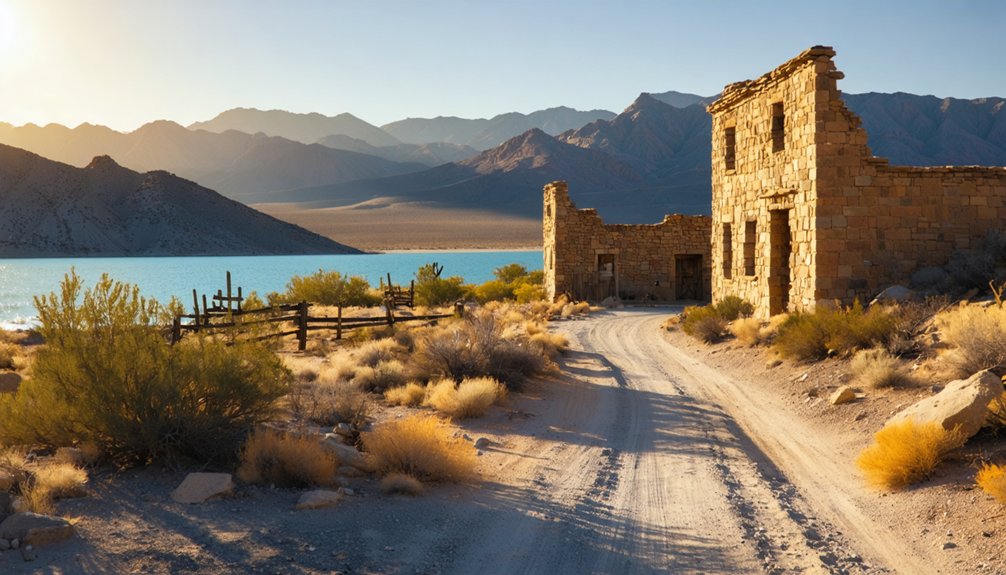
Just a few miles from Callville Bay, St. Thomas ghost town offers another layer of Lake Mead’s buried past. Unlike Callville, St. Thomas history is visible above ground when drought drops the lake’s water levels low enough to expose its ruins.
St. Thomas exploration rewards curious travelers with crumbling foundations and remnants of a once-thriving Mormon settlement abandoned in 1938.
Here’s what makes it worth your stop:
- Walk actual streets where residents lived before the rising reservoir swallowed everything
- Photograph exposed adobe ruins that emerge dramatically from the lakebed
- Connect the timeline between Mormon settlement efforts and the dam’s lasting impact
You’re standing inside a drowned town — and that’s something you won’t forget.
Fort Callville Ruins
While St. Thomas gets most of the attention, Fort Callville ruins deserve a spot on your itinerary. Bishop Anson Call founded this Colorado River settlement in 1864 under Brigham Young’s direction, intending it as a steamboat landing for Mormon trade routes.
Fort Callville history reflects an ambitious but ultimately doomed vision — river isolation, brutal navigation conditions, and the transcontinental railroad killed the settlement’s purpose before it ever thrived.
Today, the site rests roughly 250 feet beneath Lake Mead’s surface, carrying enormous archaeological significance. Researchers use drone imaging and 3-D mapping to document the submerged warehouse foundations and structural remnants.
Dropping water levels have partially revealed surrounding areas, giving you a rare glimpse into a forgotten chapter of Mormon westward expansion. It’s a hauntingly powerful stop worth adding to your route.
What to Bring and Know Before Visiting Callville Bay
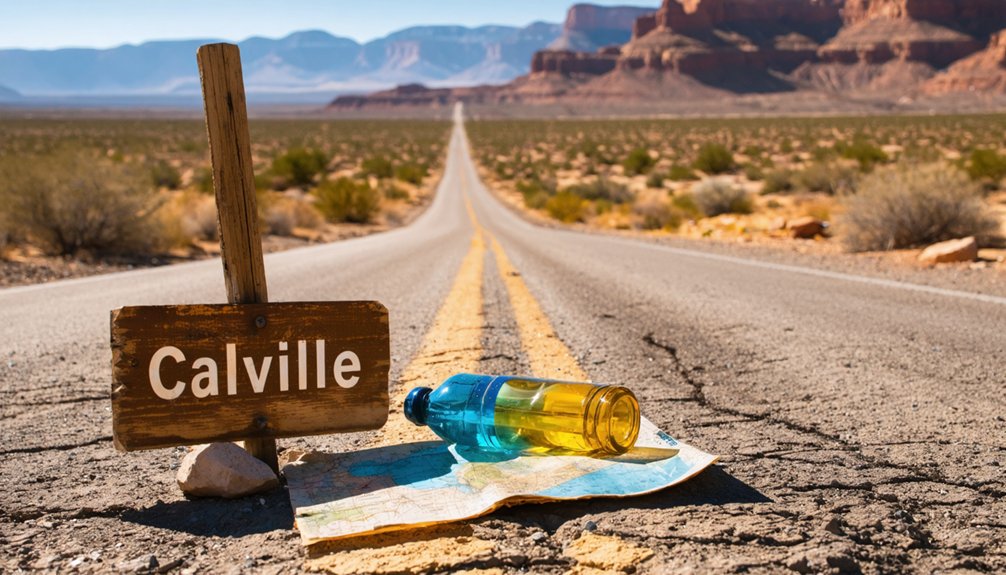
Before you head out to Callville Bay, you’ll want to pack sunscreen, plenty of water, and sturdy shoes since the desert heat and rocky terrain demand preparation.
You can reach the bay via Northshore Road off US-93, following signs into the Lake Mead National Recreation Area toward the Callville Bay Marina.
Once you’re there, check current water levels and posted advisories, as shifting lake conditions can affect boat launches, shoreline access, and visibility of submerged ruins.
Essential Packing List Items
Packing smart makes all the difference when you’re heading out to Callville Bay. The desert sun hits hard, and you’re far from convenient resupply stops.
These packing essentials keep your ghost towns adventure safe and rewarding:
- Sun protection and hydration – Bring SPF 50+ sunscreen, a wide-brim hat, and at least two liters of water per person.
- Navigation tools – Download offline maps before leaving; cell service drops considerably near the bay.
- Layered clothing – Desert temperatures swing dramatically between morning and afternoon, so pack accordingly.
Sturdy footwear matters too, especially if you’re exploring rocky shorelines where submerged ruins occasionally surface during low water levels.
A small first aid kit rounds out your essentials and guarantees you’re ready for whatever the road delivers.
Navigating To Callville Bay
Once your gear is sorted, getting to Callville Bay is straightforward if you know what to expect. From Las Vegas, head northeast on US-93, then take Lake Mead Parkway east toward the National Recreation Area.
Follow signs for Callville Bay Marina — your gateway to ghost town exploration on the water. You’ll need a valid America the Beautiful pass or pay the park entrance fee.
Cell service gets spotty, so download offline maps before you leave. The drive takes roughly 45 minutes from the city, but the landscape shifts dramatically once you’re inside park boundaries.
Once you arrive, historical markers near the marina tell the story of Callville history, pointing toward what rests beneath the surface. You’re not just visiting a bay — you’re standing above a drowned town.
Lake Conditions And Safety
Lake Mead’s desert environment hits harder than most visitors expect, so you’ll want to prepare for extremes before you launch.
Water levels fluctuate dramatically, exposing shallow hazards and shifting shorelines that can catch unprepared boaters off guard. Take these safety precautions seriously before heading out:
- Check current water levels through the Bureau of Reclamation’s live data tools before arrival
- Pack sun protection, extra water, and a first aid kit since heat exhaustion develops fast on open water
- Wear a life jacket and file a float plan with someone onshore before exploring the bay
Conditions change without warning, and cell service near Callville Bay is unreliable. Staying informed keeps your adventure free, not dangerous.
Frequently Asked Questions
Was Callville Ever Successfully Used as a Mormon Trading Port?
Callville never fulfilled its Mormon history trading practices potential. You’d find it struggled with isolation, river navigation challenges, and railroad competition, leaving Brigham Young’s vision of a thriving Colorado River port permanently unrealized before its abandonment in 1869.
How Deep Underwater Does Callville Currently Sit Beneath Lake Mead?
Like a secret buried in time, Callville’s ghost town history sleeps roughly 250 feet beneath Lake Mead’s surface. If you’re into underwater exploration, you’d find it entombed in silt within the lake’s western basin.
Which Other Nevada Settlements Were Permanently Lost Alongside Callville?
When Lake Mead formed, you’d have lost Fort Callville, Junction City, Rioville, and Kaolin alongside Callville—pioneer settlements of historical significance swallowed forever by rising waters, their stories buried beneath the reservoir’s surface.
Are There Legal Restrictions on Diving Near Callville’s Submerged Ruins?
Yes, you’ll face legal restrictions on diving regulations near Callville’s ruins. Federal archaeological preservation laws actively protect underwater exploration at the site, so you must respect these boundaries to safeguard history’s fragile, irreplaceable remnants beneath Lake Mead.
How Has Drone Imaging Helped Document Callville’s Underwater Remains?
Drone technology’s let you capture Callville’s sunken ruins through stunning 3-D mapping and detailed imaging, revealing foundations and warehouse remnants that’d otherwise stay hidden. It’s revolutionizing historical preservation by documenting fragile underwater structures before environmental degradation erases them forever.
References
- https://www.destination4x4.com/callville-clark-county-nevada-ghost-town/
- https://erenow.org/common/how-the-states-got-their-shapes/27.php
- https://www.nps.gov/lake/learn/historyculture/ur-test.htm
- https://en.wikipedia.org/wiki/List_of_ghost_towns_in_Nevada
- https://en.wikipedia.org/wiki/Callville
- https://historiclasvegasproject.com/post/801583182776516608/callville
- https://callvillebay.com/uncover-the-hidden-history-of-lake-mead-mines-ruins-historic-sites/
- https://digital-desert.com/lake-mead/callville-bay.html
- https://www.clarkcountynv.gov/adobe/assets/urn:aaid:aem:1885026b-ec70-4a66-b176-cac868ab2cc7/original/as/history-timeline.pdf
- https://callvillebay.com/lake-mead-national-recreation-area/