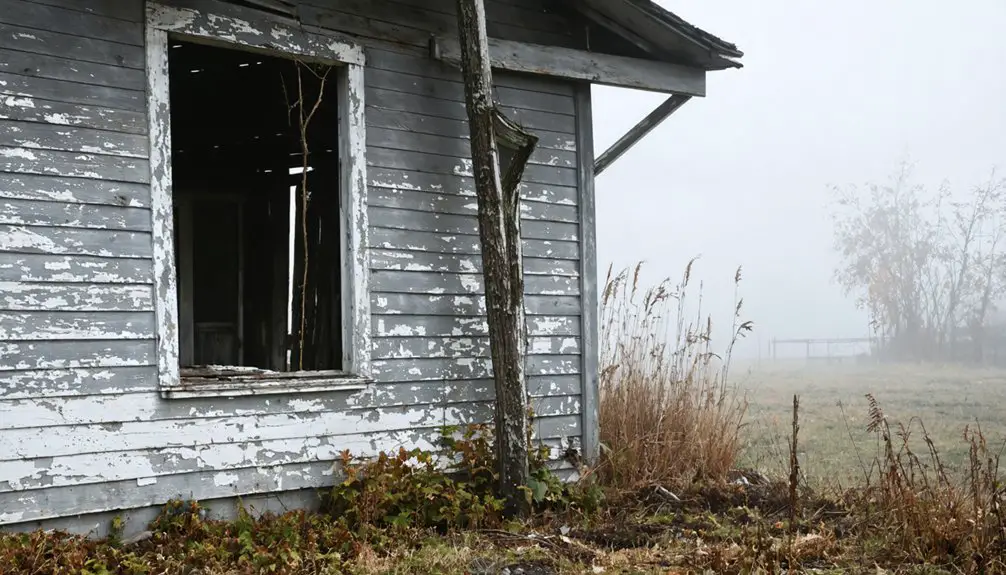
Planning a ghost town road trip to Falmouth, Michigan means stepping into the state’s raw lumber era history. You’ll find a weathered schoolhouse, overgrown rail beds, and crumbling foundations scattered across Missaukee County’s rural landscape. Download offline maps before you lose cell service, pack sturdy boots, and check road conditions before winter travel. Whether you’re chasing autumn foliage or industrial history, Falmouth delivers an authentic, haunting experience — and there’s far more to uncover ahead.
Key Takeaways
- Falmouth, located in Missaukee County, Michigan, features historic sites like an old schoolhouse, logging railroad tracks, and foundation stones from former buildings.
- GPS may be unreliable in rural areas, so download offline maps and consult locals for directions to navigate backroads effectively.
- Bring sturdy boots, a camera, extra batteries, a first aid kit, and emergency supplies to ensure a safe, well-documented exploration.
- Avoid open mineshafts, respect “Private Property” signs, and watch for ground depressions indicating hidden underground hazards throughout the site.
- Extend your road trip by visiting nearby ghost towns like Melita and Idlewild, minimizing backtracking while connecting multiple historic Michigan sites.
Why Falmouth’s Schoolhouse and Rail Line Are Worth the Drive?
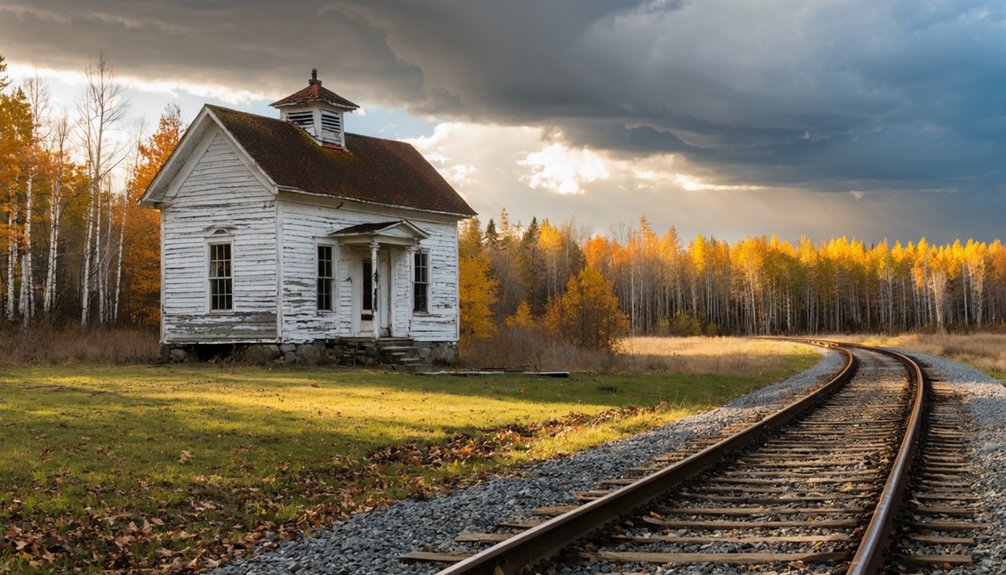
When you pull up to Falmouth’s old schoolhouse, you’re stepping into one of Michigan’s most tangible connections to its 19th-century lumber era. The schoolhouse significance goes beyond its weathered walls — it’s a rare surviving structure that anchors the town’s entire story in something real and visible.
Follow the old logging rail line history stretching through the surrounding landscape, and you’ll feel the pulse of an industry that once drove this region. Those tracks carried timber, workers, and commerce until the lumber collapse of the 1890s silenced everything.
Together, the schoolhouse and rail line give you something most ghost towns can’t — physical evidence you can actually stand beside.
That’s what makes the drive worthwhile. You’re not just reading history; you’re walking through it.
How to Get to Falmouth, Michigan
Once you’ve soaked in the schoolhouse and traced the old rail line with your eyes, you’ll want to know exactly how to get there — because Falmouth isn’t the kind of place your GPS will confidently lead you to.
Head toward Missaukee County in Michigan’s Lower Peninsula and navigate rural backroads carefully. Download offline maps before you leave cell range. Locals familiar with Falmouth history can point you toward the site more reliably than any app.
Pack your camera, because ghost town photography opportunities appear quickly and unexpectedly here. Wear sturdy boots, bring water, and arrive during daylight hours. The roads leading in are unpaved in stretches, so a capable vehicle helps.
Come prepared with a camera, good boots, and water — Falmouth rewards the ready and forgives nothing else.
Freedom-seekers who come prepared leave with incredible images and stories worth telling.
What’s Left to See in Falmouth Today?
What remains of Falmouth tells a quiet but powerful story. You’ll find yourself walking through layers of ghost town history, where industrial significance once shaped an entire region. The landscape speaks volumes if you know what to look for.
Here’s what you can still discover on your visit:
- Old schoolhouse – one of the few standing structures still intact
- Original logging railroad tracks – visible remnants of Falmouth’s industrial past
- Foundation stones – marking where homes and businesses once thrived
- Open mineshafts – stark reminders of early 20th-century mining activity (approach with extreme caution)
Bring your camera, wear sturdy shoes, and explore at your own pace. Falmouth rewards curious, independent travelers willing to read between the ruins.
Safety Rules to Know Before Exploring Falmouth’s Abandoned Structures
Before you set foot among Falmouth’s crumbling remnants, you’ll need to take a few serious precautions.
Keep a sharp eye out for open mineshafts, which can appear suddenly and without warning in the overgrown terrain.
You should also honor every “Private Property” and “Keep Out” sign you encounter, as trespassing not only risks legal trouble but can put you in real danger near deteriorated structures.
Avoiding Open Mineshafts
Although Falmouth’s abandoned landscape beckons with raw historical atmosphere, you’ll want to stay sharp about one of its most serious hazards: open mineshafts.
Ghost town safety depends on recognizing mineshaft dangers before you take a single step off marked trails.
Watch for these critical warning signs:
- Sudden ground depressions or circular soil collapse patterns indicating hidden shafts below
- Deteriorated wooden covers that appear solid but can’t support weight
- Restricted signage marked “Keep Out” near former mining zones
- Unusual darkness at ground level, signaling concealed openings nearby
Don’t assume any shaft is shallow or safe to approach.
You should keep companions close, stay on established pathways, and report any unmarked hazards to local guides immediately.
Your freedom to explore depends entirely on your awareness.
Respecting Private Property Signs
Scattered across Falmouth’s overgrown landscape, “Private Property” and “Keep Out” signs aren’t suggestions — they’re legal boundaries you must honor.
Ghost town etiquette demands that you recognize these markers immediately and turn back, regardless of how curious or adventurous you’re feeling.
Property rights awareness isn’t about limiting your freedom — it’s about preserving it. Trespassing charges can derail your entire road trip, leaving you with fines instead of photographs.
Some parcels surrounding Falmouth’s abandoned structures are privately owned, meaning enthusiastic explorers can unknowingly cross legal lines without realizing it.
Before you venture onto any unmarked path, research land ownership through local county records.
Stick to designated public access areas, follow marked trails, and let your camera capture what your feet respectfully can’t reach.
What to Bring on Your Falmouth Ghost Town Trip
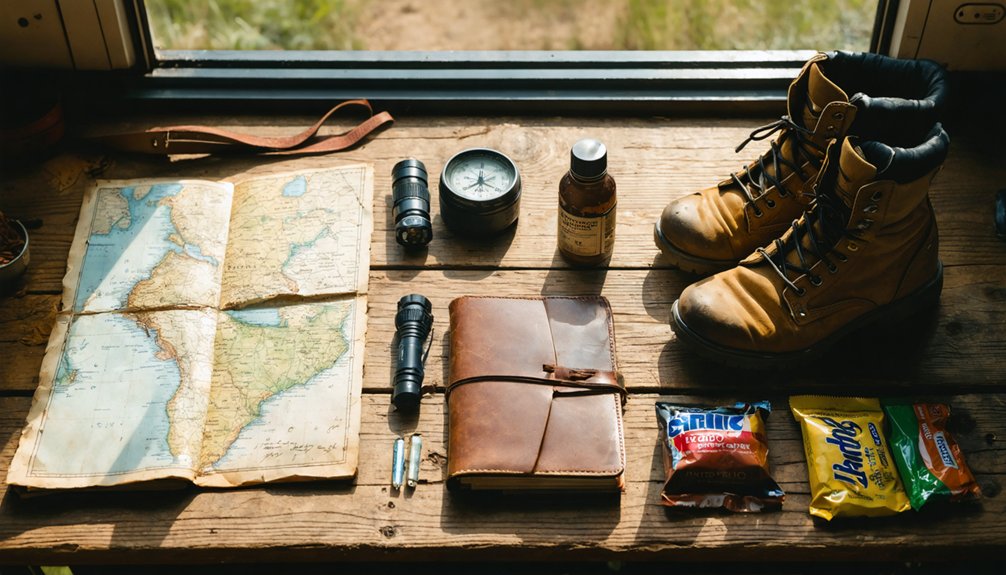
When you’re heading out to explore Falmouth’s eerie, abandoned landscape, packing the right gear can make the difference between a rewarding trip and a frustrating one.
These ghost town essentials keep you prepared, safe, and ready to capture every haunting detail.
- Camera and extra batteries – Follow basic photography tips: shoot during golden hour for dramatic shadows across the old schoolhouse and railroad tracks.
- Sturdy boots – Uneven terrain, foundation stones, and debris demand solid ankle support.
- Navigation tools – A downloaded offline map guarantees you won’t lose your bearings on unmarked trails.
- First aid kit – Deteriorated structures create unpredictable hazards, so stay ready for minor injuries.
Pack smart, move freely, and you’ll leave Falmouth with unforgettable memories and stunning photographs worth sharing.
Best Times of Year to Visit Falmouth, Michigan
You’ll find summer to be the prime season for exploring Falmouth, as dry trails and long daylight hours make it easy to photograph the old schoolhouse and trace the remnants of railroad tracks.
If you visit in fall, you’ll get the added bonus of vibrant foliage framing the crumbling foundations, creating a dramatically atmospheric backdrop for your photos.
Winter, however, presents real challenges, as snow-covered trails and icy conditions can make traversing the site both difficult and dangerous.
Summer Exploration Peak Season
Summer is the ideal time to visit Falmouth, Michigan, as the warmer months bring longer daylight hours, dry trail conditions, and the best visibility for photographing the town’s remaining structures.
You’ll find the trails accessible and the atmosphere electric with summer activities, from historical exploration to spotting local wildlife roaming the surrounding woodlands.
Make the most of your summer visit by focusing on these highlights:
- Photograph the old schoolhouse and railroad tracks in natural golden light
- Explore foundation stones and remnants along marked pathways
- Watch for deer, birds, and other local wildlife in the surrounding forest
- Connect with local guides who share firsthand knowledge of Falmouth’s industrial past
Summer gives you the freedom to move at your own pace through history.
Fall Foliage Visit Benefits
As autumn transforms Michigan’s woodlands into a canvas of red, orange, and gold, Falmouth takes on a hauntingly beautiful atmosphere that’s unlike any other time of year.
The fall colors frame the remaining structures—the old schoolhouse, crumbling foundations, and visible railroad tracks—in a way that deepens their eerie, time-worn character.
You’ll find that scenic drives through the surrounding region become genuinely spectacular during October, making your journey to Falmouth as rewarding as the destination itself.
Cooler temperatures also make on-foot exploration far more comfortable, and reduced summer crowds mean you’ll experience the site with greater solitude and freedom.
Bring your camera—the contrast between decaying remnants and vibrant autumn foliage creates photography opportunities that are truly extraordinary and difficult to replicate any other season.
Winter Access Challenges
Winter transforms Falmouth into a nearly inaccessible site, and you’ll want to plan accordingly before attempting a cold-weather visit. Snow-covered roads and freezing temperatures create serious obstacles, but the stark, frozen landscape offers an unforgettable experience for the determined explorer.
Check these critical considerations before heading out:
- Road conditions deteriorate quickly in Michigan winters, so verify local road reports and carry emergency supplies.
- Winter attire is non-negotiable — layer up with thermal gear, waterproof boots, and insulated gloves.
- Open mineshafts become especially dangerous when snow conceals their locations, so stay on marked paths.
- Daylight hours shorten dramatically, limiting your exploration window to just a few usable hours.
Plan smart, stay alert, and you’ll navigate Falmouth’s winter challenges on your own terms.
Which Michigan Ghost Towns Are Worth Visiting Near Falmouth?
Why stop at just Falmouth when Michigan’s ghost town trail stretches far beyond its borders? Nearby towns offer ghost town attractions that rival Falmouth’s own historical significance.
Central Michigan hides several forgotten communities where you’ll find crumbling foundations, overgrown rail beds, and weathered structures frozen in time.
Melita and Idlewild sit within reasonable driving distance, each carrying their own layered past worth uncovering. You can connect these stops into a single road trip, maximizing your exploration without backtracking unnecessarily.
Bring detailed maps, since GPS often fails in these rural corridors.
Every town you visit adds another chapter to Michigan’s industrial collapse story. You’re not just sightseeing — you’re piecing together a regional history that textbooks rarely capture with this kind of raw, firsthand authenticity.
Frequently Asked Questions
Is There an Admission Fee to Visit Falmouth Ghost Town?
There’s no admission fee to explore Falmouth’s ghost town history! You’ll want to follow visitor guidelines, respect private property signs, and avoid open mineshafts. It’s your free gateway to Michigan’s fascinating abandoned past!
Are Pets Allowed When Exploring the Falmouth Ghost Town Site?
The knowledge doesn’t confirm pet-friendly policies for Falmouth, but if you’re bringing furry companions, practice good ghost town etiquette—keep them leashed, respect posted signage, and steer clear of dangerous open mineshafts and deteriorating structures.
Can Visitors Legally Take Artifacts or Souvenirs From Falmouth?
Coincidentally, the very artifacts you’re tempted to pocket hold artifact preservation ties to historical significance. You can’t legally take souvenirs — instead, you’re preserving freedom for future explorers by leaving Falmouth’s remnants exactly where they belong.
Does Falmouth Have Restroom Facilities Available for Visiting Tourists?
You won’t find restroom accessibility or visitor amenities at Falmouth’s remote ghost town site. Plan ahead by bringing your own supplies, as this wild, untamed destination keeps you fully immersed in its rugged, forgotten freedom.
Are There Any Local Accommodations Near Falmouth for Overnight Stays?
You’ll find local accommodations in nearby towns surrounding Falmouth, offering cozy lodging options. Explore local dining and nearby attractions while you rest, recharge, and freely immerse yourself in Michigan’s enchanting ghost town adventure!
References
- https://www.tripadvisor.com/Attraction_Review-g47102-d8446559-Reviews-or10-Ghost_Town_of_Kelly-Magdalena_New_Mexico.html
- https://www.onlyinyourstate.com/trip-ideas/michigan/ghost-town-road-trip-mi
- https://www.youtube.com/watch?v=pv4wVzFrHHw
- https://wdet.org/2019/06/07/take-a-road-trip-to-the-ghost-towns-of-michigans-upper-peninsula/
- https://99wfmk.com/michigan-roadtrip-the-ghost-towns-of-route-426/
- https://en.wikipedia.org/wiki/List_of_ghost_towns_in_Michigan
- https://www.onlyinyourstate.com/trip-ideas/michigan/abandoned-road-trip-mi
- https://lostinmichigan.net/haunted-michigan-road-trip/
- https://www.onlyinyourstate.com/trip-ideas/michigan/haunted-road-trip-mi
- https://www.youtube.com/watch?v=LNAm0sZuNyw