Planning a ghost town road trip to Chena, Alaska means driving 56.5 miles along Chena Hot Springs Road, where history, wilderness, and living culture meet. You’ll fuel up at Mile 3, stock up at Mile 23, pass through Two Rivers’ legendary sled dog community, and end at Chena Hot Springs Resort. The town itself may be gone, but the road keeps its story alive — and there’s far more to discover ahead.
Key Takeaways
- Chena, once a vital gold rush trade camp, faded into a ghost town after Fairbanks became Interior Alaska’s dominant economic hub.
- The 56.5-mile Chena Hot Springs Road connects Fairbanks to the resort, passing through historically rich and scenic wilderness landscapes.
- Stop at Mile 3 for fuel and snacks, then resupply at the Pleasant Valley Store near Mile 23 before entering deeper wilderness.
- Two Rivers Community showcases authentic sled dog culture, including SP Kennel operated by Yukon Quest champions Aliy Zirkle and Allen Moore.
- Chena Hot Springs Resort serves as the ultimate road trip destination, offering hot springs, aurora viewing, dog mushing, and ice sculpting year-round.
What Was Chena, Alaska Before It Became a Ghost Town?
Before Fairbanks claimed the spotlight, Chena was the beating heart of Interior Alaska’s gold rush economy. Sitting about five miles downriver from what would become Fairbanks, Chena served as a critical trade camp and resupply point for miners pushing deeper into the wilderness.
Chena history tells a familiar frontier story — a town that rises fast, burns bright, then fades as the economic current shifts. Once Fairbanks established itself as the region’s dominant hub, Chena couldn’t compete. River traffic dried up, commerce moved on, and the town quietly became a ghost town.
You won’t find crumbling buildings waiting for you today, but Chena’s legacy isn’t entirely gone. Its name survives through Chena Hot Springs and the road that carries you straight into Alaska’s wild interior.
How Chena Faded After Fairbanks Took Over
Once Fairbanks established itself as the region’s economic and transportation hub, Chena lost its edge as a critical resupply point, and the traffic that once kept it alive simply rerouted north.
You can still picture the quiet that must have settled over its once-busy riverfront as merchants, miners, and river traffic shifted their attention just five miles upriver.
What you’ll find today is a true ghost town, its former identity preserved mostly in name rather than in buildings or streets.
Fairbanks Eclipsed Chena
Chena had a real moment in the sun before Fairbanks muscled it out of the picture.
Dig into Chena history, and you’ll find a scrappy trade camp that kept Interior Alaska miners supplied and moving. It punched above its weight as a river port, handling traffic and commerce that defined the region’s early economy.
Then Fairbanks grew. The Fairbanks rivalry wasn’t dramatic or violent — it was economic. Fairbanks simply offered more: better positioning, stronger infrastructure, and the kind of momentum that pulls people away from smaller towns without a single argument.
Chena couldn’t compete, and it didn’t survive the shift.
What’s left isn’t rubble or ruins — it’s mostly memory.
But that memory stretches all the way down Chena Hot Springs Road, still carrying the name forward.
A Ghost Town Remains
When Fairbanks took over, Chena didn’t collapse dramatically — it just quietly emptied out. Businesses relocated, river traffic slowed, and residents followed opportunity upstream. What remained was a settlement stripped of its purpose.
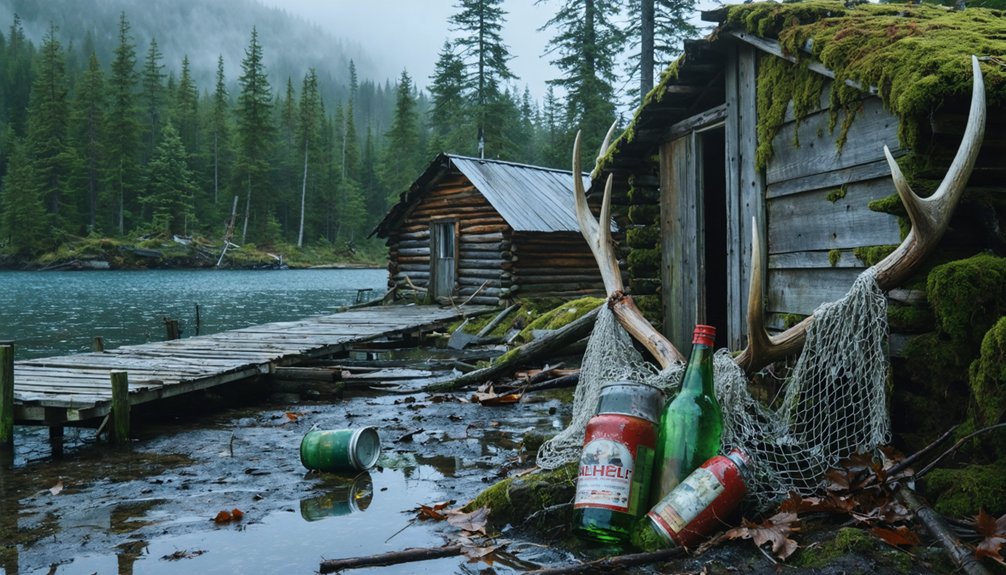
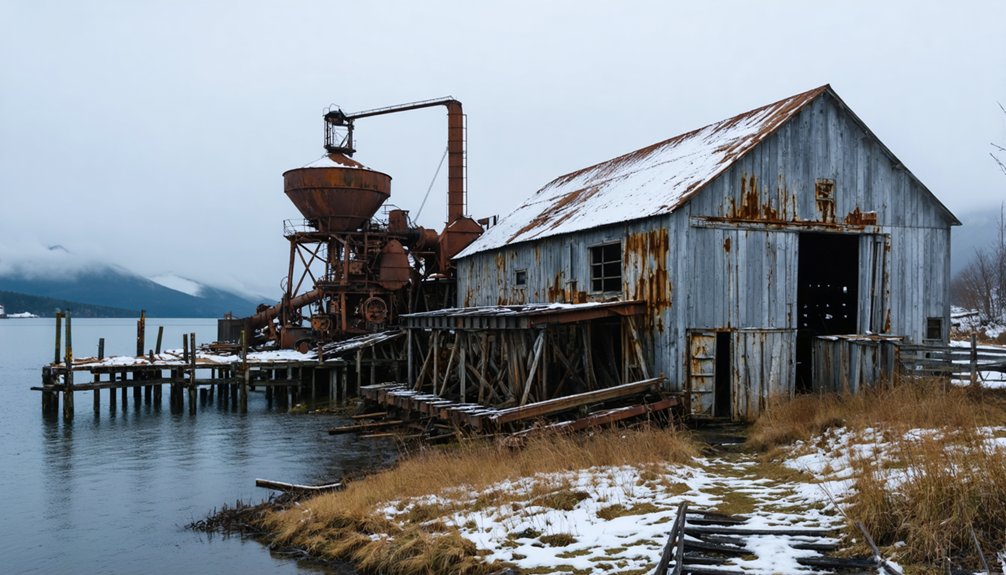
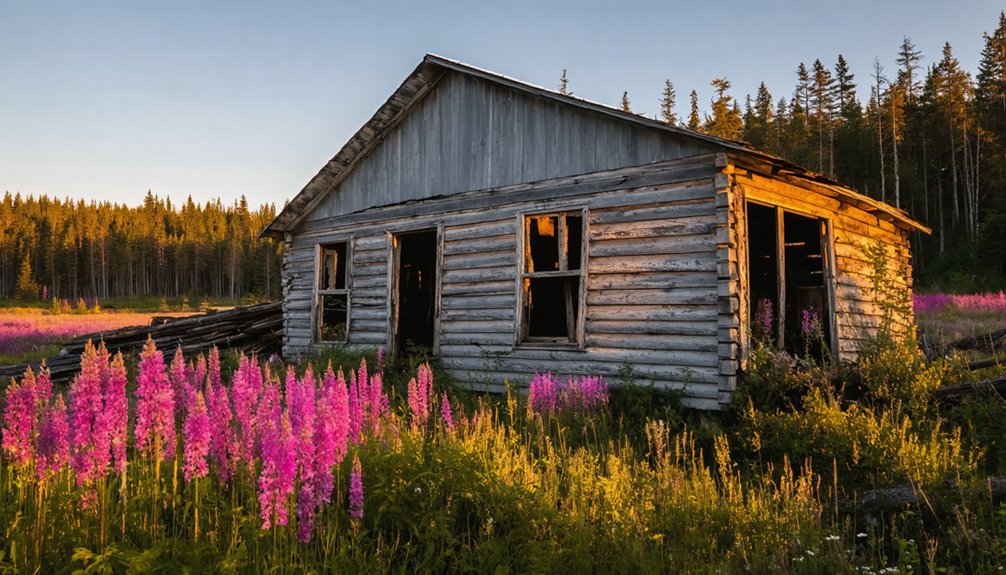
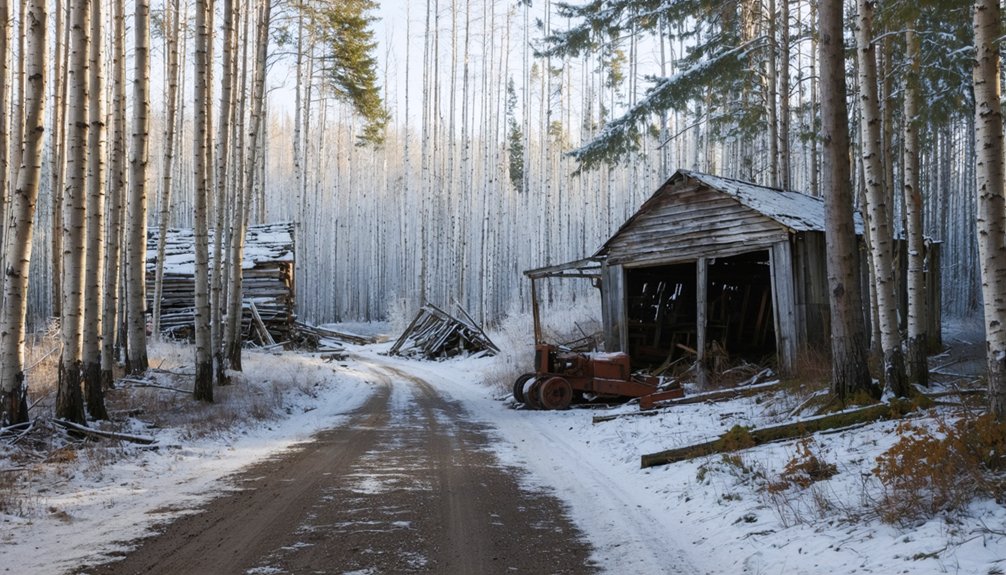
Today, Chena’s ghost town history survives mostly in name. You won’t find crumbling storefronts or preserved saloons waiting along the riverbank. The town dissolved so completely that the landscape reclaimed most of it. What you’re left with is a story rather than a skyline.
Still, that story carries real weight. Chena’s mining legacy shaped Interior Alaska’s early economy, and the ground you’re driving through holds that history beneath it.
The name itself survived — carried forward by a road and a resort — long after the town stopped existing.
Why Chena Hot Springs Road Is the Perfect Ghost Town Drive
Few ghost town drives in Alaska blend history, scenery, and living legend the way Chena Hot Springs Road does. Stretching 56.5 miles from Fairbanks to Chena Hot Springs Resort, this fully paved route lets you move at your own pace through Interior Alaska’s wild heart.
You’re tracing Chena history with every mile, following the same corridor that once connected miners, traders, and river traffic to a bustling ghost town.
Today, that history shares the road with sled-dog kennels, wildlife pullouts, riverside fishing, and roadside stops worth slowing down for. This isn’t a rushed commute — it’s a living landscape where the past hasn’t disappeared. It’s simply transformed.
The past hasn’t disappeared along this road. It’s simply transformed into something worth slowing down for.
You don’t just drive through this country; you experience it on your own terms.
Mile 3 to Mile 23: Where to Fuel Up and Stock Up Before the Wild Stretch
Before the road opens up into true wilderness, the first stretch gives you two chances to handle practicalities without backtracking. Hit these stops early — once you pass mile 23, you’re on your own.
Mile 3 and Mile 23 essentials:
- Chena Hot Springs Gas at mile 3 covers your fuel stations needs before the landscape shifts.
- Grab snack options at both stops to avoid hunger on the remote stretch.
- Pleasant Valley Store at mile 23 is your last reliable resupply point.
- Pick up water, food, and any forgotten gear here.
- Top off your tank regardless of how full it looks — distances deceive.
These two stops aren’t optional detours — they’re smart moves that keep your freedom intact once the wild stretch begins.
Two Rivers: Sled Dogs, Local Characters, and a Pit Stop Worth Taking
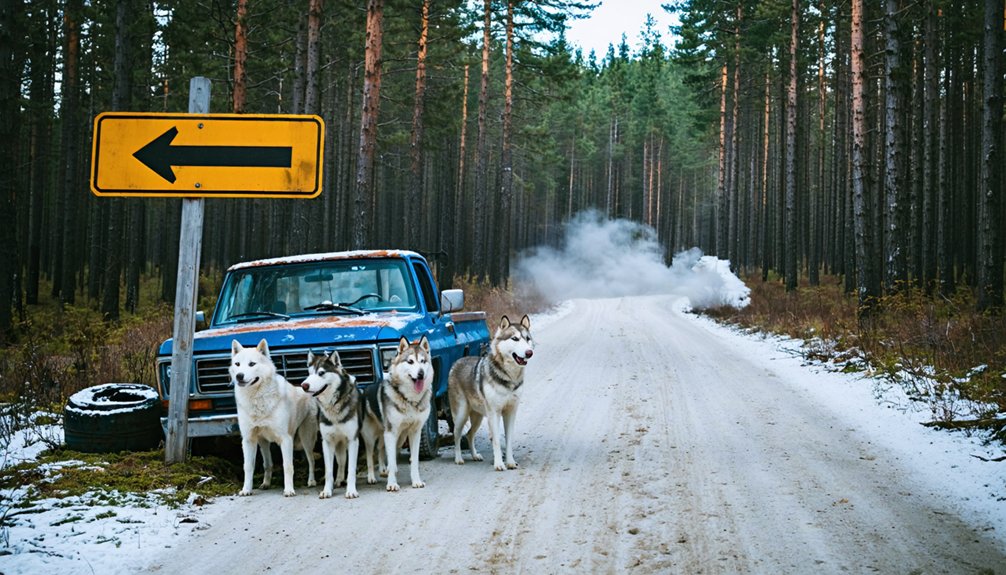
As you roll through Two Rivers, you’ll notice the sled dogs before almost anything else — kennels line the properties, and the culture of mushing runs deep here.
SP Kennel, run by Yukon Quest champions Aliy Zirkle and Allen Moore, sits along this stretch and stands as a reminder that world-class athletic tradition thrives in these quiet woods.
Pull off at Two Rivers Lodge around mile 15, where local mushers sometimes tend bar and the atmosphere feels less like a tourist stop and more like a genuine slice of Interior Alaska life.
Sled Dog Culture Hub
Tucked along Chena Hot Springs Road, Two Rivers is the kind of place that rewards a slow-down.
This tight-knit community carries serious sled dog history, and the mushers legacy here runs deep. You’ll feel it immediately.
What makes Two Rivers worth stopping for:
- SP Kennel, run by champions Aliy Zirkle and Allen Moore
- Yukon Quest veterans who’ve trained on these very trails
- A community built around dogs, distance, and endurance
- Two Rivers Lodge, where mushers occasionally work the bar
- Roadside kennels where you might hear howling before you see the sign
This isn’t a tourist performance.
It’s an active, working culture you’re driving through. Slow down, look around, and let the place speak for itself.
SP Kennel Champions
SP Kennel sits at the center of Two Rivers‘ mushing identity, and it’s worth knowing exactly who you’re looking at when you pull up.
Aliy Zirkle and Allen Moore run the operation, and both are champion sledders with Yukon Quest titles to their names. The Yukon Quest is a grueling 1,000-mile race between Fairbanks and Whitehorse, and finishing it puts you in rare company. Winning it twice puts you in a different category entirely.
When you pass through Two Rivers, you’re moving through territory these mushers train on regularly. The trails aren’t just scenic backdrops — they’re active training ground.
SP Kennel gives this stretch of Chena Hot Springs Road a competitive legacy that most ghost town road trips simply can’t offer.
Two Rivers Lodge Stop
Two Rivers Lodge sits at mile 15, and it’s one of those stops that earns its reputation before you even walk through the door. In Two Rivers, this lodge pulls you in with local cuisine, genuine characters, and a vibe you won’t manufacture elsewhere.
Here’s what makes it worth your time:
- Musher bartenders who’ve raced competitively share real trail stories
- Local cuisine rooted in Alaska’s frontier tradition
- Scenic views of the surrounding wilderness frame every window
- Community events draw locals who know this land intimately
- An unhurried atmosphere that rewards curious travelers
You’re not just grabbing a drink—you’re absorbing a living piece of Interior Alaska culture.
Pull over, stay longer than planned, and let Two Rivers Lodge remind you why slow travel wins every time.
The Scenic Pullouts, Trails, and Fishing Spots You Shouldn’t Drive Past
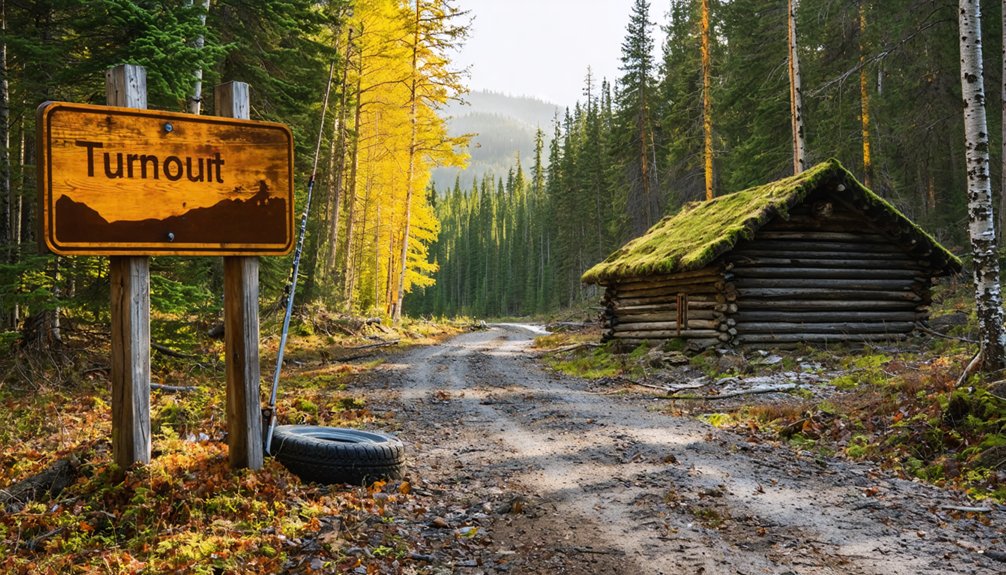
Chena Hot Springs Road rewards the traveler who slows down. Scenic pullouts appear throughout the drive, offering views of river bends, spruce forests, and open sky that demand a pause.
Don’t rush past them. You’ll spot wildlife you’d never catch from a moving vehicle, and the photography opportunities alone justify the extra time.
Slow down and stop. The wildlife and the light won’t wait for you to circle back.
If you fish, the Chena River runs alongside much of the route, and several fishing spots give you direct access to the water. Arctic grayling are common, and the river’s clarity makes sight fishing genuinely rewarding.
Trailheads appear throughout the corridor, ranging from short walks to longer wilderness routes. Each one pulls you deeper into the landscape.
Treat the road as a destination itself, not just a way to reach the resort.
What’s Waiting at Chena Hot Springs Resort at the End of the Road?
After you’ve worked your way down the road, stopping where the river called and the trails beckoned, the resort waiting at mile 56.5 delivers a satisfying payoff.
Chena Hot Springs Resort isn’t just a relaxation retreat—it’s a fully loaded destination where history, hot springs, and wilderness meet.
Here’s what you’ll find waiting:
- Natural hot springs pools open year-round
- Aurora viewing on clear winter nights
- Winter activities including dog mushing and ice sculpting
- Scenic views of surrounding boreal forest and hills
- On-site dining and lodging for extended stays
You’ve earned this stop.
Soak in geothermally heated water, scan the sky for northern lights, and let the remote setting remind you why you hit the road in the first place.
When Is the Best Time to Drive the Chena Ghost Town Route?
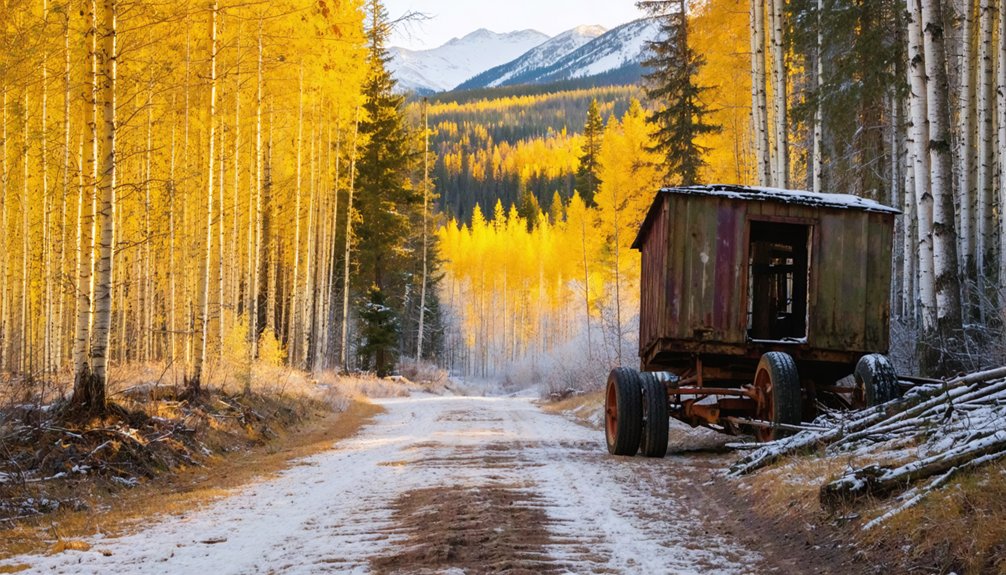
Timing shapes everything on this drive. Summer gives you long daylight hours, easy road conditions, and prime wildlife viewing along the corridor — watch for moose, foxes, and birds near the river.
Fall brings dramatic color and cooler temperatures that make the drive feel raw and alive.
Winter transforms the route entirely; seasonal conditions turn harsh, but clear nights open the door to aurora hunting, and the resort’s thermal pools hit different when it’s 20 below.
Spring is unpredictable — roads can be soft, and weather shifts fast.
No single season owns this road. Each one hands you a different version of the same 56.5 miles. Pick the season that matches your appetite for comfort, adventure, or solitude, then go.
Do You Need a 4WD to Drive Chena Hot Springs Road?
Season choice leads naturally to a gear question — specifically, whether your vehicle can handle what the road throws at you. Good news: 4WD necessity is minimal here. Chena Hot Springs Road is fully paved and well-maintained, meaning most standard vehicles handle it comfortably year-round.
Road conditions shift seasonally, so knowing what to expect keeps you moving freely.
- Summer: smooth pavement, easy driving for any vehicle
- Fall: watch for wet leaves and early frost patches
- Winter: packed snow and ice demand snow tires or chains
- Spring: freeze-thaw cycles create occasional rough patches
- Year-round: wildlife crossing unpredictably requires alert driving
A capable all-season vehicle with winter tires handles most conditions well. Reserve 4WD for side roads or trailhead parking areas where the terrain gets rougher.
How to Plan a Full Day on Chena Road Without Rushing It
Chena Hot Springs Road rewards slow travelers, so treating it like a commute wastes everything the route offers.
Start your morning at mile 3 for gas and snacks, then push toward Two Rivers to absorb the sled-dog culture that defines this corridor.
Fuel up at mile 3, then let Two Rivers pull you into the sled-dog soul of the corridor.
Grab lunch at Pleasant Valley Store around mile 23 before continuing deeper into the valley.
Factor in time to explore Chena history along the way, since understanding the ghost town significance of old Chena adds real weight to what you’re driving through.
You’re not just passing scenery — you’re tracing a trade route that once supplied gold rush miners.
Arrive at the resort with daylight left. That extra hour lets you soak, photograph the grounds, and actually feel where the history landed.
Frequently Asked Questions
Who Officially Discovered Chena Hot Springs and When Was It Found?
Robert Swan and Thomas Swan officially discovered Chena Hot Springs on August 5, 1905. As you explore Chena history, you’ll find these hot springs captivated adventurers seeking freedom long before today’s resort transformed the site.
What Other Alaska Ghost Towns Can Be Paired With a Chena Trip?
By 1938, copper deposits were exhausted, and Kennecott became one of Alaska’s most iconic abandoned settlements. You can pair its historical significance with your Chena trip, exploring two distinct eras of Alaska’s gold and copper mining heritage.
How Far Is the Original Chena Town Site From Fairbanks?
You’ll find the original Chena Town site sitting about five miles downriver from Fairbanks. Exploring Chena history means you’re never far from the city, yet you’re stepping into a completely different, freedom-filled frontier era.
Were There Any Buildings Still Standing at Chena Hot Springs in 1911?
By 1911, you’d find at least three structures defining early Chena history and building preservation efforts — a stable, a bathhouse, and roughly a dozen visitor cabins already welcoming guests to the thriving hot springs site.
Are SP Kennel Mushers Connected to Races Beyond the Yukon Quest?
Yes, SP Kennel’s mushers have deep race connections beyond the Yukon Quest. You’ll find Aliy Zirkle and Allen Moore woven into mushing history through multiple Iditarod starts, cementing their legendary status in competitive sled-dog racing.
References
- https://www.alaska.org/detail/chena-hot-springs-road
- https://www.miningnewsnorth.com/story/2023/02/03/mining-history/rediscovering-the-gold-rush-town-of-chena/7802.html
- https://www.onlyinyourstate.com/trip-ideas/alaska/haunted-halloween-road-trip-ak
- https://motorcyclemojo.com/2015/09/alaska-ghost-towns/
- https://www.atlasobscura.com/places/kennicott-ghost-town
- https://www.youtube.com/watch?v=Cz0IGc2Uy0E
- https://www.youtube.com/watch?v=jhqr-2sxdgw
- https://www.facebook.com/groups/alaskacruisesinfo/posts/1541606723197575/
- https://www.reddit.com/r/roadtrip/comments/1fblvhm/ghost_towns_or_weird_stops/
- https://takemytrip.com/2018/04/take-that-trip-to-alaska-11-alaska-ghost-towns/