To plan your ghost town road trip to Coal City, Utah, head south from Helper on Hwy 6/50, then west toward Consumers Wash — or approach from Price via UT-290 through Nine Mile Canyon. You’ll find weathered log cabins, crumbling foundations, and a stone office building frozen in time. This remote canyon town carries boxing legend, coal-boom history, and persistent ghost stories that locals still whisper. There’s far more to this haunted stretch of Utah than the drive alone reveals.
Key Takeaways
- Coal City, Utah, is a remote ghost town accessible via unpaved roads from Helper or Price, requiring a rugged, high-clearance vehicle.
- From Price, follow UT-290/139 about 9 miles west of US-6/191, connecting to the Nine Mile Canyon Backcountry Byway.
- Key surviving structures include Eugene Andreini’s stone office building, weathered log cabins, and skeletal foundation remains with no interpretive signage.
- The town carries haunted legends, including a ghostly girl sighted at an old bowling alley and supernatural stories tied to the Kiva Club basement.
- Nine Mile Canyon offers additional ghost towns along the route, each reflecting coal industry decline and abandoned frontier community life.
What Makes Coal City, Utah Worth the Drive?
Though it started as a humble farming community called Oak Springs Bench in 1885, Coal City’s story twists through coal strikes, a boxing legend, and ghost stories that’ll make the 10-mile dirt road feel like a short walk.
From humble farming roots in 1885, Coal City’s tale winds through coal strikes, boxing legends, and spine-chilling ghost stories.
You’re not just visiting a ghost town — you’re walking through layers of mining legends, where coal transformed struggling farmers into boomtown dreamers. Jack Dempsey himself trained here, embedding boxing history so deeply into the town’s identity that locals still call it Dempseyville.
Add haunted bowling alleys, rumored opium dens, and log cabins standing defiantly along Nine Mile Canyon Backcountry Byway, and you’ve got something rare: a place where every crumbling wall has a story worth chasing.
Coal City earns every mile you’ll put on your odometer.
The Dark History and Ghost Stories Behind Coal City
Behind Coal City’s mining legacy, there’s a darker current running through its ruins — one that clings to the rotting timber and cracked foundations long after the miners left.
The old bowling alley once hosted stage performances and funerals, including one for a young girl whose spirit, according to legend sightings passed down through generations, never departed. Locals still won’t linger there after dark.
Then there’s the Kiva Club, where the basement allegedly housed an opium den and brothel activity. Supernatural legends surrounding that lower level have outlasted every renovation attempt.
You’re walking through layered histories here — exploitation, desperation, and death folded into crumbling walls.
Coal City doesn’t just look haunted; it carries the weight of lives spent and discarded in pursuit of profit.
How to Reach Coal City From Helper or Price
Getting to Coal City means committing to the kind of roads the modern world forgot to pave. From Helper, head south on Hwy 6/50 for two miles, then turn west onto a dirt road toward Consumers Wash. You’ll drive roughly ten miles before the canyon opens up around you.
The road to Coal City doesn’t ask if you’re ready — it simply finds out.
From Price, start at the Visitor Center — your best anchor for understanding the region’s tourism opportunities before you venture out. Follow Consumers Road (UT-290/139) about nine miles west of US-6/191.
The Nine Mile Canyon Backcountry Byway traces the same corridor, rewarding patient travelers with historical artifacts, petroglyphs, and crumbling log cabins along the route. Expect rough terrain, elevation shifts, and no modern conveniences.
Come prepared, and Coal City will meet you exactly as it left everyone else — quietly, on its own terms.
Log Cabins, Stone Buildings, and What Remains at Coal City Today
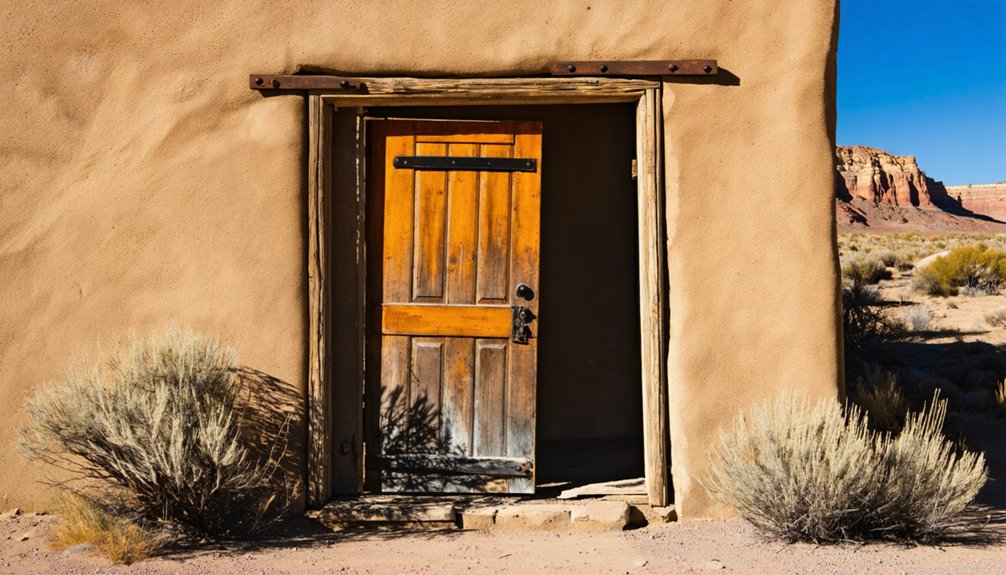
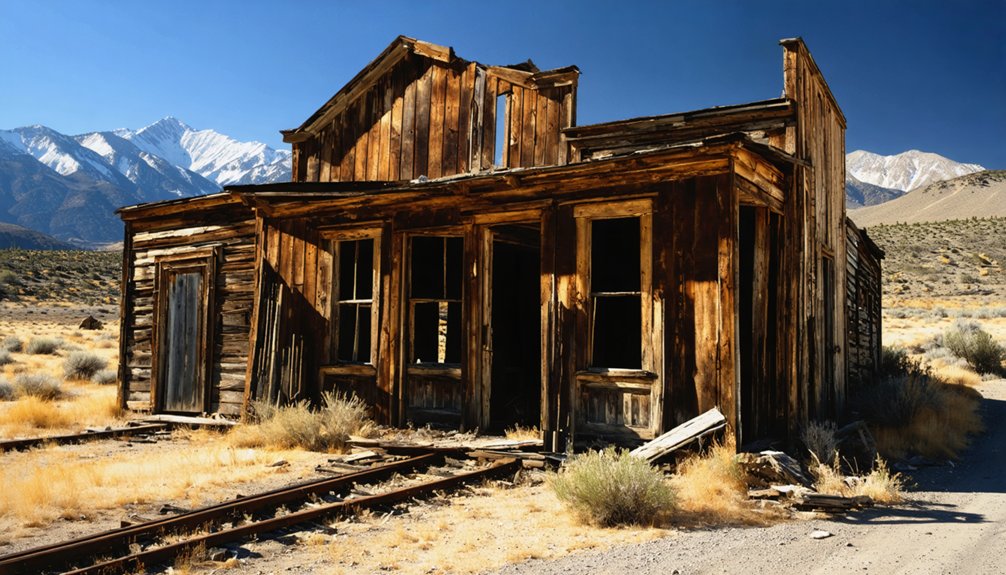
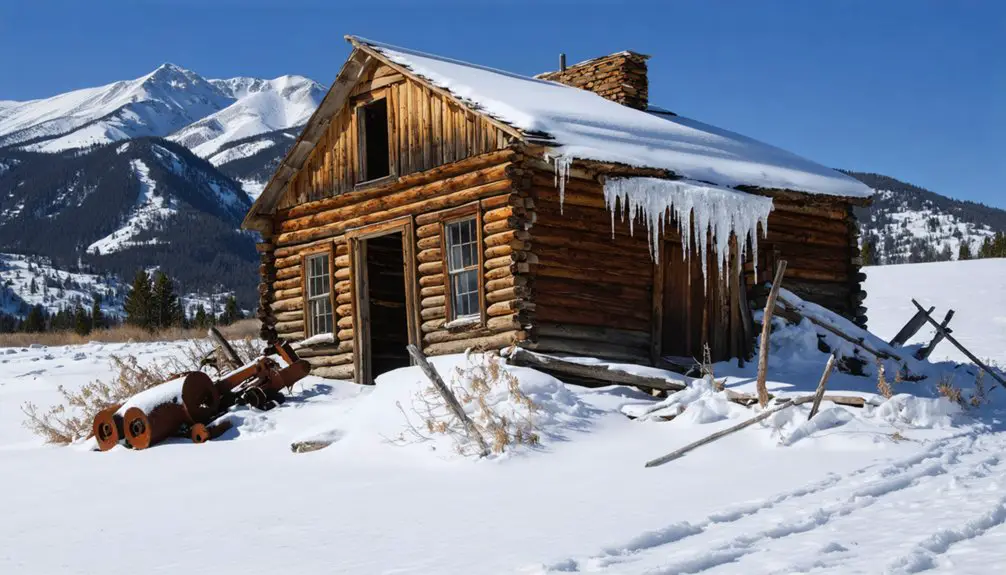
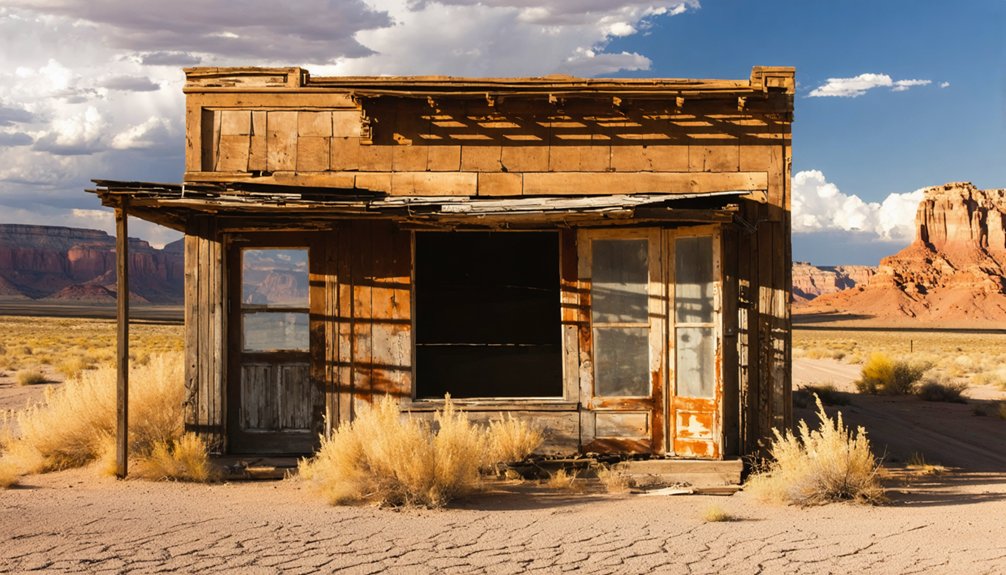
What’s left of Coal City doesn’t announce itself — it simply endures. As you walk the site along the Nine Mile Canyon Backcountry Byway, you’ll encounter log cabins weathered by decades of high-altitude winters and the skeletal remains of foundations that once anchored a working town.
Eugene Andreini’s stone office building still stands — a rare survivor of Coal City’s brief mining resurgence — representing the kind of historical architecture that ghost town explorers live for.
Deteriorating structures and foundational outlines map the town’s former layout without a single interpretive sign guiding you. Preservation efforts here are minimal, which means what you see is raw and unfiltered.
You’re reading the landscape directly, piecing together a community that farming, coal, and the Great Depression collectively dismantled.
Other Coal City-Area Ghost Towns Along Nine Mile Canyon
Coal City doesn’t stand alone in its abandonment — Nine Mile Canyon holds several ghost towns within its corridor, each carrying its own collapsed economy and stubborn architectural remains. As you drive the Nine Mile Canyon Backcountry Byway, you’ll encounter settlements where mining history left deep scars in canyon walls and timber frames.
Each stop rewards curiosity — crumbling foundations mark where families once built ordinary lives before coal markets collapsed beneath them. Folklore legends travel with you here, whispered through wind cutting across high desert terrain.
Former company towns, long emptied of workers, still hold structural bones worth photographing. You’re moving through layered time, where economic ambition, hard extraction, and eventual silence shaped every weathered plank and stone wall lining this remote canyon corridor.
Frequently Asked Questions
What Was Coal City’s Original Name Before It Became a Mining Town?
You’ll find Coal City’s ghost town history rooted in “Oak Springs Bench,” a humble farming community established in 1885. Before the mining industry significance transformed it, settlers cultivated this rugged, high-elevation land, dreaming of agricultural freedom.
Why Did Jack Dempsey Choose Coal City for His Boxing Training?
The knowledge doesn’t explain why Jack Dempsey chose Coal City’s training locations, only that he moved there in 1923, shaping its boxing history. You’d need additional sources to uncover his true motivations.
Is the Kiva Club Building Open for Public Tours or Visits Today?
The Kiva Club’s availability isn’t confirmed, but you can explore its historic architecture and haunting local legends. You’ll discover tales of an opium den and supernatural presence that’ll ignite your adventurous, freedom-seeking spirit.
What Is the Best Season to Visit Coal City Given Its Elevation?
Summer’s gentler days make Coal City’s seasonal weather most welcoming. At 8,000 feet, elevation effects can humble even seasoned explorers, so you’ll want warm months when the mountain roads breathe freely and history whispers loudest.
Were Any Paranormal Investigations Officially Conducted at the Bowling Alley Site?
No official investigative reports exist, but haunted legends surrounding the bowling alley’s ghostly young girl draw you into its mysterious past. You’ll find only folklore guiding your exploration of this evocative, historically-grounded site of sorrow.
References
- https://en.wikipedia.org/wiki/Coal_City
- https://www.youtube.com/watch?v=ly34FxwlBvw
- https://www.ghosttowns.com/states/ut/coalcity.html
- https://freepages.rootsweb.com/~gtusa/history/ontheroad/us6g.htm
- https://www.utah.com/things-to-do/attractions/old-west/ghost-towns-in-utah/
- https://www.familysearch.org/en/wiki/Coal_City
- https://jacobbarlow.com/2022/11/21/coal-city/
- https://www.legendsofamerica.com/carbon-county-utah-ghost-towns/
- https://en.wikipedia.org/wiki/List_of_ghost_towns_in_Utah
- https://www.carbon.utah.gov/exploring-the-history-of-the-carbon-corridor/