Planning a ghost town road trip to Contention City means heading to Cochise County, Arizona, where silver fever once fueled a boomtown that collapsed within a single decade. You’ll find crumbling adobe walls, mill ruins, and a quiet cemetery along the San Pedro River, roughly 70 miles northwest of Tucson. Spring and fall offer the best conditions for exploring this raw, unfiltered slice of frontier history. Keep scrolling to uncover everything you’ll need before you go.
Key Takeaways
- Contention City is located in Cochise County, AZ, roughly 70 miles northwest of Tucson, near Tombstone and the San Pedro River.
- Travel via I-10 east to Benson, then south on AZ Route 90 toward the San Pedro River bottomlands with minimal signage.
- Visit in spring or fall for mild weather; avoid summer monsoon season due to serious flash flood risks.
- Key site features include adobe ruins, mill foundations, cellar holes, a small cemetery, and railroad remnants.
- Bring water, offline maps, sturdy boots, and sun protection, as no services are available onsite.
What Is Contention City, Arizona?
Once a thriving silver milling hub in southeastern Arizona’s Cochise County, Contention City rose and fell within a single decade, leaving behind little more than scattered adobe walls and cellar holes along the San Pedro River.
Founded around 1879–1880, it processed ore from Tombstone’s legendary mines.
The town ran three mills at its peak and hosted two railroads.
How To Get To Contention City
If you’re heading to Contention City, Tucson serves as your most practical major city launching point, sitting roughly 50 miles to the northwest.
You’ll want to drive southeast toward Benson, then follow the San Pedro River corridor down into Cochise County, keeping an eye out for the markers that signal the San Pedro Riparian National Conservation Area.
The site sits about 10 miles from Tombstone, so combining both stops makes for a rewarding ghost town road trip through Arizona’s storied silver country.
Nearest Major City Access
Tucson serves as your best launching point for reaching Contention City, sitting roughly 70 miles to the northwest and offering the nearest airport, fuel, and supplies before you head into the San Pedro River basin.
Stock up on water and provisions there, because visitor amenities disappear once you cross into the San Pedro Riparian National Conservation Area.
The road leads you through open desert scrubland where local wildlife — javelinas, raptors, and mule deer — outnumber any human presence for miles.
From Tucson, take Interstate 10 east toward Benson, then navigate south toward the river bottomlands.
Bisbee and Sierra Vista offer closer fuel stops if you’re cutting across from the south.
Either way, arrive prepared — Contention City rewards the self-sufficient traveler.
Driving Routes And Landmarks
From Benson, head south on Arizona State Route 90 toward Sierra Vista, keeping your eyes peeled for the turnoff that drops you toward the San Pedro River bottomlands — the same route that stagecoaches once ran between Tucson and Tombstone.
The dirt roads leading into the San Pedro Riparian Conservation Area reward patient explorers with wildlife sightings and striking local flora lining the riverbanks.
- Watch for cottonwood groves marking the river’s path — your natural compass toward the ruins
- Expect white-tailed deer, javelinas, and migratory birds as trail companions
- Bring a detailed BLM map; signage is minimal and the terrain demands self-reliance
The scattered adobe remnants appear quietly, almost reluctantly, rising from scrubland where silver once built an entire civilization practically overnight.
What You’ll See at the Ghost Town Today
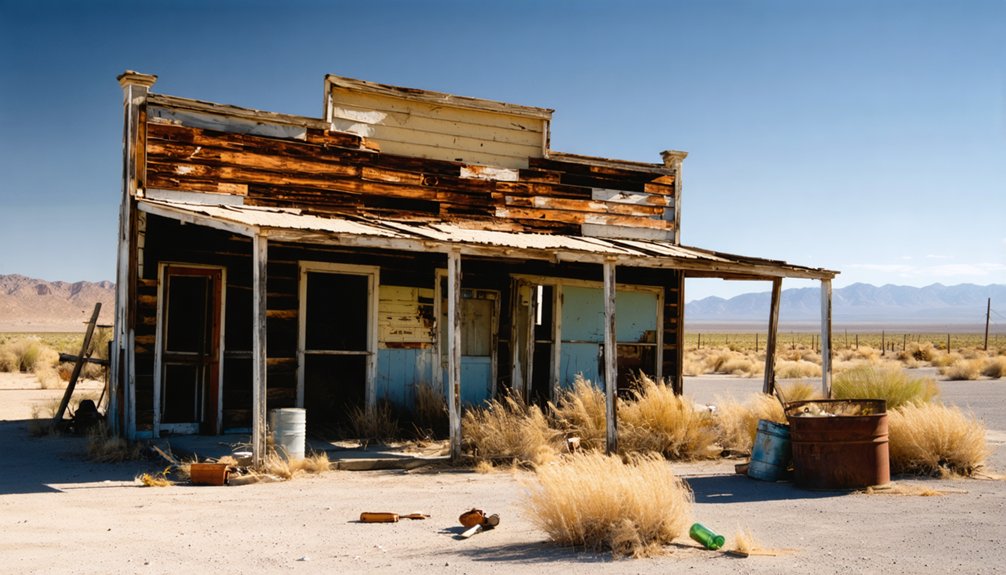
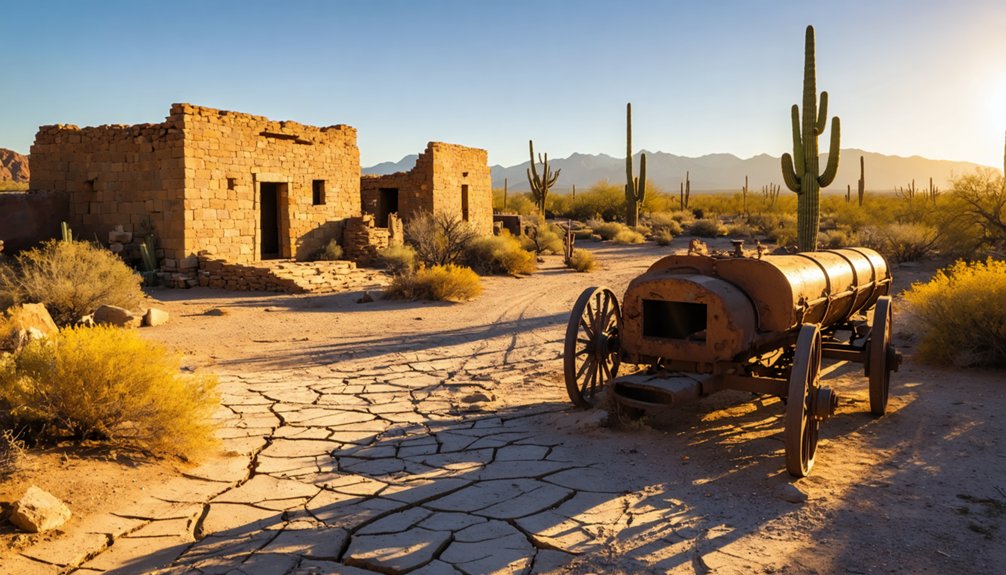
When you arrive at Contention City, you’ll find scattered adobe walls, crumbling foundations, and cellar holes where a thriving silver milling town once stood.
You can pick out the ghostly remnants of the mill operations and a small cemetery, both quietly testifying to the community’s industrious, if short-lived, past.
Historical markers dot the site, giving you enough context to piece together the story of a town that processed Tombstone’s silver fortune before vanishing almost entirely by 1890.
Adobe Walls And Foundations
What remains of Contention City today is a humbling reminder of how quickly a boomtown can vanish. You’ll walk terrain where silver wealth once fueled an entire economy, now marked only by crumbling adobe walls, cellar holes, and stubborn fence posts.
The archaeological significance here is undeniable — these fragments aren’t decoration; they’re evidence.
Historic preservation efforts remain minimal, which means you’re experiencing the site raw and unfiltered, exactly as freedom-seekers prefer.
Watch for:
- Scattered adobe wall remnants rising from the desert floor
- Stone foundations outlining structures that once housed 80 mill workers
- Cellar depressions marking where daily frontier life actually happened
Bring water, wear boots, and respect what little survives. This land doesn’t ask permission to humble you.
Mill And Cemetery Remnants
Beyond the adobe ruins, two more fragments of Contention City’s industrial past demand your attention: the mill ruins and a small cemetery. The Grand Central, Head Center, and Contention mills once thundered with ore processing, anchoring the region’s silver rush and shaping its mining history.
Today, you’ll find scattered foundations where those massive stamp mills stood, silent monuments to an industry that collapsed when floodwaters and falling silver prices ended everything.
Walk further and you’ll discover a small cemetery with stone foundations marking its boundary. Few graves are clearly identified, yet standing there connects you directly to the workers who built this place.
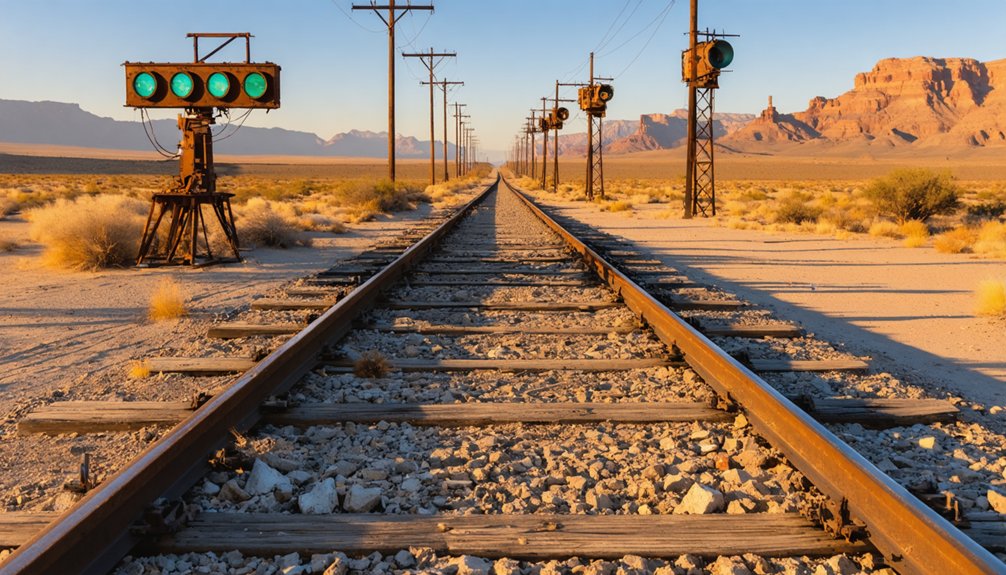
Railroad remnants nearby remind you that two rail lines once crossed this ground before progress abandoned Contention City entirely, leaving only wind, rubble, and memory behind.
Historical Markers Present
Though Contention City left little standing, occasional historical markers punctuate the landscape, giving context to the rubble and adobe fragments scattered around you. These weathered signs connect you directly to the silver rush era that once fueled an entire economy.
As you explore, you’ll encounter:
- Mill site markers identifying where the Grand Central and Contention mills once processed Tombstone’s silver ore
- Preservation efforts by the Bureau of Land Management that protect remaining foundations within the San Pedro Riparian National Conservation Area
- Wildlife habitat signage highlighting the thriving riparian ecosystem that now reclaims what civilization abandoned
These markers don’t sanitize history — they sharpen it. You’re standing where 80 workers once clocked in, where railroads rumbled, and where silver dreams eventually drowned.
The Best Time To Visit Contention City
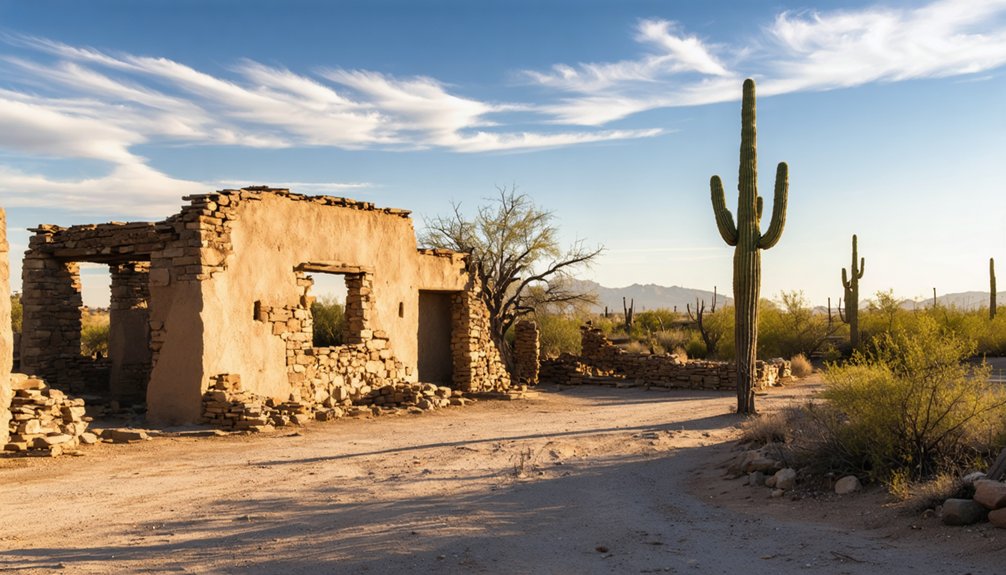
Since Contention City sits within the San Pedro Riparian National Conservation Area, timing your visit smartly makes all the difference. Seasonal weather defines your experience here. Spring and fall deliver mild temperatures, manageable trails, and dramatic desert light perfect for photography tips worth following — shoot golden hour when long shadows stretch across crumbling adobe walls, revealing textures that midday sun completely flattens.
Avoid summer monsoon season unless you’re prepared for flash flooding along the San Pedro River, which can cut off access entirely. Winter visits offer crisp air and fewer crowds, letting you wander the scattered ruins in genuine solitude.
Whenever you go, arrive early. This remote site rewards those who move freely through it before the desert heat claims the day.
What To Bring for a Remote Arizona Ghost Town
Contention City offers no services, no shade structures, and no rescue if you’re underprepared — so pack deliberately. The San Pedro desert heat hits hard, and the remote terrain demands respect. Follow basic safety precautions: tell someone your plans, carry more water than you think you need, and wear sun protection.
For photography tips, arrive during golden hour when low light dramatizes the crumbling adobe walls and scattered foundations beautifully.
- Water and snacks: Carry at least two liters per person; there’s nothing nearby
- Navigation tools: Cell service is unreliable — download offline maps beforehand
- Camera gear: A wide-angle lens captures the expansive ruins and riparian landscape surrounding this forgotten silver hub
Come prepared, and Contention City rewards your effort with raw, unfiltered history.
Nearby Ghost Towns Worth Adding to Your Route
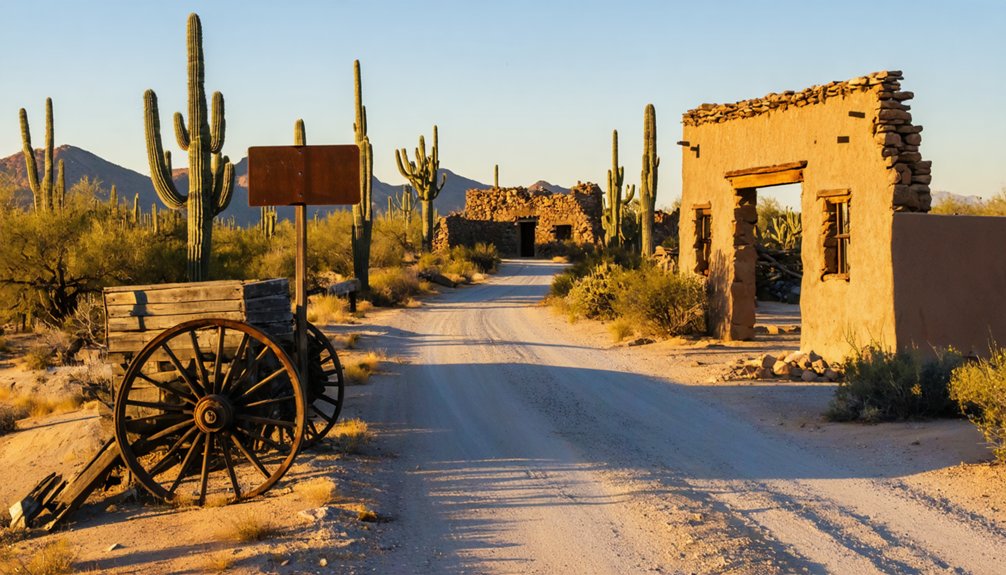
Once you’ve packed your kit and made the drive out to Contention City, you’re already deep in Cochise County’s ghost town corridor — and it’d be a shame to stop at just one crumbling silver hub. Tombstone sits just 10 miles southeast, still breathing with preserved storefronts and boot hill legends.
Push further and you’ll hit Fairbank, the railroad stop that fundamentally replaced Contention City, where adobe ruins stand in quiet defiance along the San Pedro.
Local wildlife — herons, javelinas, hawks — roam freely through these abandoned spaces, indifferent to the preservation challenges that plague underfunded sites.
Each town tells a connected story of silver fever, railroad politics, and hard collapse. String them together, and you’ve got one of the Southwest’s most honest road trips.
Frequently Asked Questions
Was Contention City Ever Featured in Western Films or Documentaries?
The knowledge doesn’t confirm film appearances, but you’ll find Contention City’s raw ruins captivate history seekers. Embrace ghost town preservation and historic site tourism as you explore this adventurous, freedom-calling landscape where silver-rush legends truly breathed.
Are There Guided Tours Available Specifically for Contention City?
No formal guided tours or historical reenactments exist here. You’ll wander freely through sun-bleached adobe ruins and whispering desert winds, charting your own path across Contention City’s forgotten, crumbling landscape — raw, unfiltered history awaiting your discovery.
Is Metal Detecting or Artifact Collecting Permitted at the Site?
You can’t metal detect or collect artifacts here — strict metal detecting regulations and artifact collection policies protect Contention City’s fragile history. The Bureau of Land Management enforces these rules, preserving those silent adobe ruins for every future freedom-seeking explorer.
Has Any Significant Archaeological Excavation Work Been Done Here?
Formal archaeological discoveries remain scarce here. With over 130 years of abandonment, Contention City’s excavation history is largely untouched — you’re stepping into a site where secrets still lie buried beneath the desert floor, waiting to be uncovered.
Are There Any Annual Historical Events Commemorating Contention City?
You won’t find annual historical preservation events commemorating Contention City, but don’t let that stop you — explore this raw, untamed ghost town on your own terms, discovering its forgotten tourist attractions and writing your own history.
References
- https://en.wikipedia.org/wiki/Contention_City
- https://www.youtube.com/watch?v=ulu6ThKnOEA
- https://www.desertlavender.com/southern-arizona/dragoons/contention-city.php
- https://www.facebook.com/groups/abandonedrails/posts/7713061735393941/
- https://www.youtube.com/watch?v=_cwJJDNJdbQ
- https://www.youtube.com/watch?v=iSlQkpNQhg8
- https://www.destination4x4.com/contention-city-arizona-cochise-county/
- https://www.ghosttowns.com/states/az/contentioncity.html