Planning a ghost town road trip to Dudley, Idaho starts with a 7-mile drive south of Cataldo along Dudley Road. You’ll find remnants of an old hotel, boarding house, and dance hall tied to mining and bootlegging history. Visit in late spring or early fall for the best road conditions. Respect posted no-trespassing signs, pack layered clothing and emergency supplies, and explore deliberately. There’s far more to uncover about this frozen-in-time frontier town ahead.
Key Takeaways
- Dudley, Idaho, located 7 miles south of Cataldo, features remnants like an old hotel, boarding house footprint, and dance hall evidence worth exploring.
- Visit in late spring or early fall to enjoy clear roads, wildflowers, or foliage while avoiding winter snowfall and road blockages.
- Pack layered clothing, waterproof boots, a first aid kit, extra water, and snacks to prepare for unpredictable weather conditions.
- Always respect posted no-trespassing signs along Dudley Road, as current residents legally own portions of the ghost town property.
- Pair your Dudley visit with nearby ghost towns like Leesburg and Gilmore for a broader perspective on Idaho’s frontier history.
Why Dudley, Idaho Still Draws Ghost Town Explorers
Tucked 7 miles south of Cataldo in Kootenai County, Dudley, Idaho carries the kind of layered history that keeps ghost town explorers coming back.
You’ll find Dudley lore woven through mining stories, bootlegging tales, and ghost town legends that paint a picture of a once-thriving community. Forgotten histories surface everywhere you look, from the last standing hotel to crumbling foundations that whisper local myths about who lived and worked here.
You’re free to piece together the story yourself, following exploration tips that prioritize respect for private property and seasonal road conditions.
Explore at your own pace, respecting private property boundaries and checking road conditions before venturing out each season.
Whether you’re chasing photography ideas among weathered remnants or simply craving unfiltered history, Dudley rewards curious travelers who appreciate raw, authentic places untouched by commercialization.
The Rise and Fall of Dudley, Idaho’s Bootlegging Boomtown
Dudley’s pull on ghost town explorers goes deeper than weathered wood and crumbling foundations — it’s rooted in a history as rough and rowdy as the Idaho terrain surrounding it.
The town earned its name from the couple who discovered the site, and it quickly grew into a hub of mining legacy, logging, and bootlegging history that kept residents both busy and bold. A grocery store, hotel, boarding house, and upstairs dance hall once filled streets that hummed with activity.
Then the 1950s arrived, the bridge to Tamarack Ridge collapsed, and Dudley’s connection to the outside world effectively died.
What remained was a population of roughly 18 people — mostly family — holding onto land that once buzzed with frontier defiance. You can still feel that defiance today.
What’s Still Standing in Dudley Today?
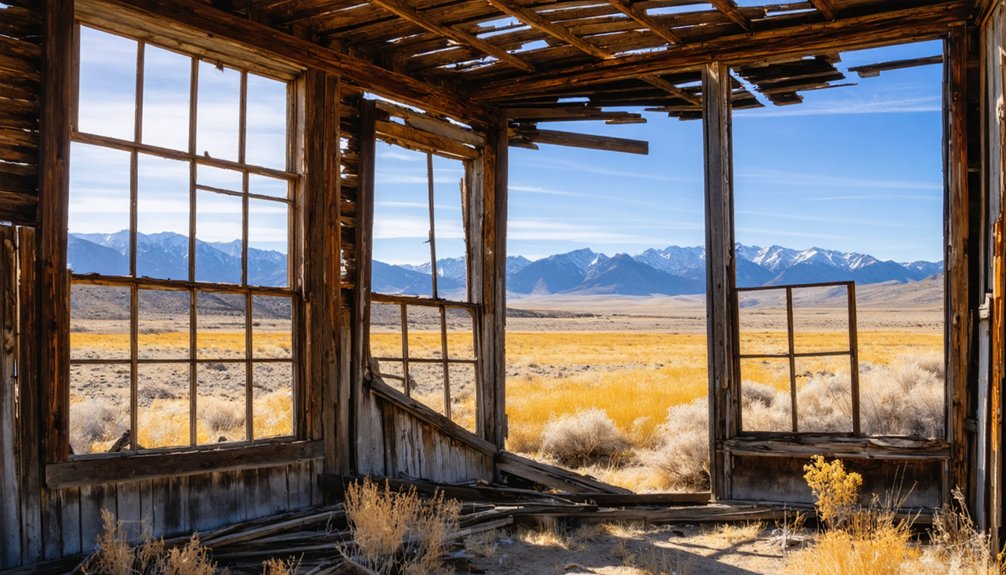
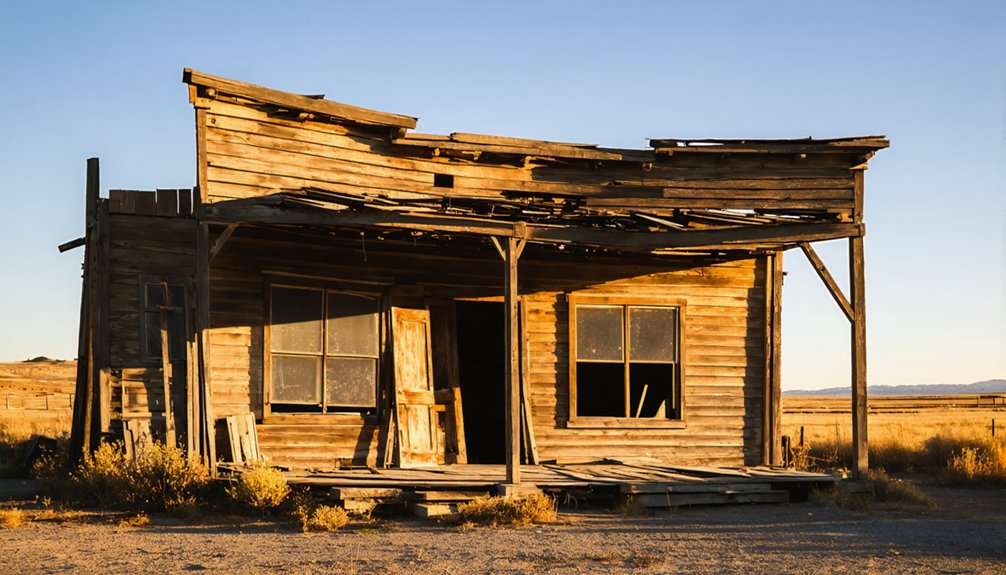
Though time has stripped Dudley down to its bones, what’s left still tells a compelling story. The Dudley architecture that survives hints at a livelier past, and the historical remnants scattered across the property reward curious explorers.
Here’s what you’ll find:
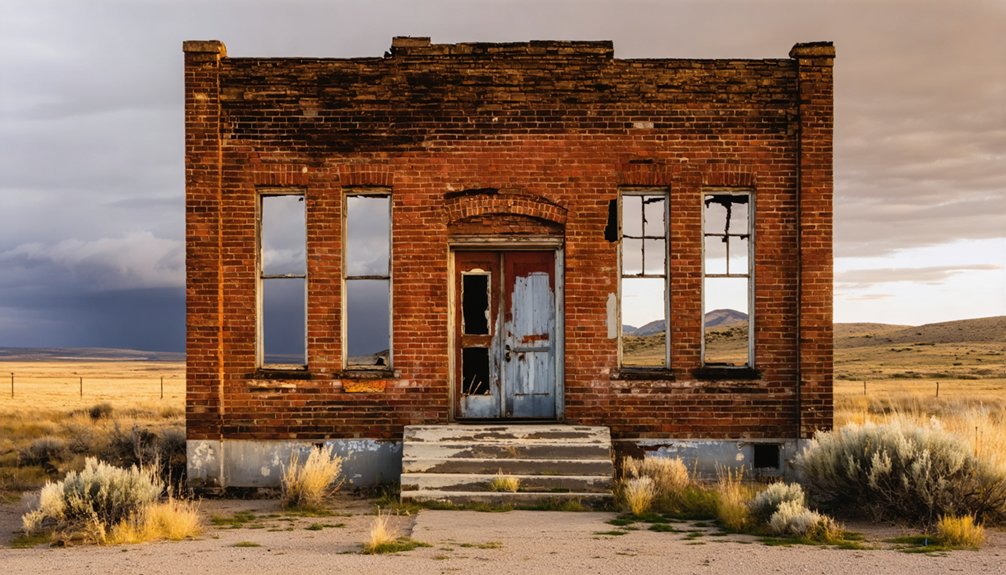
- Old Hotel – The last standing structure, perfect for ghost town photography.
- Dudley Family Foundation – Stone remnants of the original homestead.
- Boarding House Footprint – Traces of where miners and loggers once slept.
- Dance Hall Evidence – Upstairs remnants tied to local legends of wild nights.
You’re walking through living history here. Respect the private property boundaries, document everything photographically, and let the silence speak. Dudley doesn’t need much to leave a lasting impression.
How to Get to Dudley From Cataldo
Getting to Dudley takes just 7 miles of driving south from Cataldo along Dudley Road, and your standard 2WD vehicle handles the route without any trouble.
Dudley accessibility makes this ghost town an easy, rewarding detour for independent travelers craving open road exploration.
Plan your visit around late spring or early fall to dodge winter snowpack and seasonal flooding that can complicate travel.
Road conditions shift quickly in this region, so check local forecasts before heading out.
Once you arrive, Dudley history surrounds you immediately — remnants of a once-lively mining and logging community emerge through foundations and weathered structures.
Respect posted no-trespassing signs on private property.
You’re free to explore responsibly, absorbing the atmosphere of a town that time quietly left behind.
Best Time of Year to Visit Dudley, Idaho
You’ll want to plan your visit to Dudley during late spring or early fall, when the roads are clear of snow and the seasonal flooding has subsided.
Winter snowfall and spring floods can make Dudley Rd treacherous, so checking road conditions before you head out is essential.
Hot summers are manageable, but the shoulder seasons offer the most comfortable and accessible experience for exploring the town’s remaining foundations and structures.
Ideal Seasonal Visit Windows
When you’re planning a ghost town road trip to Dudley, Idaho, timing your visit around the seasons can make or break the experience.
Weather considerations directly impact road accessibility and overall enjoyment. Here are the seasonal highlights broken down:
- Late Spring – Snow melts, roads clear, wildflowers emerge; ideal conditions for exploration.
- Summer – Hot temperatures make hiking uncomfortable; flash flooding remains a risk.
- Early Fall – Cooler temps, stunning foliage, dry roads; arguably the best window.
- Winter – Heavy snowfall blocks 2WD access entirely; avoid unless equipped.
Late spring and early fall consistently deliver the safest, most rewarding visits.
You’ll navigate Dudley Rd comfortably, explore remnants freely, and photograph the landscape without battling extreme weather.
Plan accordingly and you’ll maximize every mile.
Weather and Road Conditions
Late spring and early fall hit the sweet spot. Snow’s retreated, flood levels have dropped, and the heat hasn’t turned oppressive yet.
Before you head out, check current road conditions — Dudley Road handles 2WD vehicles, but seasonal shifts change everything fast.
Respect the terrain, come prepared, and you’ll move through this forgotten corner of Idaho on your own terms.
Road and Weather Conditions to Plan Around
Dudley’s remote location means road and weather conditions can make or break your visit. Seasonal changes dramatically affect accessibility, so understanding road safety before heading out keeps your adventure on track.
Plan your timing around these four key factors:
- Winter brings heavy snow, making roads treacherous and potentially impassable.
- Spring triggers flooding, washing out low-lying roads near the site.
- Late spring offers clear, dry roads ideal for 2WD vehicles.
- Early fall delivers stable weather before winter conditions return.
Always verify current road conditions before departing Cataldo. The 2WD-accessible route along Dudley Road is manageable, but unpredictable Idaho weather demands respect.
Pack layers, carry emergency supplies, and stay flexible — freedom means being prepared for anything nature throws your way.
How to Visit Dudley Without Crossing the Wrong Line
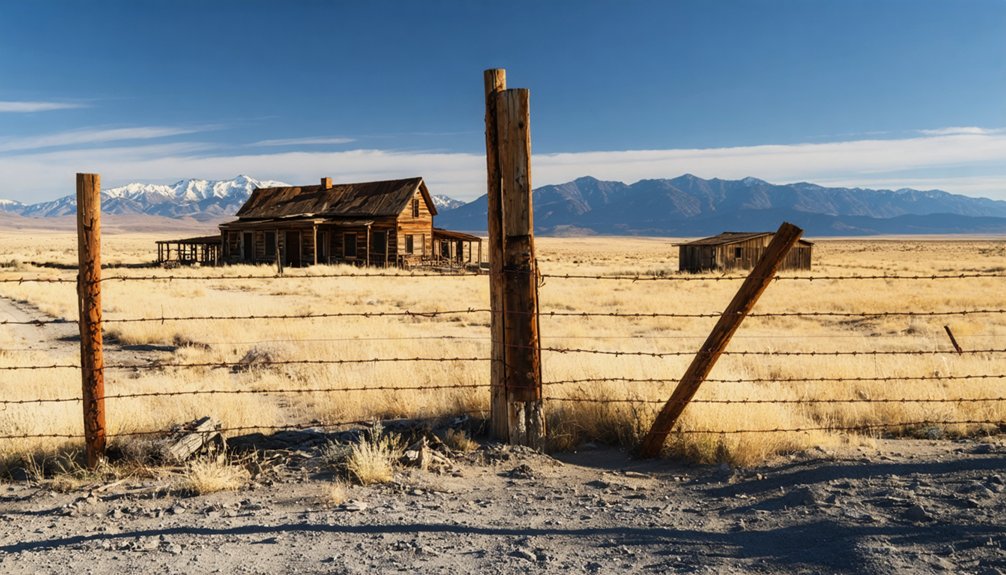
When you arrive in Dudley, you’re stepping onto land that current residents like the Christmans and Ellises still own and maintain, so you’ll need to treat it with respect.
You should watch for no-trespassing signs and stay on accessible paths rather than wandering onto private lots. Crossing those boundaries doesn’t just risk a legal issue—it disrespects the living history that these landowners actively preserve.
Respect Private Property Boundaries
Visiting Dudley means stepping onto land that still belongs to real families — the Christmans, the Ellises, and others who’ve quietly held onto their pieces of this faded town.
Boundary awareness isn’t optional here; it’s the foundation of responsible exploration.
Practice solid property etiquette by following these four rules:
- Honor no-trespassing signs — they’re posted for a reason, and ignoring them carries legal consequences.
- Stay on public roads — Dudley Rd gets you close enough to absorb the atmosphere.
- Don’t touch or remove anything — foundations and remnants belong to someone.
- Keep noise minimal — residents still live nearby.
You came for history, not confrontation. Respecting these boundaries keeps Dudley accessible for every explorer who follows you.
Read No-Trespassing Signs
A handful of no-trespassing signs scattered along Dudley Rd carry real legal weight, so you’ll want to read them carefully rather than treat them as background scenery.
Current residents like the Christmans and Ellises still own and actively use portions of this ghost town, meaning your freedom to explore has clear boundaries.
Ghost town etiquette demands you treat every posted sign as a firm boundary, not a suggestion.
Private property awareness keeps you out of legal trouble and preserves access for future visitors who share your curiosity.
When you spot a sign, stop, respect it, and redirect toward publicly visible remnants like foundations and the old hotel.
That approach lets you absorb Dudley’s rich history without stepping across a line that carries real consequences.
What to Pack for Dudley’s Unpredictable Idaho Climate
Dudley’s Idaho climate doesn’t play by a single set of rules—you’ll encounter snow-dusted roads in winter, sweltering heat in summer, and spring flooding that can make access genuinely tricky.
Smart packing tips guarantee you’re prepared for whatever Dudley throws at you. These climate essentials keep your adventure rolling freely:
- Layered clothing — temperatures shift dramatically between morning and afternoon
- Waterproof boots — muddy trails and flood-prone terrain demand solid footwear
- Sun protection — hat, sunscreen, and sunglasses for Idaho’s intense summer heat
- Emergency supplies — first aid kit, extra water, and snacks for remote stretches
Pack deliberately, stay adaptable, and you’ll navigate Dudley’s wild Idaho conditions without missing a single ghostly remnant.
Which Ghost Towns Near Cataldo Pair Well With Dudley?
Why stop at just one ghost town when Idaho’s northern region offers a compelling cluster of abandoned sites worth exploring?
Pairing Dudley with nearby relics transforms your road trip into a richer historical journey.
Chase the Leesburg Legends by heading to the Lemhi Mountains, where gold fever once drew 7,000 residents during the 1866 rush.
Today, remnants whisper stories of fortune and desperation.
Then track down the Gilmore Ghosts in Lemhi County, where a once-thriving community of 600 residents vanished after 1929, leaving foundations and silence behind.
Both destinations complement Dudley’s intimate, family-scale abandonment with larger-scale boom-and-bust drama.
Plan your route carefully, verify road conditions, and you’ll experience Idaho’s ghost town legacy across multiple unforgettable stops.
How to Plan a Full Dudley Day Trip
Planning a full Dudley day trip means starting early and building your drive around the town’s 7-mile approach south from Cataldo via Dudley Road.
Check road conditions beforehand since seasonal weather can shift quickly. Your ghost town exploration goes smoother with a clear itinerary:
Seasonal weather shifts fast—check road conditions before you go and arrive with a solid plan in hand.
- Arrive at Dudley by mid-morning to maximize daylight for photographing foundations and the old hotel.
- Respect no-trespassing signs on private property while documenting remnants.
- Combine your visit with nearby Cataldo sites for a richer historical preservation experience.
- Pack water, snacks, and layered clothing to handle heat or unexpected cold.
You’re free to roam this largely forgotten landscape, but move deliberately.
The town’s sparse eight residences and crumbling structures reward those who arrive prepared and leave nothing behind.
Frequently Asked Questions
Who Originally Named Dudley, and How Did the Town Get Its Name?
You’ll love Dudley’s origins! A couple with the last name Dudley discovered this historic site, giving the town its name. Their historical significance lives on through the foundations and remnants you can still explore today.
What Year Did Christian Luoma Purchase a Large Portion of Dudley’s Property?
In 1923, you’ll find Christian Luoma’s property acquisition marks a moment of historical significance in Dudley’s story. He boldly purchased a large portion of the town, shaping its future and leaving a lasting legacy you can still explore today.
How Many People Lived in Dudley During Its Mid-20th Century Population Peak?
You’ll find that Dudley’s population dynamics peaked at around 18 people during the mid-20th century, mostly family members — a number that underscores the town’s historical significance as a tight-knit, self-sufficient community worth exploring freely.
What Caused Dudley to Become Isolated From the Surrounding Region?
When Dudley’s bridge to Tamarack Ridge fell in the 1950s, you’d witness transportation issues cutting the town off completely. This collapse accelerated economic decline, leaving you exploring a truly isolated, forgotten community frozen beautifully in time.
Which Current Families Own Property Within the Dudley Ghost Town Today?
Coincidentally, you’ll find the Christmans and the Ellises among the current owners tied to Dudley’s rich property history — families whose presence keeps this forgotten ghost town’s spirit unexpectedly alive today.
References
- https://www.onlyinyourstate.com/experiences/connecticut/dudleytown-ct
- https://www.ghosttowns.com/states/id/dudley.html
- https://www.youtube.com/watch?v=m0HHcI3Djcw
- https://www.youtube.com/watch?v=tdF-Fq0UrR4
- https://pinintheatlas.com/travel-blogs/ghost-towns-of-idaho/
- https://idaho-forged.com/idahos-ghost-towns-eerie-yet-approachable/
- https://visitidaho.org/things-to-do/ghost-towns-mining-history/