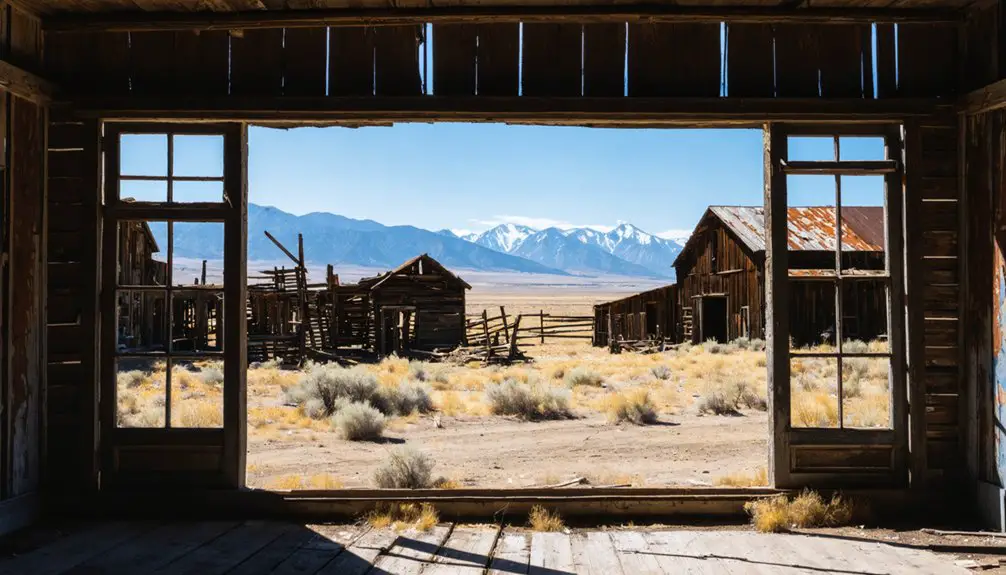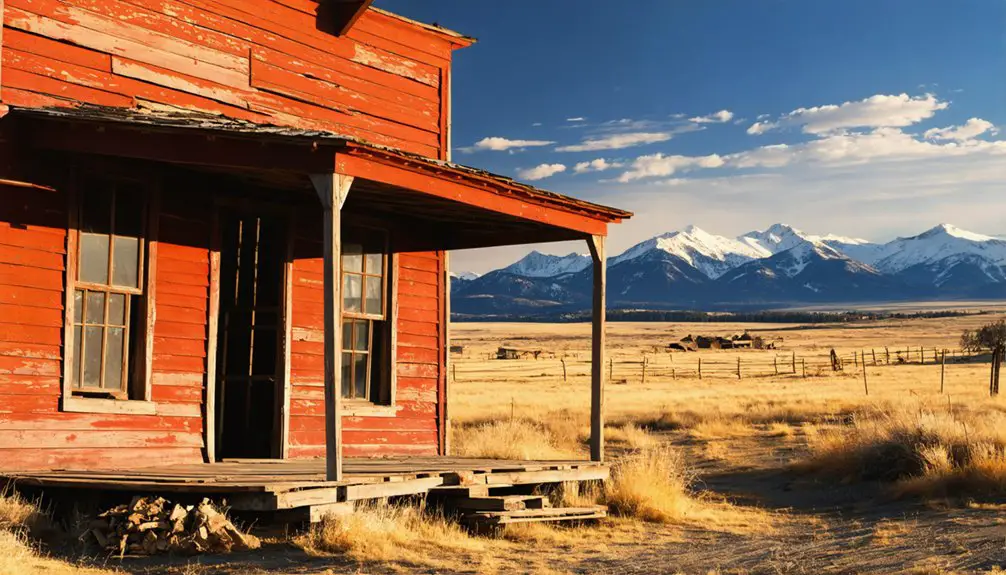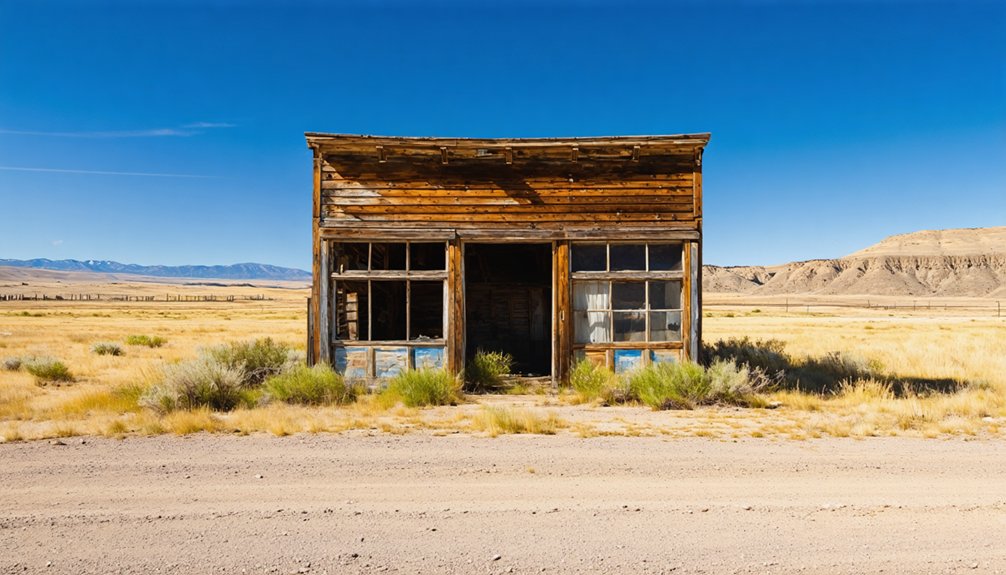
Planning a ghost town road trip to Exeter, Montana means following faded rail lines into Phillips County’s wide, wind-scoured prairie. Exeter never earned a post office, never held on long enough to become a true town, and today it’s little more than a flattened grade and scattered debris. Start your journey from Malta, pack layers, bring extra water, and download offline maps. There’s far more to this forgotten landscape than you’d first expect.
Key Takeaways
- Exeter is a Phillips County ghost town named after Exeter, England, notable for never having a post office or lasting community infrastructure.
- Malta serves as the nearest practical base, with routes transitioning from paved roads to gravel as you approach the forgotten town.
- Physical remains are minimal, consisting only of a flattened grade and scattered debris, with no standing structures remaining on site.
- Visit between June and early September to avoid brutal cold, impassable roads, and unpredictable weather across northeastern Montana’s open terrain.
- Pack layered clothing, extra water, sturdy boots, a paper map, and a charged power bank before departing for this remote destination.
Why Exeter, Montana Became a Ghost Town
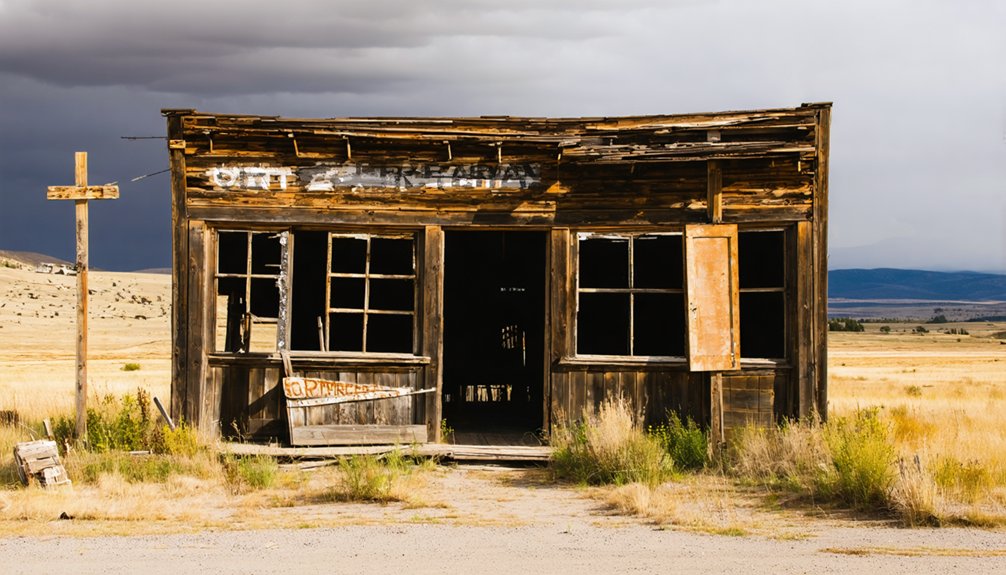
Once a modest railroad station in Phillips County, Exeter, Montana never quite found its footing. Named after Exeter, England, this quiet outpost never even secured a post office — a telling sign of its fragile existence.
Economic decline swept through swiftly, stripping away businesses and residents until nothing remained but silence and open sky.
Exeter’s ghost town history mirrors a familiar Western pattern: promise arrives, reality sets in, and people move on. Unlike mining towns ravaged by diphtheria or collapsing gold prices, Exeter simply faded when the economic foundation crumbled.
No dramatic disaster, just a quiet surrender.
For the freedom-seeking traveler, that understated ending makes Exeter compelling. You’re not chasing spectacle — you’re tracing the honest, unvarnished story of a place that tried and ultimately disappeared into Montana’s vast landscape.
How To Get To Exeter, Montana
To reach Exeter, you’ll navigate the wide, windswept stretches of Phillips County in northeastern Montana, where the Hi-Line country stretches endlessly beneath a vast prairie sky.
The ghost town sits along the old railroad corridor, so tracing the historic rail route gives you both direction and a sense of the frontier commerce that once breathed life into this forgotten stop.
Malta, the Phillips County seat, serves as your most practical launching point, offering fuel, lodging, and a foothold before you push out toward Exeter’s sparse, silent remains.
Reaching Exeter By Road
Getting to Exeter, Montana is half the adventure — a ghost town that never had a post office deserves a road that feels just as forgotten.
Exeter sits in Phillips County, where the high plains stretch endlessly and paved roads eventually surrender to gravel. You’ll navigate ranch roads that mirror the town’s own story — once purposeful, now quietly fading.
Exeter’s historical significance lives in its railroad origins, a station built when trains promised prosperity across Montana’s frontier. That promise collapsed under economic decline, leaving behind silence and scattered remnants.
Point your vehicle northeast, keep your tank full, and download offline maps. Cell service disappears fast out here. The isolation isn’t a warning — it’s the destination.
Exeter rewards those willing to drift beyond the comfortable and into the genuinely forgotten.
Nearest Towns And Landmarks
Exeter doesn’t announce itself — you’ll find it by reading the landscape through towns that still hold their names on the map. Malta, the Phillips County seat, sits roughly 30 miles south and serves as your last reliable stop for fuel and supplies.
Saco lies closer to the northeast, a quiet prairie outpost worth noting. Both towns carry their own historical significance, anchoring a region shaped by homesteaders, cattle drives, and forgotten railroad ambitions.
The nearby Milk River corridor offers local attractions including wildlife refuges and the Phillips County Museum in Malta, where the area’s layered past comes alive.
Use these landmarks as your compass. Exeter won’t greet you with a sign — it rewards those who arrive knowing exactly where they’ve been.
What Physical Remains Exist at Exeter’s Former Railroad Site
Unlike the dramatic mine shafts and weathered saloons that define Montana’s mountain ghost towns, Exeter’s remains are sparse — a humbling reminder that railroad towns lived and died by the tracks.
You won’t find standing structures or preserved facades here. Instead, you’ll walk terrain where the railroad remnants whisper their historical significance through subtle clues — a flattened grade, scattered debris, and earth shaped by forgotten industry.
The land holds its secrets quietly — a graded earth, forgotten debris, the ghost of industry etched into silence.
Phillips County’s wide-open landscape swallows what little Exeter left behind. That absence itself tells the story.
No post office ever operated here, no community dug deep enough roots to outlast the railroad’s indifference.
Stand where the station once received travelers and freight, and you’ll feel the particular silence of a place that never quite became anything — and then became nothing at all.
Which Ghost Towns Near Phillips County Are Worth the Drive?
After absorbing Exeter’s quiet absence, you’ll want ghost towns that give you something more tangible to stand inside — and Montana’s got plenty worth the detour.
Bannack delivers ghost town history at full volume. Founded in 1862 after a Grasshopper Creek gold strike, it swelled to 3,000 souls before the bust emptied its streets.
Walk those preserved buildings and feel the mining impact firsthand.
Elkhorn hits differently — more somber. A diphtheria epidemic swept through in 1888, killing 20% of residents.
Signs still map where buildings once stood.
Then there’s Independence, perched at 10,000 feet, where 400 residents once ran saloons and stamp mills before 1893 ended everything.
Collapsed cabins and rusted machinery are all that remain. Each town tells a different version of the same brutal story.
Where Should You Stay Near Exeter, Montana?
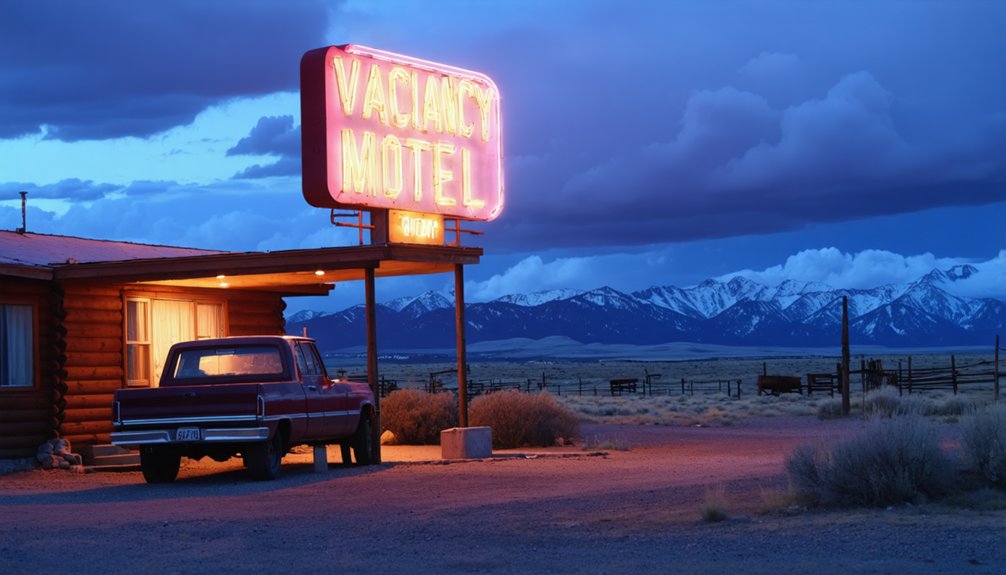
When you’re chasing ghost towns through Phillips County, you’ll want a basecamp that matches the frontier spirit of your journey.
Guest ranches like Hawley Mountain put you deep in Montana’s working landscape, where you can swap trail stories over a campfire instead of a hotel lobby.
You’ll also find primitive camping along the region’s rugged backroads, letting the same wide-open sky that once sheltered railroad workers and homesteaders stretch endlessly above your tent.
Nearby Lodging Options
Since Exeter itself is little more than a memory etched into the Phillips County landscape, you’ll need to look to nearby towns and guest ranches for a comfortable base camp.
Malta, the Phillips County seat, offers modest motels with essential lodging amenities — clean rooms, reliable Wi-Fi, and easy highway access. From there, you can chase local attractions across the Hi-Line’s sweeping grasslands without losing your bearings.
For something wilder, consider a guest ranch experience that puts you closer to Montana’s frontier soul. These working operations connect you directly to the land Exeter’s settlers once depended on.
Whether you choose a roadside motel or a ranch bunkhouse, you’ll wake up surrounded by the same vast, unforgiving sky that once watched this railroad town breathe its last.
Guest Ranch Stays
Tucked into the rolling ranchlands near Phillips County, guest ranches offer the most immersive way to experience the landscape that once sustained Exeter and its railroad settlers.
You’ll wake up to open skies and working cattle operations, connecting directly to the ranching history that replaced the boom-and-bust railroad economy.
Guest ranch activities typically include horseback riding across native grasslands, cattle drives, and guided fishing along creek corridors that homesteaders once depended on for survival.
These aren’t resort experiences — they’re genuine glimpses into Montana’s agricultural backbone.
You’ll ride the same terrain that freighters and settlers crossed when Exeter was still a living community.
For travelers chasing authentic frontier history rather than polished tourism, a guest ranch stay transforms your road trip into something genuinely unforgettable.
Camping And Outdoor Accommodations
Few accommodations capture the raw spirit of Montana’s high plains better than camping beneath the same open skies that once sheltered Exeter’s railroad workers and homesteaders.
Phillips County’s wide-open terrain rewards those craving genuine freedom.
Follow these essential camping tips: secure a site at Bowdoin National Wildlife Refuge, arrive with ample water supplies, and pack layers for dramatic temperature swings between golden afternoons and frigid nights.
Your outdoor activities naturally extend beyond Exeter’s ghostly remnants.
You’ll find exceptional birdwatching along the Hi-Line corridor, horseback exploration across unmarked prairie, and stargazing undiluted by city light. The Missouri River breaks offer rugged hiking nearby.
Sleeping under Montana’s enormous sky connects you directly to the transient souls who once called this forgotten railroad stop home.
Best Time To Visit Exeter and What To Pack

Montana’s short summer window, roughly June through early September, offers the most forgiving conditions for reaching Exeter’s sparse remains in Phillips County. This is your best season to wander Phillips County’s open range without battling brutal cold or impassable roads.
Spring thaw turns rural routes muddy and treacherous, while October brings snow without warning.
Your packing essentials should reflect the region’s unforgiving character. Layer clothing, because mornings bite even in August. Carry extra water, since services vanish long before you reach Exeter’s old railroad site.
Sturdy boots handle rough terrain where the town once hummed with activity. Bring a paper map, a charged power bank, and enough fuel to reach civilization again. This land rewards the prepared and punishes assumptions.
Frequently Asked Questions
Was Exeter, Montana Ever Featured in Any Books or Documentaries?
Like a whisper lost to prairie winds, Exeter’s literary references and documentary features remain scarce. You won’t find it celebrated on screen or page — its silence is part of the allure calling you to discover it yourself.
Are There Any Annual Events or Festivals Celebrating Exeter’s Railroad History?
You won’t find annual events celebrating Exeter’s railroad heritage, but that’s the beauty of it — you’re free to explore its historic preservation story alone, wandering untamed Montana lands where silence speaks louder than any festival ever could.
Can Visitors Legally Access and Photograph Exeter’s Remaining Railroad Site?
Like whispers of steel rails fading into Montana’s vast sky, Exeter’s minimal remains offer little to photograph. You’ll find ghost town photography challenging here, as the railroad history site’s access and legal status remain largely undocumented and unclear.
Did Exeter Have Any Notable Residents Before Becoming a Ghost Town?
The records don’t reveal any notable figures tied to Exeter’s brief existence. Its historical significance lies not in celebrated residents, but in the wandering souls you’ll imagine once walked these forgotten, wind-swept Montana plains.
How Did Exeter Get Named After Exeter, England Specifically?
The records haven’t survived time’s great erasing, but Exeter’s naming origins likely echo a settler’s homesick heart — you’ll find that Exeter history, like many Montana rail stops, quietly borrowed an Old World name to christen new beginnings.
References
- https://www.youtube.com/watch?v=-jeveG5hDXU
- https://passionsandplaces.com/elkhorn-montana-ghost-town/
- https://en.wikipedia.org/wiki/List_of_ghost_towns_in_Montana
- https://www.hawleymountain.com/a-montana-ghost-of-yesteryear/
- https://www.ghosttowns.com/states/mt/exeter.html
- https://www.distinctlymontana.com/curious-afterlife-montanas-ghost-towns