Planning a ghost town road trip to Castleton, South Dakota means heading to a hauntingly quiet Black Hills boomtown that peaked in the 1870s before collapsing by 1890. You’ll access the site via Mystic/Rochford Road and Castle Creek Road, where weathered buildings and old dredge pools still tell the story. Visit late spring through early fall for the best trail conditions. Stick around, and you’ll uncover everything you need to make this road trip unforgettable.
Key Takeaways
- Castleton, South Dakota, is a ghost town established in the 1870s gold rush, accessible via Mystic/Rochford Road and Castle Peak Road intersection.
- The Rochford Road Trailhead serves as the main access point, offering ATV trails with scenic views of Castle Creek and old dredge pools.
- Visit between late spring and early fall for optimal trail access, clear views, and stunning fall foliage while avoiding winter snow blockages.
- Scattered weathered buildings, the Glory Hunter Mine, and a roadside historical sign remain as reminders of Castleton’s brief but vibrant past.
- Visitors must respect private property boundaries, follow Forest Service regulations, and avoid removing artifacts to ensure responsible and legal exploration.
What Was Castleton, South Dakota?
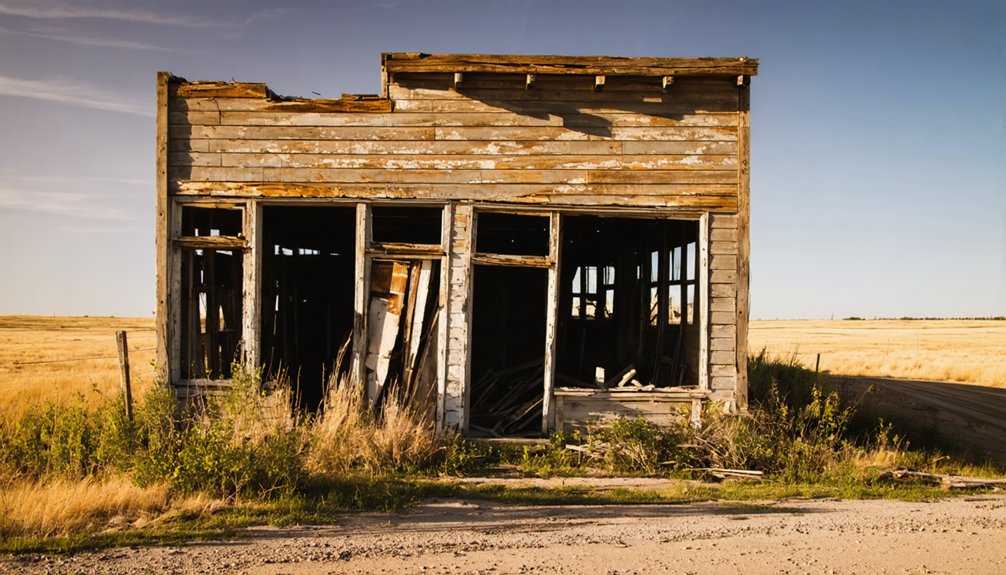
When gold fever swept through the Black Hills in the 1870s, Castleton, South Dakota, burst to life in the Castle Creek valley. Gold discoveries in 1875 drew prospectors who quickly built a thriving camp of 250 residents.
You’d have found hotels, saloons, a grocery store, and even a jewelry store lining its streets.
Miners applied ambitious mining techniques, digging a rock flume in 1876 to recover placer gold. But the flume lacked sufficient fall to carry away tailings, and by 1880, the town went silent.
Local legends tell of gold lying 25 feet deep, maddeningly out of reach. Castleton briefly revived as a railroad construction hub before final abandonment in 1890, leaving behind only whispers of its bold, gold-chasing spirit.
How Castleton Went From Mining Boomtown to Ghost Town
Castleton’s fall came as swiftly as its rise, driven by a single, stubborn engineering problem. Miners struck gold, but the ore sat 25 feet deep, buried beneath groundwater they couldn’t efficiently remove. Their mining techniques relied on a rock flume built in 1876 to carry away tailings, but the flume lacked enough slope to work properly.
Without it, operations collapsed, and Castleton emptied by 1880.
The town briefly revived when railroad crews arrived in the late 1880s, but that work eventually ended too. Later, the Evans family tried modern dredging from 1911 to 1914, only to abandon the effort when irregular bedrock blocked access to gold pockets.
These ghost town stories remind you that even promising booms can’t outrun bad geology and failed infrastructure.
How to Get to the Castleton Ghost Town Site
Finding Castleton isn’t complicated, but it does reward a little planning. Head to the intersection of Mystic/Rochford Road and Castle Peak Road in Pennington County, southwest of Mystic.
The Rochford Road Trailhead serves as your main access point, connecting you to ATV trails that wind alongside Castle Creek.
Once you’re there, you’ll notice the nearby ponds — these aren’t natural features but remnants of early mining techniques, specifically the dredge pools left behind from the Evans family’s 1911-1914 operation.
A roadside sign fills you in on the ghost town history.
Respect private property and observe Forest Service regulations as you explore.
Pack a map, since cell service is unreliable. Coordinates are N 44.062832, W -103.655657 if you’re guiding by GPS.
What’s Left to See at the Castleton Ghost Town
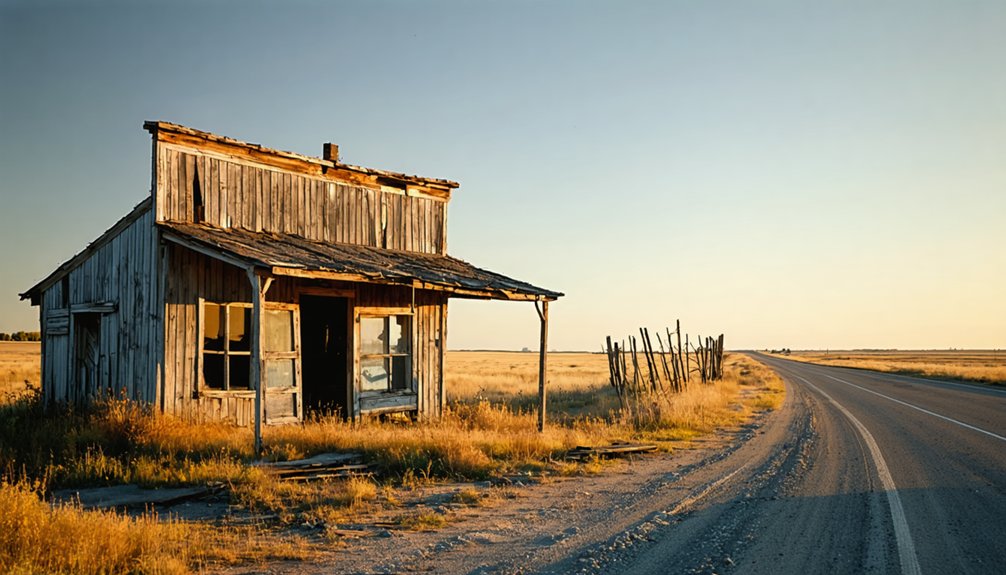
Although little of the original town survives, Castleton still offers enough to spark your imagination. A roadside sign recounts the ghost town history, grounding you in the mining legacy that shaped this valley.
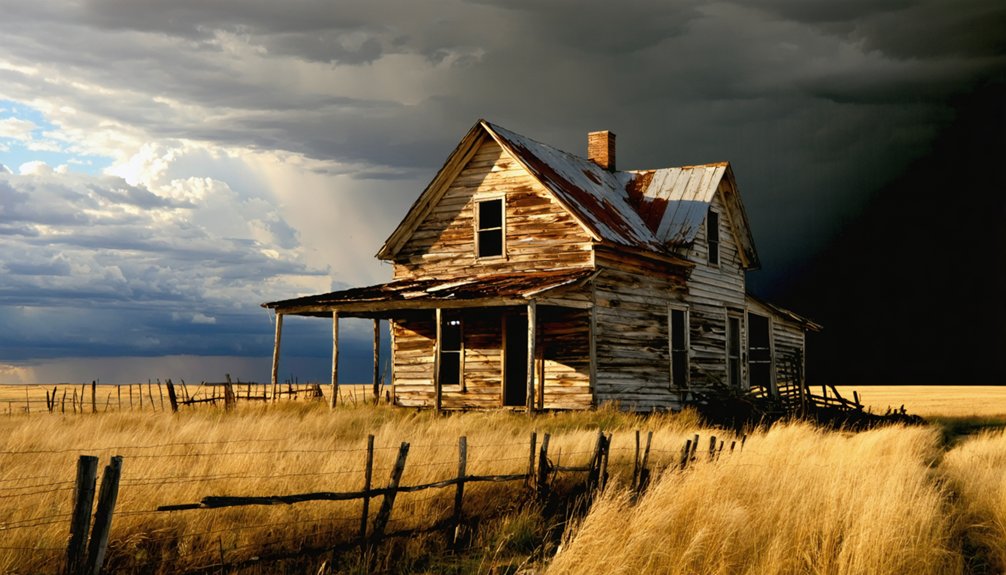
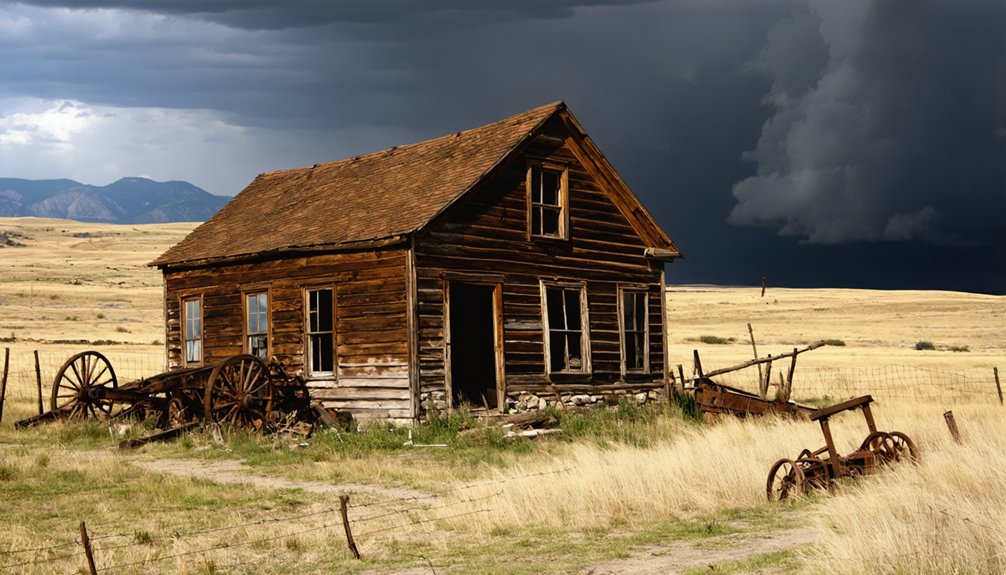
Scattered nearby, you’ll spot a few weathered buildings, remnants of an old steam barge, and the Glory Hunter Mine — quiet reminders of the ambition that once drove hundreds here.
Weathered buildings and the Glory Hunter Mine stand as quiet monuments to the ambition that once defined this valley.
The surrounding ponds aren’t natural; they’re old dredge pools, carved out during the Evans family’s early 20th-century operations. Castle Creek winds through, adding a scenic backdrop to your exploration.
A handful of modern homes now dot the area, reminding you that life continued here long after the rush ended. Respect private property and Forest Service boundaries as you take it all in.
The Best Trails and Views Near Castleton While You’re Out There
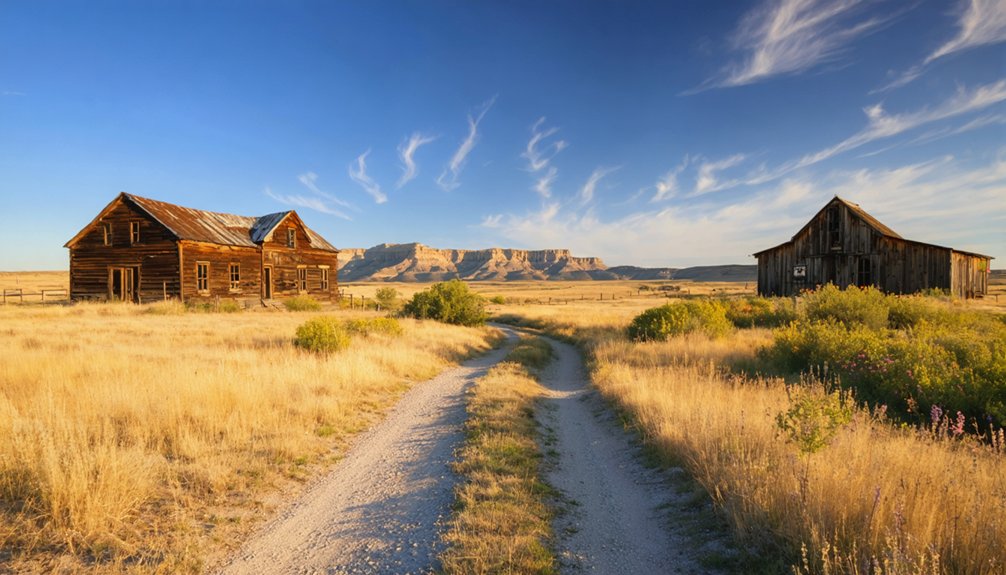
Once you’ve explored the old site, you can hop on the ATV trails from the Rochford Road Trailhead and wind through some genuinely beautiful Black Hills terrain.
The trails follow Castle Creek closely, giving you clear views of the old dredge pools that now sit as quiet, reflective ponds alongside the water.
It’s a stretch of scenery that makes the trip feel like more than just a history lesson — it’s a real ride through living landscape.
Scenic ATV Trail Routes
The ATV trails branching out from the Rochford Road Trailhead put you right in the heart of some of the Black Hills’ most rewarding scenery.
You’ll ride alongside Castle Creek, pass old dredge pools that shimmer against the tree line, and catch views of the surrounding hills that make every mile worthwhile.
Before you head out, brush up on ATV safety — wear your gear, know your machine’s limits, and don’t ride alone in unfamiliar terrain.
Trail etiquette matters out here too; yield to hikers, stay on marked paths, and respect private property boundaries near the old townsite.
These trails connect you to nearby Mystic and other Black Hills ghost towns, making it easy to turn a single stop into a full day of exploration.
Castle Creek Views
Castle Creek itself is worth stopping for, and once you’re already riding the trails near Castleton, you’re perfectly positioned to take it all in.
General Custer named this creek back in 1874, and it’s been shaping this valley ever since. The scenic views along the water reveal old dredge pools — remnants of the Evans family’s mining operation from 1911 to 1914.
These quiet ponds reflect the tree lines and surrounding Black Hills terrain, making them surprisingly photogenic stops. Castle Creek runs through land that once drove hundreds of miners to settle here, and that history adds weight to every view.
Slow down, cut the engine for a minute, and let the landscape tell its story.
Best Time of Year to Visit Castleton Ghost Town
Timing your visit to Castleton can make all the difference between a memorable adventure and a frustrating one. Late spring through early fall offers the best season for exploring this South Dakota ghost town.
Summer opens up ATV trail access from Rochford Road Trailhead, giving you clear views of the historic dredge pools and Castle Creek. Fall delivers stunning Black Hills foliage, adding atmosphere to your ghostly experiences among the remaining structures and old steam barge remnants.
Summer ATV trails reveal dredge pools and Castle Creek, while fall wraps the ruins in golden Black Hills foliage.
Avoid winter months when snow blocks mountain roads and makes navigation dangerous. Early mornings throughout summer provide cooler temperatures and softer light, perfect for photography around the site.
Whatever season you choose, check road conditions beforehand and respect both private property boundaries and Forest Service regulations.
Permits, Parking, and Road Conditions at Castleton
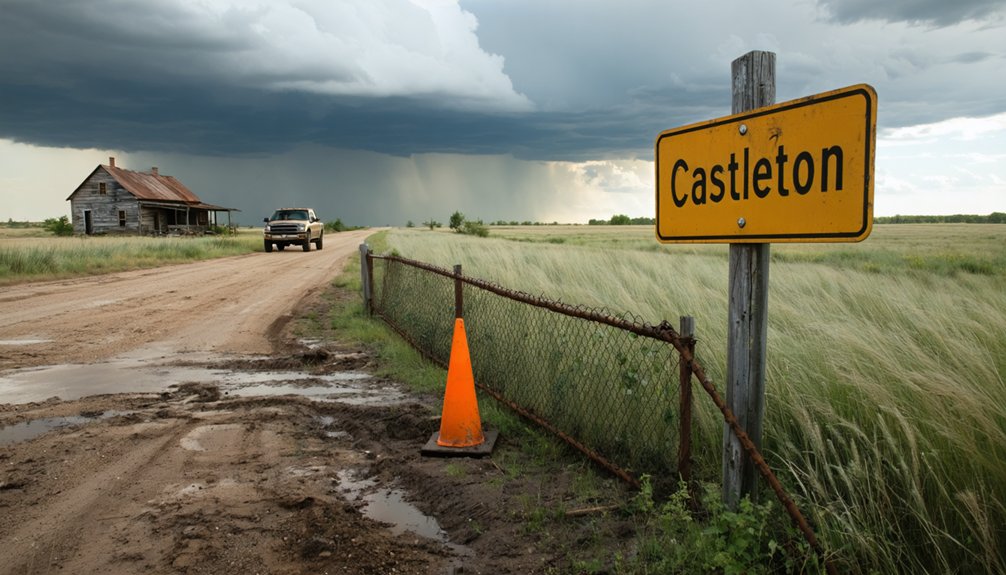
Before you load up the ATV and head toward Castleton, you’ll want to nail down the logistics that can make or break your ghost town excursion.
The Rochford Road Trailhead serves as your primary access point, offering parking options for vehicles and trailers. Check permit requirements with the Black Hills National Forest before departure, as rules governing ATV use on Forest Service land can shift seasonally.
Castle Peak Road connects to the site, but don’t expect pavement. Conditions range from manageable gravel to rutted two-track depending on recent weather.
Spring mud and winter snowpack can shut down access entirely. Always scout current road conditions before committing to the route.
Respect private property boundaries around the old townsite, since several modern residents still live near the historic location.
Ghost Towns Near Castleton to Add to Your Route
Once you’ve sorted parking and road access, Castleton pairs naturally with several other ghost towns scattered through the Black Hills, making it easy to string together a full day of exploration.
Mystic sits just northeast and shares a similar mining history, giving you another layer of context for the region’s boom-and-bust cycles. Cold Springs and Carwye round out the network, each offering abandoned structures worth investigating at your own pace.
You’re not locked into a rigid itinerary here — the roads connect these sites organically, letting you move freely between stops. Bring a detailed map, respect private property boundaries, and follow Forest Service guidelines.
The Black Hills reward curious travelers who take time to piece together the human stories behind each forgotten settlement.
Private Property Lines, Forest Service Rules, and What Not to Touch
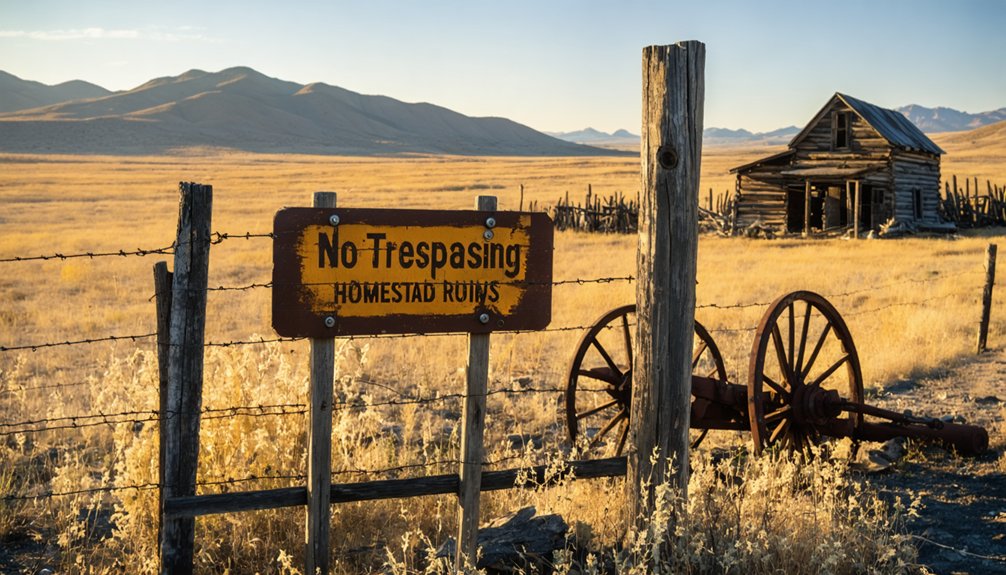
When you visit Castleton, you’ll notice the old site sits alongside private property and Forest Service land, so you need to stay aware of boundary lines and posted signs before you wander off the trail.
Follow all Forest Service regulations, which typically prohibit digging, removing artifacts, or disturbing historical structures — and yes, that steam barge fragment and any mining relics you spot fall under those protections.
If you find an arrowhead, a rusted tool, or a chunk of old equipment, leave it exactly where it sits, because taking artifacts is illegal and robs future visitors of the experience you’re enjoying right now.
Respect Private Property Boundaries
Exploring Castleton means traversing a patchwork of private land and Black Hills National Forest property, so you’ll want to know where one ends and the other begins before you wander too far from the trail.
Boundary awareness isn’t just legal common sense — it’s core to property rights and keeping these historic sites accessible for future visitors. Several modern homes now sit within the old townsite, and residents still live there.
Treat the area as you’d want someone to treat your own land. Stick to established ATV trails from the Rochford Road Trailhead, read posted signage carefully, and don’t assume that open land is public land.
When in doubt, back up and find another route. Respecting these boundaries helps preserve access for every ghost town explorer who follows you.
Follow Forest Service Regulations
Because Castleton sits within a mix of Black Hills National Forest and private land, you’ll need to understand Forest Service regulations before you rev up your ATV and hit the trail.
Stay on designated paths from the Rochford Road Trailhead, since cutting new routes damages ecosystems and violates forest conservation standards. Don’t collect artifacts, disturb mine remnants, or touch the old steam barge fragments — historical preservation laws protect these remnants.
Campfires require permits in specific zones, and certain areas restrict motorized vehicles entirely. Check current Black Hills National Forest guidelines online before departing, since seasonal closures shift regularly.
When you respect these boundaries, you protect both the landscape and Castleton’s fragile remaining structures for future explorers who’ll want the same experience you’re chasing today.
Leave Artifacts Untouched
Castleton’s scattered remnants — rusted machinery, dredge fragments, and the ghostly outline of the old steam barge — tempt curious hands, but you’ll want to keep yours to yourself.
Artifact preservation isn’t just a guideline here; it’s the difference between future visitors experiencing Castleton’s historical significance and finding an empty field.
Forest Service regulations prohibit removing or disturbing objects on federal land, and private property boundaries aren’t always marked. That rusted gear half-buried near the Glory Hunter Mine? Leave it exactly where it sits.
The dredge pools and surrounding structures represent over a century of mining history that no museum can replicate in context.
Photograph everything, touch nothing. Your restraint guarantees Castleton’s story stays intact for every road-tripper who follows your tracks.
Frequently Asked Questions
Are There Guided Ghost Town Tours Available for Castleton and Nearby Sites?
No specific guided tours are mentioned for Castleton, but you’ll find its historical significance engaging as you independently explore nearby ghost towns. Research local Black Hills tour operators, as they often offer guided tours of the region.
Can You Camp Overnight Near the Castleton Ghost Town Site?
You’ll want to follow Black Hills Forest Service camping regulations near Castleton’s ghost town site. Explore nearby campgrounds for overnight stays, respecting private property boundaries while you soak in the freedom of South Dakota’s wild, historic landscape.
Is Castleton Ghost Town Accessible for Visitors With Limited Mobility?
Castleton’s rugged ATV trails present mobility challenges, but you’ll still find accessibility options nearby. You can explore the scenic creek views and historic dredge ponds from roadside stopping points, soaking in this wild ghost town’s untamed spirit.
Are Metal Detectors Allowed at the Castleton Ghost Town Site?
You’ll need to check metal detecting rules before visiting, as Forest Service regulations typically restrict collecting historical artifacts. Respect these guidelines to preserve Castleton’s rich mining heritage for fellow freedom-seeking adventurers exploring South Dakota’s fascinating ghost towns.
What Wildlife Might You Encounter While Visiting the Castleton Area?
The Black Hills hosts over 175 wildlife species! While exploring Castleton, you’ll spot white-tailed deer, wild turkeys, and coyotes roaming freely. Bird watching reveals majestic eagles and hawks soaring above Castle Creek’s scenic, untamed landscape.
References
- https://blackhillsatvdestinations.com/castleton-ghost-town/
- https://www.blackhillshikingbikingandmore.com/castleton
- https://www.islands.com/2138619/mystic-south-dakota-once-thriving-mining-town-visit-transformed-abandoned-ghostly-beauty/
- https://en.wikipedia.org/wiki/List_of_ghost_towns_in_South_Dakota
- https://blackhillsatvdestinations.com/ghost-towns/
- https://www.ghosttowns.com/states/sd/castleton.html
- https://explore.digitalsd.org/digital/collection/WPGhosttown/id/1332/