To plan your ghost town road trip to Folsom, South Dakota, start in Rapid City and head south on Highway 79 toward Custer, then follow winding two-lane roads and gravel paths into the Black Hills. You’ll discover weathered mining-era remnants, stunning hillside panoramas, and wildlife like mule deer and pronghorn along the way. Pair the trip with stops at Rochford, Galena, and Custer State Park for a richer experience. There’s much more to uncover ahead.
Key Takeaways
- Folsom is located near Custer State Park; from Rapid City, take Highway 79 south, then shift to gravel roads after Custer.
- High-clearance vehicles are recommended, as rain can turn dirt trails muddy; late spring through early fall offers the most reliable conditions.
- Notable ghost towns along the route include Rochford, Galena, and Mystic, each reflecting the region’s rich mining legacy.
- Folsom offers weathered structures, overgrown foundations, and wildlife sightings, making it ideal for photography enthusiasts with wide-angle and macro lenses.
- Start early to avoid afternoon thunderstorms, and check weather forecasts before departing Rapid City to ensure safe road conditions.
Why Folsom Survives as a Black Hills Ghost Town
Though little remains of its mining-era structures, Folsom endures as one of the Black Hills’ most intriguing ghost towns because its story mirrors the larger arc of South Dakota’s gold rush history.
When you explore Folsom’s past, you’ll find a classic tale of boom and bust — prospectors flooded Custer County chasing gold, built a community, then watched it dissolve as mining decline set in and the veins ran dry.
Unlike some towns that attempted revival, Folsom simply faded, preserving its raw, unpolished authenticity. That’s precisely what draws you here.
Folsom never chased reinvention — it simply faded, and that raw, unfiltered honesty is exactly what makes it unforgettable.
Folsom history doesn’t offer polished museums or reconstructed storefronts — it offers silence, scattered remnants, and an honest glimpse into the relentless ambition that once transformed the Black Hills into one of America’s most storied frontiers.
What You’ll Actually Find at Folsom Today
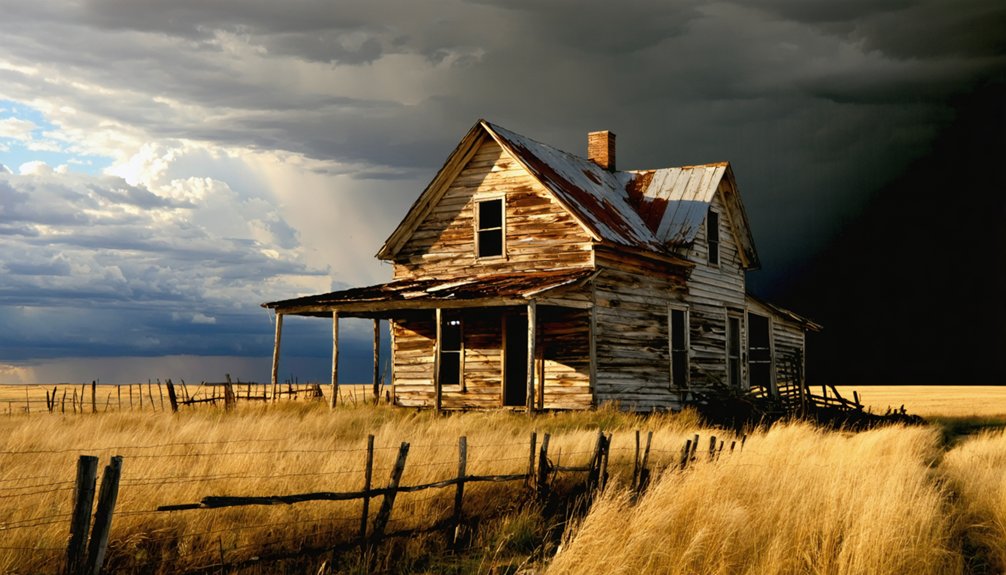
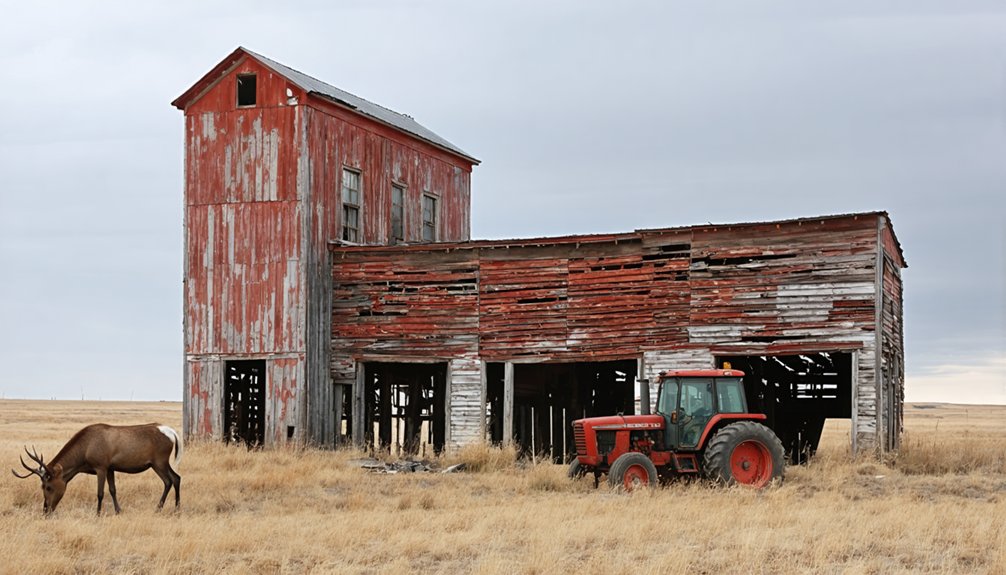
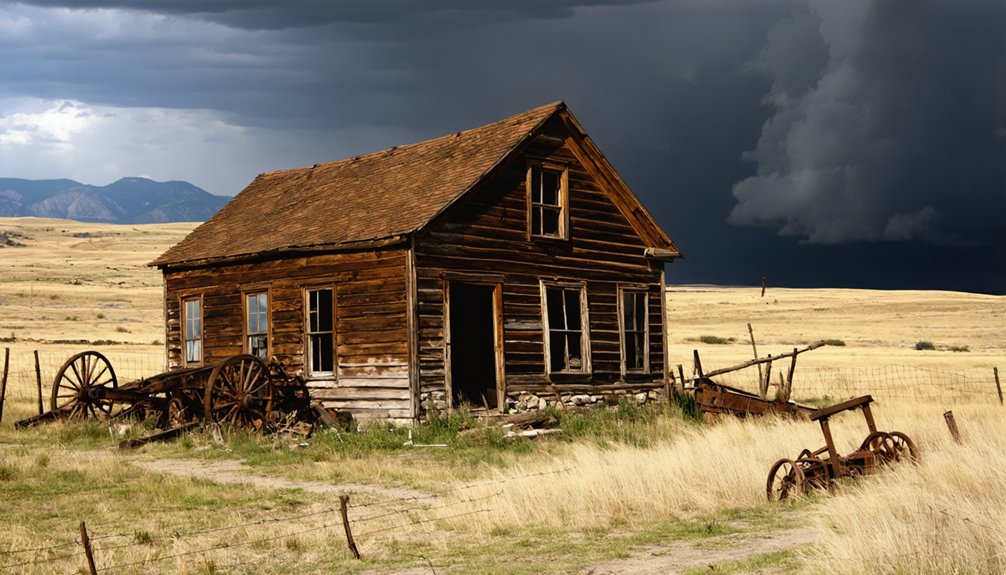
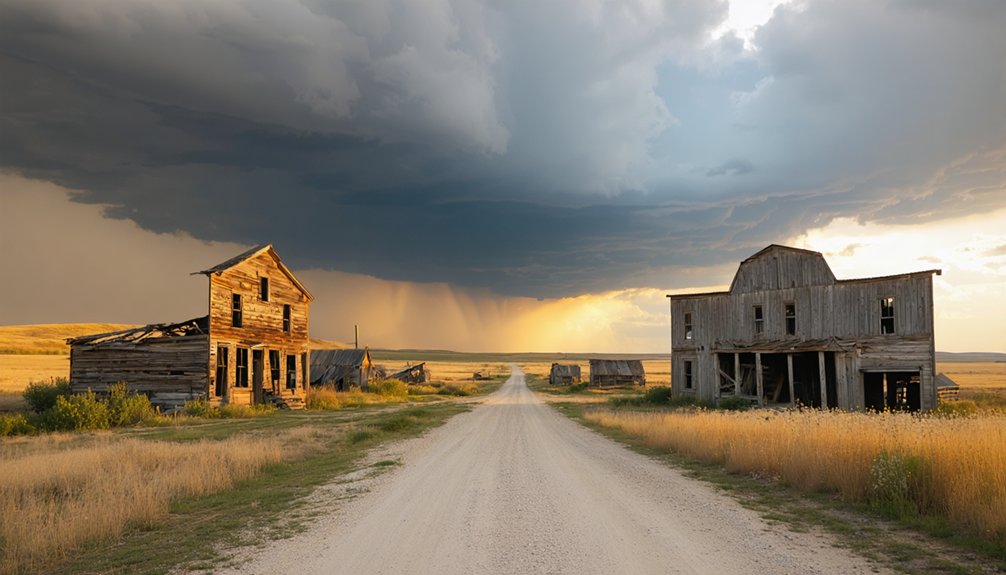
When you arrive at Folsom, you’ll find little more than scattered remnants of its mining past, with nature steadily reclaiming what prospectors left behind.
You can still capture striking photographs of weathered structural fragments set against the rugged Black Hills terrain, rewarding any photographer willing to make the trip.
The surrounding landscape of pine-covered hills and open sky makes the journey worthwhile even when the ghostly evidence of human history proves sparse.
Minimal Mining Era Remnants
Arriving at Folsom, you’ll quickly realize this ghost town doesn’t offer the dramatic, Instagram-ready ruins that many visitors expect. Instead, you’ll encounter subtle traces left behind by 19th-century miners who worked these grounds during the Black Hills gold rush. Scattered depressions in the earth hint at the mining techniques once used here — placer mining, shaft digging, and sluicing operations that defined this community’s brief existence.
Don’t underestimate Folsom’s historical significance, though. These understated remnants tell a powerful story about boom-and-bust cycles that shaped South Dakota’s identity.
You’re standing where thousands once chased fortune, and that context transforms even the quietest landscape into something meaningful. Bring your curiosity, pack your patience, and let the land speak for itself — because Folsom rewards those who look closely.
Photography Opportunities Available
Few ghost towns test a photographer’s creative instincts quite like Folsom. You’ll find raw, unfiltered subjects that reward patience and a sharp eye.
The abandoned structures, weathered by decades of Black Hills winters, offer compelling contrasts against open sky. The scenic views surrounding the site frame every shot naturally, giving you dramatic backdrops without much effort.
Here’s what you can capture:
- Decaying timber remnants casting long shadows during golden hour
- Overgrown foundations reclaimed by native grasses and wildflowers
- Expansive hillside panoramas stretching toward Custer State Park’s ridgelines
Bring a wide-angle lens for landscapes and a macro lens for close detail work.
No crowds, no restrictions on your creativity—just open terrain and genuine history waiting inside your viewfinder.
Surrounding Natural Landscape
What greets you at Folsom today isn’t a preserved relic frozen in time—it’s the Black Hills reclaiming what was once theirs. Ponderosa pines press through crumbled foundations, wildflowers push between weathered stones, and silence replaces the roar of mining equipment that once defined this place.
The natural features surrounding Folsom reward patient explorers. Rolling terrain carved by gold-rush ambition now supports thriving ecosystems.
You’ll move through meadows edged with granite outcroppings, following trails where deer tracks outnumber human footprints. Wildlife sightings here aren’t rare—watch for wild turkey, mule deer, and occasionally pronghorn crossing open hillsides near the site.
Folsom doesn’t offer dramatic ruins. Instead, it offers something richer: raw, unfiltered Black Hills wilderness quietly absorbing a forgotten chapter of South Dakota history.
How to Reach Folsom From Rapid City
To kick off your ghost town adventure, head south out of Rapid City on Highway 79 toward Custer, a straightforward drive of about an hour and a half through rolling Black Hills terrain.
Once you reach Custer, you’ll shift onto the winding two-lane roads and occasional gravel paths that define Black Hills exploration, so make sure your tank is full and your tires are road-trip ready.
Iron Mountain Road offers a scenic detour into the heart of the region, threading you closer to Folsom’s Custer County surroundings while rewarding you with dramatic views along the way.
Starting Your Rapid City Journey
Rapid City serves as the perfect launching pad for your ghost town road trip to Folsom, sitting just 1-2 hours northeast of this forgotten corner of Custer County.
Head south on Highway 79 toward Custer, where the Black Hills’ rich ghost town history unfolds around every bend. You’ll travel roads once crowded with miners who used primitive mining techniques to chase gold veins now long exhausted.
Before leaving Rapid City, prep your adventure:
- Fuel up and pack supplies — facilities disappear quickly once you hit gravel roads
- Download offline maps — cell service gets unreliable past Custer
- Check weather conditions — dry roads make remote access considerably safer
This route rewards spontaneous explorers ready to chase history on their own terms.
Highway Routes To Take
From Rapid City, you’ll carve your way south on Highway 79 toward Custer — the backbone of this entire ghost town route. This stretch sets the tone, rolling through open plains where local wildlife like pronghorn and mule deer roam freely alongside the road.
Once you reach Custer, shift onto Iron Mountain Road — one of America’s most celebrated drives. Its pigtail bridges and scenic overlooks frame the Black Hills in ways that’ll stop you cold. You’re not just driving; you’re moving through history and wilderness simultaneously.
From there, Route 385 opens northward toward Rochford and Galena, threading through dense ponderosa pine corridors that once fed the mining boom.
Every mile rewards you with raw, untouched terrain that feels genuinely off the beaten path.
Reaching Folsom from Rapid City means committing to roughly one to two hours of driving southwest through some of the Black Hills’ most rewarding terrain.
Head south on Highway 79 toward Custer, then weave through Iron Mountain Road‘s tunnels and pigtail bridges before connecting to Route 385. You’ll find ghost town exploration becomes effortless once you understand this corridor.
Key navigation tips for your journey:
- Iron Mountain Road delivers dramatic scenery between Custer State Park and Mount Rushmore
- Route 385 connects multiple mining sites with historical significance dating back to the 1870s gold rush
- Gravel roads branch off main routes toward Folsom, so drive a capable vehicle
Pack your supplies, check weather conditions, and embrace the freedom of Black Hills discovery.
The Ghost Town Route That Connects Everything
If you’re planning a ghost town road trip through the Black Hills, one route ties nearly every abandoned mining site together with minimal backtracking.
Start in Rapid City, head south on Highway 79 toward Custer, then wind through Iron Mountain Road into Custer State Park. Here, ghost town legends surrounding Spokane come alive against stunning rock formations.
Continue northwest along Route 385, where Rochford and Galena reveal layered mining history through crumbling structures and rusted equipment.
Folsom fits naturally into this corridor, offering raw glimpses into the gold rush era.
Cap the journey on Needles Highway for dramatic scenery on your return.
This connected loop lets you cover serious ground without retracing your path, maximizing exploration time across South Dakota’s most storied abandoned settlements.
Ghost Towns Near Folsom Along Route 385
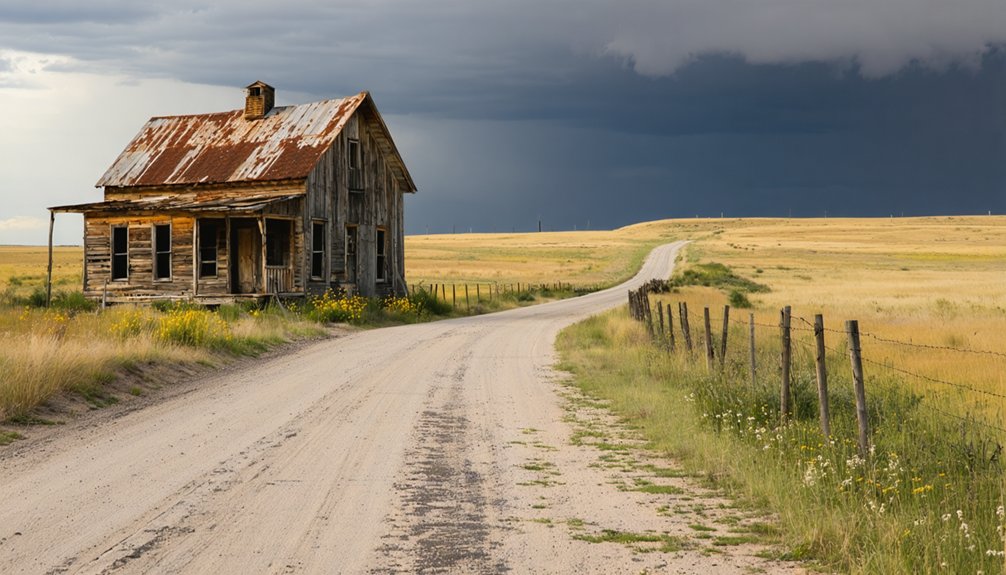
Route 385 doesn’t just connect the Black Hills—it strings together some of South Dakota’s most rewarding ghost town discoveries within a short drive of Folsom.
Each stop adds another layer to the region’s rich ghost town history and mining legacy.
Explore these standout destinations along the corridor:
- Rochford – A quiet settlement where weathered buildings whisper stories of its gold rush past.
- Galena – A former silver and lead mining hub with visible remnants of its industrial roots.
- Mystic – A once-thriving camp near the Mickelson Trail, perfect for combining hiking with history.
You’ll move freely between these sites without backtracking, making Route 385 the most efficient and immersive way to experience the Black Hills’ abandoned mining communities firsthand.
How Custer State Park Fits Into the Ghost Town Route
Custer State Park isn’t just a scenic detour—it’s a natural gateway that connects the ghost town route’s key stops. As you drive through, the Wildlife Loop Road puts you face-to-face with Custer wildlife, including free-roaming bison, pronghorn, and burros that wander the open grasslands.
It’s a living contrast to the abandoned mining towns surrounding it. The scenic drives through the park, particularly Iron Mountain Road, link Rapid City to Spokane ghost town and eventually Folsom.
You’re not just passing through—you’re threading together history and wilderness on a single route. The park’s central location makes it an efficient hub, letting you branch toward Route 385, Rochford, or Galena without excessive backtracking.
Plan your stops around park entry points to maximize your day.
Road and Weather Conditions on the Way to Folsom
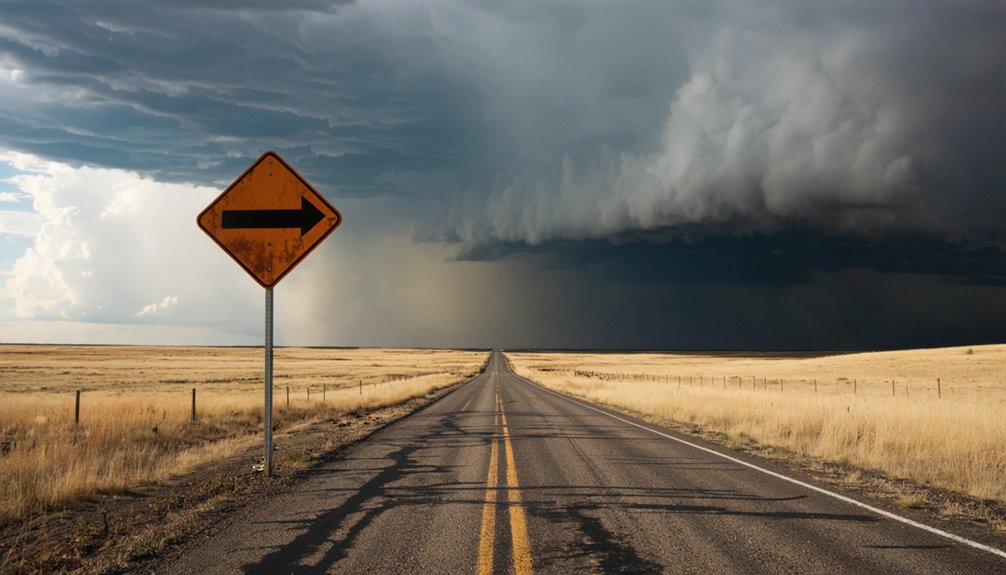
Getting to Folsom means trading smooth pavement for gravel roads that can shift from manageable to rough depending on recent weather.
Road conditions change fast in the Black Hills, so you’ll want to check weather patterns before you leave Rapid City. Rain turns dirt trails into muddy traps, while dry summers keep routes passable.
Road conditions shift fast in the Black Hills. Check the weather before you leave — rain changes everything.
Pack smart and stay aware of these key factors:
- Seasonal timing: Late spring through early fall offers the most reliable road conditions
- Weather patterns: Afternoon thunderstorms are common in summer, so start early
- Vehicle choice: High-clearance vehicles handle unpredictable gravel roads far better than standard sedans
You’re chasing freedom out here, but the land sets the terms.
Respect that, and Folsom rewards you.
Frequently Asked Questions
Is There an Entrance Fee to Access Folsom Ghost Town?
Like a true Wild West frontier, you’ll roam Folsom freely — there’s no entrance fee! Embrace ghost town history and local legends as you explore this abandoned treasure without restrictions, channeling your inner adventurer.
Are Guided Ghost Town Tours Available in the Black Hills Area?
You’ll find guided tours exploring ghost town history and local legends throughout the Black Hills! Local operators lead immersive excursions, bringing abandoned mining settlements like Folsom alive with fascinating stories of gold rush triumphs and forgotten communities awaiting your discovery.
Can You Camp Overnight Near Folsom in Custer County?
Like a wandering flame, you can camp overnight near Folsom! Custer State Park’s campsites offer solid campsite amenities. Always check local regulations first, ensuring your freedom-fueled adventure stays respectful of this historic, untamed land.
What Wildlife Might You Encounter While Exploring Folsom’s Surroundings?
While exploring Folsom’s surroundings, you’ll encounter bison, deer, and eagles thriving in local ecosystems. Wildlife spotting here rewards your adventurous spirit, with pronghorn roaming freely across Black Hills landscapes alongside wild turkeys and elusive mountain lions.
Are Metal Detectors Permitted at Folsom or Nearby Mining Sites?
Want to uncover Folsom’s mining history firsthand? You’ll need to check local metal detecting regulations before bringing equipment, as rules vary across Custer County’s sites. Always verify permissions to respect these historic treasures you’re exploring.
References
- https://www.powderhouselodge.com/black-hills-attractions/fun-attractions/ghost-towns-of-western-south-dakota/
- https://www.tripadvisor.com/Attraction_Review-g54799-d22999414-Reviews-Scenic_Ghost_Town-Scenic_South_Dakota.html
- https://www.youtube.com/watch?v=_0WNYsFLSLA
- https://myxoadventures.com/the-ghost-town-of-spokane-south-dakota/
- https://en.wikipedia.org/wiki/List_of_ghost_towns_in_South_Dakota
- https://www.travelsouthdakota.com/trip-ideas/abandoned-beauty-ghost-towns-structures-south-dakota
- https://www.blackhillsbadlands.com/blog/post/old-west-legends-mines-ghost-towns-route-reimagined/