Fort Buchanan sits three miles southwest of Sonoita on private grazing land where Arizona’s first military outpost once stood guard against Apache raids. You’ll navigate unmarked roads through Santa Rita Mountain scenery to reach scattered rocks, crumbling adobe, and low stone foundations that whisper of an 1856 garrison. There are no trail markers or visitor centers waiting for you — just cattle and quiet history underfoot. Stick around, and the full story of this forgotten outpost gets even more compelling.
Key Takeaways
- Fort Buchanan sits three miles southwest of Sonoita, Arizona, with no highway signs, so ask locals for navigation help.
- The site is on private grazing land; always obtain landowner permission before visiting.
- Expect scattered rocks, crumbling adobe foundations, and cattle rather than a developed park or visitor center.
- Nearby Tubac and San Rafael Valley offer additional historical stops worth adding to your road trip route.
- Bring a map and prepare for rough terrain, as no trails, markers, or visitor facilities exist on-site.
The History of Fort Buchanan and Why It Was Abandoned
Fort Buchanan didn’t start with that name. Back in 1856, soldiers called it Camp Moore, a rough outpost carved into the east slope of Hog Canyon near Sonoita Creek.
Renamed to honor President James Buchanan, it stood as Arizona’s first military foothold following territorial expansion through the Gadsden Purchase.
Renamed for President James Buchanan, Fort Buchanan became Arizona’s first military stronghold after the Gadsden Purchase.
Its mission was straightforward — protect settlers and stagecoaches from Chiricahua Apache raids.
But the frontier was unforgiving. Military conflicts escalated until February 17, 1865, when roughly seventy-five Apache warriors overwhelmed just nine cavalrymen defending the post.
Outnumbered and outpaced, the soldiers retreated into the surrounding hills.
The U.S. Army abandoned Fort Buchanan shortly after — marking the only time a military fort fell during that decade-long struggle for the open Arizona Territory.
What’s Left of Fort Buchanan Today?
After that defeat, the soldiers walked away and never came back — and nature quietly got to work reclaiming what they left behind.
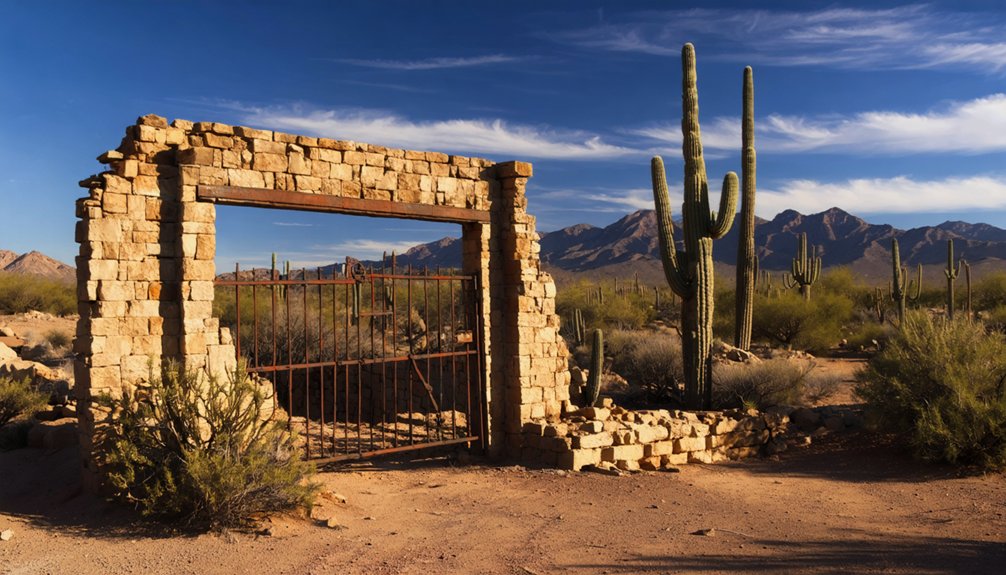
Today, you’ll find only scattered rocks, earthen mounds, and fragments of adobe pressing up through dry Santa Cruz County soil. Low stone foundations trace where buildings once stood, whispering their archaeological significance to anyone willing to look closely enough.
There are no trail markers, no visitor centers, no signs celebrating what happened here. The site sits on private grazing land, meaning you’ll need to do your homework before setting foot anywhere near it.
Historical artifacts have long since faded into the landscape. But if you crave raw, unfiltered history — the kind that doesn’t come packaged — Fort Buchanan delivers exactly that.
Getting to Fort Buchanan From Sonoita
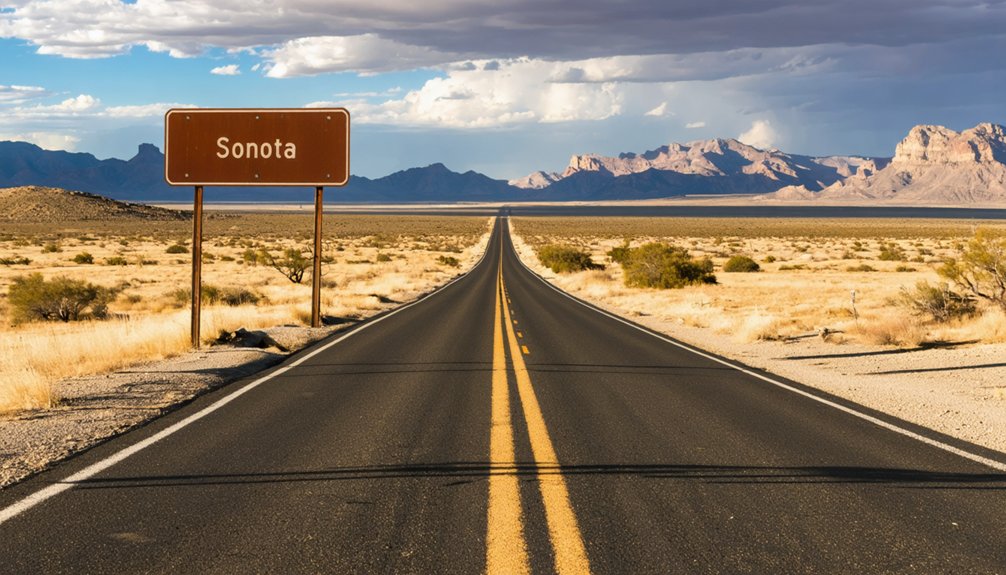
Three miles of open road separate you from one of Arizona’s most quietly haunting historic sites. From Sonoita, head southwest along the scenic routes that cut through open grassland and rolling high desert terrain.
The Santa Rita Mountains frame your road trip perfectly, rising sharp against the sky as you follow the path early cavalrymen once rode.
You won’t find highway signs pointing you there. Ask locally before you go, because the ruins sit on private grazing land, and landowner permission isn’t optional.
Approach respectfully, move carefully across the terrain, and keep your eyes low — scattered adobe fragments and stone foundations don’t announce themselves.
What remains of Fort Buchanan rewards those who arrive prepared, curious, and willing to read the silence carefully.
Site Conditions, Access Restrictions, and What You’ll Actually See
What greets you at Fort Buchanan isn’t a park — it’s a quiet patch of private grazing land where cattle outnumber clues. The site preservation here is minimal, yet the archaeological significance runs deep beneath your boots.
You’ll need to inquire locally before visiting, respecting current land rights completely.
Here’s what you’ll actually find:
- Scattered rocks and low earthen mounds marking where soldiers once stood
- Fragments of adobe and crumbling stone foundations barely visible above ground
- No trail markers, visitor centers, or signage acknowledging the history
- Private land with no public pathways leading toward the ruins
Without prior knowledge, you’d walk right past history. That invisibility makes this place hauntingly honest — a forgotten frontier outpost reclaimed by desert silence and open sky.
Other Abandoned Military and Pioneer Sites Near Sonoita
Fort Buchanan won’t be your only brush with Arizona’s ghosted past if you’re willing to keep driving. The Sonoita region shelters echoes of vanished pioneer settlements and forgotten military outposts scattered across sun-bleached grasslands and canyon shadows.
Push south toward the San Rafael Valley and you’ll find remnants of ranching communities that simply dissolved when water dried up or roads bypassed them entirely.
Head toward Tubac and you’re walking ground where Spanish colonial soldiers drilled two centuries before American boots arrived.
Each site carries its own quiet weight — crumbling walls, rusted ironwork, foundations swallowed by caliche.
Nobody curates these places for you. You navigate rough roads, respect private land, and piece history together yourself.
That raw, unfiltered discovery is exactly what draws freedom-seekers to southern Arizona’s forgotten corridors.
Frequently Asked Questions
Was Fort Buchanan Ever Considered for National Historic Landmark Designation?
The knowledge doesn’t confirm that designation, but you’d appreciate its historical significance. Preservation efforts remain minimal — you’ll find only scattered ruins on private land, echoing forgotten battles where free spirits once defended untamed frontier dreams.
What Wildlife Species Commonly Inhabit the Fort Buchanan Ruins Today?
While wildlife data’s scarce, you’ll likely encounter mule deer, javelinas, and desert birds roaming these forgotten grounds. Historical ecology suggests the ruins quietly nurture wildlife observation opportunities, where nature’s reclaimed what soldiers once fiercely defended.
Are Guided Historical Tours of Fort Buchanan Ever Organized Locally?
You won’t find formal guided tours here, but local history enthusiasts occasionally organize informal visits. Seek out guided tours through nearby Sonoita’s community groups — they’ll help you uncover Fort Buchanan’s forgotten, freedom-forged past firsthand.
What Is the Best Time of Year to Visit Fort Buchanan?
Spring offers you the best weather for exploring Fort Buchanan’s ghostly ruins. You’ll find seasonal activities like wildflower blooms framing ancient adobe fragments, awakening a nostalgic connection to frontier soldiers who once roamed these untamed, sun-drenched Arizona hills freely.
Have Any Significant Artifacts From Fort Buchanan Been Recovered Archaeologically?
You won’t find grand artifact recovery tales here — archaeological significance rests in scattered adobe fragments and stone foundations. Those weathered remnants quietly echo brave soldiers’ forgotten struggles, connecting you to Arizona’s raw, untamed frontier spirit.
References
- https://www.arizonan.com/ghost-towns/fort-buchanan/
- https://en.wikipedia.org/wiki/List_of_ghost_towns_in_Arizona
- https://www.legendsofamerica.com/fort-buchanan-arizona/
- https://en.wikipedia.org/wiki/Fort_Buchanan
- https://www.youtube.com/watch?v=F9gblK3Lv-I
- https://www.youtube.com/watch?v=va19NqfXhXk
- https://www.tombstonetraveltips.com/brunckow-cabin.html
- https://www.reddit.com/r/Ghosts/comments/qczzqv/has_anyone_ever_lived_on_a_military_base_called/
- https://nmarchives.unm.edu/repositories/17/archival_objects/353106
- https://en.wikipedia.org/wiki/Fort_Crittenden