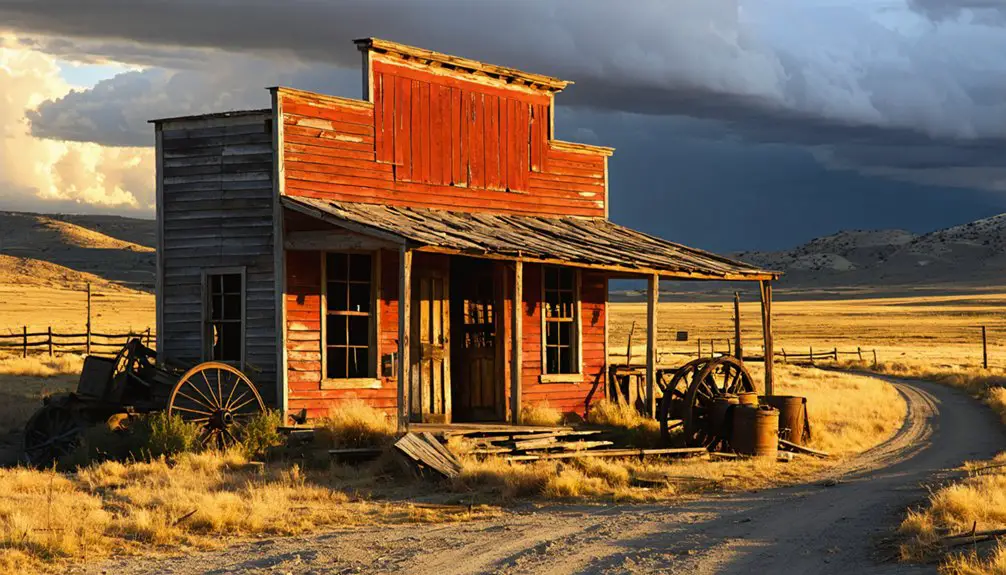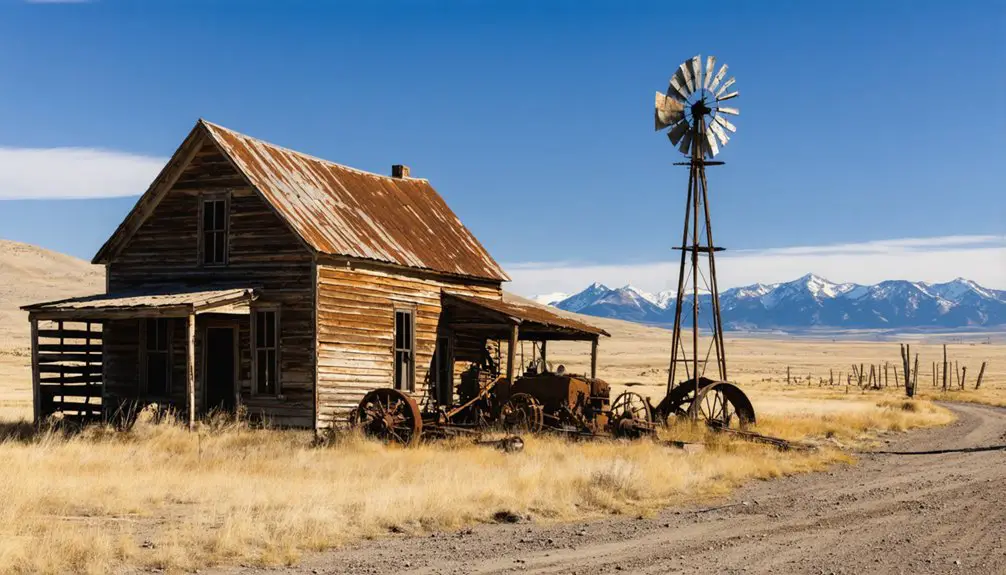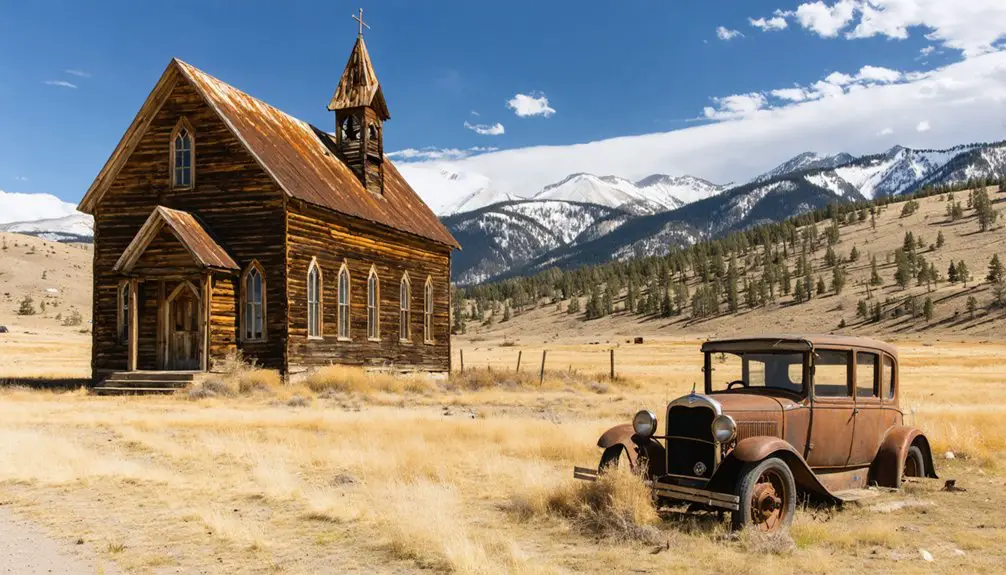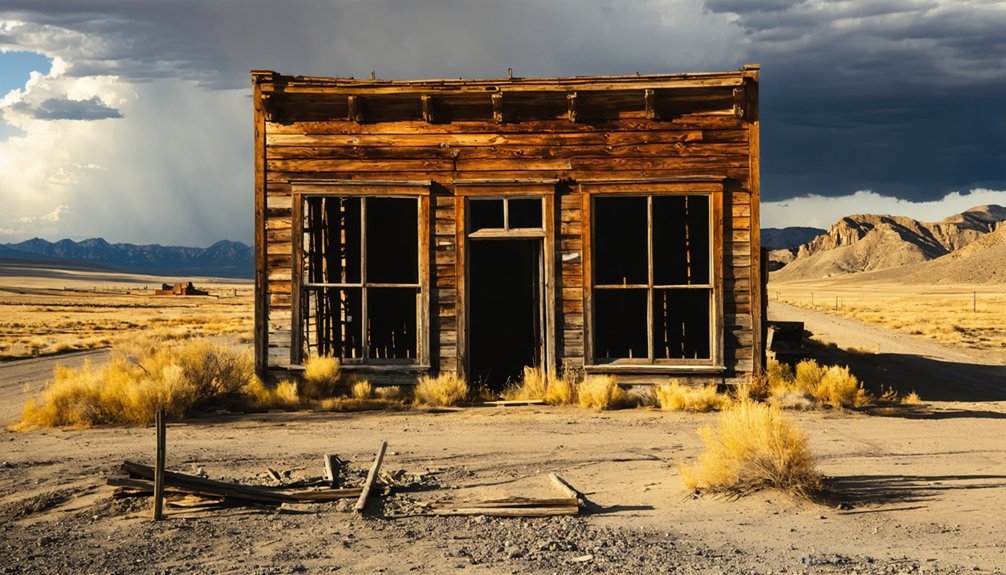
Horton sits in Johnson County’s Bighorn Mountain foothills, about 20 miles southeast of Buffalo, Wyoming—remote, rugged, and worth every mile. You’ll want to fuel up in Buffalo, pack extra water, and download offline maps before you head out. Summer gives you the best road conditions and longest daylight, but early fall brings dramatic light and fewer crowds. There’s a lot more to uncover about this frontier corridor than just one ghost town stop.
Key Takeaways
- Horton sits in Johnson County’s Bighorn Mountain foothills, roughly 20 miles southeast of Buffalo, Wyoming, amid authentic frontier ranch country and ghost town remnants.
- Plan your route to include ghost towns like Rudefeha and Battle, accessible via Highway 70 and Forest Road 862, forming a multi-stop heritage corridor.
- Visit during summer (June–August) for passable roads, longer daylight, and reliable access to remote backcountry sites and scenic overlooks.
- Fuel up in Buffalo before departing, carry offline maps, extra water, food, and basic repair tools due to sparse services along the route.
- Buffalo and Saddlestring offer nearby lodging options; book early in summer to secure accommodations close to the HF Bar Ranch Historic District.
Where Exactly Is Horton, Wyoming?
Tucked into the foothills of the Bighorn Mountains, Horton sits within Johnson County near the small community of Saddlestring, Wyoming — a stretch of ranch country where open highway meets mountain terrain. Buffalo serves as your nearest major landmark, roughly 20 miles northwest, making it a practical base before you push deeper into the backcountry.
This region carries layers of frontier history, from mining history embedded in the surrounding hills to railroad remnants that hint at the settlement boom that once shaped the area. You won’t find Horton on a polished tourist map, and that’s exactly the point. It’s a local destination reference, a place you reach by choosing the road less traveled — the kind of Wyoming destination that rewards curiosity over convenience.
What Makes Horton Worth a Wyoming Ghost Town Road Trip?
When you head out toward Horton through Johnson County‘s wide-open ranch country, you’re chasing the kind of remote Wyoming experience that most road-trippers never find. The Bighorn Mountains foothills frame the drive with rugged, high-country scenery that earns its place on any heritage itinerary.
Nearby anchors like Buffalo and Saddlestring tie the route to a deep old-west history, including the landmark HF Bar Ranch Historic District with its 36 preserved buildings dating back to 1898.
Remote Wyoming Heritage Appeal
Few destinations capture Wyoming’s frontier spirit quite like a road trip through Johnson County’s remote foothills, where Horton sits quietly against the backdrop of the Bighorn Mountains. You’re trading crowded tourist corridors for open ranch country, unpaved forest roads, and genuine solitude.
- Pack a detailed map — remote junctions don’t always have signage, so paper backup beats dead cell service
- Stay alert for wildlife sightings — pronghorn, mule deer, and raptors frequent these foothills, especially at dawn and dusk
- Apply photography tips early — morning light against the Bighorn foothills produces dramatic, shadow-rich landscapes worth stopping for
This region rewards travelers who crave authentic discovery over convenience. The distance between stops defines the experience, and that wide-open space between destinations is exactly the point.
Bighorn Foothills Scenery
The Bighorn Mountains foothills don’t ease you in gently — they announce themselves through sweeping grassland shifts, dramatic elevation shifts, and ridge lines that sharpen against wide Wyoming sky. You’ll feel the landscape earning your attention long before you reach Horton.
The terrain shifts from open ranch country into tighter, more rugged corridors where historical architecture surfaces unexpectedly — weathered structures that carry local legends forward without needing a sign to explain them.
This isn’t a curated scenic drive. It’s raw Wyoming, where working cattle land meets frontier history and the road demands your focus. That combination of scenery and story is exactly what makes the Bighorn foothills worth building a ghost town road trip around.
You’re not just passing through — you’re reading the land.
Old West History Nearby
Scenery pulls you in, but history is what keeps Horton on your mind long after you’ve driven out. The Johnson County area carries real Old West weight — working ranches, frontier settlement stories, and local legends tied to a landscape that hasn’t forgotten its past.
Nearby, the HF Bar Ranch Historic District holds roughly 36 structures built between 1898 and 1921, giving you tangible historic architecture to anchor the trip.
- Stop in Buffalo to get your bearings on the region’s ranching and frontier history
- Explore the HF Bar Ranch Historic District near Saddlestring for preserved early 20th-century ranch buildings
- Ask locals about regional legends — Johnson County’s history runs deep and people here know the stories
What Are the Roads Into Horton Actually Like?
Getting to Horton means trading smooth pavement for the kind of roads that remind you you’re genuinely off the beaten path. Expect rural junctions, lightly developed stretches, and possibly unpaved forest roads depending on your exact route through Johnson County’s Bighorn Mountain foothills.
Local road conditions vary considerably by season, so don’t assume a summer route stays passable into fall. Seasonal accessibility is real here — early spring brings mud, winter closes stretches entirely, and summer offers your clearest window for confident travel.
Before you leave, check current conditions, fuel up in Buffalo, and bring a physical map. Your GPS won’t always find the right fork.
Treat the drive itself as part of the experience — because out here, the road earns you the destination.
When Is the Best Time of Year to Drive Out Here?
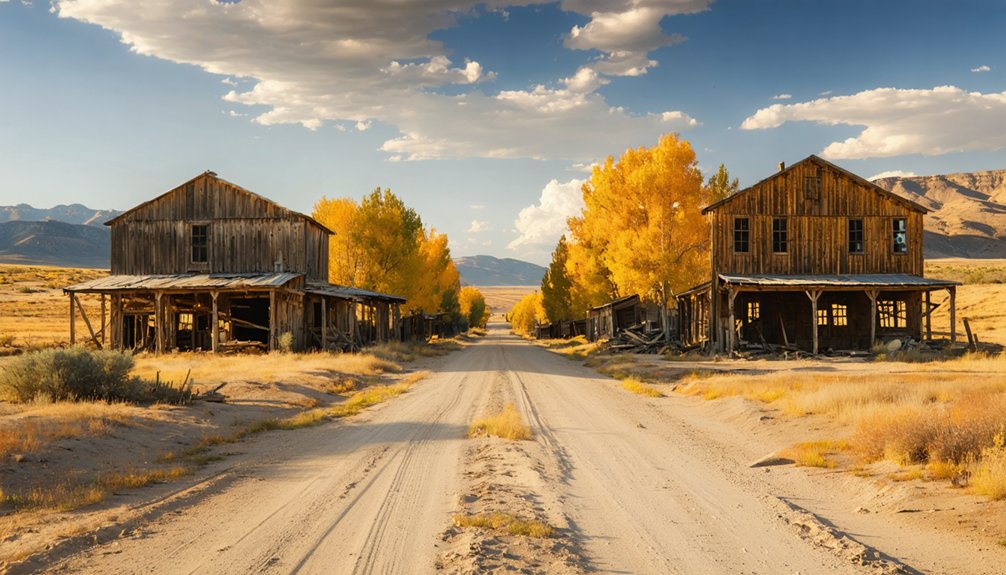
Road conditions answered one question — now timing answers another. Summer gives you the clearest shot at Horton and the surrounding Bighorn foothills. From May through September, roads are passable, scenic overlooks reward every pull-off, and wildlife encounters peak as elk and pronghorn move through open terrain. Outside that window, elevation and weather can shut your plans down fast.
Plan your drive around these seasonal advantages:
- June through August keeps daylight long and access roads dry enough for confident driving
- Early morning departures increase your wildlife encounter odds before midday heat pushes animals into shade
- September balances cooler temperatures with uncrowded roads and dramatic light hitting the scenic overlooks
If you want freedom out here, summer earns it.
Historic Sites Near Horton That Belong on Your Route
While you’re out this way, the HF Bar Ranch Historic District near Saddlestring is worth pulling over for — its roughly 36 buildings, many dating to the late 1800s, give you a rare look at an intact working ranch from Wyoming’s frontier era.
The ranch sits in the Bighorn Mountains foothills and blends active cattle operations with genuine preservation, so you’re seeing history that never stopped moving.
From there, Buffalo makes a natural next stop, offering heritage anchors that round out the old-west character of the whole drive.
HF Bar Ranch
Just a short drive from Horton, the HF Bar Ranch Historic District deserves a dedicated stop on your route. This working cattle ranch near Saddlestring holds roughly 36 buildings constructed between 1898 and 1921, making it a rare place where historic architecture stays alive through daily use.
Local legends of Wyoming’s frontier era feel tangible when you’re standing among original structures still serving their purpose.
- Walk the grounds and study construction styles that survived over a century of harsh Wyoming winters.
- Connect the ranch’s working cattle operation to the broader settlement history of Johnson County.
- Use Buffalo as your fuel and supply stop before heading into the Bighorn Mountain foothills.
This isn’t a museum frozen in time — it’s history still breathing.
Buffalo Heritage Stops
Buffalo anchors this stretch of Wyoming heritage travel in a way that rewards slowing down before you push deeper into the foothills. The town carries local legends tied directly to the frontier conflicts and ranching wars that shaped Johnson County’s identity.
Stop at the Jim Gatchell Memorial Museum to move through that history room by room, then drive the surrounding streets where 19th-century storefronts still hold their original bones. Modern ranching operations run right alongside these preserved spaces, reminding you that Wyoming’s past isn’t sealed behind glass.
Buffalo gives your route a grounded starting point with fuel, food, and context before the road narrows toward Saddlestring and Horton. Don’t rush through it. The town earns the stop.
What Is the HF Bar Ranch and Why Does It Matter?
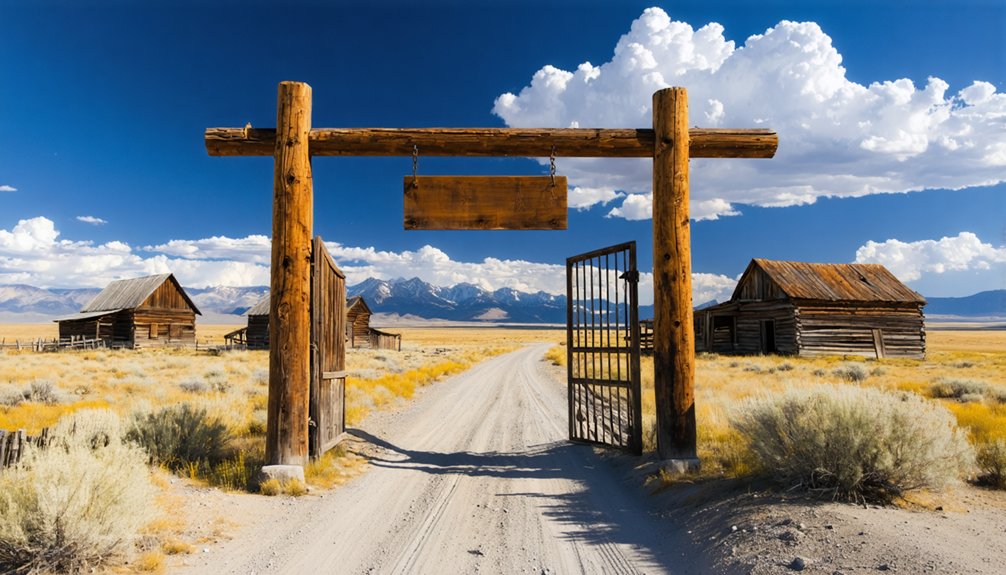
Tucked into the foothills near Saddlestring, the HF Bar Ranch Historic District gives your road trip a tangible connection to Wyoming’s ranching past. This working cattle ranch features roughly 36 structures built between 1898 and 1921, making its historical architecture a rare, living snapshot of frontier settlement. You’re not walking through a museum replica — you’re standing where real ranchers built something lasting.
Watch for wildlife encounters along the approach roads, as the Bighorn foothills corridor draws deer and elk regularly.
- Explore 36 preserved buildings spanning over two decades of frontier construction
- Spot wildlife along the rural roads leading into the Saddlestring area
- Recognize how active ranching and historic preservation coexist on the same land
This ranch earns its place on your Wyoming itinerary.
Ghost Towns Within a Day’s Drive of Horton
Once you’ve soaked in everything Horton and the Bighorn foothills have to offer, Wyoming’s open roads make it easy to push further into ghost-town territory within a single day’s drive.
Carbon County alone strings together abandoned mining sites like Rudefeha and the high-elevation remnants near Battle on the Continental Divide, giving you a natural multi-stop route across some of the state’s most rugged heritage corridors.
Before you hit the road, map out your stops carefully, because distances between sites are long, fuel stations are sparse, and a few destinations shift from full daily access in summer to limited weekend hours come fall.
Nearby Ghost Town Destinations
Wyoming rewards ghost town hunters who plan their routes carefully, and if you’re making the drive to Horton, you’re already positioned to reach several compelling historic stops within a day’s travel. The region blends local legends with genuine historic landmarks across open highway and mountain terrain.
- Rudefeha – An abandoned Carbon County mining town accessed via Highway 70 and Forest Road 862, deep in remote Wyoming backcountry.
- Battle – A high-elevation ghost town sitting directly on the Continental Divide, offering dramatic landscape alongside frontier history.
- HF Bar Ranch Historic District – A working Saddlestring ranch preserving 36 original structures built between 1898 and 1921.
String these stops together and you’ve built a full Wyoming heritage corridor worth the miles.
Planning Your Multi-Stop Drive
Knowing which stops to visit is only half the plan — getting between them efficiently is what turns a list of ghost towns into a real road trip. Map your drive before you leave Buffalo, building a loose loop that connects Horton and Saddlestring with Carbon County’s abandoned sites like Rudefeha and Battle.
You’ll cross foothills, climb toward the Continental Divide, and hit scenic overlooks that reward every mile of planning. Leave early, carry extra fuel, and download offline maps since cell service disappears fast out here.
Talk to locals along the way — they carry local legends that no guidebook captures. Summer gives you the longest daylight and the most reliable road access, so time your trip accordingly and move freely between stops.
Fuel, Supplies, and Safety on Remote Wyoming Roads
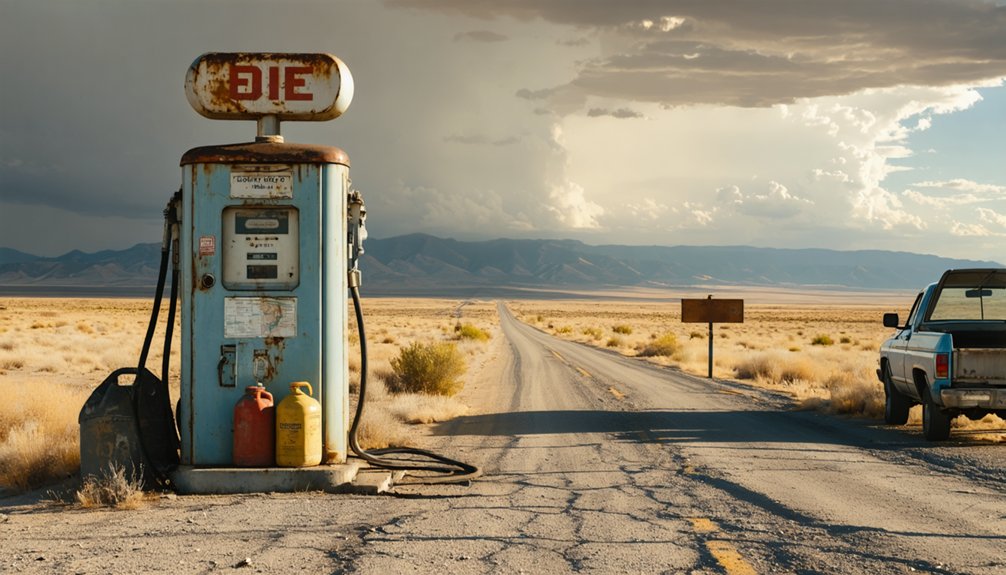
Remote Wyoming roads don’t forgive poor planning, so before you head toward Horton and the Bighorn foothills, top off your tank and check your spare tire. Forest roads and rural junctions stretch far between fuel stops, and cell service disappears fast.
Top off your tank and check your spare — remote Wyoming roads don’t forgive poor planning.
Historical preservation draws you to these isolated places, but local legends keep you exploring longer than expected, so pack accordingly.
- Carry at least one gallon of extra water per person and a basic toolkit for roadside repairs
- Download offline maps before leaving Buffalo or Saddlestring, since GPS signals drop on remote routes
- Store extra food, a first-aid kit, and an emergency blanket in your vehicle year-round
Prepare smart, and the open road rewards you with freedom few travelers ever find.
Where to Stay Near Horton, Buffalo, and Saddlestring
After a day exploring forest roads and absorbing the frontier history around Horton, you’ll want a solid base camp waiting for you. Buffalo serves as your strongest option, offering motels, inns, and guest ranches roughly 20 miles from the Saddlestring area. It’s a working western town where local legends still circulate about Johnson County’s ranching wars and frontier disputes.
Saddlestring itself sits closer to the Bighorn foothills, putting you near the HF Bar Ranch Historic District and its remarkable historical preservation of nearly 36 original structures. Some guest ranches in this corridor welcome overnight visitors, blending comfort with authentic range culture.
Book accommodations before late spring, since summer draws heritage travelers fast. Staying local keeps you positioned for early morning drives before crowds or weather shift.
How to Build a Full Heritage Road Trip Around Horton
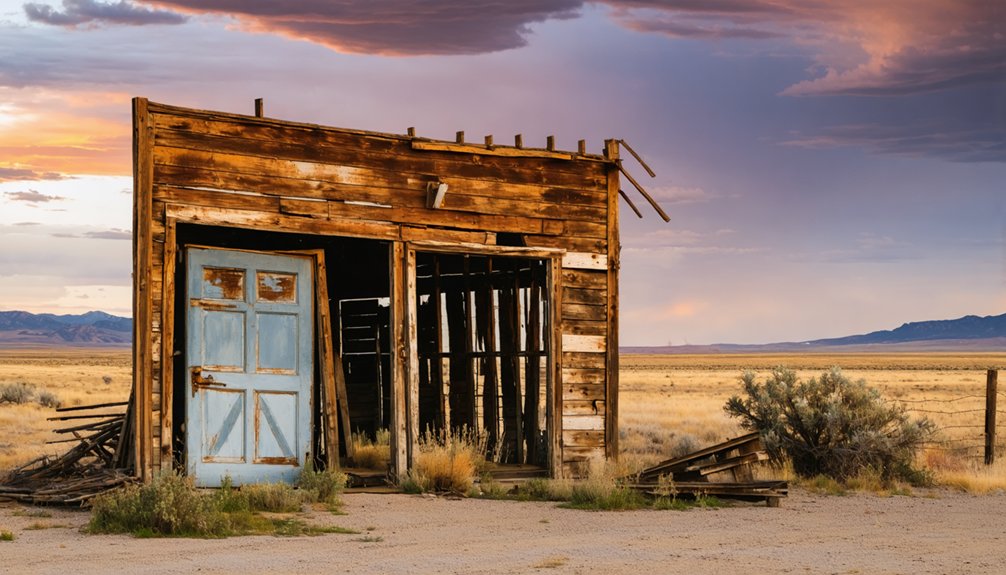
Horton works best as an anchor point rather than a sole destination, so build your route outward from it in deliberate layers. Pull in Buffalo’s urban landmarks for historical grounding, then push into Carbon County’s ghost-town loops for abandoned mining towns like Rudefeha. Watch for cultural festivals along the way that add unexpected local flavor to your drive.
Horton anchors the route — layer outward, chase ghost towns, and let roadside festivals rewrite your plans.
- Start in Buffalo, explore its frontier-era downtown, then head toward Saddlestring and the Bighorn foothills.
- Add Carbon County’s ghost-town circuit using Highway 70 and Forest Road 862 for high-elevation drama.
- Time your trip between May and September for maximum site access and reliable road conditions.
Pack extra fuel, carry a physical map, and treat every junction as part of the adventure.
Frequently Asked Questions
Is Horton, Wyoming Officially Recognized as a Preserved Ghost Town?
Horton isn’t officially recognized as a preserved ghost town with formal historical preservation or visitor amenities, but you’ll still discover an adventurous, raw Wyoming destination where frontier history breathes freely across open ranch country and mountain foothills.
Can You Visit Horton Year-Round or Only During Certain Seasons?
You can visit Horton year-round, but seasonal access truly shapes your adventure. Summer’s open roads invite the boldest explorers, while harsh winter weather conditions can challenge even the most freedom-seeking travelers chasing Wyoming’s wild, remote landscapes.
Are There Guided Ghost Town Tours Available Near Horton, Wyoming?
Guided tours aren’t everywhere, but you’ll uncover a universe of haunted legends and historical significance exploring nearby Buffalo and Johnson County’s self-guided heritage routes, where the open road gives you total freedom to discover Wyoming’s wild past.
What Should First-Time Wyoming Ghost Town Road Trippers Know Beforehand?
You’ll want to prioritize visitor safety and respect historical preservation by packing extra fuel, detailed maps, and weather-ready gear — Wyoming’s remote ghost town roads reward adventurous spirits who prepare smartly before chasing freedom across wide-open frontier landscapes.
Does Horton Have Any Remaining Structures or Buildings Still Standing?
Horton’s exact standing structures aren’t fully documented, but you’ll likely encounter remnants tied to its frontier past. Keep your eyes open for abandoned mines and historic landmarks scattered across this rugged, free-spirited Wyoming landscape waiting to be explored.
References
- https://www.wyomingcarboncounty.com/blog/123-5-ghost-towns-to-explore
- https://travelwyoming.com/blog/stories/post/5-wyoming-ghost-towns-you-need-to-explore/
- https://en.wikipedia.org/wiki/HF_Bar_Ranch_Historic_District