Planning a ghost town road trip to Huntville, Vermont means diving into one of New England’s most haunting corners. Start in Bennington and head north toward Glastenbury Mountain, where abandoned ruins, eerie folklore, and unsolved disappearances paint a chilling picture of Vermont’s forgotten past. The Bennington Triangle alone carries enough mystery to fuel your curiosity. Pack smart, bring a paper map, and tell someone your route — there’s far more to uncover ahead.
Key Takeaways
- Start your road trip in Bennington, heading north on Route 9, accessing trails like the Long Trail or Bald Mountain Trail toward Glastenbury Mountain.
- Explore nearby ghost towns including Fayville, Somerset, Greenbanks Hollow, Ricker Basin, and West Castleton, each offering unique historical remnants and ruins.
- Carry a paper map, compass, and personal locator beacon, as cell service is extremely limited around Glastenbury Mountain and the surrounding wilderness.
- Pack essential safety gear, including waterproof hiking boots, layered clothing, a first aid kit, whistle, mylar blanket, and flashlight with extra batteries.
- Always inform someone of your exact route and expected return time before exploring this remote, rugged area known as the Bennington Triangle.
Why Glastenbury Is Vermont’s Creepiest Ghost Town?
What makes Glastenbury stand out among Vermont’s many abandoned settlements isn’t just its emptiness — it’s the layers of darkness that accumulated long before the last residents packed up and left.
The local Abenaki tribe actively avoided this mountain, warning of a dark presence that predated any colonial settlement. Two murders rattled the community during its final years, and a catastrophic 1898 flood erased what remained of its infrastructure.
The Abenaki warned of something dark here — long before settlers arrived, long before anyone thought to ask why.
Then came the disappearances. Between 1945 and 1950, at least four hikers vanished on Glastenbury Mountain without explanation.
These incidents fueled mysterious legends and deepened local folklore, spawning stories of UFOs, cursed forests, and a man-eating rock.
You’re not just visiting ruins here — you’re stepping into one of New England’s most genuinely unsettling historical mysteries.
How to Get to Glastenbury Mountain From Bennington?
If you’re starting your ghost town road trip in Bennington, you’ll head north on Route 9 before picking up the Long Trail or the Bald Mountain Trail to reach Glastenbury Mountain.
As you make your way up, you’ll pass key landmarks like the remnants of Fayville, the ghost town nestled in the wilderness that once buzzed with industrial life.
Keep your eyes on the trail markers, because the dense forest and rugged terrain can make navigation tricky, especially as you push deeper into the Bennington Triangle‘s eerie backcountry.
Starting Point In Bennington
Bennington serves as your launching pad for the Glastenbury Mountain trail system, sitting just a few miles from the trailheads that push deep into Vermont’s most storied ghost town wilderness.
Bennington history runs deep here, from colonial-era conflicts to industrial boom-and-bust cycles that shaped the entire region. You’ll find the town well-equipped with fuel stations, lodging, and supply stops before you head into the backcountry.
From downtown Bennington, Route 9 west connects you toward the Long Trail access points, where Glastenbury legends begin replacing pavement with pine needle silence.
The mountain’s reputation for mysterious disappearances and paranormal folklore hits differently once you’re actually standing at the trailhead.
Pack smart, tell someone your route, and embrace the untamed freedom that draws explorers to this forgotten corner of Vermont.
Trail Access Routes
From downtown Bennington, your primary route to Glastenbury Mountain runs north on County Road, which shifts into Glastenbury Road as you push deeper into the wilderness.
You’ll follow this stretch until reaching the Long Trail and Appalachian Trail junction, your gateway into untamed backcountry.
From here, the Long Trail carries you northward toward the mountain’s summit, rewarding your effort with stunning scenic viewpoints above the tree line.
Trail conditions vary considerably by season, so check current reports before heading out — spring mud and winter ice can make sections genuinely treacherous.
Carry detailed maps since cell service disappears fast. The wilderness here isn’t manicured or forgiving, but that raw, unfiltered freedom is exactly what draws adventurers to Glastenbury’s haunted, fog-draped ridgelines.
Key Landmarks Along Way
Heading north out of downtown Bennington on County Road, you’ll spot several landmarks that confirm you’re on the right track toward Glastenbury Mountain. These landmark highlights carry deep historical significance, grounding your journey in Vermont’s layered past.
Watch for these unmistakable markers:
- Old Bennington Village – colonial-era architecture standing defiantly against time
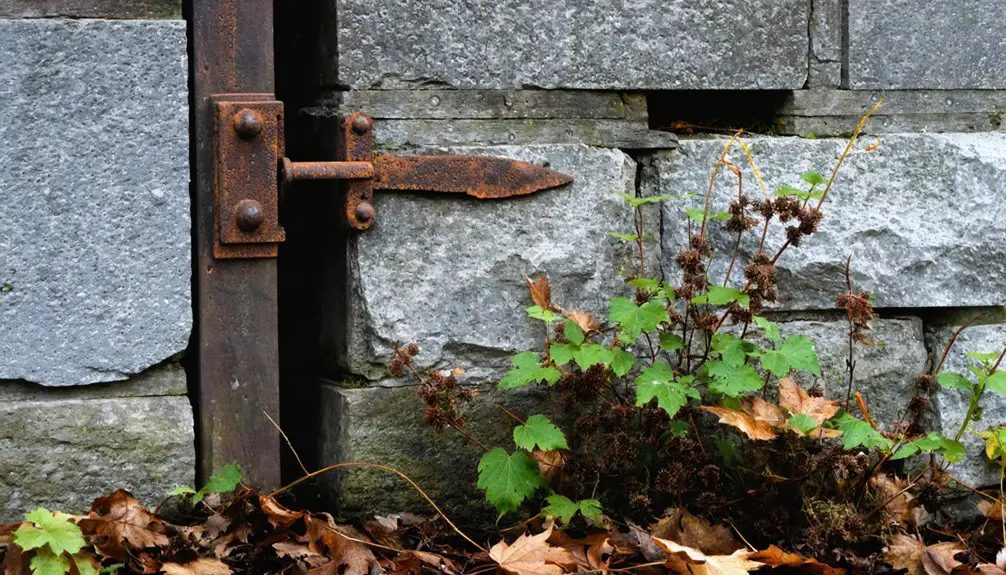
- Monument Avenue stonewalls – silent boundaries of forgotten farms reclaimed by wilderness
- Fayville ruins – crumbling remnants where a murder darkened 1892
- Glastenbury Mountain trailhead signage – your gateway into the Bennington Triangle’s mysterious heart
- Abandoned railroad grade – ghost of America’s steepest rail line, swallowed by forest
Each marker pulls you deeper into territory where history feels raw, unfiltered, and gloriously untamed — exactly where free spirits belong.
What the Glastenbury Ruins Actually Look Like Today?
Deep in the overgrown wilderness of southern Vermont, Glastenbury’s ruins offer a haunting but sparse reward for those willing to hike in.
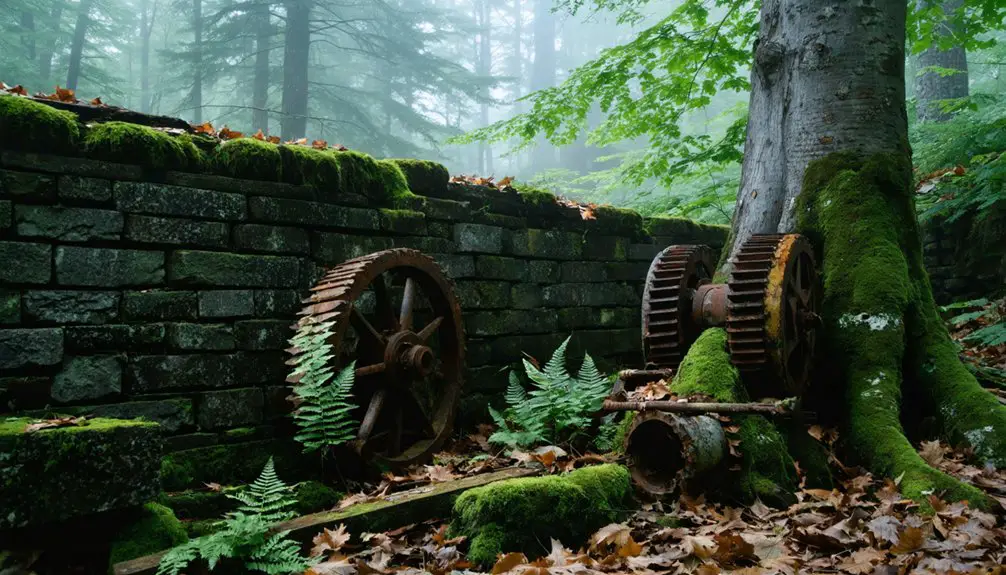
You’ll find crumbling cellar holes swallowed by moss, scattered stone foundations barely visible beneath decades of forest growth, and chimney remnants standing like forgotten sentinels. Glastenbury history left behind no grand structures — just quiet evidence of lives once lived here.
The old industrial sites have largely surrendered to nature, making ghost town photography both challenging and deeply atmospheric. Bring a wide-angle lens to capture how the forest reclaims everything.
Light filters through dense canopy, casting dramatic shadows across broken stonework. There’s no manicured trail guiding you — just raw wilderness, faint ruins, and the unsettling silence of a place people deliberately left behind.
Know These Safety Rules Before You Head Into the Woods
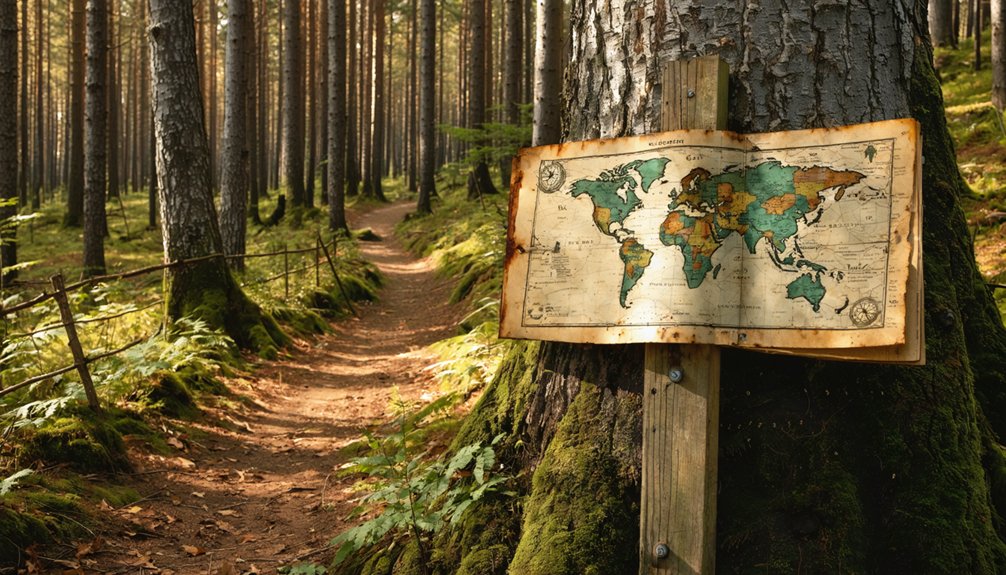
Those haunting cellar holes and silent ruins are worth every step of the hike — but getting there and back safely requires real preparation. Vermont’s wilderness doesn’t forgive carelessness, so respect it.
Follow these essential safety rules before you go:
- Tell someone your exact route — these forests swallow people whole, as Glastenbury’s history proves.
- Carry a paper map and compass — cell service vanishes deep in the mountains.
- Practice wildlife awareness — black bears and coyotes roam these remote woodlands.
- Observe trail etiquette — yield to other hikers, pack out everything you bring in.
- Start early and watch weather — mountain conditions shift violently and without warning.
Your freedom to explore depends entirely on your preparation. Don’t let adventure become a cautionary tale.
What to Pack for a Vermont Ghost Town Road Trip
Before you hit the trail toward Glastenbury Mountain or poke through Fayville’s crumbling ruins, you’ll want to pack smart for Vermont’s unpredictable terrain and weather.
Your essential gear should include sturdy hiking boots, layered clothing, a detailed topographic map, a compass, and a fully charged power bank since cell service is nearly nonexistent in these remote areas.
On the safety side, never head into the backcountry without a first aid kit, a whistle, bear spray, and enough water and high-energy snacks to sustain you if the trail takes longer than expected.
Essential Gear To Pack
Wandering through Vermont’s ghost towns means trading paved comfort for overgrown cellar holes, muddy trails, and unpredictable mountain weather.
So packing smart makes the difference between a memorable adventure and a miserable slog. Gear up intentionally before you hit those forgotten backroads:
- Waterproof hiking boots that grip wet roots and crumbling foundations without hesitation
- Layered clothing for Glastenbury Mountain’s sudden temperature swings
- A quality camera or smartphone stabilizer for ghost town photography that captures raw, haunting details
- Protective gloves when handling aged stone walls or debris while practicing historical preservation
- A detailed topographic map and compass because cell service vanishes deep in Vermont’s wilderness
You’re not just packing supplies — you’re equipping yourself for genuine freedom.
Safety Items To Bring
Safety turns a reckless adventure into a smart one, especially when you’re pushing into Vermont’s remote backcountry where help isn’t close and terrain gets unpredictable fast.
Pack your safety gear before anything else. A well-stocked first aid kit handles cuts, sprains, and blisters that old ruins and uneven trails will inevitably deliver.
Carry emergency supplies including a whistle, emergency mylar blanket, waterproof matches, and a compact flashlight with extra batteries.
Cell service disappears fast around Glastenbury Mountain, so bring a paper map and compass you actually know how to use. A personal locator beacon adds serious insurance when you’re hiking deep into abandoned wilderness alone.
Tell someone your exact route and expected return time before you leave. Freedom means staying alive to explore again.
Other Ghost Towns Near Glastenbury to Add to Your Drive
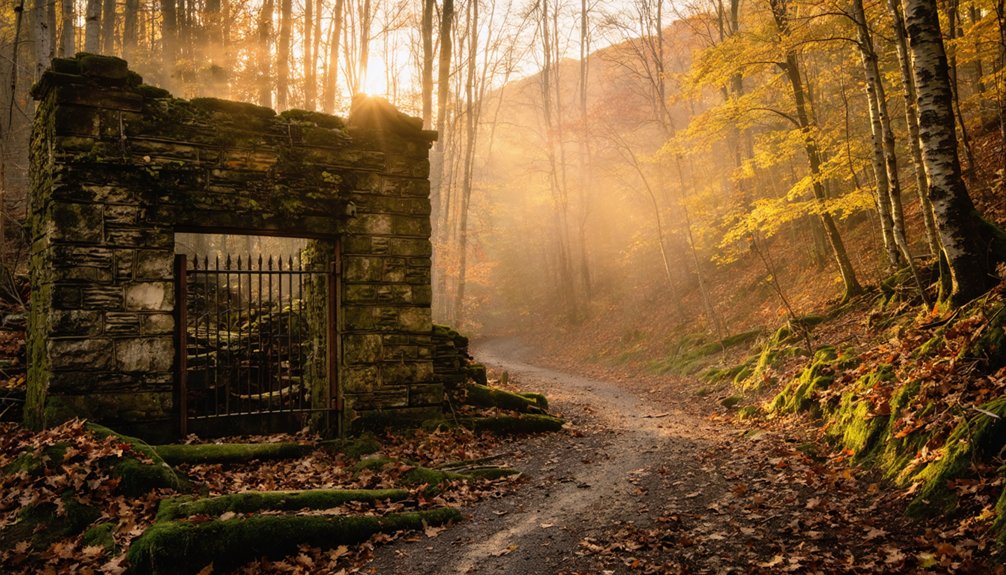
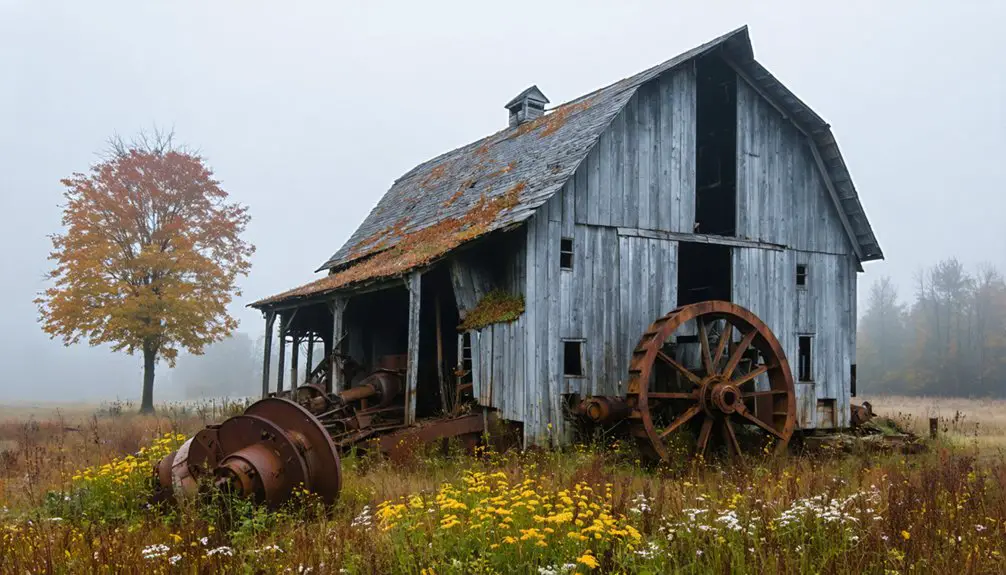
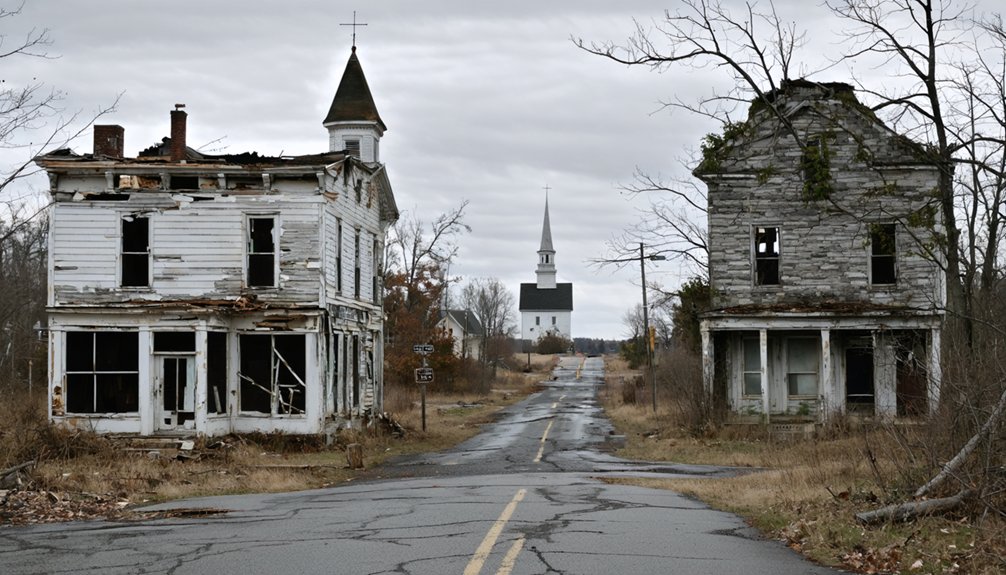
While Glastenbury steals most of the spotlight, Vermont’s back roads hide several other ghost towns worth weaving into your drive. Each site carries its own abandoned structures and local folklore, pulling you deeper into Vermont’s forgotten past:
- Fayville – Crumbling ruins near Bennington where two murders once darkened the community.
- Somerset – A Windham County shell of industry, swallowed by silence and overgrowth.
- Greenbanks Hollow – A haunting former mill town preserving a solitary covered bridge.
- Ricker Basin – Tucked inside Little River State Park, cellar holes tell stories trees now guard.
- West Castleton – Hidden within Bomoseen State Park, stone walls mark lives completely erased.
Each stop adds another layer to your journey through Vermont’s raw, untamed history.
Frequently Asked Questions
Is There Cell Service or Wi-Fi Available on Glastenbury Mountain Trails?
Don’t count on cell coverage or trail connectivity on Glastenbury Mountain’s remote trails. You’re venturing into vast, rugged wilderness where signals fade fast, so download your maps, pack essentials, and embrace the liberating disconnect before heading out.
Are Pets Allowed on the Hiking Trails Near Glastenbury Ghost Town Ruins?
Over 60% of Vermont trails welcome leashed dogs! You’ll find pet regulations allow furry companions on Glastenbury’s trails, but hiking etiquette demands you keep them leashed, respecting wildlife and fellow adventurers exploring this hauntingly mysterious wilderness.
What Is the Best Time of Year to Visit Vermont Ghost Towns?
You’ll find Vermont’s ghost towns most magical during fall foliage season! Vibrant autumn colors dramatically enhance the eerie ruins, letting you fully absorb their historical significance while exploring abandoned settlements like Glastenbury without summer’s crowds obscuring your adventure.
Are There Any Entrance Fees or Permits Required to Explore Glastenbury?
Like a frontier pioneer, you’ll find no entrance requirements blocking your path! Glastenbury’s ghost town history remains freely accessible — just lace up your boots, hit the trails, and explore Vermont’s eeriest abandoned wilderness without permits or fees.
Can You Camp Overnight Near the Glastenbury Mountain Ghost Town Ruins?
You can camp overnight near Glastenbury Mountain’s ghost town ruins, but you’ll need to follow Vermont’s camping regulations. Don’t expect ghost town amenities — it’s rugged wilderness, so pack everything you’ll need for true freedom!
References
- https://www.youtube.com/watch?v=ScW-H7A8yL8
- https://happyvermont.com/2014/10/23/glastenbury-ghost-town/
- https://www.reddit.com/r/vermont/comments/324z2g/the_vanished_town_of_glastenbury_steepest_rr_in/
- https://www.onlyinyourstate.com/experiences/vermont/ghost-town-vt
- https://ournewenglandlegends.com/the-mystery-of-glastenbury-mountain-vermont/
- https://en.wikipedia.org/wiki/List_of_ghost_towns_in_Vermont
- http://freepages.rootsweb.com/~gtusa/history/usa/vt.htm
- https://en.wikipedia.org/wiki/Category:Ghost_towns_in_Vermont
- https://kids.kiddle.co/List_of_ghost_towns_in_Vermont
- https://www.youtube.com/watch?v=2fvPo9iQC-w