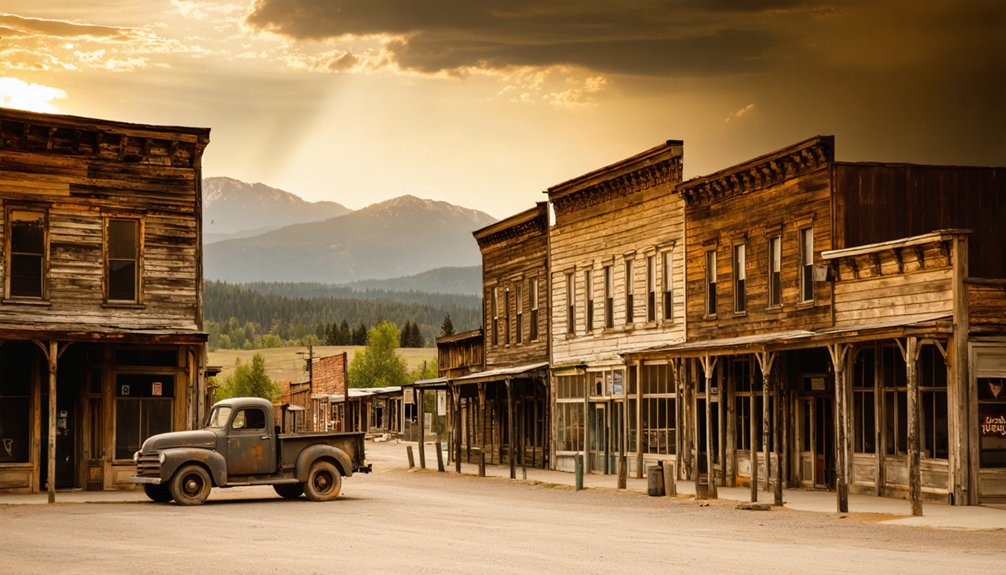
Idaho City sits just 45 minutes northeast of Boise on Highway 21, and it’s one of the West’s most underrated ghost town escapes. You’ll walk streets that once held 7,000 gold-hungry souls and outpopulated Portland itself. The First Territorial Jail, Pioneer Cemetery, and surviving brick storefronts all tell that story better than any history book can. Pack layers, carry cash, and check road conditions before you go — there’s far more to uncover here than you’d expect.
Key Takeaways
- Idaho City, 24 miles northeast of Boise, was once the Northwest’s largest city, fueled by a $100 million gold rush.
- Drive scenic Highway 21 through Boise National Forest; the 45-minute trip requires checking road conditions before departure.
- Key attractions include the Pioneer Cemetery, First Territorial Jail, First Catholic Church, and the still-operating Historic Idaho Hotel.
- Pack layered clothing, sturdy boots, extra water, trail snacks, and detailed maps, as cell service fades in the hills.
- Fall offers the best experience with fewer crowds, stunning aspen foliage, and an atmospheric Pioneer Cemetery in autumn light.
Why Idaho City Is Worth the Drive From Boise
Just 24 miles northeast of Boise, Idaho City packs more authentic frontier history into a single afternoon than most ghost towns deliver in an entire weekend.
During its peak, this rugged settlement outgrew Portland, Oregon, becoming the Northwest’s largest population center — a staggering fact that still stops visitors cold.
Idaho City history runs deep and unvarnished. Gold rush significance here isn’t symbolic; it’s staggering. The surrounding Boise Basin yielded more gold than all of Alaska, producing an estimated $100 million from its mines alone.
You’ll walk streets where 250 businesses once competed and 7,000 souls chased fortune in equal measures of grit and desperation.
That raw, independent spirit still lingers. For anyone craving genuine American freedom and frontier authenticity, Idaho City delivers it without apology.
How to Get to Idaho City From Boise
You’ll find Idaho City just 24 miles northeast of Boise, a quick but rewarding drive that winds through the rugged terrain of Boise National Forest before depositing you at 4,400 feet elevation above the confluence of Elk and Mores creeks.
The route is well-established and accessible by standard vehicle, so you won’t need anything more rugged than your everyday car to make the journey.
Check road conditions before you leave, though, since the mountain elevation means weather can shift quickly and catch unprepared travelers off guard.
Driving Distance And Route
A short 24-mile drive northeast of Boise puts you on the doorstep of Idaho City, winding through the rugged terrain of Boise National Forest along State Highway 21.
You’ll climb to 4,400 feet, passing scenic viewpoints and spotting local wildlife along every curve.
- Distance: 24 miles (39 km) northeast of Boise
- Route: State Highway 21 through Boise National Forest
- Elevation: Climbs to 4,400 feet (1,340 meters)
- Drive time: Approximately 45 minutes from Boise
- Road conditions: Check seasonal weather before departing
The road itself tells a story — ponderosa pines crowding the asphalt, creek valleys dropping below, and mountain air replacing city noise.
You’re not just driving; you’re shedding the modern world mile by mile.
Road Conditions And Access
Before you pack the car and point it toward Idaho City, knowing what the road demands makes all the difference between a smooth ride and a white-knuckle surprise.
Highway 21 carries you northeast from Boise through rugged mountain terrain, climbing steadily toward 4,400 feet. The road is paved and generally well-maintained, but seasonal changes reshape conditions fast.
Spring snowmelt can trigger rockslides, summer afternoons bring sudden storms, and winter transforms the route into something far less forgiving. Road maintenance keeps the primary corridor accessible year-round, yet conditions shift without much warning at elevation.
Check current reports before leaving, carry water, and keep your tank full. Once you’re rolling through those ponderosa pines, the drive itself becomes the first chapter of your gold rush story.
What Survived: Idaho City’s Preserved Gold Rush Structures
Walking Idaho City’s streets today, you’ll find that not everything surrendered to the fires that swept repeatedly through this once-booming gold camp.
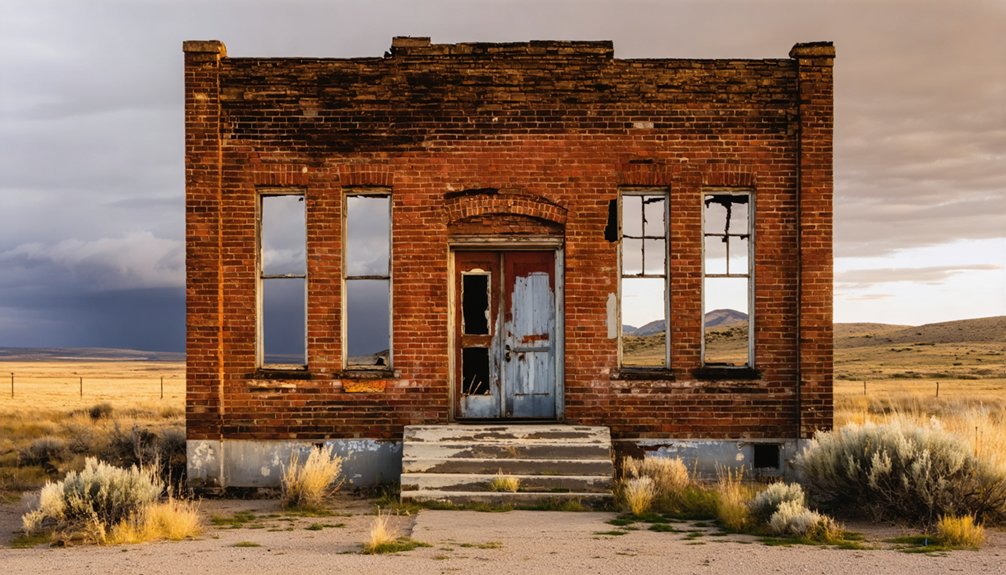
Rebuilt brick structures carry real architectural significance, standing as stubborn reminders of resilience against both flame and time. Preservation challenges remain constant, yet several landmarks endure remarkably intact.
Structures worth seeking out include:
- Historic Idaho Hotel – still operating and welcoming travelers
- First Territorial Jail – Idaho’s oldest preserved detention site
- First Catholic Church – a frontier faith landmark still standing
- Rebuilt brick storefronts – surviving multiple devastating fires
- Pioneer Cemetery (Boot Hill) – roughly 3,000 graves across several weathered acres
Touch these walls.
Read the markers.
Freedom once looked exactly like this.
Historic Landmarks You Can’t Skip in Idaho City
Every landmark in Idaho City carries a story that most ghost towns never get to tell—because most ghost towns didn’t survive long enough to preserve one.
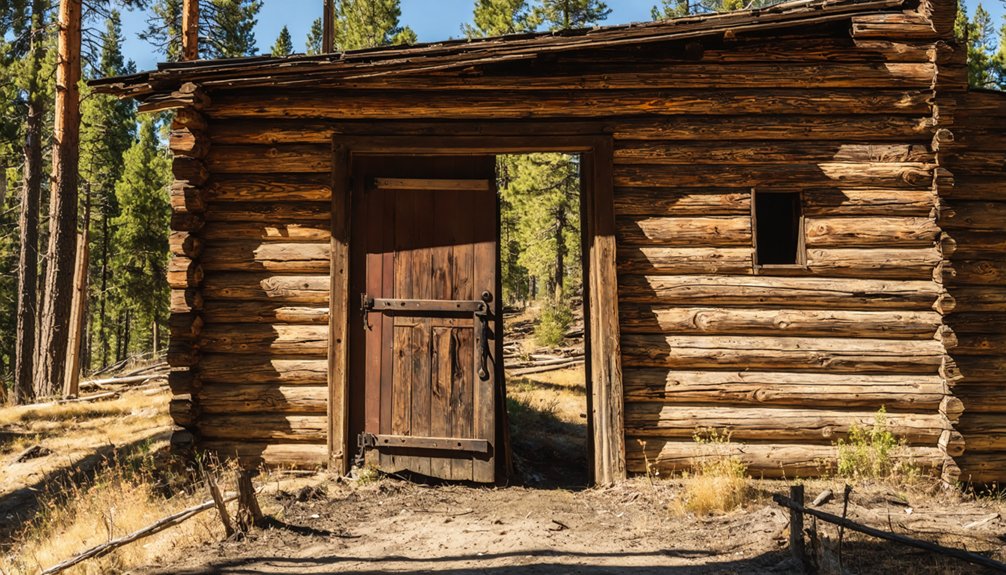
Walk through the First Territorial Jail, where Idaho’s earliest lawmen held frontier justice together with little more than iron bars and nerve.
Step inside the First Territorial Jail—where frontier justice was held together by iron bars and sheer nerve.
Step inside the First Catholic Church, still standing against the mountain weather that’s claimed so many others.
The historic architecture here isn’t staged—it’s genuine, worn smooth by generations of hard-living miners.
You’ll find mining artifacts scattered throughout small museums that reward curious visitors who slow down long enough to look.
The Historic Idaho Hotel still takes guests. Let that sink in.
This isn’t a relic you observe from behind rope barriers—it’s a living place you actually get to move through.
Walking Idaho City’s Pioneer Cemetery at Boot Hill
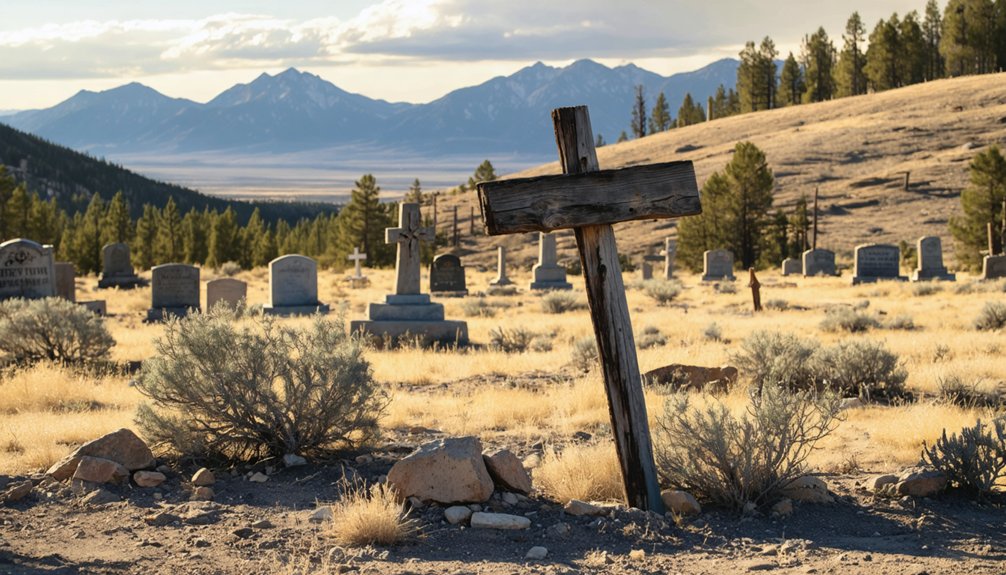
Outside the hotel’s worn front door, Idaho City’s story takes a quieter, heavier turn. Boot Hill’s Pioneer Cemetery holds roughly 3,000 souls across rolling acres, their pioneer stories etched into weathered markers dating back to the 1860s.
You’ll feel the ghostly encounters here — not frightening, but profound. Walk freely among the graves and let history breathe.
- Miners, merchants, and outlaws rest side by side without hierarchy
- Hand-carved markers reveal names, trades, and heartbreakingly young ages
- Scattered grave clusters reflect how quickly fortune could turn fatal
- Unmarked plots remind you that many died anonymous and unclaimed
- Silence here speaks louder than any museum exhibit ever could
Bring water, walk slowly, and read every marker you can find.
Where to Eat and Drink in Idaho City
After wandering Boot Hill’s silent acres, hunger has a way of pulling you back to the living. Idaho City keeps things honest — roughly four businesses remain open, serving food and drinks that feel rooted in the town’s roughneck spirit.
You’ll find local dining options where the menus are simple and the portions generous, exactly what a day of dusty exploration demands.
Pull up a stool at one of the saloons and order something cold. The craft beverages lean toward character over pretension, which suits this place perfectly.
The barstools here have earned their scars. Order something cold and let the character do the talking.
Old-time themes dress the walls, but the atmosphere never feels forced — it’s genuine, worn-in, and welcoming. Think of it as the gold rush’s last living hospitality, poured right into your glass.
What to Pack for Idaho City’s Elevation, Weather, and Terrain
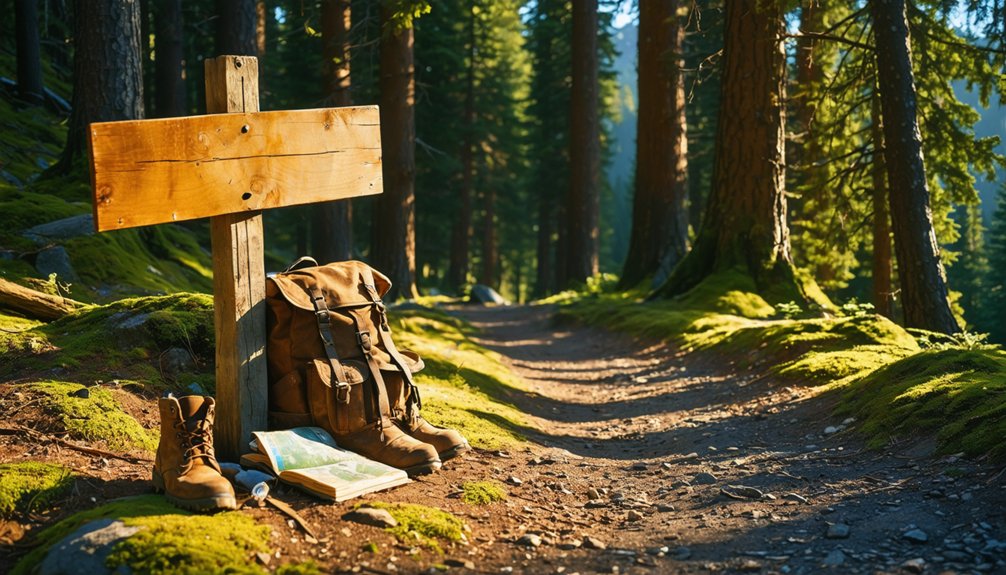
Sitting at 4,400 feet in the Boise National Forest, Idaho City demands a little more preparation than a casual afternoon drive suggests. Elevation preparation and weather essentials aren’t optional here — they’re your ticket to roaming freely without consequence.
- Sturdy hiking boots for uneven historic terrain and creek-side paths
- Layered clothing to handle mountain temperature swings throughout the day
- Extra water and trail snacks to sustain long stretches of self-guided exploration
- A detailed map, since cell service fades fast in these hills
- A camera, because the light hitting those weathered brick facades tells a story no phone memory can hold
Check conditions before you leave Boise. The mountains don’t negotiate.
How Long Should You Spend in Idaho City?
Once your pack is sorted and your boots are laced, the next question hits fast: how much time do you actually need here? Honestly, plan for a full day.
Idaho City’s historical significance runs deeper than a quick walkthrough suggests. You’ll want unhurried hours to wander the Pioneer Cemetery‘s 3,000 graves, step inside the First Territorial Jail, and absorb the ghost town exploration at your own pace.
Idaho City rewards those who slow down — its 3,000 graves and frontier jail demand unhurried attention.
The preserved storefronts, historic markers, and small museums reward slow, deliberate movement. Rushing through cheats you out of the details that make this place extraordinary.
Four businesses remain open, so grab a meal and let the gold rush atmosphere settle around you. A single full day lets you leave feeling satisfied rather than like you missed something irreplaceable.
Best Time of Year to Visit Idaho City
Summer draws the biggest crowds to Idaho City, when warm days make it easy to wander the dusty streets and soak in the gold rush atmosphere at its fullest.
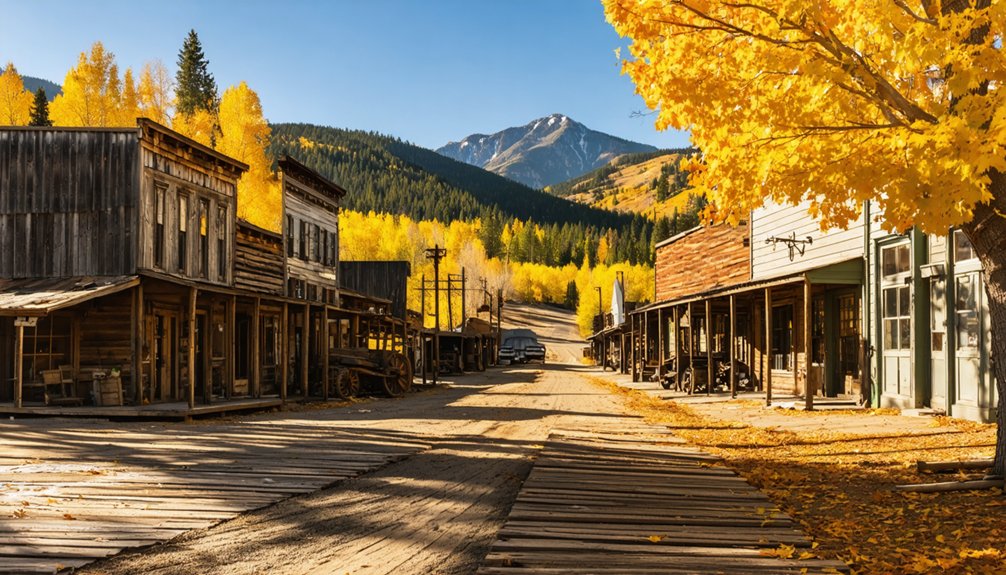
If you prefer a quieter visit framed by blazing aspens and cooler temperatures, fall’s the season that’ll make every photograph feel like a painted memory.
Winter, though, closes in hard at 4,400 feet, so you’ll want to check road conditions carefully before making the trip up from Boise.
Peak Summer Visiting Season
The best time to visit Idaho City is during the peak summer months of June through August, when warm temperatures, clear skies, and longer daylight hours give you the most time to wander its weathered storefronts and dusty streets.
Summer activities thrive here, and these visitor tips will sharpen your experience:
- Pack layers, since mountain evenings cool quickly above 4,400 feet
- Arrive early to claim parking before weekend crowds gather near the historic district
- Carry cash, as some small businesses don’t accept cards
- Bring a camera to capture golden afternoon light hitting the brick facades
- Check trail conditions beforehand, since summer storms can soften unpaved paths
Summer transforms Idaho City into something rare — a living ghost town breathing beneath open skies.
Fall Foliage Travel
When September arrives, Idaho City trades its summer crowds for something quieter and more golden — aspen groves ignite across the Boise National Forest hillsides, and the weathered brick facades of the historic district glow warm against a backdrop of amber and rust.
The 24-mile scenic drive from Boise becomes one of Idaho’s finest fall experiences, the winding road framed by hillsides shifting from green to gold. You’ll find the Pioneer Cemetery especially haunting and beautiful beneath autumn light, the old stones half-buried in fallen leaves.
Fall activities here feel unhurried — wandering storefronts, reading historic markers, stepping inside the old hotel. The crowds have thinned, the air carries a sharp pine edge, and Idaho City finally breathes again.
Winter Weather Considerations
Winter transforms Idaho City into something raw and elemental — snow buries the old cemetery markers, ice creeps along the eaves of the brick storefronts, and the few remaining open businesses feel like genuine refuges rather than tourist stops.
Snow activities like snowshoeing through Boise National Forest reward those willing to brave the cold, but winter safety demands preparation at 4,400 feet.
- Check road conditions on Highway 21 before departing Boise
- Pack chains, blankets, and emergency supplies for mountain driving
- Dress in moisture-wicking, insulated layers for elevation temperature swings
- Carry extra water — cold air dehydrates you faster than you’d expect
- Notify someone of your route and expected return time
What Not to Touch: Site Etiquette and Visitor Rules in Idaho City
Stepping into Idaho City feels like borrowing time from the past, so you’ll want to treat every weathered plank, rusted hinge, and sun-bleached signpost with the respect it deserves.
Site preservation depends entirely on visitors like you making mindful choices. Don’t touch or pocket historical artifacts, no matter how small or seemingly insignificant they appear. Some sites still carry active mining claims, meaning wandering beyond marked boundaries isn’t just disrespectful — it’s potentially illegal.
Stick to established paths to protect both the terrain and yourself. Read every posted sign before exploring a structure, since some buildings remain structurally compromised.
Photography is welcome, but keep your hands to yourself and your footprint light. The freedom to explore places like this tomorrow depends on how carefully you treat them today.
Frequently Asked Questions
Does Idaho City Have Overnight Lodging Options Available for Visiting Travelers?
Like a weary gold miner seeking rest, you’ll find the historic Idaho Hotel still opens its doors for overnight stays. Check accommodation reviews for lodging types that’ll fuel your next day’s freedom-filled exploration.
Are Pets Allowed When Exploring Idaho City’s Historic Sites and Trails?
The knowledge doesn’t specify historical pet policies or pet friendly attractions for Idaho City. You’ll want to contact local authorities directly before bringing your furry companion to explore these cherished, time-worn trails and storied sites.
Is There Cell Phone Service or Wi-Fi Available Throughout Idaho City?
The knowledge base doesn’t confirm cell service or Wi-Fi access in Idaho City. You’d be wise to disconnect from the digital world, embrace the freedom of frontier solitude, and let that golden, untamed mountain air guide your wandering spirit.
Does Idaho City Host Any Annual Events or Festivals for Visitors?
Like a miner’s lantern rekindled, Idaho City’s ghost town history breathes life through annual events celebrating local traditions. You’ll find seasonal festivals honoring its golden past, though you’d want to verify current schedules before hitting the open road.
Are There Guided Tour Services Available Beyond Self-Guided Walking Options?
The knowledge doesn’t confirm guided tours with local guides beyond self-guided options. You’ll wander freely through Idaho City’s storied, gold-dusted streets at your own pace, discovering history’s whispers independently, letting your adventurous spirit chart every nostalgic, unscripted step.
References
- https://www.britannica.com/place/Idaho-City
- https://en.wikipedia.org/wiki/List_of_ghost_towns_in_Idaho
- https://www.youtube.com/watch?v=hjQ9plwJeYg
- https://visitidaho.org/things-to-do/ghost-towns-mining-history/
- https://history.idaho.gov/wp-content/uploads/2018/08/0064.pdf
- https://history.idaho.gov/wp-content/uploads/2018/09/Idaho_City_75000626.pdf
- https://visitidaho.org/travel-tips/boom-or-bust-exploring-idaho-ghost-towns/
- https://www.youtube.com/watch?v=RNCaxrY62ZI
- https://www.youtube.com/watch?v=ZhdjAf6R9fU