Planning a ghost town road trip to Lanark, New Mexico starts in El Paso, where you’ll head west on NM State Road 9 toward the US-Mexico border. Fill your tank, pack plenty of water, and download offline maps before you go — cell service disappears fast out here. Lanark’s century-old railroad buildings and nearby Kilbourne Hole volcanic crater make it a surprisingly rich destination. There’s even more to discover when you explore the ghost towns scattered along the route.
Key Takeaways
- Lanark, New Mexico, located 30 miles from El Paso, is a forgotten railroad town featuring century-old buildings tied to Southern Pacific train history.
- Travel via NM State Road 9, filling your gas tank and downloading offline maps beforehand, as cell coverage and fuel stations are scarce.
- Pack at least one gallon of water per person, a first-aid kit, sun protection, and a fully charged camera for the remote journey.
- Kilbourne Hole, a nearby volcanic crater, offers geological wonders including rare xenoliths and was once used by NASA to train Apollo astronauts.
- NM State Road 9 connects several ghost towns, including Columbus, Hachita, and Oro Grande, making a full-day road trip highly rewarding.
What Makes Lanark, New Mexico Worth the Drive?
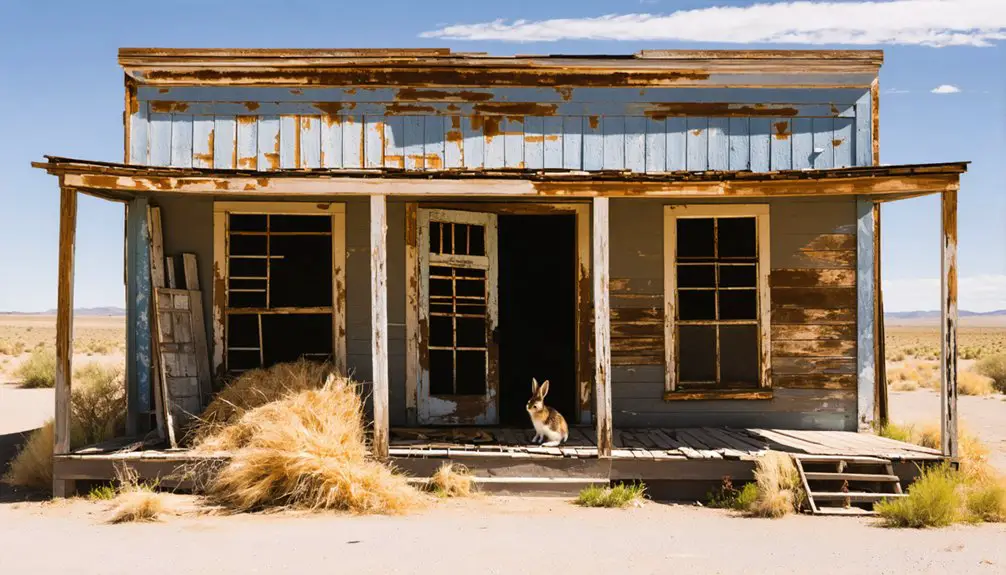
Although it’s just 30 miles from El Paso, Lanark, New Mexico feels like a world apart — a forgotten railroad town that once kept Southern Pacific trains fueled and running between El Paso and Los Angeles, now standing silent in the desert with its century-old buildings slowly surrendering to time.
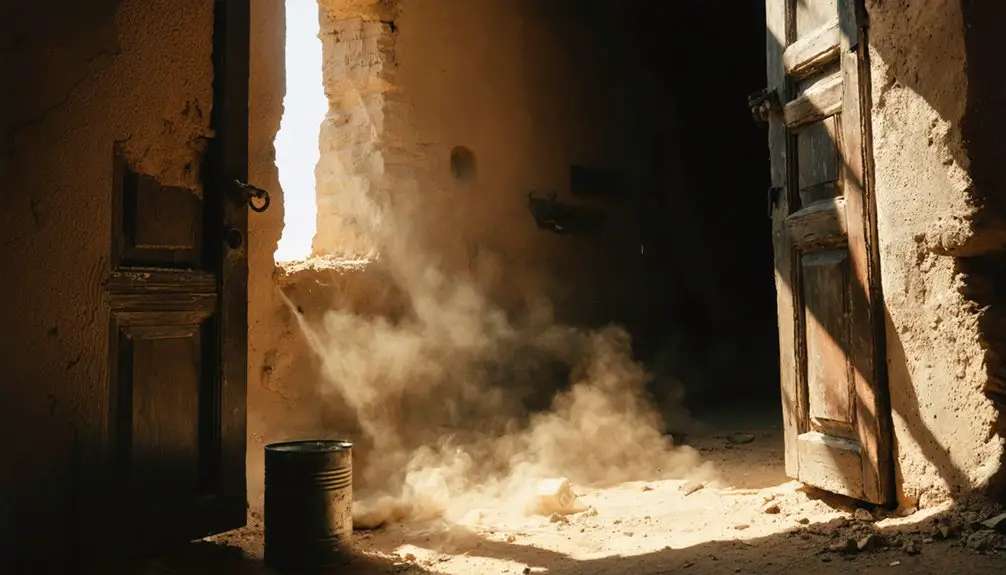
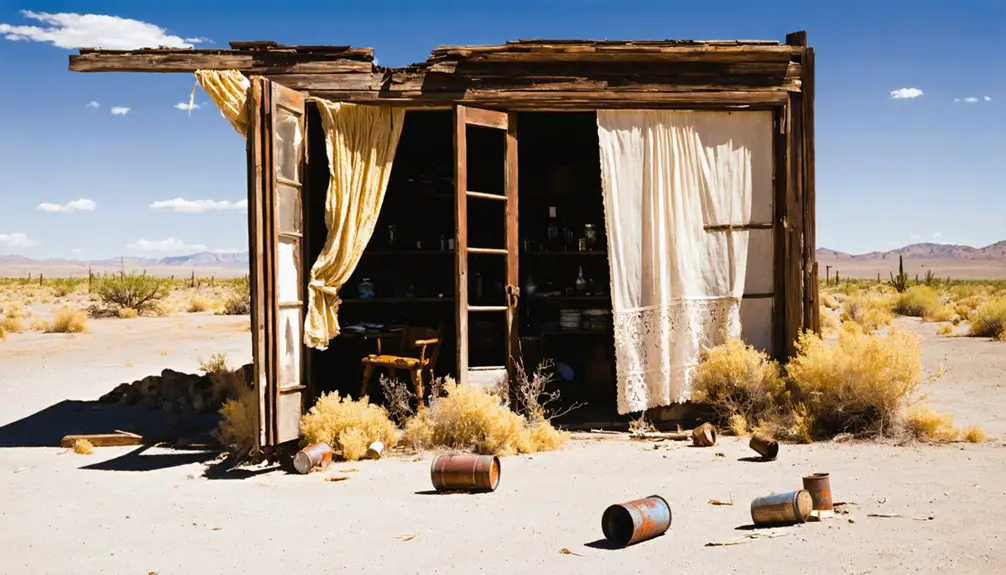
Lanark history runs deep, rooted in an era when railroad significance shaped entire communities overnight. You’ll walk through original structures built over 100 years ago, feeling the weight of a boom-and-bust story written in weathered wood and rusted iron.
Nearby, Kilbourne Hole volcanic crater adds an otherworldly dimension — NASA even trained Apollo astronauts here.
For anyone craving raw history and open desert freedom, Lanark delivers an authentic, uncrowded experience that no polished tourist destination ever could.
How to Get to Lanark From El Paso
Getting to Lanark takes roughly an hour from El Paso, making it one of the most accessible ghost town day trips in the region.
Head west toward the New Mexico border, following highways that run parallel to the US-Mexico boundary near NM State Road 9. Your route options include connecting through the desert corridor, where the landscape gradually shifts into wide-open Chihuahuan terrain.
A few essential travel tips before you go: fill your gas tank, pack extra water, and download offline maps since cell coverage disappears fast out here.
There are no services once you leave the city behind. The road rewards those who prepare — thirty miles of open desert separating you from a century-old railroad relic waiting to be explored on your own terms.
What to Pack Before You Leave El Paso
Before you head out to Lanark, pack at least a gallon of water per person, since the remote desert stretch offers no services and temperatures can turn punishing fast.
Fill your tank in El Paso, as there’s no guarantee you’ll find fuel once you’re out near the New Mexico border.
Download offline maps and bring a fully charged camera, because cell coverage drops off quickly and you won’t want to miss capturing Lanark’s century-old ruins against that stark desert backdrop.
Essential Water And Fuel
Packing water and fuel before you leave El Paso isn’t optional on a trip to Lanark — it’s survival planning. The remote desert landscape offers zero water sources once you leave the city, and fuel stations disappear fast beyond El Paso’s outskirts.
You’re heading roughly 30 miles into arid terrain where cell coverage is unreliable and help isn’t nearby.
Bring at least one gallon of water per person, plus extra for your vehicle if it runs hot in desert heat.
Top off your tank completely before departing — don’t gamble on finding fuel stations along the route. Carry a spare gas can for added insurance.
Freedom in the desert demands preparation, and arriving self-sufficient means you explore on your terms, not circumstance’s.
Navigation And Offline Maps
Cell service drops fast once you leave El Paso’s outskirts, and relying on live navigation to Lanark is a gamble you don’t want to lose 30 miles into the desert.
Download your offline resources before departure so you’re never guessing at a fork in the road. These navigation tips keep you moving confidently through remote border terrain:
- Download offline maps via Google Maps or Maps.me covering the US-Mexico border region and NM State Road 9 corridor.
- Save GPS coordinates for Lanark and Kilbourne Hole directly to your phone before leaving El Paso.
- Print a paper backup — desert heat, dust, and dead batteries make physical maps genuinely lifesaving.
Own your route before the signal disappears.
Camera And Safety Gear
Most ghost towns forgive a little unpreparedness, but Lanark’s remote desert stretch between El Paso and the New Mexico border doesn’t.
Pack a camera with manual camera settings ready for harsh midday glare and shadowed interiors — shoot in RAW for maximum flexibility. A wide-angle lens captures crumbling facades dramatically, while a telephoto isolates weathered details.
For safety precautions, bring more water than you think you’ll need, a basic first-aid kit, and sun protection. Cell coverage disappears fast out here. Tell someone your route before you leave.
Sturdy boots protect against broken glass, rusted metal, and uneven terrain hiding beneath desert scrub. A flashlight helps inside darkened structures.
Pack light, but pack smart — Lanark rewards the prepared explorer.
What’s Left to See at Lanark Ghost Town?
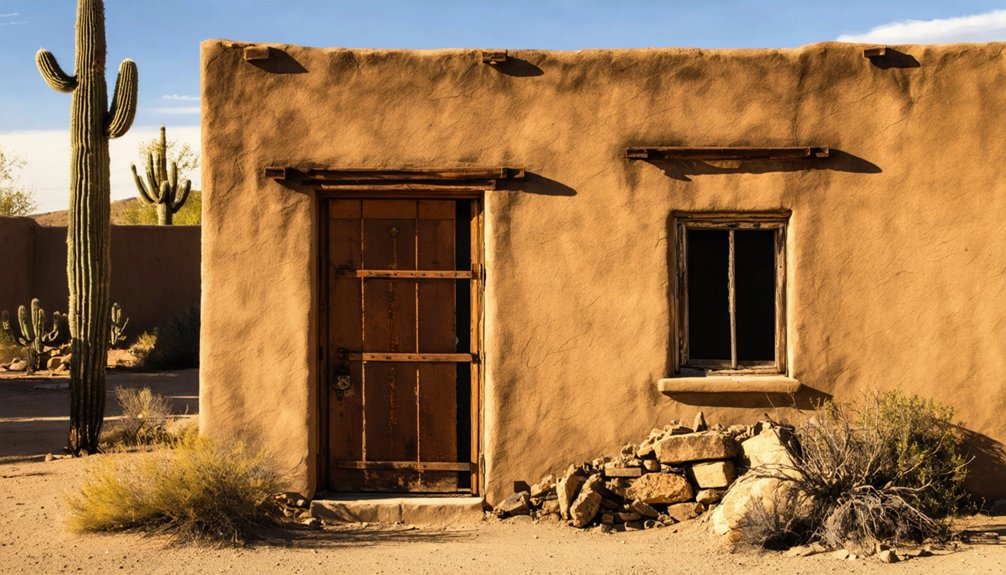
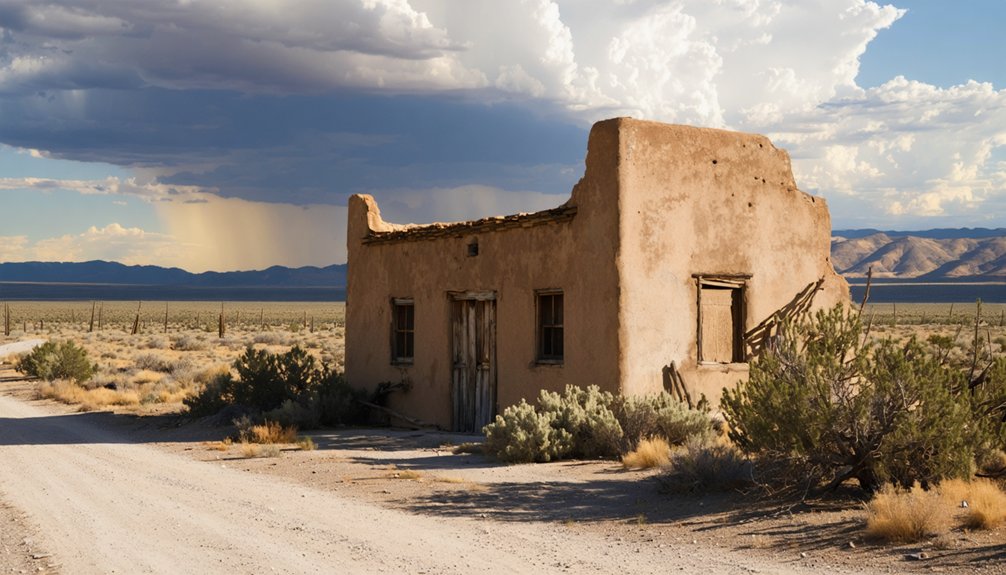
When you arrive at Lanark, you’ll find remnants of railroad-era buildings still standing after more than a century, offering a rare glimpse into the town’s life as a Southern Pacific fuel depot.
A short drive away, Kilbourne Hole volcanic crater adds a dramatic geological twist to your visit, its lunar-like terrain so otherworldly that NASA trained Apollo astronauts here in the 1960s.
Scattered across the crater’s rim and surrounding desert, you’ll also spot xenoliths—unusual deep-earth rocks ejected during the eruption thousands of years ago—making this stop feel more like a science expedition than a casual road trip.
Historic Railroad Buildings Remaining
Scattered across the desert floor, Lanark’s surviving structures tell the story of a once-bustling railroad depot that kept Southern Pacific trains fueled on their grueling transcontinental runs between El Paso and Los Angeles.
These century-old remnants carry remarkable historical significance, offering you a rare glimpse into early 20th-century railroad architecture without a tour guide or admission fee.
When you explore the site, you’ll encounter:
- Original depot facilities — the skeletal remains of fueling and maintenance structures built to service steam locomotives
- Storage buildings — weathered walls that once held coal or wood supplies for hungry engines
- Support structures — foundations and partial walls revealing how a complete railroad community once functioned
Walk freely among these ruins and let the desert silence do the storytelling.
Kilbourne Hole Volcanic Crater
Beyond Lanark’s crumbling depot walls, the desert holds something far older and stranger — Kilbourne Hole, a volcanic maar crater that formed thousands of years ago when magma collided with groundwater in a violent phreatomagmatic explosion.
The volcanic formations here carry serious geological significance, drawing scientists and curious travelers alike.
What makes Kilbourne Hole truly remarkable is what you’ll find scattered across its rim and slopes — xenoliths, rare deep-earth rocks violently ejected during the eruption. You’re fundamentally holding pieces of Earth’s mantle when you pick one up.
NASA recognized this otherworldly landscape, training Apollo astronauts here during the 1960s to simulate lunar terrain.
Walking these grounds, you’ll understand why. The crater’s raw, alien beauty makes it an unforgettable stop you won’t want to rush.
Ancient Xenoliths Scattered Around
Lanark’s desert floor holds geological treasures that outlast any man-made ruin — ancient xenoliths, rare mantle rocks violently ejected from Kilbourne Hole’s eruption thousands of years ago, now scattered across the surrounding landscape like nature’s own museum exhibit.
Their geological significance is hard to overstate — you’re literally touching pieces of Earth’s deep interior.
Watch for these xenolith types as you explore:
- Peridotite — dense, green-tinged mantle rock rarely seen at Earth’s surface
- Dunite — nearly pure olivine clusters revealing extreme pressure conditions miles underground
- Pyroxenite — dark, coarse-grained fragments exposing ancient tectonic activity
You don’t need a geology degree to appreciate what you’re holding.
These rocks traveled further than most people ever will — straight up from Earth’s mantle.
What Is Kilbourne Hole and Why Should You Stop There?
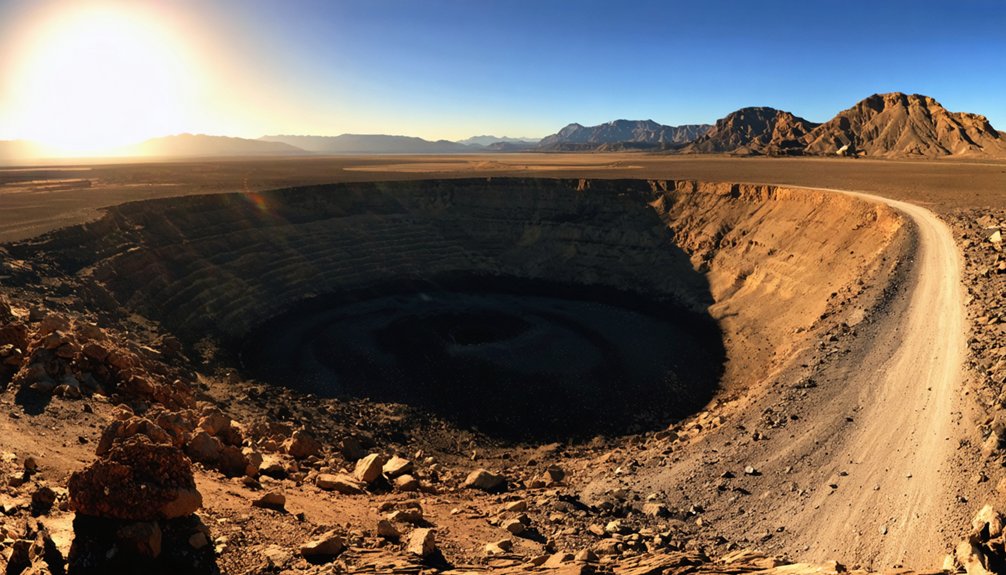
Just a short drive from Lanark, Kilbourne Hole is a massive volcanic crater that’ll stop you in your tracks. This stunning example of Kilbourne geology formed thousands of years ago when magma met groundwater, triggering a violent explosion that carved out this dramatic landscape.
The volcanic formations here stretch wide and deep, creating terrain so otherworldly that NASA chose it to train Apollo astronauts for lunar missions. You’ll immediately understand why when you stand at the rim and survey the ancient, barren expanse below.
Beyond the visual spectacle, you can hunt for xenoliths — rare deep-earth rocks violently ejected during the eruption. These geological treasures literally surface nowhere else nearby.
Bring sturdy shoes, water, and a camera. This place rewards the curious and the adventurous equally.
Which Ghost Towns Near Lanark Are Worth Adding to the Drive?
While Lanark anchors your ghost town adventure, the surrounding region rewards you with an entire trail of abandoned communities worth weaving into your route. NM State Road 9 connects several forgotten settlements, each offering unique abandoned structures and raw desert exploration opportunities.
- Oro Grande – Just 52 miles from El Paso, this near-ghost town retains an active post office yet feels utterly deserted, perfect for atmospheric photography.
- Columbus – A border town carrying dramatic history from Pancho Villa’s 1916 raid, with surviving remnants that tell a powerful story.
- Hachita – A crumbling railroad settlement along State Road 9 featuring weathered buildings that capture the region’s boom-and-bust legacy.
Pack water, fuel up, and let the open desert pull you deeper into New Mexico’s forgotten past.
How Do You Build a Full Ghost Town Road Trip Around Lanark?
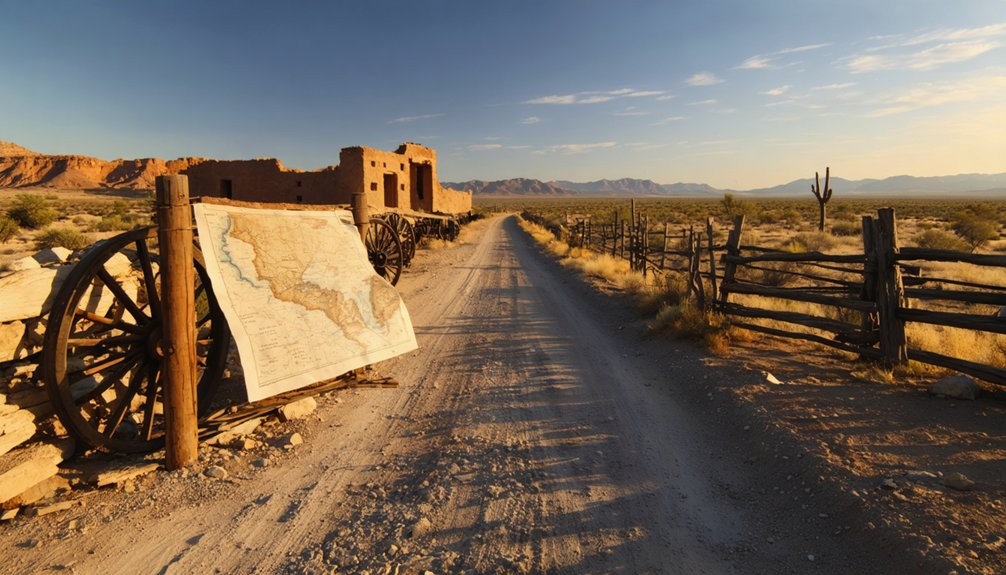
With ghost towns like Hachita, Columbus, and Oro Grande already mapped into your route, you’ve got the raw ingredients for a full desert road trip—now it’s about stitching them together into a logical, rewarding drive.
Start in El Paso, then push west along NM State Road 9, hitting Lanark first to absorb its railroad significance as a former Southern Pacific fuel stop.
From El Paso, head west on NM State Road 9 toward Lanark, once a vital Southern Pacific fuel stop.
Continue through Columbus, where border history runs deep, then loop toward Hachita and Animas before finishing in Oro Grande on the return stretch.
Each stop layers ghost town history onto the last, building a narrative of boom-and-bust settlement across the Southwest.
Carry extra water, download offline maps, and budget a full day—this desert corridor rewards travelers who move at their own pace.
Frequently Asked Questions
Is Lanark, New Mexico Located on Private or Public Land?
The available knowledge doesn’t confirm whether Lanark’s land is private or public, but you’ll want to respect posted signage when exploring its historic significance and uncovering ghost town legends during your adventurous desert visit.
Are There Any Entrance Fees or Permits Required to Visit Lanark?
No specific entrance regulations or permit requirements are documented for visiting Lanark. You’ll want to respect any posted signage, stay off private property, and embrace the freedom of exploring this hauntingly beautiful, century-old railroad ghost town responsibly.
What Time of Year Offers the Best Weather for Visiting Lanark?
Want the best seasons for Lanark? You’ll love visiting in spring or fall, when mild desert temps make exploration comfortable. Avoid brutal summer heat, check for local events, and you’re set for an unforgettable adventure!
Is It Legal to Collect Xenoliths From the Kilbourne Hole Area?
You’ll want to research current regulations before rock collecting at Kilbourne Hole, as rules can change. Xenolith identification is thrilling, but always verify whether the land’s federally managed, requiring permits to legally collect these rare geological treasures.
Are There Any Overnight Camping Options Near Lanark Ghost Town?
You’ll find dispersed camping options on BLM land near Lanark, perfect for freedom-seekers! Pack your camping essentials—water, fuel, and offline maps—and explore nearby attractions like Kilbourne Hole under the stars for an unforgettable desert adventure.
References
- https://www.newmexico.org/places-to-visit/ghost-towns/
- https://klaq.com/3-great-ghost-towns-within-driving-distance-of-ep/
- https://www.newmexicoghosttowns.net/trips
- https://www.reddit.com/r/roadtrip/comments/11nt8fq/small_town_on_us_70_new_mexico_of_a_bygone_era_a/
- https://www.youtube.com/watch?v=aWDdzk3rB58
- https://en.wikipedia.org/wiki/List_of_ghost_towns_in_New_Mexico
- https://www.newmexicomagazine.org/blog/post/abandoned-ghost-towns-new-mexico/
- https://www.newmexico.org/places-to-visit/ghost-towns/map/
- https://www.youtube.com/watch?v=VKCrlrUBPE8
- https://www.atlasobscura.com/things-to-do/new-mexico/ghost-towns