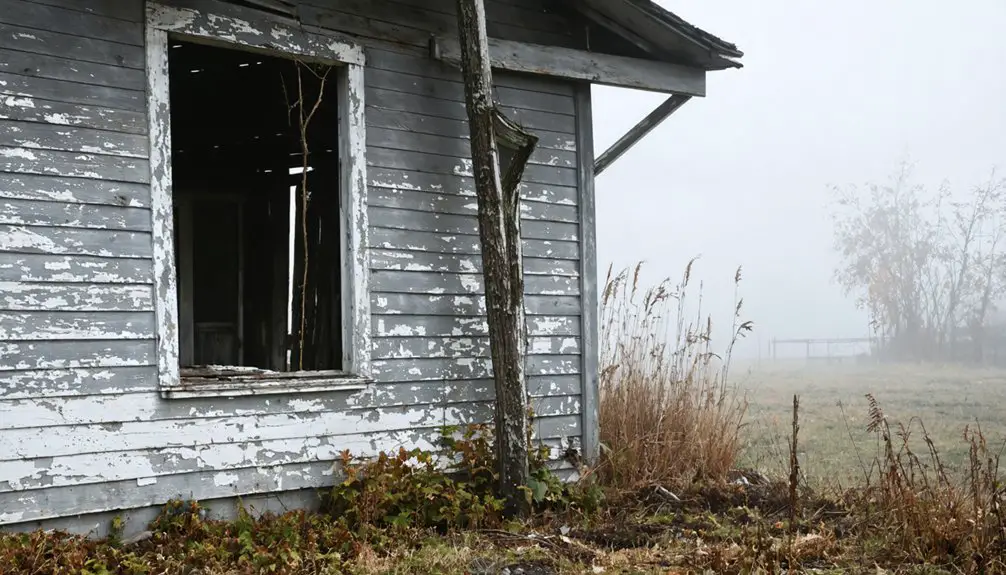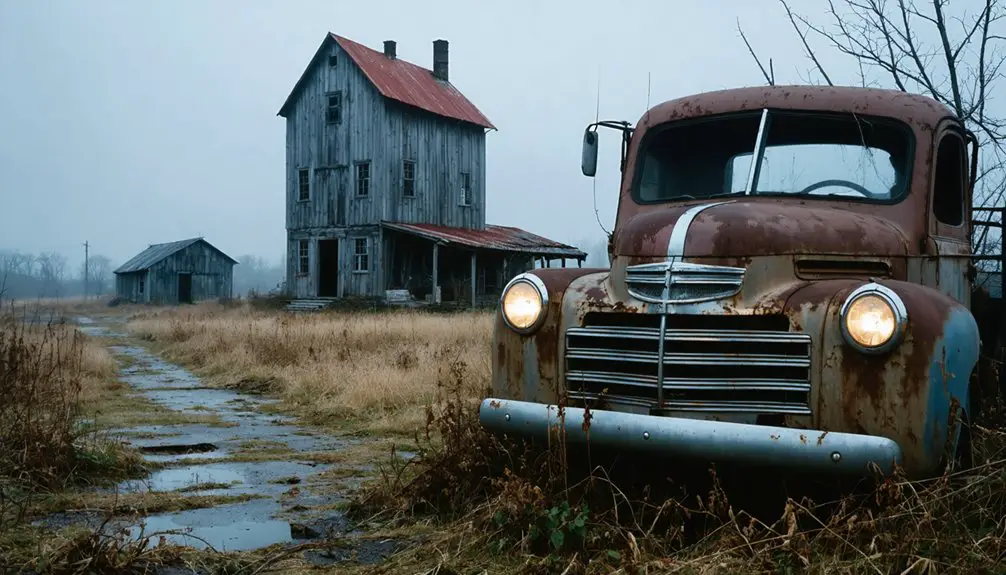
Planning a ghost town road trip to Leer, Michigan means heading northwest of Alpena into quiet, forested backroads where Norwegian immigrant history still breathes through the landscape. You’ll find the 1899 Leer Lutheran Church standing as a proud cultural landmark, surrounded by open roads and Michigan wilderness. Pack sturdy boots, download offline maps, and plan your visit for summer or fall. There’s far more to this forgotten corner of Michigan than you’d expect.
Key Takeaways
- Leer, Michigan, is a ghost town northwest of Alpena, founded by Norwegian immigrants and home to the historic 1899 Leer Lutheran Church.
- Travel scenic forested back roads from Alpena, downloading offline maps beforehand, as Leer lacks roadside assistance and cell service is unreliable.
- Summer and fall offer the best visiting conditions, with peak trail access, long daylight hours, and dramatic autumn foliage along scenic routes.
- Nearby attractions include Sunken Lake Park and ghost towns like Pere Cheney, Aral, and Redruth, ideal for extending your road trip itinerary.
- Pack sturdy boots, layered clothing, rain gear, water, snacks, a first aid kit, and a paper map for safe exploration.
What Makes Leer, Michigan a Ghost Town Worth Visiting?
Though it’s hardly more than a whisper of a town today, Leer, Michigan carries a quietly compelling story rooted in Norwegian immigrant heritage. Founders named it after their homeland of Lier, Norway, planting familiar roots in unfamiliar Michigan soil. That deliberate act of remembrance transformed this small community into something worth seeking out.
What draws you here isn’t spectacle — it’s authenticity. The 1899 Leer Lutheran Church still stands northwest of Alpena near Sunken Lake Park, a century-old monument to settlers who built faith before comfort.
You’ll find no crowds, no curated tourism, just open roads cutting through forested Michigan landscape. For those who value freedom over convenience, Leer offers exactly that — unfiltered history waiting quietly off the beaten path.
The Norwegian Settlers Who Founded Leer
When Norwegian immigrants arrived in northern Michigan, they didn’t simply settle land — they reconstructed identity. They carried their Norwegian heritage across an ocean and planted it firmly northwest of Alpena, naming their new community after Lier, their hometown back in Norway.
They didn’t just cross an ocean — they carried an entire homeland with them and rebuilt it from scratch.
These immigrant stories weren’t just about survival — they were about preservation. Settlers built Leer with intentional cultural pride, ensuring their language, faith, and traditions survived transplantation into Michigan’s dense forests.
You can still feel that determination today. The 1899 Leer Lutheran Church stands as direct evidence of their commitment — a century-old structure testifying that these Norwegians refused cultural erasure.
When you visit, you’re not just seeing a building; you’re witnessing what immigrants built when freedom meant creating something entirely their own.
Leer Lutheran Church: A 125-Year-Old Landmark
As you explore Leer, you’ll find the Leer Lutheran Church standing as the town’s most enduring symbol of its Norwegian immigrant roots, built and dedicated in 1899 by settlers who carried their faith across the Atlantic.
Its century-old structure speaks to the resilience of a community that shaped its identity around heritage and worship in the Michigan wilderness.
Bring your camera, because the church’s historical architecture against the surrounding forested landscape offers a compelling photographic subject you won’t want to miss.
Church’s Norwegian Heritage Roots
Standing at the heart of Leer, the Lutheran church built and dedicated in 1899 tells the story of Norwegian immigrants who carried their faith across the Atlantic and planted it firmly in Michigan soil.
These settlers named their town after Lier, Norway, preserving their cultural heritage in every timber and stone. When you visit, you’ll notice three distinct echoes of Norwegian traditions woven into this community:
- The church’s founding reflects collective worship central to Norwegian village life.
- The town’s name itself honors their homeland directly.
- The settlers’ determination mirrors Scandinavian values of resilience and community.
You’re walking through a living monument when you explore Leer. This isn’t just a structure — it’s a declaration that identity survives displacement.
Architectural Historical Significance
Beyond the cultural roots that shaped Leer, the physical structure itself carries its own remarkable story. Built and dedicated in 1899, Leer Lutheran Church stands as a rare piece of historical architecture that’s survived over 125 years of Michigan’s harsh seasons and shifting landscapes.
You’re not just looking at an old building when you visit — you’re witnessing a tangible connection to the hands that built it, the voices that filled it, and the community heritage it quietly preserved long after the town’s population dwindled.
Few structures in Michigan’s ghost town circuit have endured this long while retaining their original purpose and presence. Walking onto its grounds, you’ll feel the weight of that continuity — a century-old landmark that refuses to disappear into the forest around it.
Photography Opportunities Today
Few subjects reward a photographer quite like Leer Lutheran Church, where 125 years of weathered wood, quiet symmetry, and Norwegian craftsmanship converge in a single frame.
These photography tips will help you capture its full character:
- Shoot at golden hour — soft morning light enhances the church’s aged textures and eliminates harsh shadows.
- Frame the steeple against the treeline — the surrounding forested landscape creates naturally dramatic scenic spots.
- Get close on details — door hinges, worn planks, and hand-cut trim tell the immigrant story better than wide shots alone.
You’re free to roam without crowds or restrictions here.
Leer’s stillness becomes your creative advantage — no distractions, no noise, just a century-old structure waiting patiently for your lens.
How To Get To Leer, Michigan From Alpena
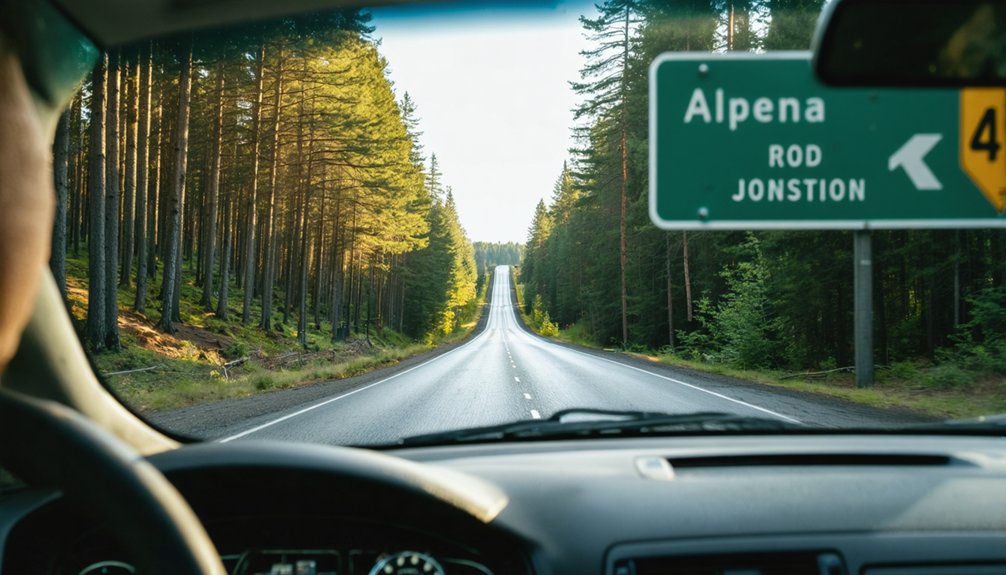
Heading northwest out of Alpena, you’ll wind through forested back roads toward Sunken Lake Park, where the quiet community of Leer sits tucked into the Michigan landscape.
The scenic routes leading here carry you through dense Michigan woodlands, offering a genuine sense of escape before you’ve even arrived.
Before departing Alpena, sample some local cuisine to fuel the journey — options there beat anything you’ll find in Leer’s near-empty streets.
The drive itself becomes part of the experience, with minimal traffic and towering trees framing your path.
No GPS guarantee exists for every rural turn, so downloading offline maps beforehand saves frustration.
Once you spot the steeple of Leer Lutheran Church rising above the treeline, you’ve reached your destination — a living relic from Norway’s transplanted past.
Sunken Lake Park: A Natural Stop on the Leer Ghost Town Route
As you make your way northwest from Alpena toward the quiet remnants of Leer, Sunken Lake Park emerges as a natural pause worth taking, offering a scenic contrast to the ghost town‘s weathered history.
The park sits close enough to Leer that you can weave both stops into a single afternoon, letting the stillness of the lake echo the abandoned calm of the Norwegian settlement nearby.
Before you head out, check seasonal access conditions, since rural Michigan parks can restrict entry during wet or winter months, turning what seems like a straightforward detour into an unexpected dead end.
Sunken Lake Park Overview
Tucked just northwest of Alpena, Sunken Lake Park offers a serene natural complement to the historical intrigue of nearby Leer. When you’re planning your ghost town adventure, this park deserves a dedicated stop.
Sunken Lake’s calm waters and scenic trails create the perfect backdrop for reflection after exploring century-old remnants.
Here’s why you’ll want to include it:
- Scenic Trails wind through forested Michigan landscapes, rewarding explorers with peaceful, uncrowded solitude.
- Sunken Lake itself provides stunning waterfront views ideal for photography and quiet contemplation.
- Strategic Location makes it a natural navigational anchor when locating Leer’s remote roads.
Pack comfortable footwear, bring your camera, and check seasonal access before heading out.
The park transforms your ghost town road trip into a richer, more memorable Michigan wilderness experience.
Nearby Leer Ghost Town
Just a few miles from Sunken Lake Park, Leer rises quietly from Michigan’s forested interior—a ghost town born from Norwegian roots and shaped by the faith its settlers carried across the Atlantic.
Founded by immigrants from Lier, Norway, this small community northwest of Alpena still carries its homeland’s name like a quiet inheritance.
You’ll find Leer Legends woven into every weathered corner, particularly around Leer Lutheran Church, built and dedicated in 1899.
That century-old structure isn’t just architecture—it’s a physical record of Community Stories told through sacrifice and conviction.
When you walk these grounds, you’re stepping into a living chapter of Norwegian-American heritage.
Leer doesn’t shout its history; it lets the silence, the trees, and that enduring church do the talking.
Seasonal Access Tips
Sunken Lake Park sits along the natural corridor between Alpena and Leer, making it a logical pause on your ghost town route—but seasonal weather shapes what you’ll actually find when you arrive.
Plan your visit around these travel safety essentials:
- Summer (June–August): Park access peaks, trails stay dry, and the church remains photographable without weather interference.
- Fall (September–October): Foliage transforms the forested drive dramatically, though early frost can make rural roads slick by late October.
- Winter/Spring: Snow and snowmelt frequently render unpaved access routes impassable, risking vehicle damage in truly remote stretches.
Michigan’s north country rewards the prepared traveler. Check road conditions before departing Alpena—Leer doesn’t offer roadside assistance.
Other Michigan Ghost Towns Worth Adding to Your Route
While you’re exploring Leer, why not extend your journey to some of Michigan’s other haunting ghost towns? Each site carries its own historical landmarks and local folklore, making your road trip richer.
Aral, on Lake Michigan’s shore, boomed during the 1880s lumber rush before the forests vanished and silence reclaimed it.
Jennings once thrived with hotels and churches until residents literally relocated their homes to Cadillac.
Pere Cheney tells a darker story — diphtheria outbreaks drove people away, leaving behind little more than a cemetery and whispered legends.
Redruth housed a bustling sawmill that fell quiet once the timber disappeared.
These towns aren’t just stops — they’re windows into Michigan’s raw, restless past. Add them to your route and let the history speak for itself.
Are Pere Cheney, Aral, and Jennings Worth the Detour?
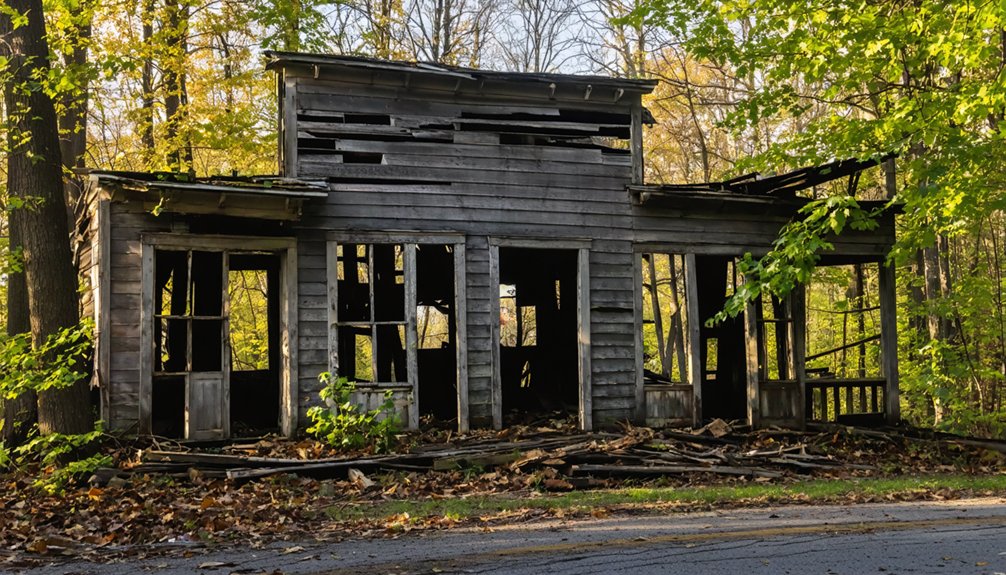
Each of these ghost towns earns its detour. Ghost town comparisons reveal distinct stories worth chasing.
- Pere Cheney’s history hits hardest — diphtheria outbreaks repeatedly decimated this community, leaving behind haunting cemetery markers and silence where families once thrived.
- Aral’s significance connects to Lake Michigan’s shoreline, where lumber wealth boomed fiercely through the 1880s before vanishing completely once the forests surrendered.
- Jennings’ legacy shows resourcefulness — residents literally relocated their homes to Cadillac rather than abandon everything, proving frontier determination outlasted the lumber era.
Each site delivers something different: tragedy, economic ambition, and stubborn resilience.
You’ll drive through forested Michigan landscapes connecting these dots, building a richer understanding of how entire communities rose and collapsed within a single generation.
Don’t skip them.
What To Pack for a Michigan Ghost Town Road Trip
Packing smart separates a rewarding ghost town experience from a frustrating one. Michigan’s rural backroads demand preparation, so treat these road trip tips seriously before you leave home.
Bring sturdy hiking boots, layered clothing, and rain gear — weather shifts quickly through forested northern Michigan landscapes. Your packing essentials should include a detailed paper map, since cell service disappears without warning near sites like Leer and Pere Cheney.
Carry ample water, snacks, and a basic first aid kit because convenient stores don’t exist in these forgotten corners. A quality camera captures Leer Lutheran Church’s century-old beauty and the haunting stillness these ghost towns preserve.
Pack bug spray for warmer months, and always tell someone your planned route before you go.
Best Time of Year To Visit Leer and Michigan Ghost Towns
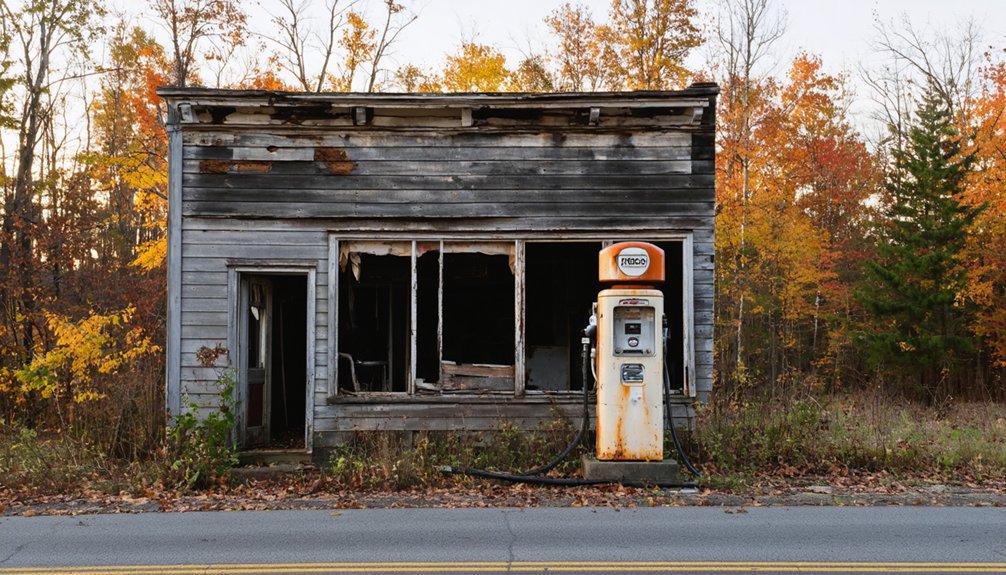
Timing your visit to Leer and Michigan’s ghost towns shapes everything about the experience. Each season offers something distinct, but choosing the best travel season matters for comfort and access.
Timing your visit to Michigan’s ghost towns shapes everything—choose your season wisely for the best experience.
- Summer (June–August): Roads are clear, Sunken Lake Park is accessible, and long daylight hours let you explore freely.
- Fall (September–October): Michigan’s forested landscapes ignite with color, making scenic drives through ghost town territory genuinely breathtaking.
- Spring (April–May): Crowds are minimal, and the quiet feels historically authentic—perfect for photography at Leer Lutheran Church.
Avoid winter unless you’re prepared for closed rural roads and harsh conditions.
Check local events around Alpena that might enhance your itinerary. You’ll want flexibility built into your plans.
Frequently Asked Questions
Are There Any Guided Tours Available for Leer, Michigan Ghost Town Visits?
Guided tours aren’t formally offered, but imagine joining a local history enthusiast who uncovers Leer’s Norwegian roots firsthand. You’ll find guided explorations through self-directed adventures, connecting deeply with local history on your own terms.
Is There Cell Phone Service or GPS Coverage Near Leer, Michigan?
You’ll find cell service spotty and GPS reliability uncertain near Leer’s forested, forgotten roads. Download offline maps before venturing into this quiet Norwegian settlement, where towering Michigan pines once swallowed loggers’ voices — and still swallow signals today.
Can Visitors Enter Leer Lutheran Church or Only View It Externally?
You’ll want to verify access beforehand, as entry policies vary. Whether you’re stepping inside or admiring its exterior, the church’s architectural significance and rich church history evoke the Norwegian settlers’ enduring spirit and pioneering freedom.
Are There Any Nearby Campgrounds for Overnight Ghost Town Road Trippers?
You’ll find camping amenities at nearby Sunken Lake Park, where you can immerse yourself in Michigan’s storied wilderness. Embrace local wildlife and the echoing history of lumber-era ghost towns beneath star-filled, gloriously free skies.
Is Leer, Michigan Privately Owned or Accessible as Public Property?
Leer’s public spaces, including the historic 1899 Lutheran Church, are accessible to you. This evocative piece of Ghost Towns and Leer History invites free-spirited explorers to walk where Norwegian immigrants once built their cherished community.
References
- https://lostinmichigan.net/the-little-town-of-leer/
- https://www.nps.gov/slbe/learn/historyculture/ghosttowns.htm
- https://www.nailhed.com/2017/10/the-ghost-town-that-moved.html
- https://privatelandswildlife.com/ghost-towns-michigan/
- https://99wfmk.com/arnheim-forest-lake-redruth-michigan/
- https://www.youtube.com/watch?v=zFa8wx2yUpk