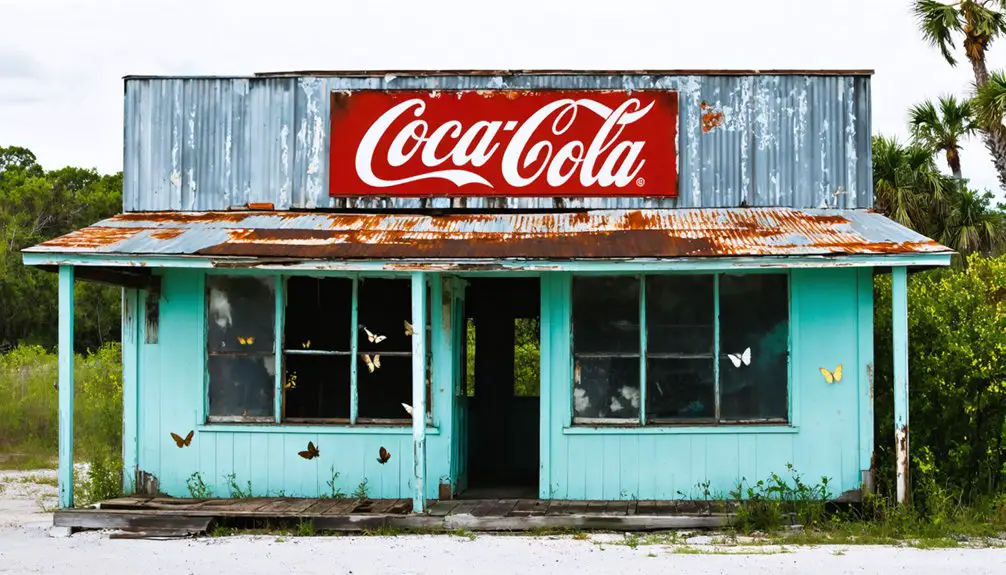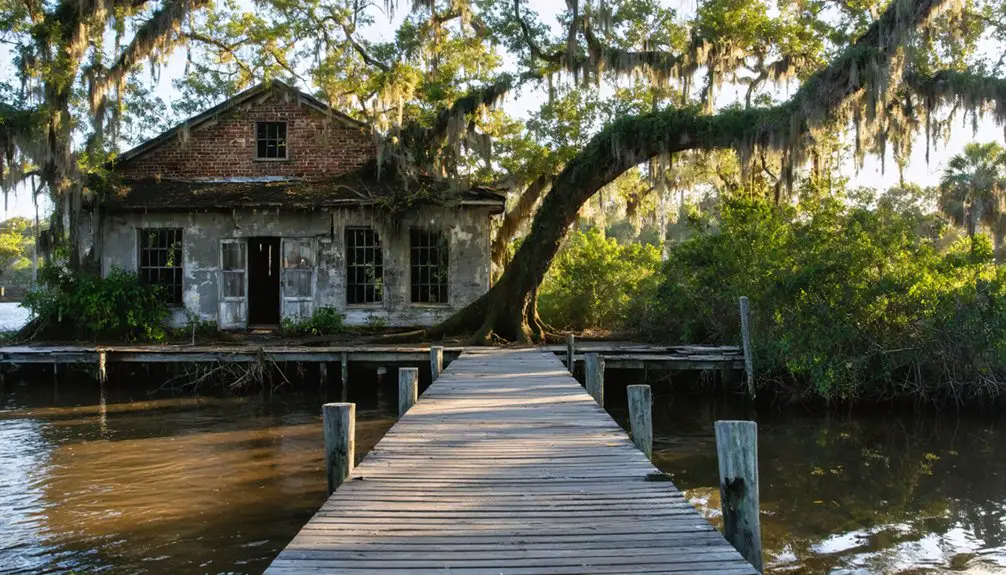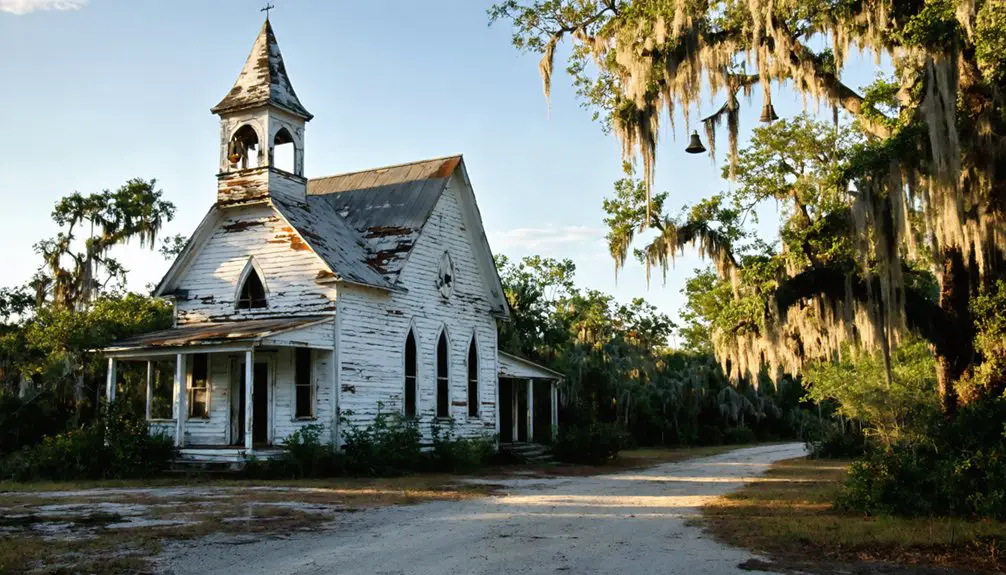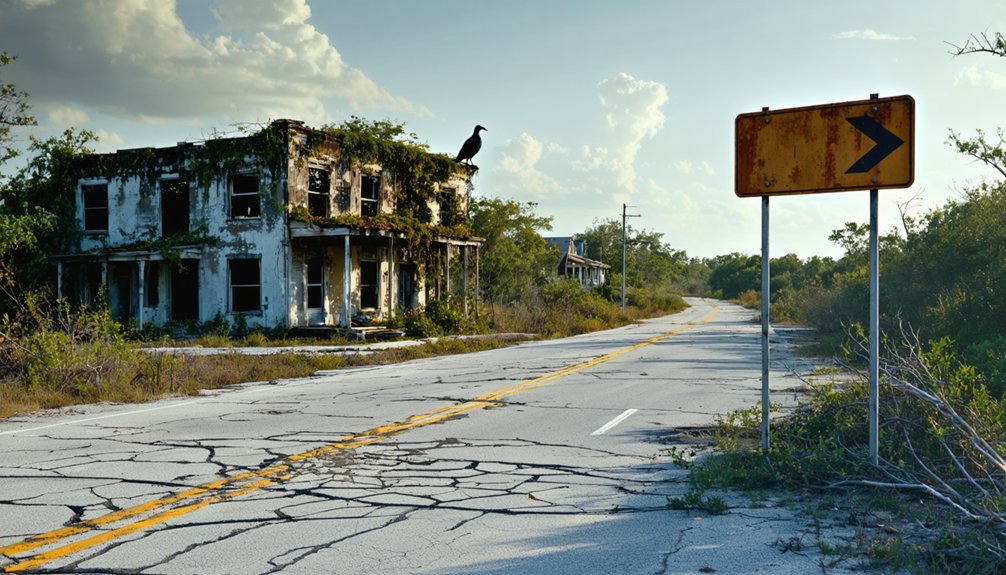
Planning a ghost town road trip to Mars, Florida means embracing back roads, overgrown corridors, and stories swallowed by time. Start by mapping Mars alongside nearby ghost towns like Ellaville, Brewster, and Coleman for a fuller journey. Travel between November and April when roads are drier and more accessible. Pack offline maps, insect repellent, and sturdy boots — amenities are scarce out here. Florida’s forgotten landscape rewards the curious, and there’s far more to uncover than you’d expect.
Key Takeaways
- Mars, Florida is a ghost town best explored by pairing it with nearby abandoned communities like Ellaville, Brewster, Coleman, Alto, and Juno.
- Visit between November and April for cooler temperatures, lower humidity, and firmer back roads ideal for rural exploration.
- Use historical resources like the David Rumsey Map Collection, Florida Memory Project, and Google Earth to locate former townsites.
- Bring offline maps, insect repellent, sturdy footwear, and a backup printed route due to limited signage and cell service.
- Florida has over 200 ghost towns, many reclaimed by vegetation, requiring dedicated research and exploration to uncover their stories.
Why Mars, Florida Belongs on a Ghost Town Road Trip
Although Mars, Florida sounds like it belongs in a science fiction novel, it’s actually one of the state’s many forgotten communities — a ghost town hiding in plain sight. Florida holds more than 200 ghost towns, and Mars fits perfectly into that vanished landscape.
You won’t find polished visitor centers or crowded parking lots here. Instead, you’ll navigate back roads, stumble onto scenic overlooks framing raw Florida wilderness, and catch unexpected wildlife encounters along quiet rural corridors.
That freedom to explore without a scripted experience is exactly what makes Mars worth including on your itinerary. It’s a place that rewards curiosity over convenience.
Pair it with other lost Florida communities, and you’ve got a road trip that actually means something — one built on history, independence, and honest discovery.
Florida’s 200-Plus Ghost Towns and What Erased Them
Florida didn’t lose more than 200 towns by accident. Railroads built them fast, and rerouted lines erased them just as quickly. When a rail corridor shifted, commerce followed, and whole communities simply emptied out. What remained behind were ghost town architecture in various states of collapse — weathered storefronts, forgotten foundations, and abandoned structures slowly swallowed by palmetto scrub.
Some towns died when mines closed. Others vanished when citrus freezes wiped out the economic reason to stay. A few freedmen’s communities faded after decades of systemic neglect. Agricultural settlements dried up as markets shifted.
You’ll find their traces in old cemeteries, overgrown road beds, and faded names on county maps. Each erased town tells you something raw and real about who built Florida and what they lost.
How Mars Fits Into Florida’s Bigger Ghost Town Story
Mars doesn’t stand alone in Florida’s ghost town story — it’s one thread in a much larger pattern of communities that rose quickly and quietly disappeared. You’ll find that Mars fits alongside railroad towns, freedmen settlements, and company towns that all followed a similar arc: rapid growth, economic shift, urban decay, and erasure.
Sites like Brewster, Coleman, and Ellaville each tell a version of that same story. What makes Mars worth including in your itinerary is exactly what it shares with them — the absence itself becomes the point.
Historical preservation here isn’t about polished museums; it’s about reading landscapes, tracing old road lines, and piecing together what once stood. Mars gives you that raw, unfiltered version of Florida history that most tourists never think to find.
How Railroads Created: and Killed: These Florida Towns
When you trace Florida’s ghost towns on a map, you’ll notice a striking pattern: railroads didn’t just connect these communities, they *created* them.
Towns like Mars sprang up almost overnight once rail lines pushed into Florida’s interior, drawing settlers, workers, and commerce into places that had nothing before the tracks arrived.
But when rail companies rerouted lines, shut down spurs, or abandoned corridors entirely, those same towns collapsed just as fast, leaving behind little more than cemeteries, road traces, and faded names on old maps.
Rails Sparked Town Growth
Railroad tracks didn’t just connect Florida’s towns — they created them. When rails pushed into untamed Florida wilderness, entire communities sprang up almost overnight. You’re tracing the roots of cultural preservation every time you visit one of these vanished stops.
Rails sparked growth by delivering:
- Workers who needed housing, stores, and schools
- Crops like citrus and pineapple that needed fast transport to markets
- Investors chasing land deals along newly opened corridors
- Local legends born from boomtown rivalries, colorful characters, and overnight fortunes
Each stop became its own small world. Settlements developed identities, dialects, and stories. You can still feel that energy at surviving cemeteries and crumbling foundations — ghost towns that once roared with ambition before the rails moved on.
Rerouting Doomed Communities
What the rails built, they could just as easily erase. When railroad companies rerouted lines for profit or efficiency, entire towns vanished almost overnight. Businesses closed, residents packed up, and streets returned to scrub and soil.
You’re not just visiting a quiet field when you stop at these sites — you’re standing where communities once thrived and then collapsed under decisions made in distant boardrooms.
That erasure left something behind, though. Local legends and urban legends filled the silence. Stories of haunted depots, buried fortunes, and forgotten cemeteries now shadow these roadsides.
Mars fits squarely into this pattern. The town didn’t simply fade — it got cut off. Explore it as part of your broader route, and you’ll feel exactly how ruthlessly a rerouted rail line could doom a Florida community.
Ghost Towns Rails Left
Florida’s railroad barons didn’t just build tracks — they built entire worlds. Then they abandoned them. When rail lines shifted, towns vanished almost overnight, leaving behind urban legends and scattered ruins.
Railroads shaped Florida communities through a brutal cycle:
- A rail stop appears, drawing settlers, merchants, and workers
- The town thrives entirely around that single economic lifeline
- Routes change, bypassing the settlement completely
- Residents scatter, buildings decay, and memory replaces the map
Today, preservation efforts occasionally rescue a cemetery or marker, but most sites surrender quietly to Florida’s relentless vegetation. You’ll find yourself charting by old maps and instinct, chasing courthouse records instead of welcome signs. That’s the raw appeal — freedom from curated history, replaced by something genuinely unfiltered and yours to interpret.
The Best Ghost Towns Near Mars to Add to Your Route
Since Mars works best as one stop on a larger back-road itinerary, pairing it with nearby ghost towns turns a single curiosity into a genuinely rich historical journey. Ellaville draws visitors through local folklore and ghost hunters alike, offering an eerie, abandoned atmosphere that rewards exploration.
Brewster, a phosphate company town that operated from 1910 to 1962, reflects industrial Florida’s boom-and-bust cycles.
Coleman carries deeper human weight as a post-Civil War freedmen’s settlement.
Alto survives almost entirely through its cemetery, where preservation efforts keep memory alive when structures cannot.
Juno, now absorbed into modern Juno Beach, leaves only historical traces behind.
Each stop layers meaning onto your route, transforming scattered remnants into a cohesive portrait of Florida’s vanished communities.
Cemeteries, Markers, and Ruins: What Survives at Each Site
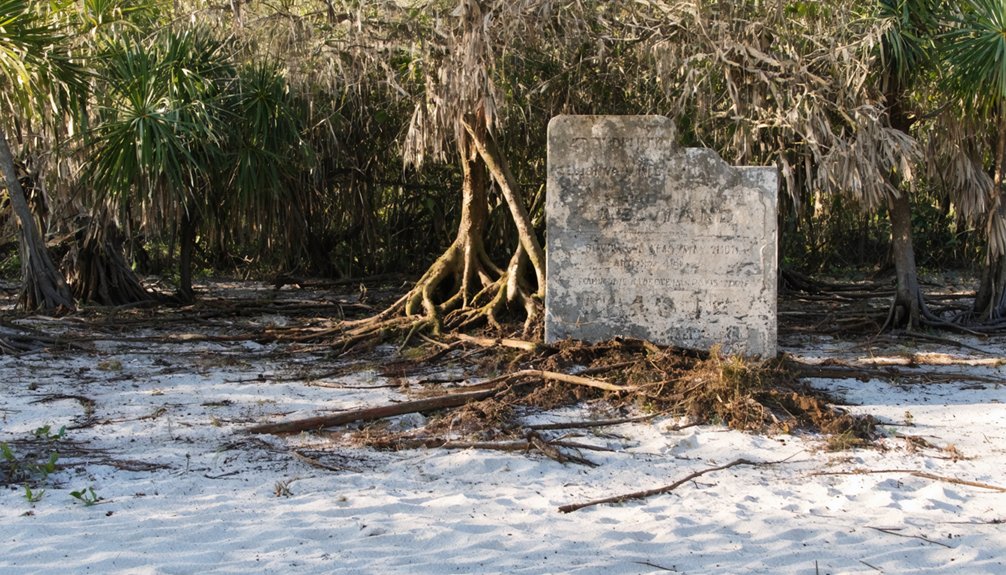
At most of these ghost-town sites, you won’t find a welcome center or a guided tour—you’ll find a weathered headstone, a crumbling foundation, or a hand-lettered historical marker standing at the edge of a field.
What survives tells its own story:
- Alto Cemetery preserves the only visible proof that a community once thrived there.
- Brewster’s industrial ruins echo local legends about phosphate workers and company-town life.
- Ellaville’s remnants of historical architecture draw ghost hunters and history seekers alike.
- Juno’s absorbed streetscape survives only in neighborhood names and archival maps.
Bring a printed map, research access permissions beforehand, and treat each remnant with respect.
These fragments aren’t dramatic—they’re honest, and that’s exactly what makes them worth finding.
How to Find Ghost Town Sites Using Maps and Archives
Once you’ve identified your target sites, tracking down their exact locations takes a mix of old maps, digital tools, and archival digging. Start with the David Rumsey Map Collection or the Florida Memory Project, both of which host historical preservation records and county plat maps showing towns that no longer exist.
Cross-reference those findings with digital mapping tools like Google Earth’s historical imagery layer, which can reveal old road traces and foundation outlines invisible from the ground. County property records occasionally name former townsites directly.
Library archives and local historical societies often hold photographs, newspaper clippings, and firsthand accounts that pin down exact locations. Don’t overlook railroad corridor maps either — they’re frequently your clearest guide to where forgotten Florida communities once stood and why they disappeared.
Best Time of Year to Drive Florida’s Ghost Town Back Roads
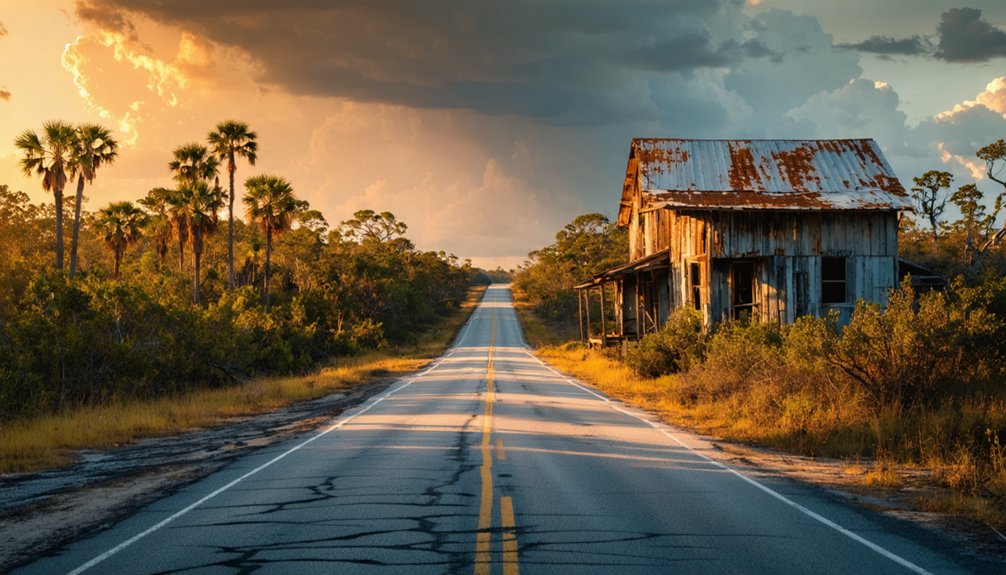
You’ll find Florida’s ghost town back roads most manageable between November and April, when cooler temperatures and lower humidity make long driving days far more bearable.
Summer brings brutal heat, afternoon thunderstorms, and unpredictable road flooding that can cut off access to remote or low-lying sites entirely.
Plan your route around the dry season, and you’ll spend less time battling weather and more time actually reaching the scattered cemeteries, overgrown lots, and roadside markers that mark places like Mars on the map.
Ideal Driving Seasons
Florida’s ghost town back roads are best explored between November and April, when cooler temperatures, lower humidity, and reduced rainfall make long drives through rural interior counties far more comfortable.
You’ll navigate abandoned structures more safely and chase haunted legends without summer’s brutal heat slowing you down.
Plan your route around these four seasonal advantages:
- Mild temperatures keep long driving days manageable across remote back roads
- Lower humidity makes walking overgrown cemetery sites and unmarked ruins far less exhausting
- Reduced mosquito activity lets you linger at sites without constant interference
- Clearer skies improve visibility for photography at deteriorating structures and forgotten landmarks
Avoid summer months when afternoon thunderstorms flood rural roads and make isolated ghost-town access genuinely unpredictable.
Weather And Road Conditions
Knowing the best season to visit is only half the equation — the actual road and weather conditions you’ll face on Florida’s rural back roads deserve equal attention.
Summer brings intense heat, afternoon thunderstorms, and flooded dirt paths that can strand your vehicle miles from help. Local weather shifts fast inland, turning passable tracks into muddy dead ends within minutes.
Winter and spring offer drier, cooler conditions, firmer unpaved surfaces, and safer driving overall.
Road maintenance on rural routes varies widely — some back roads near ghost-town sites see infrequent grading, leaving washboard surfaces and washed-out shoulders year-round.
Always check county road conditions before departing, carry a physical map, and fuel up in the last town you pass.
Freedom means being prepared for what lies ahead.
What to Bring on a Florida Ghost Town Road Trip
Since many Florida ghost towns offer little more than a cemetery gate, a weathered marker, or an overgrown lot, packing smart matters more than it might for a traditional sightseeing trip. You’re exploring rural back roads, variable terrain, and sites where local legends replace official signage.
Most Florida ghost towns offer little more than a gate, a marker, or an overgrown lot.
Bring these four essentials:
- Offline maps and GPS — cell service disappears fast in inland Florida
- Insect repellent and sun protection — exposed sites offer zero shade
- A notebook or voice recorder — urban legends surface unexpectedly from locals you’ll meet
- Sturdy footwear — overgrown lots and soft ground demand more than sandals
Keep a printed backup of your route.
Freedom on the road means self-sufficiency, and ghost-town travel rewards those who prepare before leaving the pavement behind.
Frequently Asked Questions
Are Any Florida Ghost Towns Accessible by Public Transportation?
Most Florida ghost towns aren’t accessible by public transportation — you’ll need your own wheels to reach these sites of historical preservation and abandoned structures. Embrace the freedom of a back-road drive to truly uncover Florida’s vanished past.
Can Children Safely Participate in Florida Ghost Town Road Trips?
Yes, children can join you! Prioritize family safety by checking terrain and access rules first. You’ll discover Florida’s rich historical preservation through cemeteries and remnants, turning each stop into an unforgettable, freedom-filled educational adventure your kids will treasure.
Are Guided Ghost Town Tours Available Anywhere in Central Florida?
Guided tours aren’t widely available, but you’ll find historical preservation efforts and ghost town tourist attractions scattered across Central Florida. You can explore independently, uncover forgotten stories, and chart your own path through Florida’s hauntingly beautiful, vanished communities.
Do Any Florida Ghost Towns Allow Overnight Camping On-Site?
Few Florida ghost towns officially allow camping, but you’ll find nearby state parks bordering sites with abandoned structures steeped in haunted legends. Always verify land ownership first — you’re free to explore responsibly, not trespass recklessly.
Is Photography Legally Permitted at All Florida Ghost Town Locations?
Photography isn’t universally permitted at every Florida ghost town. You’ll need to check historical preservation rules and secure photography permits for private or protected sites before you capture those evocative, time-worn remnants of vanished communities.
References
- https://www.instagram.com/reel/DQIG3WnjyQu/
- https://floridatrailblazer.com/tag/ghost-towns/
- https://www.journaloffloridastudies.org/0102ghosttowns.html
- https://freepages.history.rootsweb.com/~gtusa/usa/fl.htm
- https://en.wikipedia.org/wiki/List_of_ghost_towns_in_Florida
- https://fdc.com/blog/ghost-towns-in-florida/
- https://www.florida-backroads-travel.com/florida-ghost-towns.html
- https://www.youtube.com/watch?v=s_lFGoAuiBE
- https://www.youtube.com/watch?v=n3SBt_pPSd8