Planning a ghost town road trip to Matlin, Utah means heading into Utah’s remote northwest desert to find what’s left of a railroad town that peaked at just 25 people in 1876 and went quiet by 1904. You’ll find rail grade remnants, scattered foundations, and raw desert silence where trains once paused. Visit in spring or fall, bring a high-clearance vehicle, and fuel up in Corinne before you go. There’s more to uncover before you hit the road.
Key Takeaways
- Matlin, abandoned in 1904, offers visible railroad siding remnants, worker housing foundations, and desert rail grades connecting visitors to authentic 19th-century history.
- Visit during April through early June or September through October for mild temperatures, avoiding dangerous summer heat exceeding 100°F.
- The drive from Salt Lake City takes 2-3 hours via I-15 north, I-80 west, and UT-83 north, covering 120 miles.
- A high-clearance vehicle is essential for gravel roads, and offline maps are recommended due to poor cell service near Matlin.
- Pack water, food, a first aid kit, and emergency supplies for at least one extra day, as no services exist nearby.
What Was Matlin, Utah: and Why Visit Now?
Although Matlin, Utah never grew beyond a small cluster of railroad workers and desert-hardened settlers, it played a quiet but real role in the story of America’s westward expansion.
Matlin History shows a population that peaked at just 25 people by 1876, serving the railroad industry before the town was abandoned in 1904 following the Lucin Cutoff’s completion.
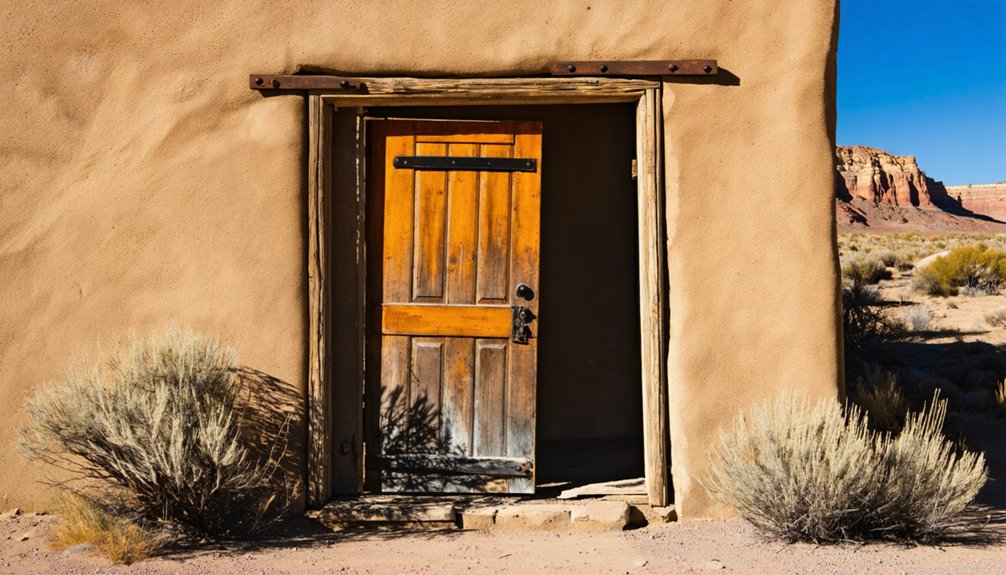
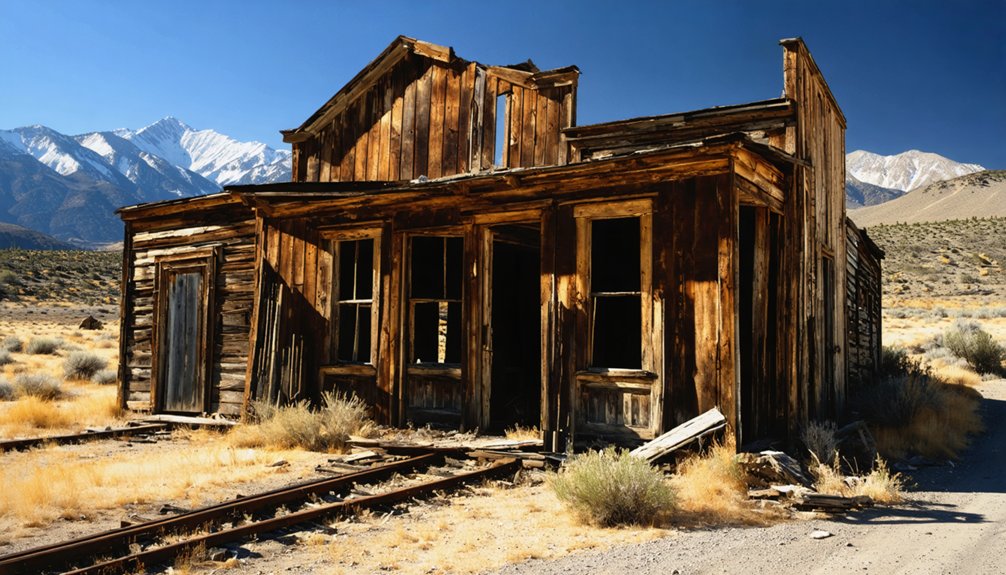
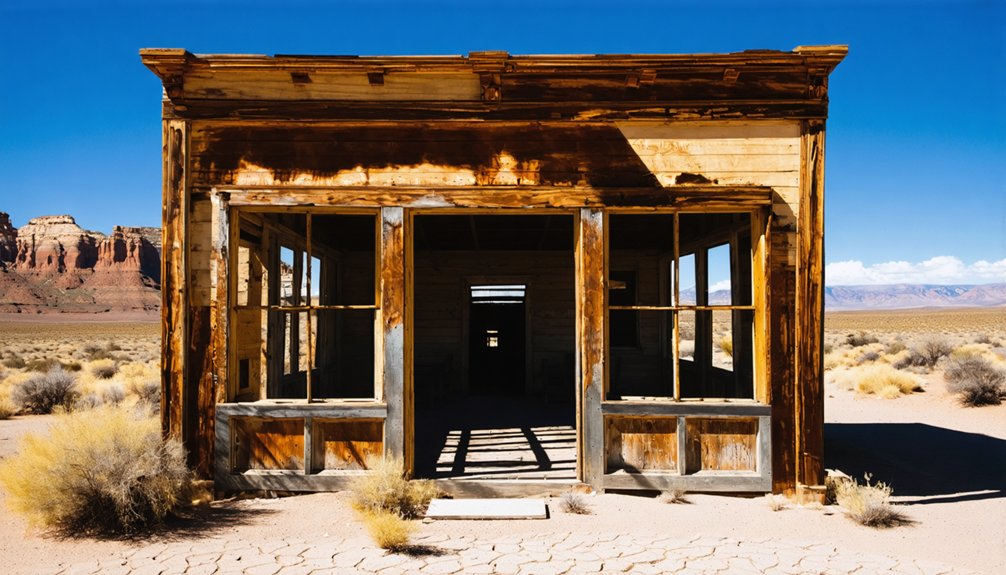
What You’ll See at Matlin: Railroad Ruins, Foundations, and Desert Relics
When you arrive at Matlin, you’ll find abandoned railroad siding structures that stand as quiet evidence of the town’s 19th-century purpose.
You can trace the visible desert rail grade stretching across the landscape, giving you a tangible sense of the Transcontinental Railroad history that once made this remote site matter.
Scattered worker housing foundations break through the desert floor, letting you piece together where a community of 25 people once lived and labored before the Lucin Cutoff made Matlin obsolete in 1904.
Railroad Siding Remnants
Scattered across the sun-baked flats of Box Elder County, Matlin’s railroad siding remnants stand as quiet memorials to a 19th-century workforce that kept the Transcontinental Railroad running.
You’ll spot weathered structural traces where trains once paused, loaded, and departed across the Great Salt Lake Desert. The original rail grade remains surprisingly visible, cutting through open terrain and rewarding anyone drawn to authentic railroad history.
As you walk the site, you’re reading a physical timeline of American expansion — one written in iron, timber, and hardpan earth.
Desert exploration here feels genuinely unfiltered; there are no guardrails or interpretive signs softening the experience. What remains is raw, honest, and yours to discover on your own terms.
Bring your curiosity and a good pair of boots.
Worker Housing Foundations
Beyond the rail grade, you’ll find Matlin’s worker housing foundations pressed low into the desert floor — rectangular outlines of stone and compacted earth that once anchored the modest shelters of railroad laborers.
These traces speak to a worker community that lived and labored here during the railroad’s active years, when Matlin supported up to 25 residents by 1876.
The foundations aren’t dramatic, but their historical significance is real. They reveal how ordinary people built temporary lives in an unforgiving landscape, far from established towns.
Walk the outlines and you’ll grasp the scale of daily existence here — tight quarters, harsh conditions, minimal comfort.
The desert has reclaimed most of it, but what remains gives you direct contact with Matlin’s human story, not just its industrial one.
Visible Desert Rail Grade
One of Matlin’s most readable surviving features is the visible desert rail grade — a long, subtle earthen ridge that traces the original track alignment across the flats.
You can follow it visually across the landscape, using it as a natural guide for desert navigation through otherwise featureless terrain.
That raised berm once supported the Lucin Cutoff corridor, and its historical significance becomes clear when you consider how this line reshaped transcontinental rail travel in the early 1900s.
Walking alongside it, you’ll notice how the grade remains remarkably intact despite over a century of wind and weather.
It’s one of those rare features that connects you directly to the past without a single interpretive sign needed.
Let the land speak for itself.
The Best Time of Year to Visit Matlin
If you’re planning a trip to Matlin, you’ll want to time your visit carefully—spring and fall are the sweet spots, offering mild temperatures that make exploring the open desert far more bearable.
Summer heat in Utah’s Box Elder County can be brutal and potentially dangerous, especially when you’re hiking exposed railroad grades with little shade.
Stick to April through early June or September through October, and you’ll get the most out of your visit without battling the elements.
Ideal Visiting Seasons
Timing your visit to Matlin can make the difference between a rewarding desert adventure and a miserable slog through extreme conditions.
Spring and fall deliver the most manageable temperatures, transforming the harsh desert into an explorer’s paradise. April through May offers mild mornings perfect for photographing abandoned foundations and rail grade remnants at the best photography spots, when golden light hits the salt flats dramatically.
September through October brings similar conditions with added color contrast. Summer temperatures regularly exceed 100°F, making exploration genuinely dangerous. Winter can freeze access roads entirely.
Both shoulder seasons also activate local wildlife, including migratory birds and desert mammals moving through the landscape. You’ll move freely, linger longer, and actually absorb the haunting atmosphere Matlin deserves rather than rushing back to your vehicle for survival.
Avoiding Extreme Desert Heat
Desert safety demands respect for the environment you’re entering.
Even during cooler months, hydration tips apply: carry at least one gallon of water per person daily, avoid midday sun exposure, and wear light, breathable layers.
The desert rewards the prepared traveler—you’ll move freely, stay sharp, and absorb Matlin’s haunting history without battling heat exhaustion.
Plan your timing right, and the desert becomes your ally, not your adversary.
How to Drive to Matlin From Salt Lake City
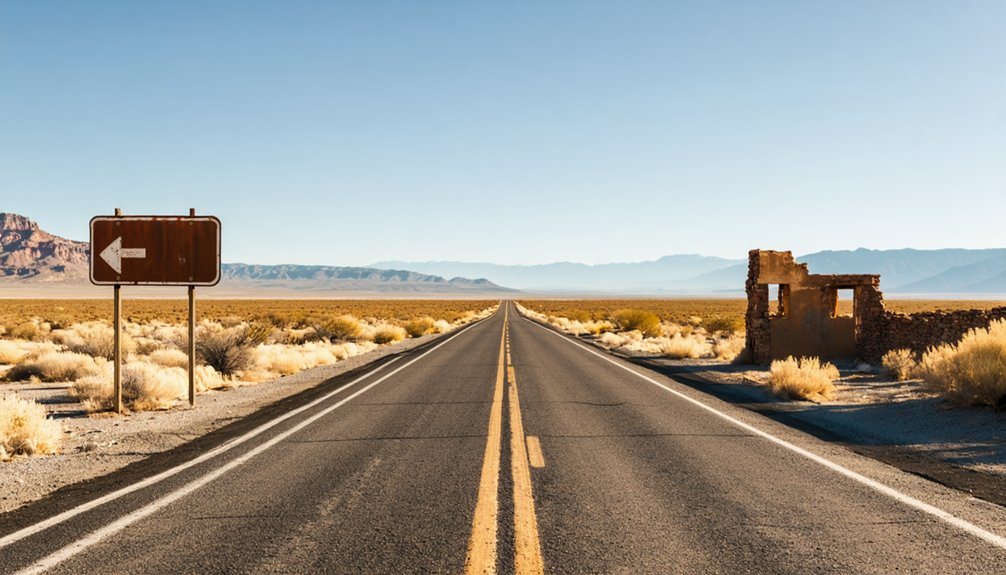
Reaching Matlin from Salt Lake City takes roughly 2-3 hours and covers about 120 miles northwest through some of Utah’s most stark and open desert terrain.
Head north on I-15, then merge onto I-80 westbound past Promontory Point. From there, connect to UT-83 heading north, where gravel roads branch deeper into the desert toward the site.
Head north on I-15, merge onto I-80 west, then follow UT-83 north as pavement gives way to gravel.
These road trip navigation tips matter here: download offline maps before you leave, since cell service disappears fast once you’re past Corinne.
Speaking of Corinne, stop there to fuel up — there’s nothing useful ahead.
You’ll want a high-clearance vehicle for the final stretch, where rutted desert tracks replace paved road.
Stay alert for unmarked turnoffs and shifting terrain that can look identical mile after mile.
What to Pack for Matlin and the Desert Drive Out
Once you’ve sorted out your route, packing smart becomes the next real priority — because Matlin doesn’t forgive poor preparation.
You’re heading deep into Box Elder County’s desert terrain, where services vanish and self-reliance matters.
Your packing essentials should include:
- Water — carry more than you think you’ll need
- Food — enough for unexpected delays
- Spare tire and basic tools — gravel roads punish unprepared rigs
- High-clearance vehicle — non-negotiable for the final approach
- Navigation tools — cell service is unreliable, so download offline maps for desert navigation before leaving Salt Lake City
- Sun protection and layers — desert temperatures swing hard
Fuel up in Corinne or Snowville before heading out.
Spring and fall offer the safest travel windows, keeping extreme heat and flash flood risks manageable.
Which Ghost Towns Near Matlin Are Worth Adding to Your Route?
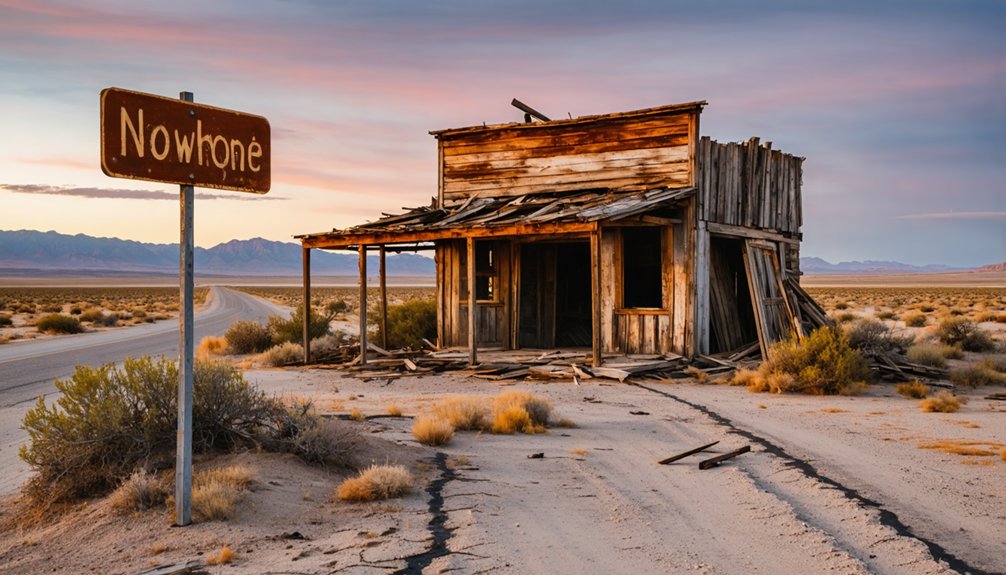
While you’re already making the drive out to Matlin, it’s worth extending your route to hit a few nearby ghost towns that round out the region’s layered history.
Stateline mining operations once drew 300 residents to Stateline Canyon before the boom faded, leaving behind a quiet remnant worth exploring.
Frisco offers kilns, cemetery plots, and scattered building remains that paint a vivid picture of frontier extraction culture.
If you’re heading south, Modena railroad history mirrors Matlin’s own arc — a town built around locomotive needs that faded when diesel replaced steam.
Newhouse adds ore car rail lines and mill relics to the mix.
Together, these stops transform a single-site visit into a full portrait of Utah’s industrial and frontier past.
How Do You Explore Matlin Without Getting Stranded or in Trouble?
Getting to Matlin is straightforward enough, but surviving the trip requires real preparation. The remote desert terrain punishes poor planning fast.
Prioritize vehicle maintenance before departing—check your tires, fluids, and spare. Gravel roads and wash crossings demand a high-clearance vehicle. Spring and fall offer safer temperatures, but flash floods remain real threats in the washes.
Pack these essentials before heading out:
- Water and food for at least one full day beyond your planned trip length
- Emergency supplies including a first aid kit, jumper cables, and a paper map
- Fuel strategy—fill up in Corinne or Snowville since no services exist near Matlin
Follow these safety precautions and you’ll explore freely without gambling your safety on luck.
Frequently Asked Questions
Is Matlin on Private Land, and Do You Need Permission to Visit?
The knowledge doesn’t confirm Matlin’s land ownership status, so you’ll want to research that before visiting. When exploring ghost town history, always practice proper visiting etiquette—respect boundaries, leave artifacts untouched, and tread lightly.
Are There Any Guided Tours Available for Matlin or Nearby Ghost Towns?
Organized guided experiences for Matlin aren’t widely available, but local experts occasionally lead desert wanderings through nearby historical corridors. You’ll find more freedom charting your own course through Utah’s hauntingly beautiful, forgotten landscapes.
Does Cell Service Exist Along the Route to Matlin?
Don’t count on cell coverage along the route to Matlin — signal strength drops considerably once you leave I-80. You’ll want to download offline maps and share your itinerary with someone before heading into this remote desert terrain.
Are Metal Detectors or Artifact Collecting Allowed at Matlin?
Ironically, you’re free to explore Matlin, yet metal detecting regulations and artifact preservation ethics restrict collecting. You shouldn’t remove artifacts — leave history untouched so others can discover Matlin’s remarkable story themselves.
Has Matlin Appeared in Any Films, Books, or Documentaries?
You won’t find Matlin mythology splashed across film screens or bestselling books, but Matlin history quietly captivates ghost town enthusiasts through regional travel blogs, Utah exploration guides, and documentary segments covering Transcontinental Railroad heritage sites.
References
- https://www.youtube.com/watch?v=dCg_xiclHxA
- https://www.standard.net/lifestyle/recreation/2023/oct/05/atv-adventures-burnt-woods-and-ghost-towns-on-the-state-line-trail/
- https://www.visitutah.com/things-to-do/history-culture/ghost-towns
- https://www.familysearch.org/en/wiki/Utah_Ghost_Towns
- https://tripbucket.com/dreams/dream/visit-matlin-utah/
- https://coyotestuff.com/annual-ghost-town-tour/
- https://expeditionutah.com/ghosttowns/