Planning a ghost town road trip to Mineral City, Idaho means trading comfort for adventure. You’ll start in Weiser, head north on US 95, then navigate roughly 45 rugged miles via County Road 70 and Jonathan Road toward Hell’s Canyon. A 4WD vehicle isn’t optional—it’s essential. Spring and fall offer the safest, most rewarding visits. Weathered buildings and silver-mining relics await those bold enough to make the journey, and there’s far more to uncover ahead.
Key Takeaways
- Mineral City sits in Hell’s Canyon, Idaho, offering an authentic glimpse into 1880s silver mining history with weathered buildings and relics.
- Access requires a 4WD vehicle, starting from Weiser, Idaho, via US 95 north, County Road 70, and Jonathan Road.
- Watch for Northern Pacific Rattlesnakes and poison ivy; stay on trails and wear protective clothing throughout your visit.
- Pack water, snacks, sunscreen, a first aid kit, sturdy boots, and a camera for capturing historic remains.
- Visit during spring, early summer, or fall to avoid winter road closures and dangerous peak summer heat.
What Makes Mineral City Worth the Drive?
Although it’s remote and rugged, Mineral City rewards adventurous travelers with a rare glimpse into Idaho’s silver mining past. When John James and James Peck struck silver ore here in 1880, they carved a brief but vivid chapter into Hell’s Canyon‘s history. You’ll find historical insights embedded in every weathered plank and crumbling foundation still standing at the site.
The mining relics scattered across this forgotten valley connect you directly to the ambitions of nineteenth-century prospectors who hauled supplies into one of North America’s deepest canyons.
Unlike overcrowded tourist destinations, Mineral City demands effort — a 4WD vehicle, careful planning, and genuine curiosity. That effort is exactly what makes arriving here feel like a true discovery rather than just another stop on a map.
How to Get to Mineral City From Weiser, Idaho?
Getting to Mineral City starts in Weiser, Idaho, where you’ll head north on US 95 toward the Snake River country. At the north side of the Snake River, turn onto County Road 70 and drive west-northwest for roughly 22.8 miles until you hit Jonathan Road. Turn right and push north another 22.8 miles.
You’re retracing the same rugged corridors those 1880s silver miners once traveled, chasing ore and opportunity.
Near Brownlee Reservoir, watch for the road turning right — Mineral City sits about two miles up that path. You’ll need a 4WD vehicle; this terrain doesn’t forgive shortcuts.
Every mile deeper into Hell’s Canyon brings you closer to mining history, historical artifacts, and a ghost town that refuses to be completely forgotten.
Rattlesnakes and Poison Ivy: Hell’s Canyon Hazards to Know
As you traverse the rugged terrain around Mineral City, you’ll need to stay alert for Northern Pacific Rattlesnakes, which thrive in Hell’s Canyon’s rocky outcroppings and sun-warmed ledges at one of the highest densities found anywhere in the region.
Watch where you step and keep your hands away from rock crevices, as these snakes blend seamlessly into their surroundings.
You’ll also want to recognize the area’s abundant poison ivy, identifiable by its distinctive clusters of three red-orange leaves, which line many of the trails and creek banks you’ll be exploring.
Identifying Rattlesnake Habitats
Hell’s Canyon earned its name for a reason, and the Northern Pacific Rattlesnake is a big part of it. Understanding wildlife behavior keeps you alive out here. These snakes aren’t hunting you — they’re surviving, just like the miners who carved Mineral City out of this brutal landscape in 1880.
You’ll find them where the terrain offers both warmth and cover. Rocky outcroppings, sun-baked ledges, and dense brush are prime zones. Habitat preservation means these populations stay dense and wild, so respect that reality.
Watch every step near fallen logs, boulder fields, and creek banks along Dennett Creek. Stay on established paths when possible, wear sturdy boots, and scan ahead constantly.
Hell’s Canyon rewards the prepared and punishes the careless — move through it accordingly.
Recognizing Poison Ivy Plants
Poison ivy blankets much of Hell’s Canyon’s understory, and those red-orange leaves that catch your eye in fall aren’t just a pretty sight — they’re a warning. Plant identification becomes essential survival knowledge out here, where the same rugged terrain that once drew silver-hungry miners now demands your respect.
Poison ivy follows the classic “leaves of three, let it be” rule — three leaflets, slightly waxy, with edges that can appear smooth or toothed. During wildlife observation hikes toward Mineral City, you’ll encounter these plants along creek beds, shaded slopes, and trail edges. Don’t touch them, even when they’re dormant.
Wear long pants, long sleeves, and closed-toe boots. If you brush against a plant, wash the affected skin immediately with soap and cold water.
What to Pack for the Mineral City Road Trip?
Before you head out to Mineral City, pack smart — the terrain and wildlife demand it. You’re venturing into rattlesnake country through rugged canyon wilderness, so preparation isn’t optional.
Toss these essentials into your pack:
- Water and snacks — remote trails offer no resupply points
- Sunscreen and lip balm — canyon sun hits hard
- First aid kit — distance from help makes this non-negotiable
- Camera — photography tips worth remembering: shoot the remaining buildings during golden hour for dramatic shadows that honor the historical artifacts still standing since the 1880s
- Sturdy boots — protect against rocky terrain and hidden hazards
You’re chasing living history through Hell’s Canyon. Pack light, pack right, and respect the land that swallowed an entire silver-mining era whole.
The Best Times to Visit Mineral City
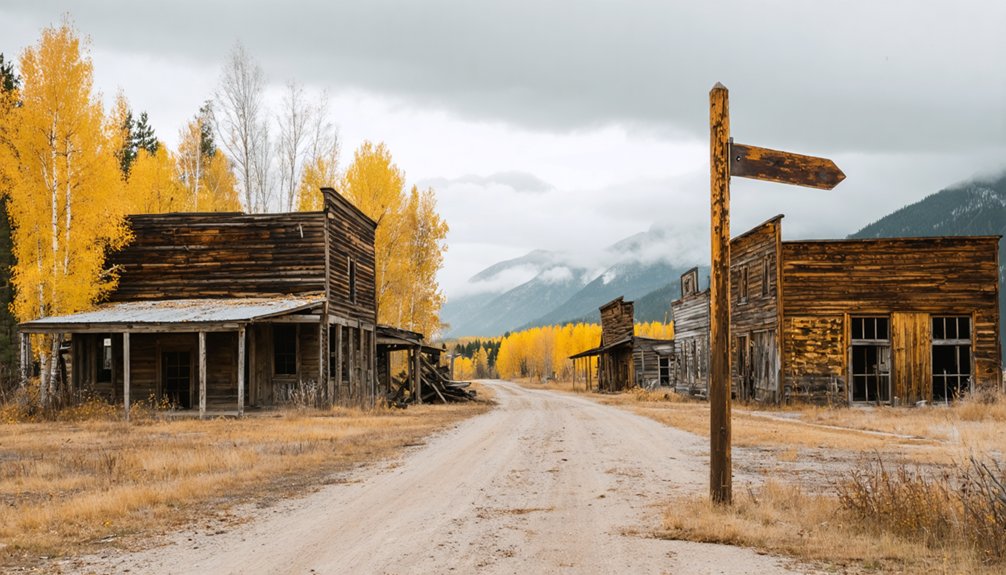
Timing your visit to Mineral City can mean the difference between a rewarding adventure and a miserable slog through snow or scorching canyon heat. Choose your window wisely to fully appreciate its historical significance and breathtaking scenic views.
The best times to visit are:
- Spring – Wildflowers bloom and trails dry out after winter
- Early Summer – Long daylight hours maximize exploration time
- Fall – Cooler temperatures and vivid foliage make the canyon spectacular
Avoid Winter – Snow blocks access roads entirely
Avoid Peak Summer Heat – Hell’s Canyon temperatures become dangerously extreme
You’ll want comfortable conditions for traversing rugged 4WD terrain while absorbing the ghost town’s raw, weathered atmosphere. Plan around these seasonal realities, and Mineral City rewards you generously.
What You’ll Find at Mineral City Today?
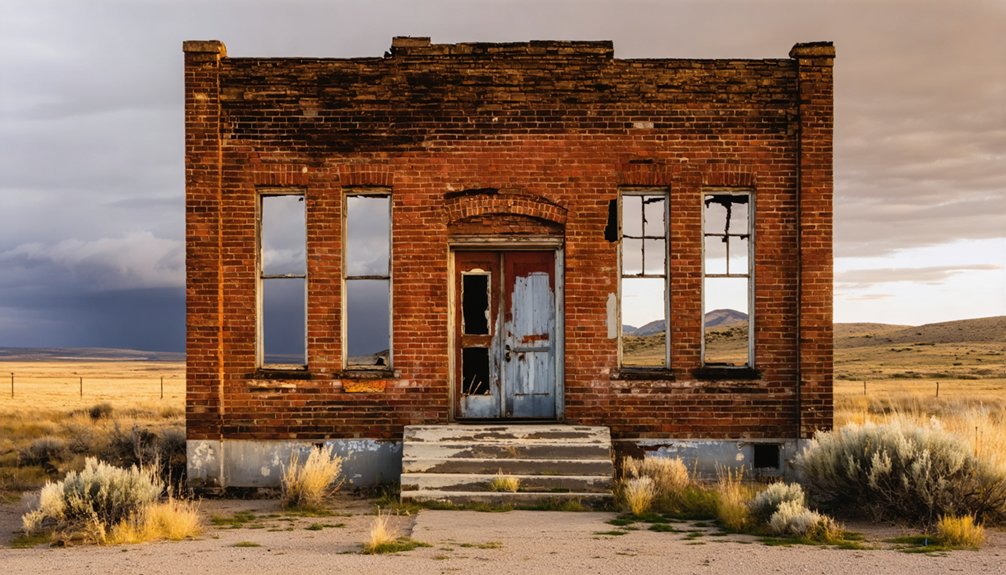
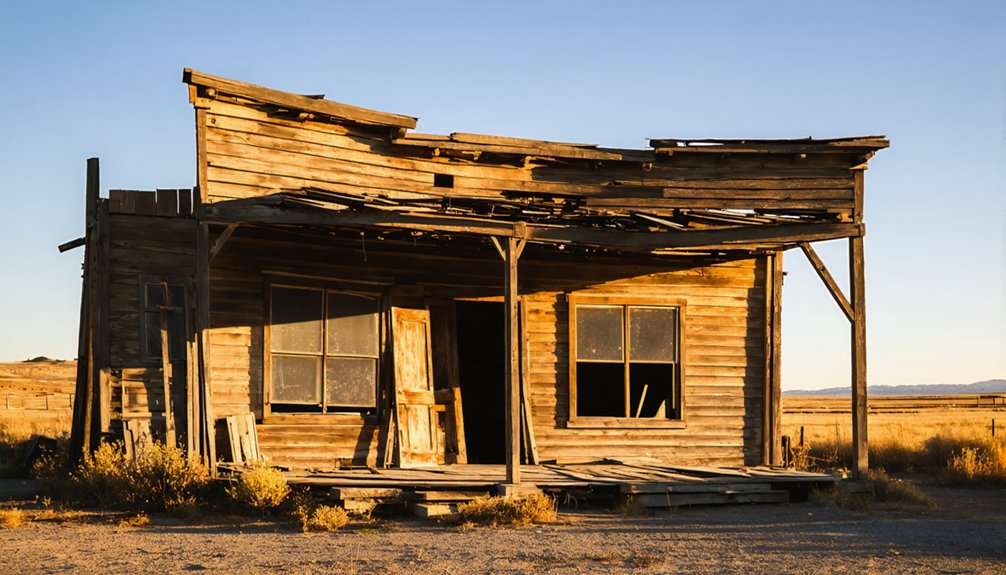
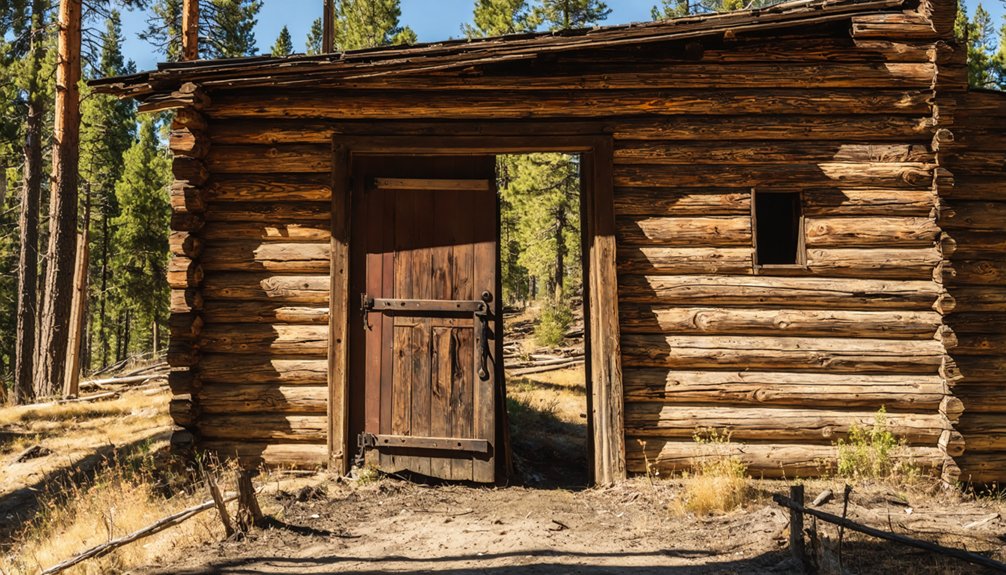
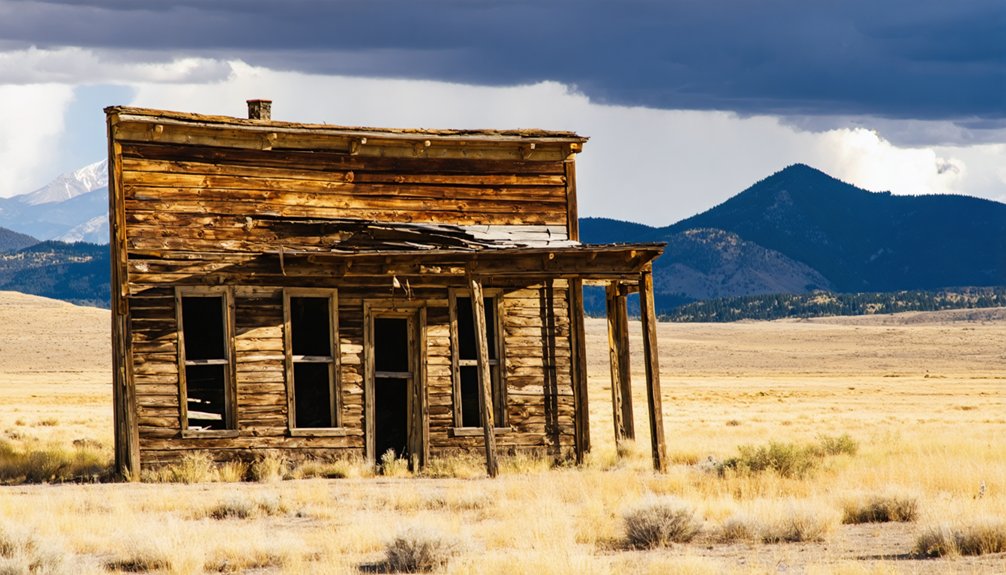
When you finally arrive at Mineral City, don’t expect a preserved frontier showpiece — what remains is raw, sparse, and authentically weathered. A few historic buildings still stand, their weathered timber frames whispering stories of the 1880s silver rush that briefly animated this remote canyon.
John James and James Peck’s dream settlement never boomed, and that quiet failure is exactly what makes it compelling today.
You won’t find interpretive signs or manicured pathways. Instead, you’ll wander through a genuinely forgotten place, scanning for mining artifacts and structural remnants that time hasn’t fully swallowed.
The Idaho Department of Parks and Recreation and U.S. Forest Service oversee the area, but nature largely runs the show here. That’s the honest appeal — Mineral City rewards curious, self-directed explorers willing to read history through ruins.
Frequently Asked Questions
Who Manages and Oversees the Mineral City Ghost Town Site Today?
You’ll find that the Idaho Department of Parks and Recreation and the U.S. Forest Service actively oversee Mineral City’s historical preservation and tourism development, ensuring you can freely explore this adventurous, historically-grounded ghost town frontier.
What Other Ghost Towns Are Near Mineral City in Southwest Idaho?
You’ll find Silver City, another remarkable southwest Idaho ghost town, waiting for your exploration. It’s rich in historical preservation and tourism development, making it a must-visit adventurous companion destination when you’re roaming Mineral City’s untamed, freedom-filled frontier.
When Did Silver Mining First Begin at Mineral City’s Remote Location?
Picture rugged miners striking earth — silver mining first began in 1880 when John James and James Peck discovered silver-bearing ore. Their historical mining techniques sparked a settlement whose ghost town preservation efforts you can still explore today.
Which Two Miners Originally Discovered Silver Ore at Mineral City?
John James and James Peck are the two pioneering souls you’d want to honor — their mining techniques and historical significance forever echo through Mineral City’s rugged canyon walls after they discovered silver ore in 1880.
Can the Mineral City Road Eventually Connect to Cambridge, Idaho?
Yes, you’ll leave rugged isolation behind as road connectivity opens up — the trail crosses the ridge top and connects near Cambridge, Idaho, linking historical preservation with open freedom on your adventurous ghost town journey.
References
- https://www.owyheejack.com/owyhee-jacks-meanderings/central-idaho/mineral-city-ghost-town
- https://www.advrider.com/f/threads/mineral-city-an-idaho-ghost-town.749054/
- https://www.ghosttowns.com/states/id/mineralcity.html
- https://www.ghosttowns.com/states/id/idalpha.html
- https://en.wikipedia.org/wiki/List_of_ghost_towns_in_Idaho
- https://www.idgenweb.org/archives/history-ghost+towns.html
- https://www.ghosttowngallery.com/test/htme/idaho_ghost_towns.htm
- https://history.idaho.gov/wp-content/uploads/2018/08/0064.pdf
- https://miningconnection.com/surface/featured_stories/article/idahos_mining_ghost_town_is_destination_for_hardy_adventurers
- https://www.britannica.com/place/Silver-City-ghost-Idaho