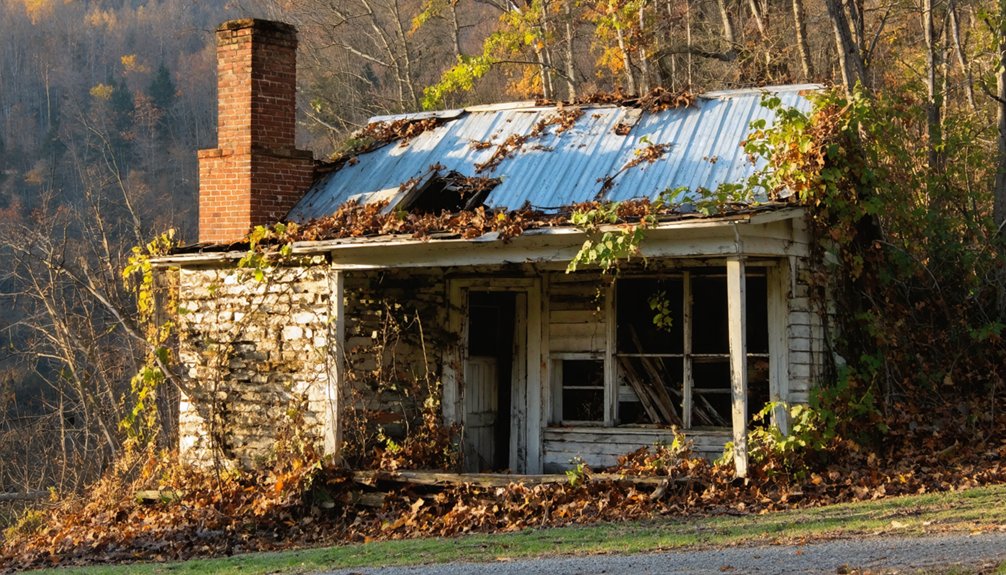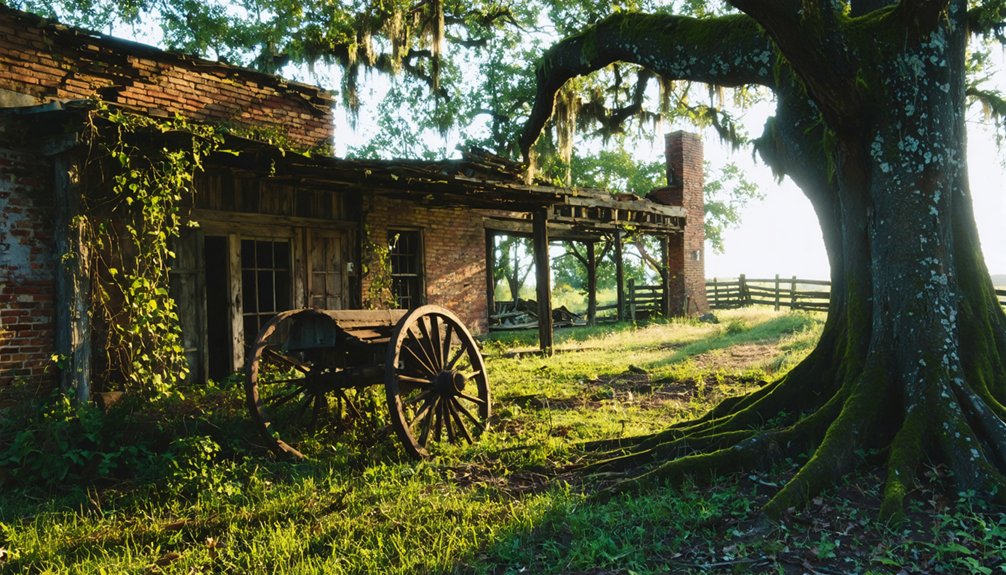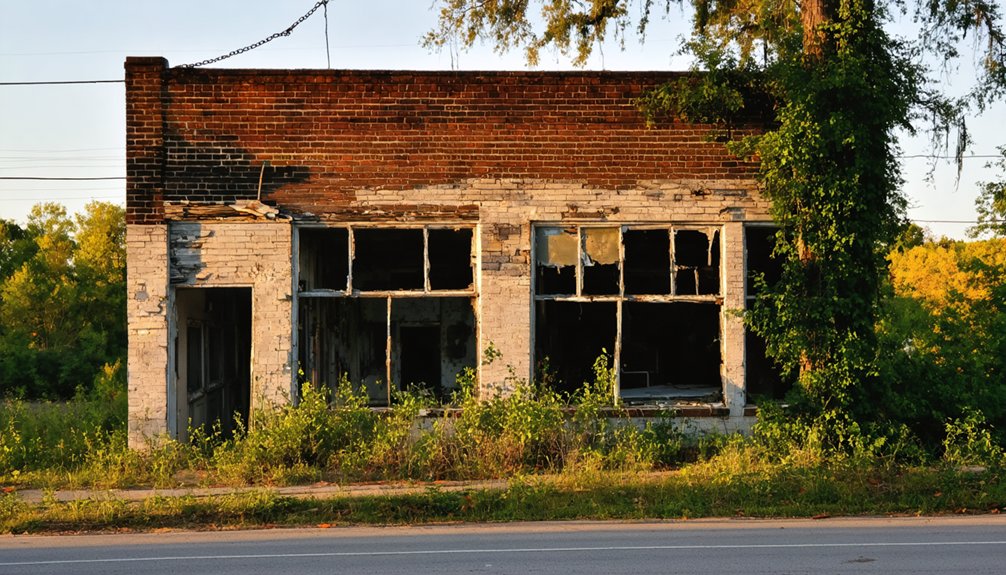
Planning a ghost town road trip to Moscow, Arkansas means heading deep into Nevada County’s pine forests to find what’s left of an 1810 pioneer settlement. Economic decline hit hard after the Cairo and Fulton Railroad bypassed the town in 1873, leaving only a weathered Methodist church and a cemetery with headstones stretching back to the early 1800s. Spring and fall offer the best conditions for exploring. Stick around to uncover everything you’ll need for the journey.
Key Takeaways
- Moscow, Arkansas, established in 1810, declined after the Cairo and Fulton Railroad bypassed it in 1873, making it a fascinating ghost town destination.
- Key attractions include the Moscow Methodist Church and a cemetery with headstones dating to the early 1800s, connecting visitors to pioneer history.
- From Little Rock, take I-30 south, then Highway 67 near Prescott, and follow county roads off AR-195 to reach the site.
- Visit in spring or fall for mild temperatures and optimal road conditions, avoiding summer humidity and winter rains that can make roads impassable.
- Wear sturdy boots, bring water and insect repellent, carry a camera, and respect the sacred cemetery grounds by avoiding stepping on graves.
What Happened to Moscow, Arkansas?
How does a thriving community simply vanish from the map? Moscow, Arkansas tells that story clearly. Established in 1810 in Nevada County, Moscow history begins as an early settlement serving as a crucial community hub for southwest Arkansas pioneers. For decades, residents built homes, worshipped, and traded here.
Then came the railroad impact. When the Cairo and Fulton Railroad bypassed Moscow in 1873, the town’s economic lifeline snapped. Commerce shifted toward rail-connected communities, leaving Moscow unable to compete. Residents followed opportunity elsewhere, and the settlement dissolved.
Today, you’ll find only the Moscow Methodist Church and its pioneer-era cemetery standing as quiet witnesses to what once was. These remnants remind you that freedom to forge new paths sometimes means leaving entire communities behind.
What’s Left to See at Moscow Ghost Town Today?
What remains when a town disappears? At Moscow, Arkansas, two quiet survivors tell the whole story. The Moscow Methodist Church still stands as a weathered symbol of Moscow Heritage, offering a rare glimpse into 19th-century frontier faith.
Nearby, Cemetery Exploration rewards curious visitors with headstones dating back to the early 1800s, where pioneer names carved in stone connect you directly to the town’s founding generation.
There aren’t maintained trails, so you’ll navigate on foot across uneven ground. Respect the site’s fragility by viewing structures from a respectful distance rather than disturbing them.
Bring your camera during daylight hours for the best photography conditions. These two remnants aren’t grand monuments, but they’re authentic, untouched windows into a vanished community that once thrived before the railroad erased it.
How Do You Get to Moscow, Arkansas From Little Rock?
Getting to Moscow, Arkansas from Little Rock takes roughly 2 hours, carrying you southwest through Nevada County‘s sprawling pine forests on a route that’s straightforward but rewarding.
Head south on I-30, then take Highway 67 near Prescott, your gateway into Nevada County’s quieter back roads. From there, county roads off AR-195 lead you toward the Moscow Methodist Cemetery.
These travel routes trace the same rural corridors that once connected early 19th-century settlements before the Cairo and Fulton Railroad reshuffled everything. Understanding that historical context makes the drive feel purposeful rather than aimless.
You’re fundamentally retracing paths that communities once relied on before economic forces erased them from the map. Pack water, check road conditions beforehand, and arrive during daylight to make the most of your visit.
Which County Roads Lead to Moscow Methodist Cemetery?
Maneuvering the county roads off AR-195 requires some patience, but they’re your direct link to Moscow Methodist Cemetery in Nevada County. These unmarked rural routes wind through southwest Arkansas pine forests, rewarding explorers who embrace the adventure.
Patience navigating unmarked county roads off AR-195 pays off with access to Nevada County’s hidden historical treasures.
You’ll want a reliable map or downloaded GPS route before leaving pavement behind, since signage is minimal out here.
The cemetery sits quietly as one of the last tangible connections to Moscow history, preserving pioneer-era headstones dating back to the early 1800s.
Cemetery preservation depends on respectful visitors who stay mindful of boundaries and tread carefully among aging markers.
Check road conditions beforehand, especially after rainfall, since unpaved county roads can become impassable. Your flexibility and preparation transform this remote detour into a genuinely rewarding historical discovery.
What’s the Best Time of Year to Visit Moscow Ghost Town?
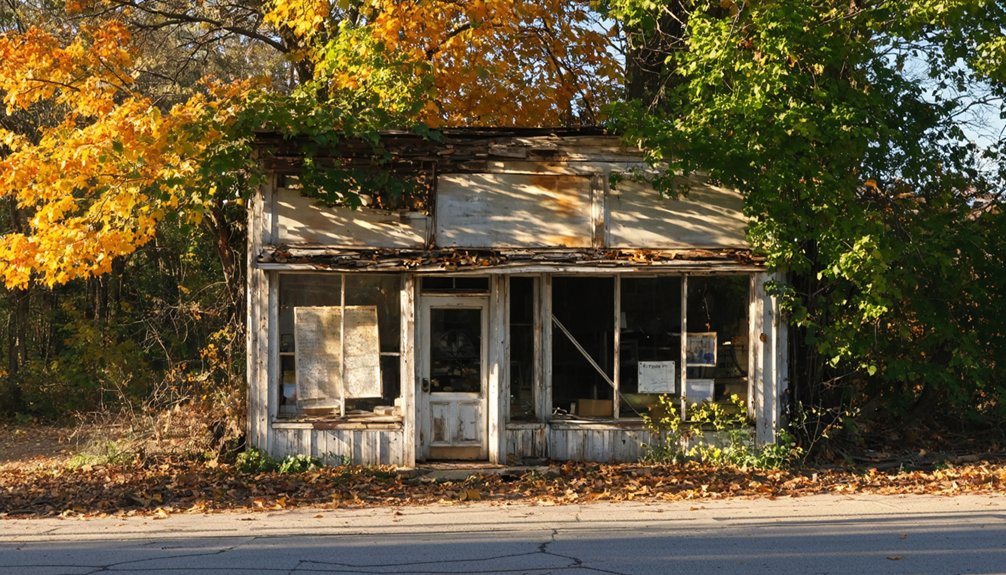
Spring and fall stand out as the ideal seasons for visiting Moscow ghost town, when mild temperatures and thinning crowds make rural exploration far more comfortable.
During these best seasons, you’ll navigate Nevada County’s unpaved roads without summer’s oppressive heat or winter’s muddy, impassable conditions.
Visiting in spring brings wildflowers framing the Moscow Methodist Cemetery, enhancing the site’s historical significance while creating stunning photography opportunities.
Fall’s cooling temperatures and golden foliage add dramatic atmosphere to your exploration of pioneer-era headstones.
Summer visits aren’t impossible, but you’ll battle intense Arkansas humidity and aggressive insects.
Winter rain softens rural roads, making access unreliable.
Pack water and insect repellent regardless of season, and always check local weather forecasts before heading down those county roads toward this forgotten Arkansas settlement.
What to Bring When Visiting Moscow Ghost Town’s Rural Cemetery
Packing the right gear transforms a challenging rural cemetery visit into a rewarding historical experience.
You’ll want sturdy boots since Moscow Methodist Cemetery has no maintained trails. Bring plenty of water and insect repellent — southwest Arkansas rural sites demand both, especially in warmer months.
Carry a camera to document headstones dating back to the early 1800s, honoring their Historical Significance without disturbing anything. A notebook helps you record inscriptions and reflect on pioneers who shaped Nevada County.
Cemetery Etiquette matters here. You’re walking through sacred ground, so stay on natural pathways and avoid stepping directly on graves.
Keep noise minimal and leave everything exactly as you found it. Pack out all trash, respecting both the site’s integrity and the freedom future visitors deserve.
How Do You Visit Moscow Cemetery Without Trespassing or Causing Damage?
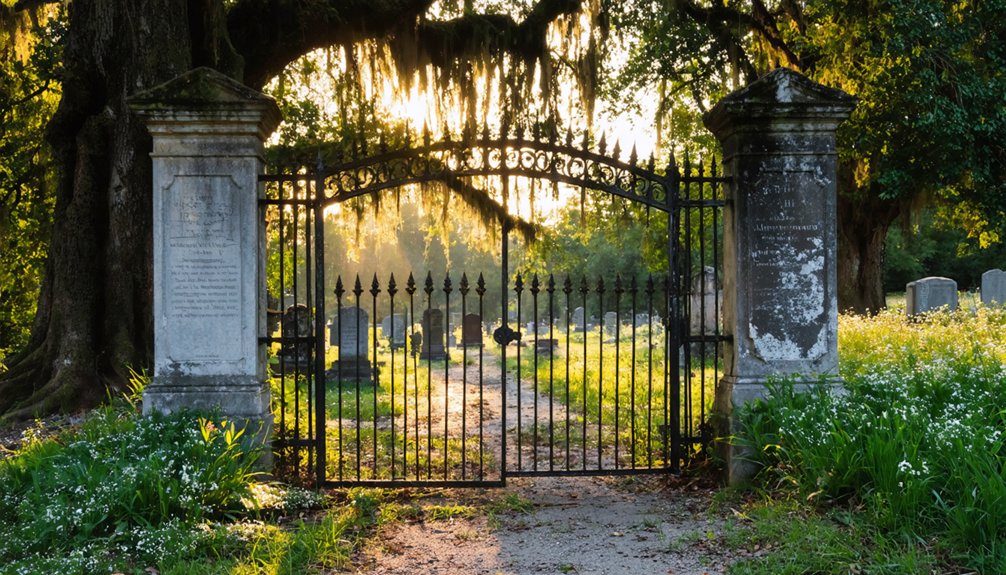
Once you’ve got your gear sorted, knowing how to approach Moscow Cemetery legally and respectfully is just as important as what you carry in.
Stick to county roads off AR-195 and respect any posted private land boundaries before reaching the site.
Cemetery etiquette matters here — stay on established paths, never step directly on graves, and leave headstones exactly as you find them.
Respectful exploration means resisting the urge to touch, move, or photograph anything intrusively. View fragile structures from a distance rather than climbing or leaning against them.
Arrive during daylight, keep noise minimal, and pack out everything you bring in.
This cemetery survived nearly two centuries — your visit shouldn’t compromise what future explorers get to experience.
Which Ghost Towns Near Moscow Are Worth the Detour?
Why stop at one ghost town when southwest Arkansas rewards the curious traveler with several abandoned communities within striking distance of Moscow?
Mount Olive in Howard County offers historical insights into farming community collapse, where economic hardship and rural depopulation drove abandonment much like railroad displacement ended Moscow.
Economic hardship and rural depopulation quietly erased Mount Olive, a Howard County farming community lost to forces beyond its control.
Mount Tabor, established in 1854, still holds a surviving church from its 1930s decline.
If you’re extending your adventure northward, Rush in Marion County delivers dramatic zinc mining ghost towns inside Buffalo National River.
These sites aren’t just ruins — they’re layered stories of ambition, struggle, and eventual surrender to forces beyond settlers’ control.
Linking these ghost towns into a single loop lets you trace Arkansas’s broader pattern of growth, abandonment, and the freedom found in rediscovering forgotten places.
How Do You Turn Moscow Into a Full Southwest Arkansas Road Trip?

Turning Moscow into a full southwest Arkansas road trip means anchoring your itinerary around Nevada County and radiating outward through pine-forested backroads and forgotten communities.
Start by absorbing Moscow history at the Methodist Church and Cemetery, where pioneer-era headstones tell stories the railroad erased. Understanding the railroad impact on Moscow’s 1873 decline sets the tone for your entire journey — you’re tracing commerce routes that reshaped lives.
From Nevada County, push into Howard County for Mount Olive, then swing north toward Mount Tabor.
If you’ve got extra days, loop up to Rush in Marion County along the Buffalo National River. Travel in spring or fall, pack water, and respect private land.
Southwest Arkansas rewards curious travelers who move slowly and look closely.
A Southwest Arkansas Ghost Town Loop Itinerary Starting From Moscow
Starting your loop in Moscow, Arkansas sets the tone immediately — you’re standing at a site that vanished because a railroad ignored it in 1873, and every stop ahead carries a version of that same story.
Moscow history grounds your entire journey in economic reality: progress bypassed entire communities, leaving only churches and cemeteries behind. Cemetery preservation here means staying respectful and observant.
From Moscow, build your loop around these three stops:
- Mount Olive (Howard County) — abandoned farming community with open land to explore freely
- Mount Tabor — established 1854, church remnants still standing from its 1930s decline
- Rush Ghost Town (Marion County) — zinc mining ruins inside Buffalo National River
Each stop deepens your understanding of how Southwest Arkansas communities rose, stalled, and quietly disappeared.
Frequently Asked Questions
Are There Guided Tours Available at Moscow Ghost Town in Arkansas?
Like a forgotten whisper in time, Moscow’s ghost town history offers no guided tours — you’ll explore freely on your own! Discover local legends independently, respecting private boundaries while wandering the preserved church and pioneer cemetery at your pace.
Can You Camp Overnight Near Moscow Ghost Town in Nevada County?
You won’t find designated camping at Moscow Ghost Town, but you can explore nearby attractions while following camping regulations at dispersed sites in surrounding Nevada County’s scenic pine forests — perfect for your freedom-seeking adventure!
Is Moscow Methodist Church Open for Visitors to Enter Inside?
You shouldn’t enter Moscow Methodist Church’s interior. Visitor guidelines prioritize preserving its church history, so you’ll want to view it respectfully from the outside, capturing its pioneer-era charm while honoring the site’s fragile, irreplaceable legacy.
Are There Any Local Historians or Contacts for Moscow Ghost Town?
Like treasure hunters chasing buried stories, you’ll want to contact Nevada County Historical Society — they’re your gateway to local legends and Moscow’s historical significance, connecting you with passionate researchers who’ve mapped this forgotten community’s rich pioneer past.
Has Moscow Ghost Town Ever Been Featured in Films or Documentaries?
No documented film history or documentary exploration exists for Moscow ghost town, but you’ve got a unique opportunity — grab your camera, capture its haunting cemetery and church remnants, and create your own compelling visual story!
References
- https://onlyinark.com/places-and-travel/rush-arkansas-ghost-town/
- https://www.barefoottraveler.com/rush.html
- https://www.cruisetheozarks.com/map-rush-ghost-town.shtml
- https://en.wikipedia.org/wiki/List_of_ghost_towns_in_Arkansas
- https://www.uaex.uada.edu/environment-nature/musings-on-nature-blog/posts/ghost-towns.aspx
- https://everafterinthewoods.com/forgotten-ghost-towns-in-arkansas-that-are-eerially-scenic/
- https://aymag.com/arkansas-backstories-ghost-towns/
- https://www.youtube.com/watch?v=0ODC6LDEVbQ