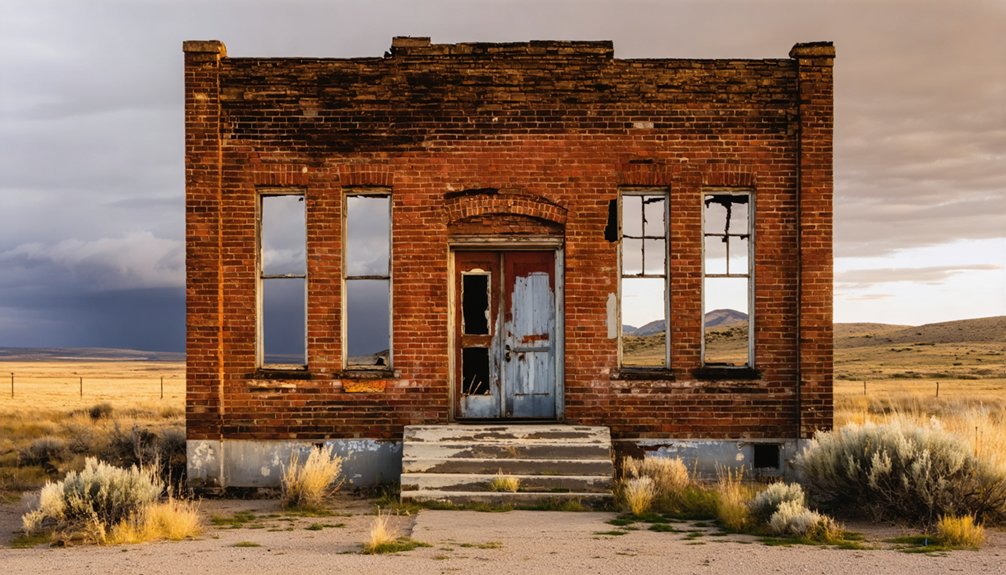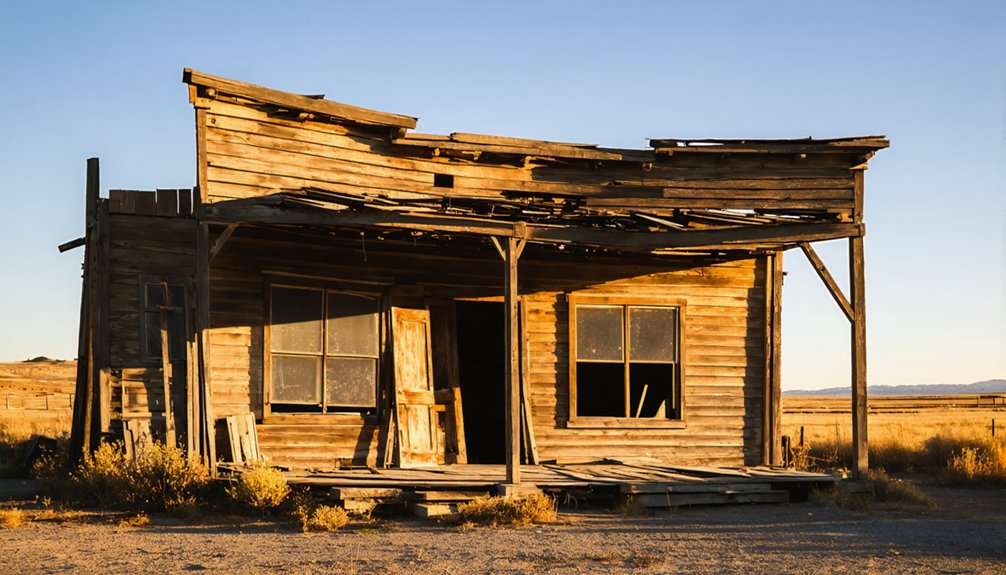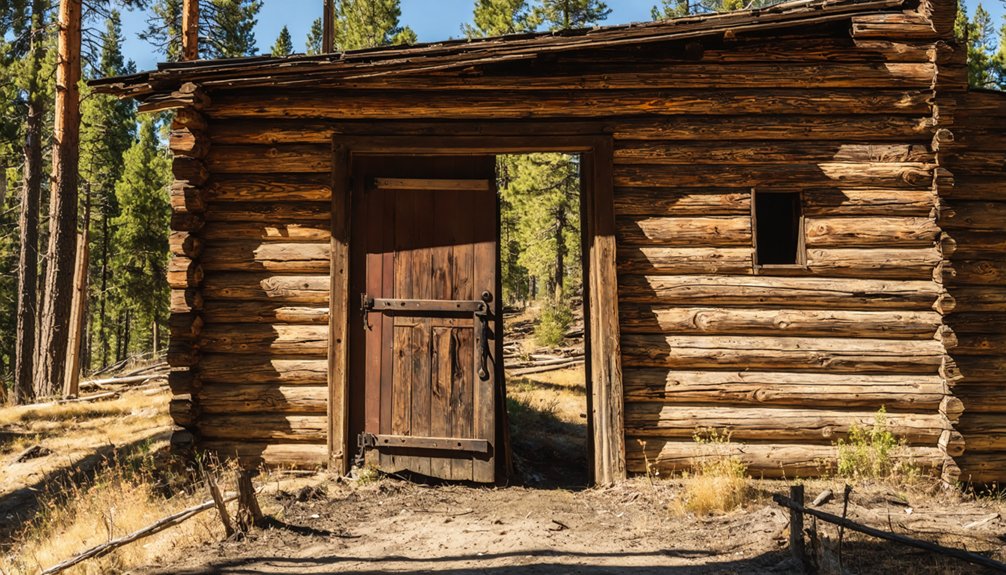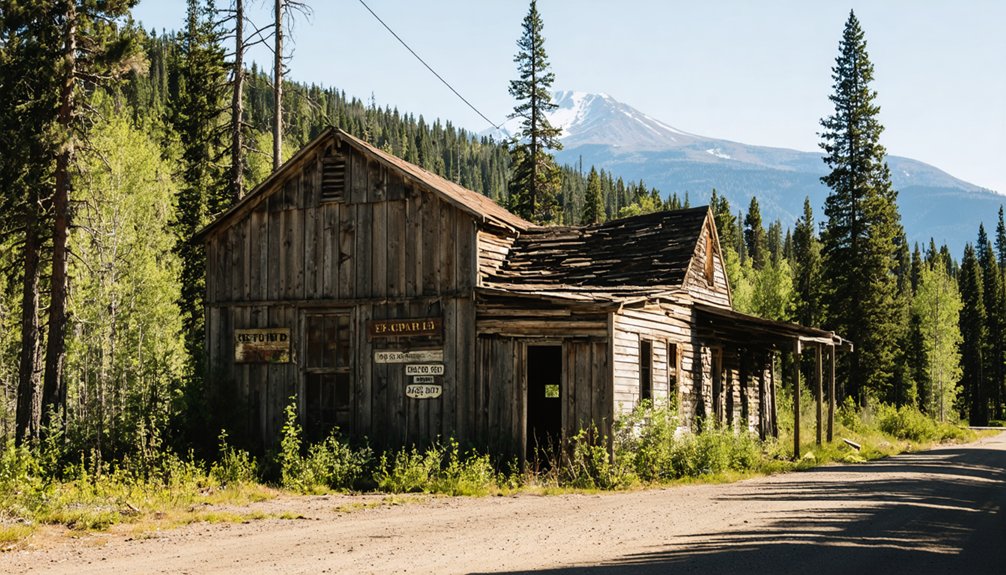
Planning a ghost town road trip to Murray, Idaho starts with heading east on I-90 from Coeur d’Alene to Wallace, then driving north through the Prichard Creek corridor. You’ll want to fill your gas tank, pack food and water, and download offline maps before leaving, since Murray has no gas station or grocery store. Gold was discovered here in 1882, and the stories of boom, bust, and frontier legends are still waiting to be uncovered.
Key Takeaways
- Murray, Idaho, sits 25 miles north of Wallace in the northern panhandle, accessible via I-90 east from Coeur d’Alene toward Prichard Creek.
- Gold discovered in 1882 sparked a boom drawing 10,000 miners by 1885, with Wyatt Earp among notable figures passing through.
- Key historic stops include the Sprag Pole Restaurant and Museum, Bedroom Goldmine Bar, and original dredge fields along Prichard Creek.
- Murray has no gas stations or grocery stores, so fill up, pack food, water, and cash before leaving larger towns.
- Visit between late spring and early October, download offline maps, and check seasonal hours due to unreliable cell service.
How to Get to Murray, Idaho
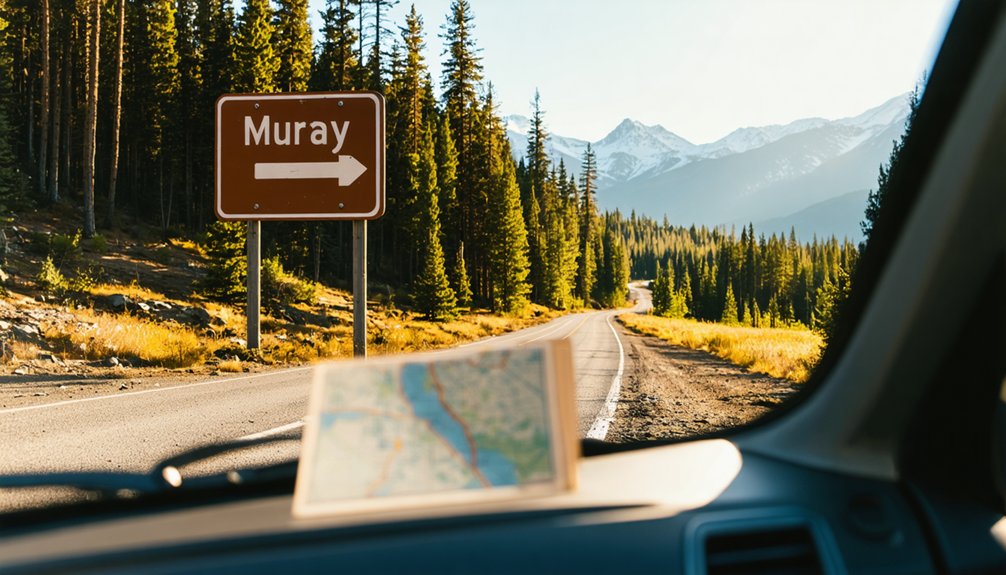
Tucked into the northern panhandle of Idaho near the Montana border, Murray sits about 25 miles north of Wallace in Shoshone County’s historic Silver Valley. You’ll find it north of I-90, making the drive straightforward from Coeur d’Alene heading east.
Nestled in Idaho’s northern panhandle, Murray lies 25 miles north of Wallace — a straightforward drive from Coeur d’Alene heading east.
The roads into Murray are rated 2WD, so you don’t need a truck or four-wheel drive under normal conditions. Local transportation options are limited, so bring your own vehicle — this is road-trip territory, and that freedom suits the journey perfectly.
As you wind through the Silver Valley, you’ll pass scenic viewpoints framing rugged mountain ridgelines and dense northern Idaho forest. Check conditions seasonally, since winter weather can complicate travel.
Arriving prepared means you’ll spend less time worrying and more time exploring one of Idaho’s most compelling semi-ghost towns.
Murray, Idaho’s Gold Rush: From 2,000 Miners to Ghost Town
Once you’ve made your way into Murray, the landscape itself starts to tell the story — and it’s a wild one. A.J. Prichard struck gold along Prichard Creek in 1882, and word spread fast. By the winter of 1883/1884, roughly 2,000 miners had flooded the area. That number climbed to 10,000 by 1885.
Mining legends grew quickly here, and so did frontier conflicts. Wyatt Earp himself passed through, earning a $65 fine for claim-jumping in 1884. Murray briefly served as the Shoshone County seat, riding high on gold-rush momentum.
Then the placer deposits ran dry. By 1898, the boom had largely collapsed. What you’re walking through today is the aftermath — a town that burned bright, faded fast, and somehow refused to disappear entirely.
The Colorful Characters Who Put Murray on the Map
What made Murray unforgettable wasn’t just the gold — it was the people chasing it. When you dig into the town’s past, you’ll find mining characters who lived by their own rules in one of the West’s roughest frontier camps.
Even Wyatt Earp passed through, walking away with a $65 fine after a claim-jumping incident in 1884. That story alone tells you everything about how justice worked here.
Local legends like these shaped Murray’s identity as fiercely as any gold strike did. Saloon owners, prospectors, and opportunists flooded the valley, each leaving a mark on the community’s unpredictable culture.
When you visit today, those stories still echo through the remaining historic structures, giving you a rare, unfiltered look at frontier freedom in action.
What’s Left to See in Murray, Idaho Today
Murray may be small, but it still holds enough history to make the stop worthwhile. You’ll find historic buildings, mining relics, and frontier atmosphere packed into a compact townsite that rewards curious travelers.
Here’s what you can explore:
- Sprag Pole Restaurant and Museum – an 1884 building still operating today
- Bedroom Goldmine Bar – a surviving business tied directly to mining-era identity
- Historic district structures – several preserved buildings with interpretive displays
- Dredge spoil roads – built in the late 1990s, they still yield gold nuggets
- Prichard Creek corridor – the original placer gold discovery site from 1882
Check seasonal hours before you go, since services are limited. Murray fits perfectly as a focused stop on a broader Silver Valley ghost-town route.
Adding Murray to a Silver Valley Road Trip
Murray works best as one stop on a broader Silver Valley road trip, so you’ll want to map out nearby towns like Wallace, which sits roughly 25 miles south and offers its own rich mining history and well-preserved historic district.
You can easily string together several ghost towns and heritage sites along the route, making the most of the region’s deep gold- and silver-rush legacy.
Before you head out, check the hours of operation for Murray’s Sprag Pole Restaurant and Museum and any Wallace attractions, since seasonal closures can shape how you plan your day.
Nearby Towns Worth Visiting
Since Murray sits just 25 miles north of Wallace, it pairs naturally with several other Silver Valley destinations worth building into a single road trip. You’ll find history, local cuisine, and outdoor activities packed into a compact stretch of northern Idaho worth exploring:
- Wallace – A well-preserved mining town with museums, historic architecture, and great dining options.
- Kellogg – Home to Silver Mountain Resort, offering skiing, gondola rides, and outdoor activities year-round.
- Mullan – A small historic mining community near the Montana border with frontier-era character.
- Osburn – A quiet stop with local services and easy interstate access along I-90.
- Prichard – A tiny community near Prichard Creek, directly tied to Murray’s original 1882 gold discovery.
Planning Your Route
Adding Murray to a Silver Valley road trip is straightforward, and the compact geography of northern Idaho works in your favor. Start in Wallace, a well-preserved mining hub about 25 miles south, then head north along Prichard Creek toward Murray.
You’ll pass remnants of old mining equipment and dredge fields that shaped this valley for over a century. Murray works best as a focused stop where you explore the historic district, check out the 1884-era buildings, and appreciate the ongoing historical preservation efforts that keep the town’s identity alive.
From Murray, you can loop back through other Silver Valley communities before rejoining I-90. Keep your schedule flexible since seasonal hours affect local businesses, but the route itself stays accessible on standard 2WD roads year-round.
What to Know Before You Visit Murray, Idaho
Murray is easy to reach via a standard 2WD road, so you don’t need a truck or SUV to make the trip.
You can visit any time of year, though checking seasonal hours for the Sprag Pole Museum and local bars before you go saves frustration.
Keep in mind that Murray is a semi-ghost town with minimal services, so stock up on fuel and supplies in Wallace before heading north.
Getting There Easily
Getting to Murray, Idaho, is simpler than you might expect for a semi-ghost town tucked into the northern panhandle near the Montana border. It sits about 25 miles north of Wallace, and standard 2WD roads get you there without any special gear. Local folklore and mining legends await once you arrive.
- Head north from Wallace via Highway 9 through the Silver Valley.
- No high-clearance vehicle required — regular cars handle the route fine.
- Murray lies east of Coeur d’Alene, making it a natural detour.
- I-90 serves as your main artery before heading north.
- Anytime works for a visit, though confirming seasonal business hours saves frustration.
Pack light, fuel up beforehand, and treat Murray as a rewarding stop on a broader Silver Valley ghost-town route.
Best Times To Visit
Once you’ve sorted out the drive, knowing when to show up makes all the difference. Murray’s historical preservation efforts are best experienced when the Sprag Pole Museum and local businesses are actually open, so summer and early fall give you the strongest shot at seeing everything.
Seasonal accessibility isn’t a major obstacle since the roads are 2WD-friendly, but heavy winter snowfall in northern Idaho can complicate an otherwise straightforward trip.
One source lists “anytime” as acceptable for visiting, and that’s technically true — the townsite itself doesn’t close. Still, you’ll get far more out of your stop if the buildings are staffed and the stories are being told.
Call ahead, check hours, and plan your visit between late spring and early October for the best experience.
Limited Services Warning
What you won’t find in Murray is a gas station, a grocery store, or a tourist-ready strip of restaurants waiting to refuel you after the drive. Local amenities are nearly nonexistent, and service limitations are real. Plan accordingly before you leave Wallace or Coeur d’Alene.
Before hitting the road, keep these essentials in mind:
- Fill your gas tank before leaving a larger town
- Pack food and water for the trip
- Carry cash, as card readers aren’t guaranteed
- Check seasonal hours for the Sprag Pole Restaurant and Museum
- Download offline maps, since cell service can be unreliable
Murray rewards the self-sufficient traveler. Come prepared, embrace the frontier mindset, and you’ll enjoy the visit without scrambling for basic necessities you forgot to bring.
Frequently Asked Questions
Is Murray, Idaho Considered a Fully Abandoned Ghost Town?
No, Murray isn’t fully abandoned. You’ll discover it’s a semi-ghost town with urban decay alongside surviving historic structures, embodying remarkable historical significance as a few residents and businesses still keep this gold-rush community alive.
Who Was George Murray, and Why Was the Town Named After Him?
You’ll find that George Murray was a mining prospector whose historical significance earned him naming rights to the town. Local legends celebrate his frontier spirit, connecting his adventurous pursuit of gold to Idaho’s rich, untamed mining heritage.
Can Visitors Still Pan for Gold Near Murray Today?
Like striking a rich vein, you can still pan for gold near Murray! Prichard Creek’s legacy runs deep—try gold panning techniques along its banks, and explore mining equipment rentals locally to fuel your freedom-seeking adventure.
Are There Any Accommodations Available in or Near Murray?
You won’t find hotel options directly in Murray, but you’ll discover camping sites nearby. Wallace, about 25 miles south, offers lodging choices that’ll fuel your next day’s adventurous exploration of this rugged, freedom-filled ghost town country.
What County Is Murray, Idaho Currently Located In?
You’ll find Murray nestled in Shoshone County, Idaho — a place rich in local legends and committed to historic preservation. You’re stepping into storied ground, breathing frontier air, and exploring a county steeped in gold-rush glory.
References
- https://www.ghosttowns.com/states/id/murray.html
- https://www.grit.com/community/history/murray-idaho-in-the-historic-silver-valley-zb0z1707/
- https://westernmininghistory.com/towns/idaho/murray/
- https://www.youtube.com/watch?v=MBVFWQ-6Gdg
- https://www.spokesman.com/stories/2005/nov/05/gazing-into-murrays-past/
- https://www.facebook.com/groups/1130011148218111/posts/1198042388081653/
- https://en.wikipedia.org/wiki/Murray
- https://history.idaho.gov/wp-content/uploads/2018/08/0064.pdf
- https://www.startpackingidaho.com/blog/idahos-ghost-towns/
- https://www.youtube.com/watch?v=MfKofUgskwc