You’ll find New Lynn, Texas exactly as history left it — a quiet stretch of open plains where a community of 60 souls once held its ground against the West Texas frontier, then simply disappeared. Head south from Lubbock on Highway 87 toward Tahoka, pack your water and paper maps, and plan your visit for spring or fall when roads cooperate. There’s far more to this vanishing landscape than first meets the eye.
Key Takeaways
- From Lubbock, drive south on Highway 87 toward Tahoka, then navigate Farm Road corridors to reach New Lynn’s abandoned structures.
- Pack a full fuel tank, water, emergency supplies, and a camera since no convenience stores or gas stations exist nearby.
- Visit in spring or fall to avoid summer heat, winter storms, and unpredictable West Texas road conditions.
- Combine your trip with nearby Lynn County ghost towns like Lobo ruins and Alton cemetery for a fuller experience.
- Check county road maintenance updates before departing, as West Texas weather can rapidly alter rural road accessibility.
What’s Left to See at New Lynn, Texas?
What remains at New Lynn today reflects the quiet erasure that time inflicts on small West Texas communities.
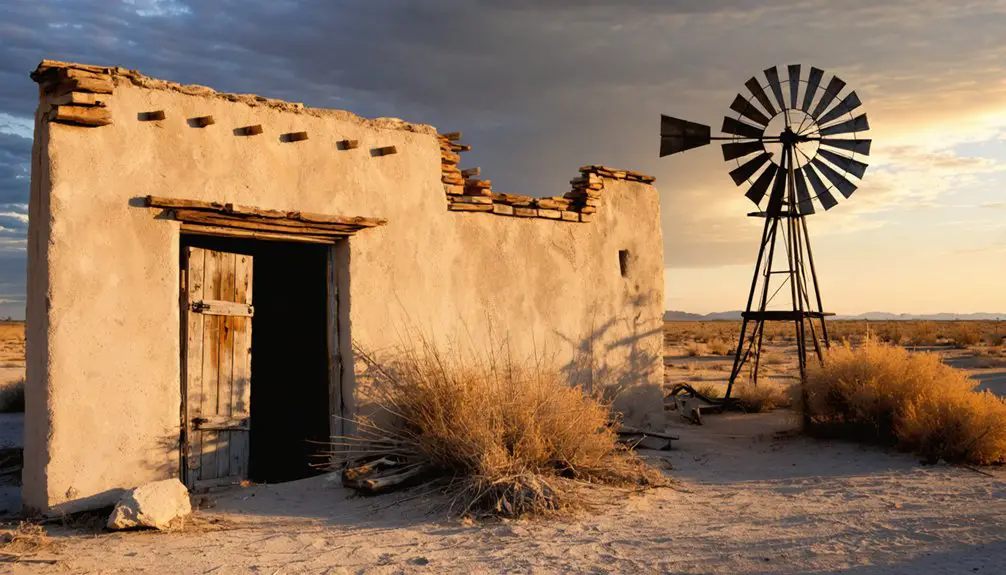
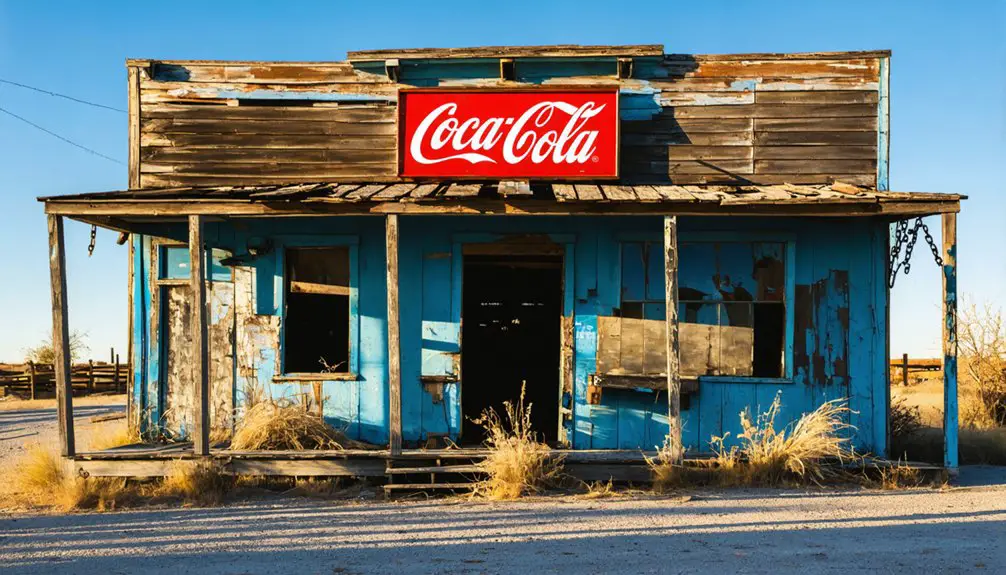
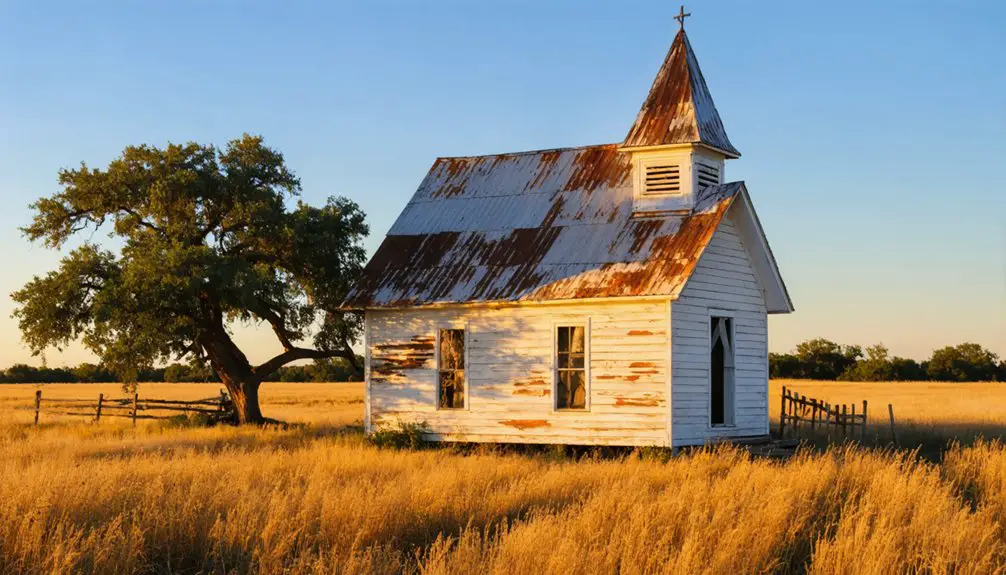
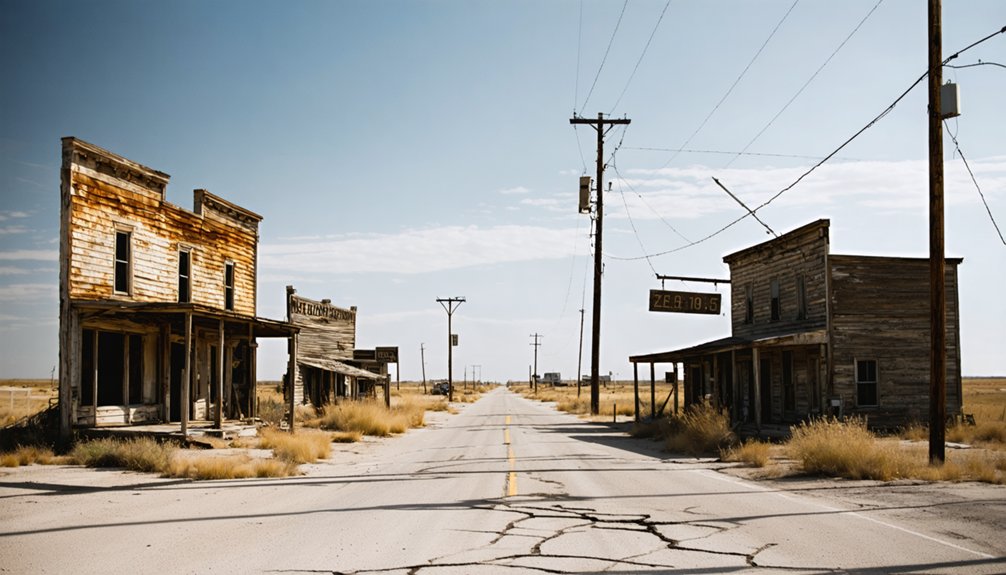
You’ll find yourself standing on open plains where the 1930s once promised something permanent. Abandoned structures, worn by decades of wind and indifference, hint at a community that once supported Lynn County’s first school district.
Local history surfaces in fragments — a weathered foundation, a fence line tracing a forgotten boundary. The population held steady at 60 through 1940 and 1950, then slipped away entirely.
You’re walking through a place that chose survival but lost the argument. Bring curiosity rather than expectations. New Lynn won’t dazzle you, but it’ll remind you how quickly the frontier reclaims what settlers believed they’d permanently claimed.
How to Get to New Lynn From Lubbock or Brownfield?
Reaching New Lynn means committing to the quiet geometry of West Texas plains, where roads run straight and the horizon keeps its distance.
From Lubbock, head south on Highway 87 toward Tahoka, Lynn County’s seat, roughly 38 miles through open cotton country. From Brownfield, you’re even closer — travel east along Farm Road corridors connecting Terry and Lynn counties.
Lubbock sits 38 miles north — head south on Highway 87 and let cotton country carry you straight to Tahoka.
Both travel routes offer scenic views of flat, wind-shaped terrain that hasn’t changed much since homesteaders arrived in the 1930s.
Once you reach Tahoka’s courthouse square, orient yourself before pushing further into the county toward New Lynn’s sparse remains.
Carry water, fuel up beforehand, and expect minimal services. The plains don’t apologize for their emptiness — and neither should you for seeking it.
Other Lynn County Ghost Towns Worth Adding to Your Route
While New Lynn anchors your Lynn County itinerary, the surrounding plains reward explorers willing to push a little further down unmarked farm roads.
Lynn County itself holds scattered settlements where vintage architecture crumbles quietly beside forgotten fence lines.
Push west toward Culberson County and you’ll encounter Lobo ruins, where desert winds finish what economic collapse started.
South along Highway 87 corridors, Alton cemetery stands as one of the few remaining markers where a community once breathed.
Toyah history offers another thread worth pulling — its slow population decline mirrors New Lynn’s own trajectory, reminding you that the Texas plains built and abandoned towns without hesitation.
Each stop deepens your understanding of a frontier that promised everything and delivered hard lessons instead.
When Lynn County Roads and Weather Work in Your Favor
Planning your Lynn County drive around seasonal rhythms makes the difference between a rewarding ghost town crawl and a muddy, stranded mess on an unpaved farm road.
West Texas weather conditions shift fast — blue skies surrender to thunderstorms within an hour, turning caliche roads into impassable slick traps. Spring and fall offer your best windows, when temperatures stay reasonable and rainfall remains lighter. Summer heat bakes the plains mercilessly, while winter norther storms blow through without warning.
West Texas skies lie — sunshine turns to storm, and caliche roads turn to traps, fast.
Road maintenance on rural Lynn County routes runs inconsistent, so check with the county beforehand. You’re answerable only to the open road out here, and that freedom demands preparation.
Carry water, a spare tire, and a paper map — cell service disappears long before New Lynn appears on the horizon.
What to Bring Before Driving Out to New Lynn
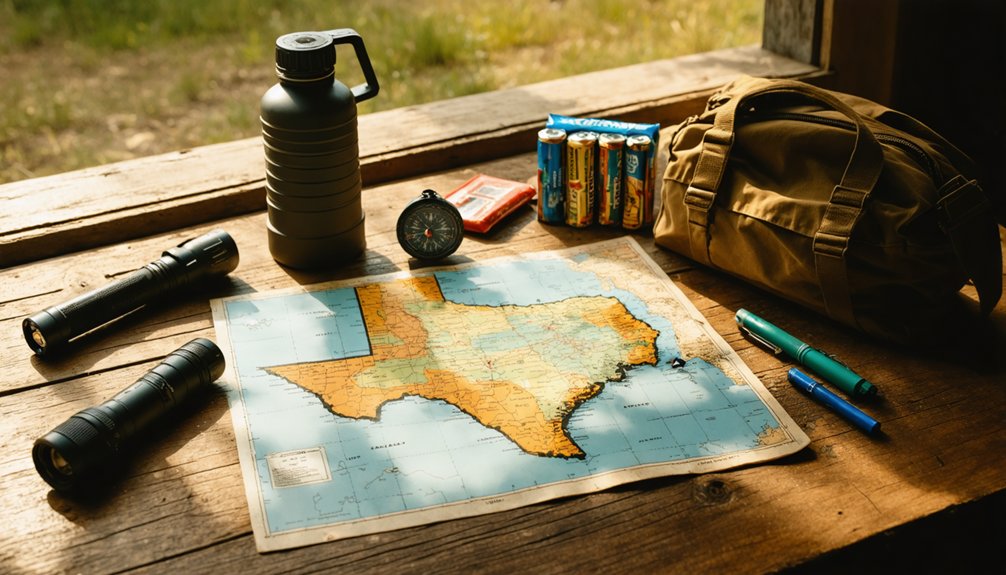
Packing for New Lynn means treating the drive itself as the destination — because once you leave Tahoka’s courthouse square behind on Highway 87, convenience stores and gas stations vanish from the landscape.
These packing essentials and travel tips keep your freedom intact when civilization fades:
- Full fuel tank and paper maps — cell signals disappear across Lynn County’s open plains, and digital navigation becomes useless.
- Water and emergency supplies — the 1930s settlers who built this community survived harsh West Texas conditions; you’ll need similar preparedness.
- Camera and TSHA handbook notes — document whatever vintage structures remain before time erases them completely.
The frontier doesn’t accommodate the unprepared.
Respect the landscape’s indifference, and New Lynn rewards your curiosity with raw, unfiltered Texas history.
Frequently Asked Questions
Who Was G.W. Lynn, and Why Is Lynn County Named After Him?
G.W. Lynn’s Legacy lives through Lynn County’s name — he’s an Alamo defender whose Historical Influence shaped Texas forever. You’ll find his spirit echoing across these free, windswept plains, honoring his courageous 1836 sacrifice.
What Year Was New Lynn’s First School District Officially Established?
The knowledge doesn’t pinpoint the exact year, but you’ll find New Lynn’s first school district tied to the 1930s, marking a pivotal moment of educational development and historical significance on Texas’s untamed, freedom-seeking plains.
How Did New Lynn’s Population Change Between 1940 and 1950?
Like a frozen clock, New Lynn’s population didn’t budge—you’ll find no population decline or demographic shifts between 1940 and 1950, as both decades reported a steady 60 souls holding the plains.
Which Texas Ghost Towns Share Similar Boom-Bust Histories With New Lynn?
You’ll find abandoned settlements like Toyah, Lobo, and Glenrio echoing New Lynn’s economic cycles — each town rose with frontier promise, then faded as harsh West Texas plains and shifting fortunes quietly reclaimed what ambition once boldly built.
Can New Lynn Be Combined With a New Mexico Border Ghost Town Route?
You can absolutely weave ghost town connections into border town adventures by pairing New Lynn with Glenrio’s faded glory near New Mexico, tracing the plains’ bittersweet echoes of ambition, where freedom-seekers once carved fleeting communities into vast, unforgiving landscapes.
References
- https://www.hipcamp.com/journal/camping/texas-ghost-towns/
- https://www.county.org/county-magazine-articles/summer-2025/ghost-towns
- https://en.wikipedia.org/wiki/List_of_ghost_towns_in_Texas
- https://www.tshaonline.org/handbook/entries/new-lynn-tx
- https://authentictexas.com/texas-ghost-towns/
- https://www.texasalmanac.com/places/new-lynn
- https://www.texasescapes.com/Counties/Lynn-County-Texas.htm
- https://www.ghostsandgetaways.com/blog-1/27-fascinating-ghost-towns-in-texas
- https://www.youtube.com/watch?v=phjUE19A8HM