Planning a ghost town road trip to Nortonville, California means heading to Black Diamond Mines Regional Preserve, where a 19th-century coal boomtown once housed nearly 1,000 residents. Today, you’ll find weathered ruins, a hauntingly quiet cemetery, and faint traces of old railroad beds where a thriving community once stood. Gates open at 8 a.m., so you can arrive early and explore at your own pace. There’s far more to this story than the silence suggests.
Key Takeaways
- Nortonville sits within Black Diamond Mines Regional Preserve, offering ghost town exploration with remnants like mine foundations, railroad bed traces, and Rose Hill Cemetery.
- The park opens at 8 a.m. and closes around 6 p.m., with seasonal hour adjustments worth checking before your visit.
- Spring and fall provide the best weather; summer visitors should bring extra water and start early to avoid heat.
- Nearby ghost towns Somersville, Stewartville, Judsonville, and West Hartley can be combined into a fuller regional road trip.
- Pack proper footwear, layered clothing, sunscreen, and a trail map to navigate the preserve comfortably and safely.
How Nortonville Went From Boom Town to Ghost Town
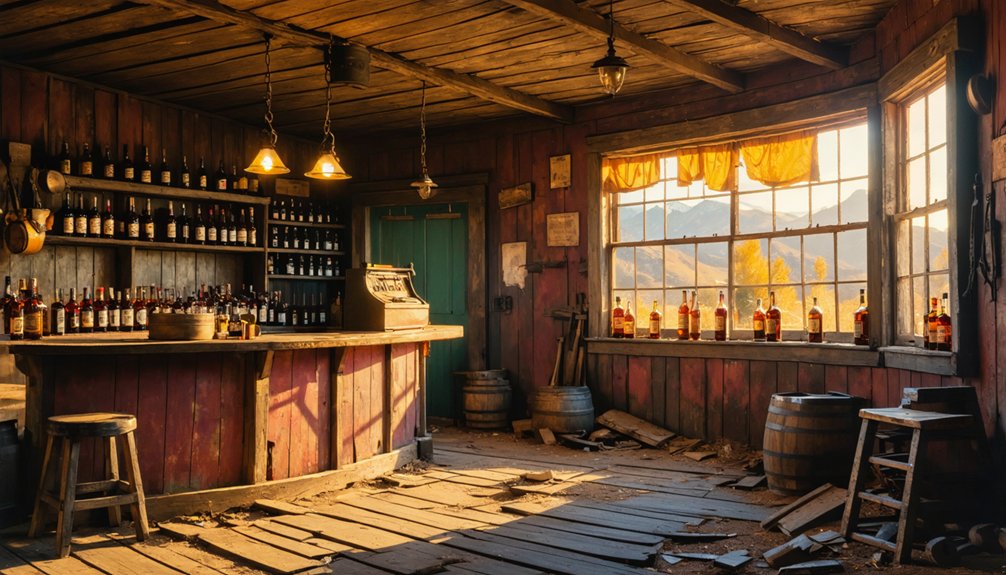
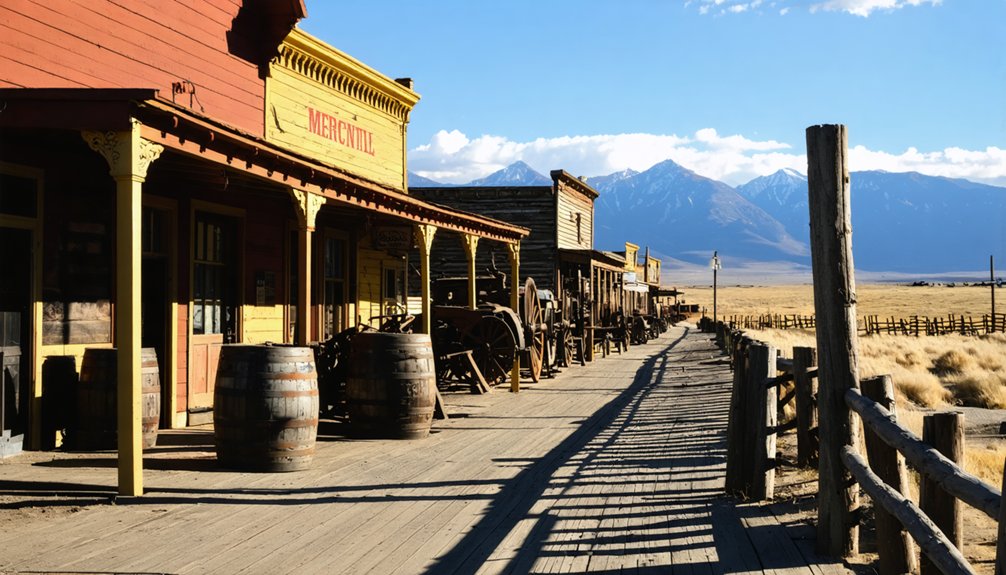
When Noah Norton established Nortonville in 1861, he couldn’t have imagined how quickly the Black Diamond Mine would transform a dusty California hillside into a thriving community of nearly 1,000 residents. Schools, churches, hotels, and saloons lined the streets as miners and families built real lives here.
But economic decline came fast. By 1885, the mines had closed, defeated by low-grade coal, persistent drainage problems, and cheaper fuel arriving via the transcontinental railroad. Residents packed up and left, and structures were dismantled or burned until almost nothing remained.
Today, historic preservation efforts through Black Diamond Mines Regional Preserve protect what little survives — a brick foundation, remnants of a railroad bed, and Rose Hill Cemetery. You’re not visiting ruins; you’re walking through a silence that tells the whole story.
What’s Left to See at Nortonville Today?
When you walk the grounds of Nortonville today, you won’t find standing buildings or a reconstructed Main Street — just quiet, grassy land that barely hints at the 1,000 people who once lived here.
You can, however, spot the brick foundation of the mine’s hoisting works, traces of the old railroad bed cutting through the preserve, and Rose Hill Cemetery, where the markers of former miners and their families still stand.
These remnants won’t overwhelm you with spectacle, but they’ll connect you to the town’s past in a way that feels immediate and real.
Rose Hill Cemetery Remains
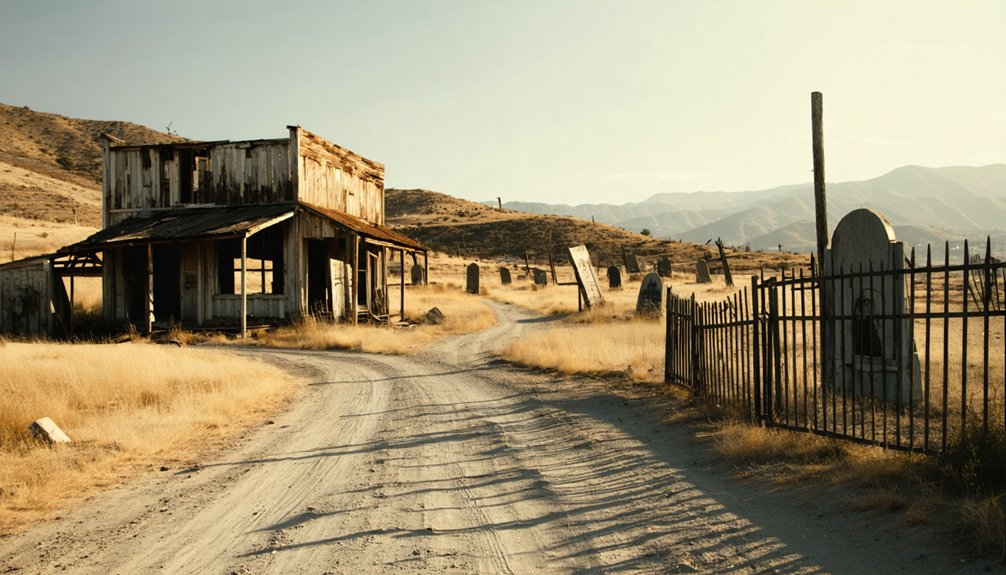
Though Nortonville’s buildings have long since vanished, Rose Hill Cemetery survives as the most haunting and tangible remnant of the coal town’s past. Walking among its historical graves, you’ll encounter weathered headstones marking miners, their wives, and children who built lives in this rugged California landscape.
Many died young, casualties of dangerous underground work and harsh living conditions.
Cemetery preservation efforts have kept this sacred ground accessible within Black Diamond Mines Regional Preserve, allowing you to connect directly with the human story behind the coal boom. The headstones speak plainly — names, dates, and occasionally brief epitaphs that cut through history’s silence.
You won’t find reconstructed buildings or museum displays here, just open hillside, quiet graves, and an honest sense of what Nortonville once demanded from its people.
Mine Foundation Ruins
Beyond the cemetery’s hillside silence, the brick foundation of the mine hoisting works stands as Nortonville’s other surviving landmark — rougher, more industrial, and easy to overlook if you don’t know what you’re searching for.
This remnant once anchored the mining equipment that pulled coal from the earth below, driving the entire town layout around its operation. Without it, there’d have been no Black Diamond Mine, no thousand-person community, no reason for Nortonville to exist at all.
Today, the foundation sits quietly in the grass, stripped of its machinery and purpose. No interpretive crowds, no reconstructed structures — just weathered brick and open preserve land.
If you move slowly and pay attention, you’ll feel the weight of what once stood here.
Railroad Bed Traces
Stretching faintly across the preserve, the old railroad bed traces a path that once carried loaded coal cars down toward the Bay Area markets Nortonville supplied. You can follow its subtle depression across the grassy terrain, reading the landscape like a document of industrial ambition.
It’s not historic architecture or heavy mining equipment you’re tracking here — it’s negative space, the ghost of infrastructure that made this coalfield California’s largest. The grade remains surprisingly legible, dipping and curving through the hills in ways that reward a slower, more attentive pace.
If you let yourself slow down, you’ll sense the scale of what moved through this corridor daily — tonnage, labor, urgency. That quiet earthen line still tells the whole story.
How to Get to Black Diamond Mines Regional Preserve
Once you arrive, park amenities support a comfortable visit while you explore the mining history embedded in this landscape. Gates open at 8 a.m., giving you solid daylight hours to roam the grassy hills, trace the old railroad bed, and visit Rose Hill Cemetery.
Summer hours extend your window even further.
The preserve is accessible year-round, so you can plan around your schedule rather than a narrow seasonal window. Come ready to walk, explore, and step back into California’s coal-mining past.
Best Times to Visit and What the Park Hours Are
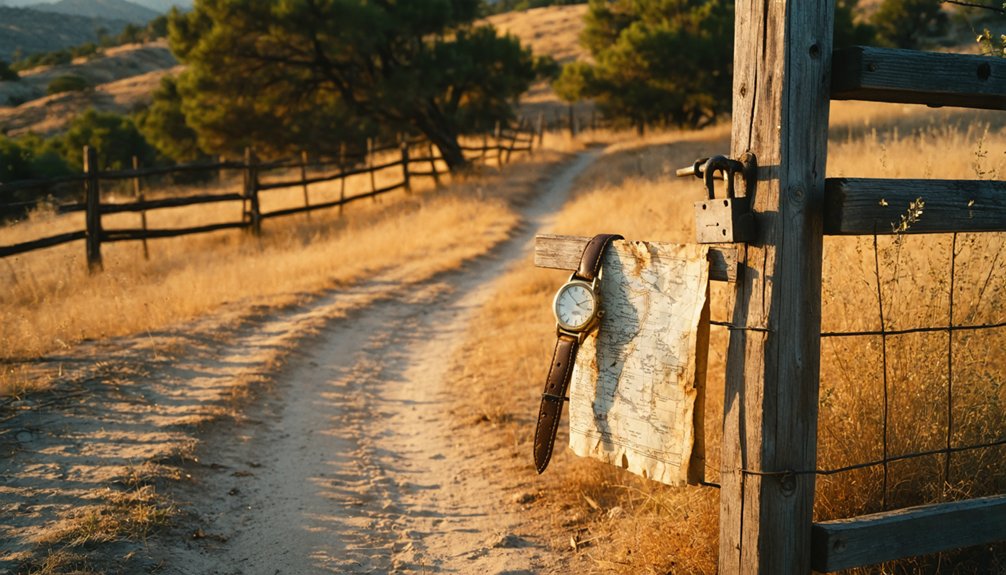
Although Black Diamond Mines Regional Preserve welcomes visitors year-round, timing your trip thoughtfully will shape the experience. Spring and fall offer mild temperatures ideal for exploring historical artifacts and hiking the grassy terrain above Nortonville’s ghost town remnants.
Timing your visit to Black Diamond Mines thoughtfully transforms a simple hike into a richer, more rewarding historical experience.
Summer runs warm, so carry water and start early. Winter stays cool but rewards patient visitors with uncrowded trails and moody, atmospheric scenery that suits the abandoned landscape well.
Park gates open at 8 a.m., closing at 6 p.m. through mid-March, with extended evening hours arriving as summer approaches. Check current seasonal hours before you go, since schedules shift throughout the year.
Planning around gate times guarantees you move freely between tourist attractions like Rose Hill Cemetery and the mine hoisting works foundation without feeling rushed.
What to Pack for Nortonville’s Trails and Mine Sites
Preparing well before you drive out to 5175 Somerville Road will make the difference between a rewarding ghost-town excursion and an uncomfortable one.
Pack sturdy, closed-toe shoes for uneven terrain around the mine hoisting works foundation and along the old railroad bed.
Bring layered clothing, since morning cool gives way to afternoon warmth across these open, grassy hills.
Carry plenty of water and sunscreen, because shade is scarce.
A camera helps you document historical artifacts like the brick foundation and Rose Hill Cemetery markers without disturbing them.
Binoculars support wildlife observation along the preserve trails, where birds and ground squirrels move freely through the brush.
Keep a trail map downloaded offline, as cell coverage is unreliable.
Leave everything you find undisturbed — the park’s rules protect what little remains.
Ghost Towns Near Nortonville Worth the Detour
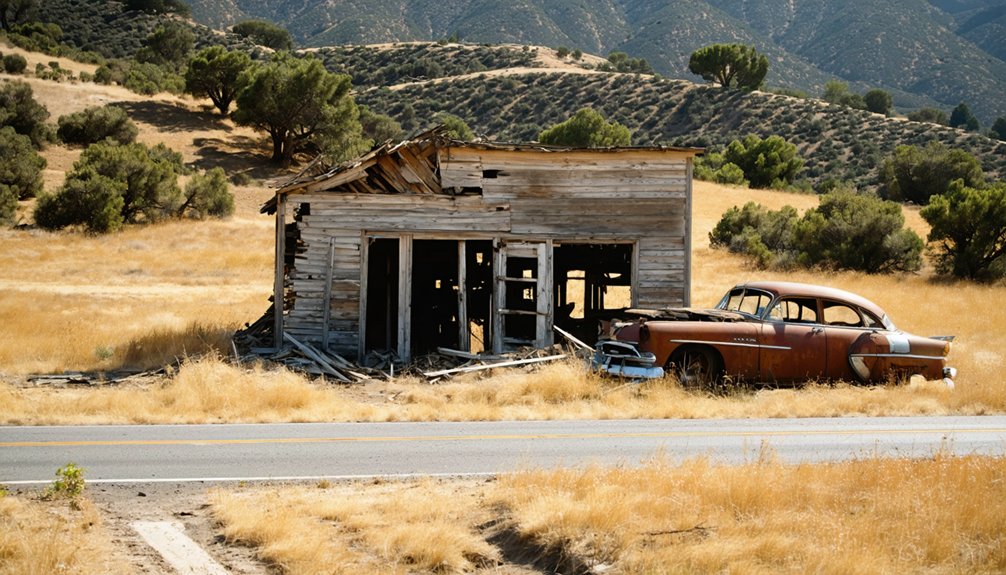
Nortonville sits at the heart of the Mount Diablo Coalfield, so it’s worth knowing that four other coal towns once shared these same hills — Somersville, Stewartville, Judsonville, and West Hartley.
Each settlement rose and collapsed alongside the same broken promises of California coal. Somersville is the most accessible of the group, and its scattered historical artifacts offer another layer of texture to your visit.
You’ll find yourself reading the land differently once you’ve walked more than one of these lost communities. Local legends tied to mining accidents and vanished families echo across the preserve.
Combining these sites turns a single ghost-town stop into a fuller picture of regional boom-and-bust history, and you’ll leave with a sharper sense of just how much once thrived here.
Frequently Asked Questions
Who Founded Nortonville and How Did It Get Its Name?
Noah Norton founded Nortonville in 1861, and you’ll find the town bears his name proudly. He shaped its historical mining legacy, and local legends still echo his pioneering spirit throughout Black Diamond Mines Regional Preserve’s rugged, free terrain.
How Many People Lived in Nortonville During Its Peak Years?
You’d have witnessed roughly 1,000 residents thriving at Nortonville’s peak — a remarkable historical population for a remote mining settlement. Demographic changes hit hard after 1885, leaving this once-bustling, freedom-loving community completely abandoned.
Can You Drive a Regular Vehicle to Black Diamond Mines Regional Preserve?
You don’t need a special rig — standard vehicle restrictions are minimal here. Road conditions welcome your everyday 2WD car, so you can freely roll down Somerville Road and explore Black Diamond Mines Regional Preserve without hesitation.
Was Nortonville the Only Coal Town in the Mount Diablo Coalfield?
Nortonville wasn’t alone! You’ll discover four other towns shaped the Mount Diablo Coalfield’s coal mining history — Somersville, Stewartville, Judsonville, and West Hartley. Together, they form a rich tapestry of ghost town preservation waiting for your exploration.
Are There Guided Tours Available at Black Diamond Mines Regional Preserve?
With 1,000 residents once thriving here, you’ll find guided tours revealing rich mining history and fossil exploration adventures at Black Diamond Mines Regional Preserve—contact the East Bay Regional Park District directly to confirm current tour availability and schedules.
References
- https://en.wikipedia.org/wiki/Nortonville
- https://www.youtube.com/watch?v=AgWflUgBWdE
- https://en.wikipedia.org/wiki/Noah_Norton
- https://www.cocohistory.com/essays-ghosts.html
- https://americymru.net/american ghost towns with a Welsh connection – Nortonville
- https://www.cocohistory.org/essays/mt-diablo-coal-and-the-fight-between-the-railroads
- https://www.ghosttowns.com/states/ca/nortonville.html
- https://www.stripes.com/living/us_travel/2022-02-16/Explore-a-Bay-Area-ghost-town-with-a-trek-to-Black-Diamond-mine-5040410.html
- https://www.youtube.com/watch?v=t8H88MQIDBs
- https://sfbayareahistoricparks.weebly.com/sfba-historic-parks/nortonville-and-somersville