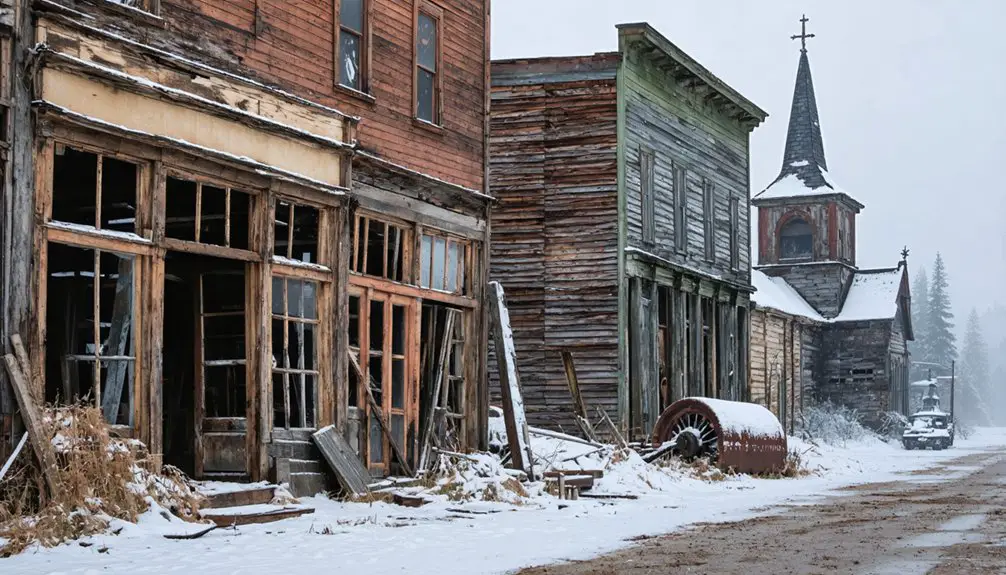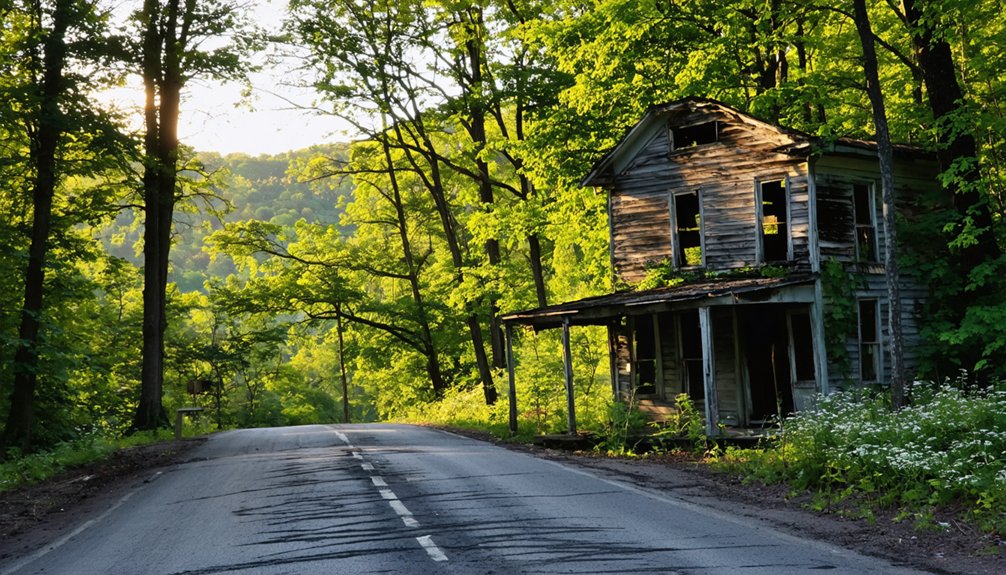
Planning a ghost town road trip to Pearlytown, West Virginia, means heading into the heart of the southern coalfields, where weathered ruins and rusted relics paint a vivid picture of boom-and-bust history. You’ll navigate winding mountain roads, explore crumbling foundations, and witness nature reclaiming what industry left behind. Visit between May and October for the best conditions, and pack sturdy shoes, water, and offline maps. There’s far more to discover about this hauntingly beautiful destination.
Key Takeaways
- Pearlytown is a ghost town in southern West Virginia’s coalfields, featuring crumbling foundations, rusted equipment, and overgrown pathways from the coal boom era.
- Access Pearlytown via Route 119 south from Charleston toward Logan County; bring offline maps as GPS signals are unreliable in remote mountain terrain.
- Visit between May and October for mild temperatures and longer daylight; avoid post-rainfall visits due to unstable ground conditions.
- Pack sturdy shoes, water, sunscreen, layers, a first aid kit, and a camera; there are no entry fees or guided tours.
- Nearby sites like Thurmond, Nuttallburg, and Kaymoor offer additional mining history, with Thurmond providing self-guided tours within New River Gorge National Park.
What Is Pearlytown, West Virginia?
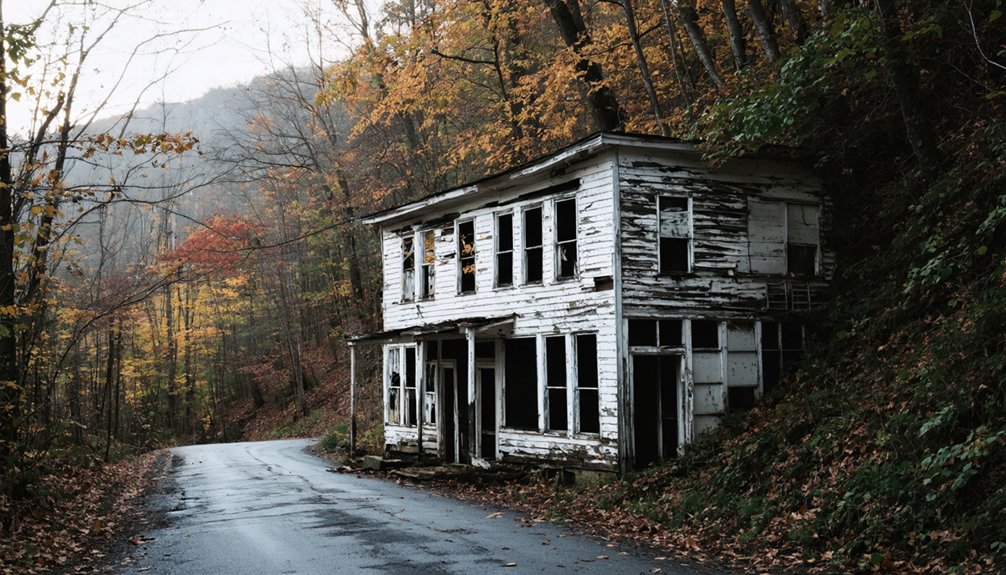
Nestled in the coalfields of southern West Virginia, Pearlytown is one of dozens of ghost towns born from the region’s boom-and-bust coal mining economy. Like many settlements scattered across the mountain ranges of southern West Virginia, it thrived when coal seams were productive and fell silent once those resources ran dry.
What remains is a site rich in historical preservation, offering you a rare, unfiltered glimpse into the lives of miners and families who once called it home. You’ll find community nostalgia woven into every weathered structure and overgrown street.
Pearlytown isn’t just an abandoned place — it’s a tangible piece of West Virginia’s industrial heritage, telling a story of ambition, labor, and inevitable change that shaped the entire region’s socioeconomic identity.
Where Is Pearlytown Located?
Pearlytown sits tucked away in the rugged mountains of southern West Virginia, a region historically rich with coal seams and the communities that once thrived around them.
You’ll find the area surrounded by landmarks that reflect the state’s deep mining heritage, making it a natural stop on any ghost town road trip through the region.
Getting there requires some planning, so you’ll want to map your route carefully before heading out.
Pearlytown’s Geographic Location
Located in southern West Virginia, Pearlytown sits among the mountain ranges where coal seams once drove entire communities to life. You’ll find this ghost town nestled within a region that saw explosive growth during coal’s heyday, only to face dramatic decline once those seams ran dry.
The economic impacts of that boom-and-bust cycle are still visible across the landscape today. Southern West Virginia holds dozens of abandoned mining settlements just like Pearlytown, each one a monument to how completely a single industry can shape — and ultimately reshape — an entire region.
Historical preservation efforts make places like Pearlytown worth seeking out. When you visit, you’re stepping into a geography that tells an honest story about resource dependence, community resilience, and the lasting marks that industry leaves behind.
Nearby Landmarks And Access
Tucked into the coalfields of southern West Virginia, Pearlytown shares the region with Thurmond, one of the area’s most documented ghost towns and now part of New River Gorge National Park. Thurmond’s Historic District sits within the park and offers free admission, a visitor center open daily from 10 am to 5 pm between June and August, and self-guided walking tours you can download online.
It’s a prime example of historical preservation done right. While community redevelopment never reclaimed Pearlytown the way it did Thurmond, exploring both sites together gives you a fuller picture of the region’s coal mining legacy.
The visitor center address is 254 River Crest Road, Thurmond, WV 25936 — a solid anchor point for planning your road trip through southern West Virginia’s ghost town corridor.
How Did Coal Mining Build and Abandon Pearlytown?
Like so many towns scattered across southern West Virginia’s mountain ranges, Pearlytown owes both its birth and its death to coal. When miners discovered a productive seam nearby, the settlement grew quickly — housing, commerce, and community all rising in coal’s shadow.
Coal gave Pearlytown its first breath — and, when the seams ran dry, its last.
The mining history here mirrors a pattern repeated across dozens of West Virginia communities: rapid growth fueled by resource extraction, followed by swift abandonment once the seam ran dry.
That economic decline wasn’t unique to Pearlytown, but it was absolute. When the coal disappeared, so did the jobs, the families, and eventually the town itself.
What you’ll find today is a quiet remnant of that cycle — a tangible reminder of how completely a single industry can both build and erase a place.
How Do You Get to Pearlytown?
To reach Pearlytown, you’ll navigate the winding back roads of southern West Virginia, where rugged mountain terrain shapes every twist and turn of your journey.
Along the way, you’ll pass through notable landmarks that echo the region’s rich coal mining heritage, giving you a preview of the history waiting at your destination.
Once you arrive, you’ll find designated parking areas and trail access points that make exploring the ghost town both manageable and rewarding.
Driving Routes To Pearlytown
Reaching Pearlytown requires traversing the winding back roads that snake through the mountains of southern West Virginia, but the drive itself is half the adventure. You’ll navigate narrow two-lane highways flanked by dense hardwood forests, with occasional glimpses of abandoned mining infrastructure reminding you that mining history shaped every hollow and ridge you pass through.
From Charleston, head south on Route 119 toward Logan County, then follow local roads deeper into the coalfields. Your GPS may struggle in these remote areas, so download offline maps before you leave.
Ghost town preservation efforts have kept some access roads maintained, but others demand a vehicle with decent clearance. Give yourself extra time, embrace the isolation, and let the landscape tell its story before you even arrive.
Nearby Landmarks Along The Way
As you wind your way through the coalfields toward Pearlytown, several landmarks mark your progress and give context to the landscape you’re passing through. New River Gorge National Park anchors the region, offering stunning natural scenery alongside powerful reminders of the coal industry’s community legacy.
Thurmond’s Historic District sits nearby, where historical preservation efforts have kept a once-thriving mining town accessible to curious travelers. You’ll spot weathered company structures, old rail lines, and hillside communities that quietly tell the region’s story.
Each landmark reinforces just how dramatically the boom-and-bust cycle reshaped this land. Stop at Thurmond’s visitor center on River Crest Road to grab a self-guided walking tour before continuing toward Pearlytown—it’ll sharpen your eye for what you’ll encounter ahead.
Parking And Trail Access
Getting to Pearlytown requires a bit of planning, but the journey itself sets the tone for what you’ll find there. You’ll want to park along the main access road, as no formal lot exists, so leave enough shoulder room for other travelers passing through.
From your vehicle, a short trail winds into the remnants of the settlement, where historical preservation efforts have kept key structures visible and accessible. Watch your footing — the terrain shifts quickly, and overgrowth reclaims space fast.
Community redevelopment hasn’t reshaped this area, which means you’re walking into something raw and largely untouched. That’s exactly the appeal. No entry fees, no guided tours required — just your curiosity and a willingness to explore on your own terms.
What’s Left To See at Pearlytown Today?
Pearlytown may be a shadow of its former self, but there’s still plenty to capture your curiosity when you arrive. You’ll find crumbling foundations, scattered structural remnants, and overgrown lots that once held homes, company stores, and mining infrastructure.
Historical preservation efforts have kept select elements intact, giving you a tangible connection to the coal boom era that shaped this region.
As you explore, you’ll notice the landscape telling its own story — rusted equipment, stone chimneys standing alone, and pathways worn by generations of miners.
Local legends surrounding Pearlytown add another layer to your visit, with stories passed down about the lives once lived here.
Bring a camera, wear sturdy shoes, and take your time absorbing what remains of this forgotten West Virginia community.
When Is the Best Time To Visit?
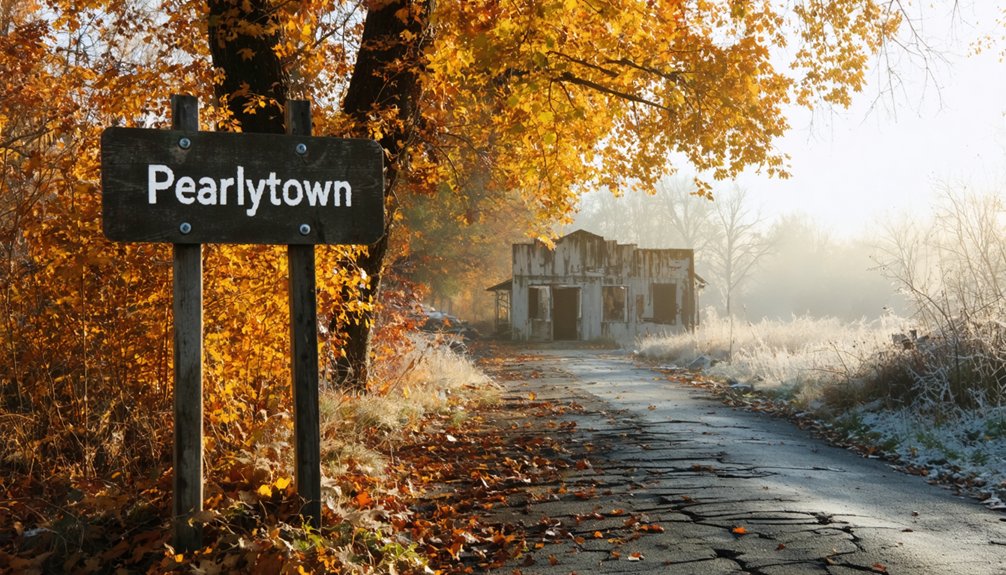
Late spring through early fall is your best window for exploring Pearlytown, when mild temperatures and longer daylight hours give you the most comfortable conditions for traversing uneven terrain and overgrown paths.
Seasonal weather in winter brings harsh conditions that make steering through the site genuinely difficult and potentially dangerous.
Plan your visit between May and October for the clearest skies and the most accessible trails.
Summer mornings offer cooler temperatures before afternoon heat sets in, making early arrival your smartest strategy.
Autumn delivers stunning foliage that frames the remaining structures beautifully, adding visual context to your historical preservation experience.
Avoid visiting after heavy rainfall regardless of season, as wet ground destabilizes already fragile surfaces.
Always check local forecasts before heading out and pack layers, since mountain temperatures shift quickly.
What Should You Pack for a Ghost Town Visit?
Since Pearlytown’s terrain is uneven and its structures are fragile, what you carry can make or break your visit. Wear sturdy, closed-toe shoes that handle rough ground confidently. Bring water, sunscreen, and a basic first aid kit — comfort keeps your focus sharp.
A camera helps you document the cultural significance of what you’re witnessing, capturing details that words alone can’t preserve. Pack a notebook to record observations, dates, and architectural features you notice along the way.
Respect historical preservation by leaving everything exactly as you find it — resist the urge to pocket artifacts or disturb crumbling walls. Gloves protect your hands if you’re *orienteering* debris.
Keep your group small, move carefully, and let curiosity guide you through this extraordinary, fragile landscape.
Other West Virginia Ghost Towns Worth Adding to Your Route
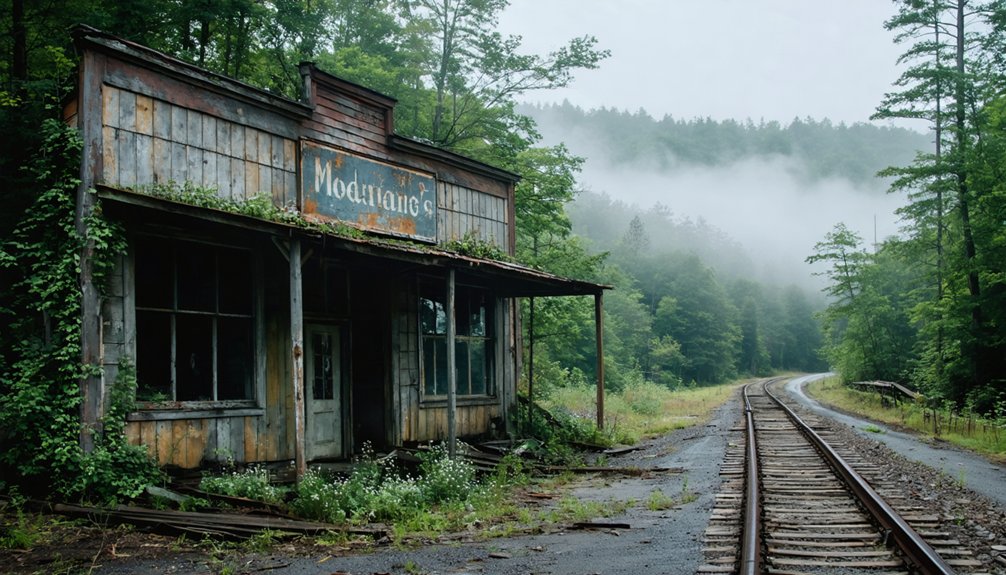
While Pearlytown deserves its spotlight, West Virginia’s southern coalfields hold dozens of abandoned mining towns equally worth your time. These sites carry deep historical preservation value and cultural significance you won’t find in any museum.
Pearlytown shines, but West Virginia’s southern coalfields hold dozens of abandoned mining towns equally worth your time.
Consider extending your route to include:
- Thurmond – Located within New River Gorge National Park, it’s free to enter and offers self-guided walking tours.
- Nuttallburg – A striking riverside coal operation frozen in time.
- Kaymoor – Accessible via hiking trails with remarkable industrial ruins.
- Red Ash – A quieter, less-visited settlement rich with atmosphere.
- Elverton – A compact former community reflecting the region’s boom-and-bust cycles.
Each stop deepens your understanding of how coal shaped and ultimately abandoned entire communities across West Virginia.
Frequently Asked Questions
Is There an Admission Fee to Visit Thurmond Historic District?
Over 8 ghost towns await you! You won’t pay admission to visit Thurmond Historic District — it’s free! Prioritize travel safety, capture stunning photography tips, and explore this hauntingly beautiful slice of West Virginia’s coal mining legacy freely.
What Are the Visitor Center Hours at New River Gorge National Park?
You’ll find the visitor center open daily from 10 am to 5 pm, June through August — perfect for exploring scenic viewpoints and catching wildlife sightings! In September, it’s open weekends only, so check online for updated hours.
How Many Abandoned Mining Ghost Towns Exist Throughout West Virginia?
Where there’s smoke, there’s fire! You’ll find dozens of abandoned mining ghost towns scattered throughout West Virginia. Ghost town preservation keeps mining history alive, and southern West Virginia alone holds an impressive concentration of these fascinating forgotten settlements.
Where Can Visitors Find a Self-Guided Walking Tour for Thurmond?
You’ll find Thurmond’s self-guided walking tour online, letting you freely explore its stunning historic architecture at your own pace. Don’t miss incredible photography opportunities throughout this fascinating National Park ghost town!
What Is the Mailing Address for the Thurmond Visitor Center?
Like a beacon calling history lovers, you’ll find the Thurmond Visitor Center, steeped in historical architecture and local legends, at 254 River Crest Road, Thurmond, WV 25936—your gateway to boundless exploration awaits!
References
- https://wvexplorer.com/ghost-towns-in-southern-west-virginia/
- https://www.caseybarber.com/thurmond-wv/
- https://en.wikipedia.org/wiki/List_of_ghost_towns_in_West_Virginia
- https://wvexplorer.com/2025/10/19/ghost-towns-in-southern-west-virginia/