Planning a road trip to Petroleopolis means stepping into California’s oil speculation past rather than its gold rush story. You’ll navigate unpaved roads with offline maps, pack extra water and fuel, and explore ruins reclaimed by desert silence. There are no crowds, no souvenir shops—just raw history and striking desert compositions waiting for your camera. Stay alert for rattlesnakes, crumbling walls, and extreme heat. Keep going to uncover everything you need for a safe, unforgettable visit.
Key Takeaways
- Petroleopolis is a California ghost town rooted in oil speculation, offering authentic desert solitude without crowds, managed attractions, or souvenir shops.
- Download offline maps before visiting, as poor cell coverage makes digital navigation unreliable on unmarked, unpaved roads with faded signage.
- Pack water, extra fuel, sturdy boots, sunscreen, a first aid kit, and a portable battery pack for safe desert exploration.
- Watch for rattlesnakes sheltering in rubble, crumbling walls, broken floors, and extreme heat that can create dangerous conditions rapidly.
- Preserve the site by avoiding artifact handling, refraining from carving on structures, and staying on established paths throughout your visit.
What Is Petroleopolis and Why Visit This Ghost Town?
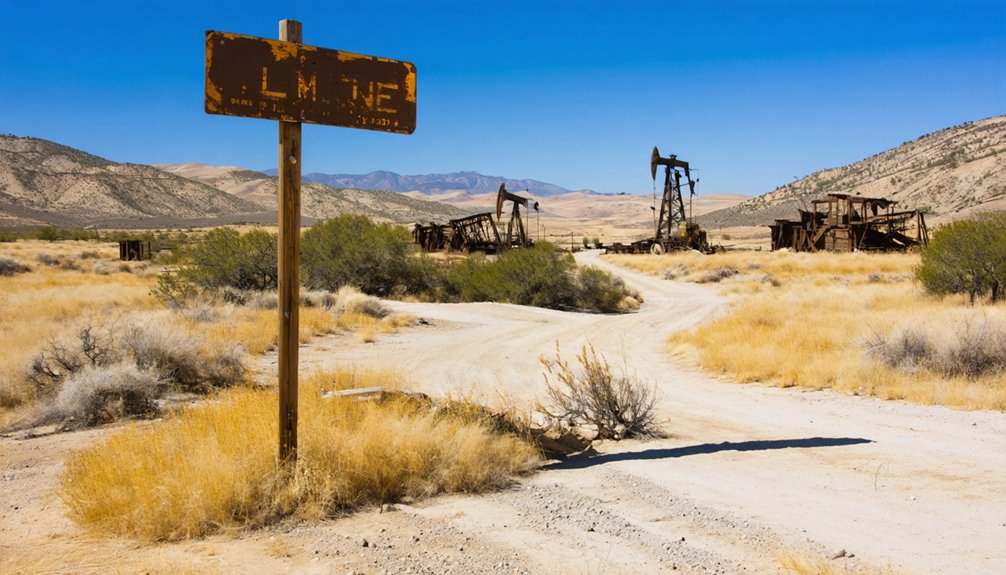
When most people picture a California ghost town, they imagine a Gold Rush-era mining camp with weathered saloons and rusted equipment—but Petroleopolis tells a different story. This desert remnant carries a distinct identity among California’s abandoned settlements, earning its place alongside evocative names like Rough and Ready and Eldoradoville.
Petroleopolis legends hint at speculative ambition that ultimately surrendered to isolation and resource failure—a pattern repeated across the frontier.
You’ll find this ghost town rewarding precisely because it escapes the tourist circuit. If you’re drawn to ghost town photography, the raw textures of crumbling foundations and reclaimed desert landscapes offer striking, unfiltered compositions.
Petroleopolis isn’t polished or packaged—it’s a place where vanished dreams still feel present, and that rawness is exactly what makes it worth the drive.
The Rise and Fall of Petroleopolis
When you trace Petroleopolis back to its origins, you find a settlement born from the same speculative fever that ignited dozens of California resource towns during the mid-to-late 1800s.
Like so many of its peers, it rode a sharp boom fueled by extraction promises, then collapsed just as quickly once those promises ran dry and fortune-seekers chased richer deposits elsewhere.
Today, the desert has steadily reclaimed what ambition once built, leaving only fragments where a hopeful community once stood.
Petroleopolis Origins Explained
Unlike the gold and silver camps that defined California’s frontier mythology, Petroleopolis staked its identity on something different — oil. Its Petroleopolis history begins with prospectors who believed petroleum-rich ground could rival any mining strike. They weren’t wrong to dream — oil shaped empires across the American West.
But extraction proved harder than speculation. When yields disappointed and capital dried up, the settlement emptied almost as fast as it filled. That pattern gives this place its ghost town significance — it shows how quickly ambition collapses without results.
Understanding its mining impact helps you appreciate what desert exploration actually uncovers: not just ruins, but the logic of risk and failure baked into California’s landscape.
Petroleopolis didn’t survive, but it still tells a story worth chasing.
Boom And Bust Cycle
Every boom town follows the same brutal script, and Petroleopolis was no exception. You’d have watched optimistic settlers flood the region, drawn by resource promises and the intoxicating pull of self-made fortune.
Economic fluctuations hit hard and fast — when extraction slowed, money dried up, businesses shuttered, and families scattered toward richer prospects elsewhere.
The societal impacts weren’t subtle. Communities that had built schools, saloons, and supply routes suddenly faced collapse.
Neighbors who’d shared hardship together dispersed overnight, leaving behind foundations, broken tools, and faded ambitions baked into the desert floor.
What you’re visiting today is that aftermath — the physical record of people who chased freedom, found it briefly, then lost it to forces beyond their control.
The desert doesn’t lie about what happened here.
Abandonment And Desert Reclamation
Scattered families and shuttered storefronts marked Petroleopolis’s final chapter, but abandonment wasn’t the ending — it was the beginning of something slower and quieter.
Once residents left, desert ecology moved in without hesitation. Wind carried soil across empty lots, roots cracked foundations, and sun-bleached wood surrendered to rot.
Abandonment patterns here followed a familiar frontier arc — boom, exhaustion, silence. What oil speculation built, the Mojave quietly dismantled.
When you visit today, you’re not just standing in a ghost town; you’re watching an active reclamation. The desert doesn’t preserve ruins — it digests them.
Foundations sink, walls lean, and scrub brush threads through what were once doorways. That slow erasure is part of what makes Petroleopolis feel so raw and worth the drive.
Why Petroleopolis Stands Apart From Better-Known Ghost Towns
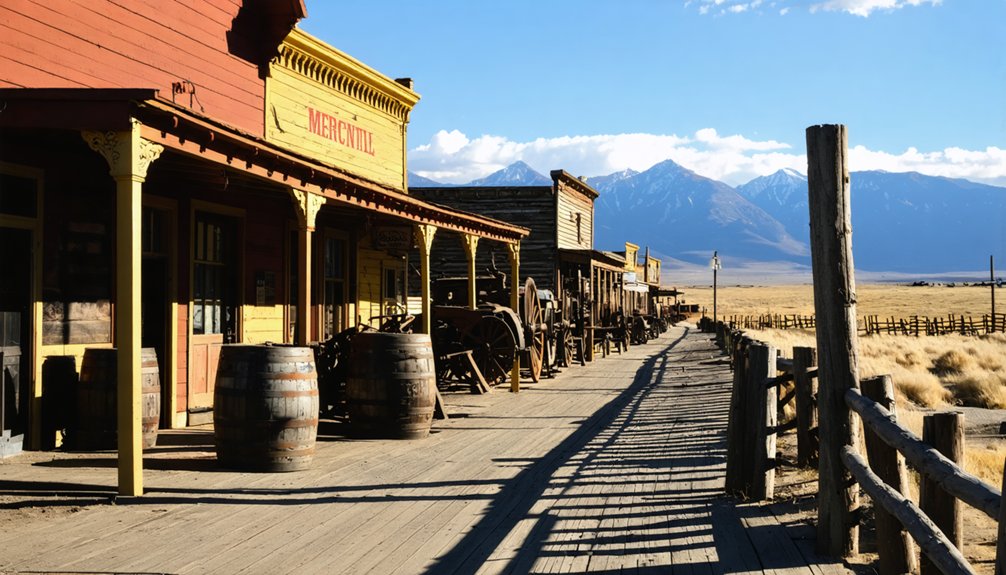
When you start comparing California ghost towns, most conversations quickly turn to Bodie or Calico — places shaped by gold and silver and polished by decades of tourism.
Petroleopolis sidesteps that familiar narrative entirely, offering an unconventional origin story rooted in oil speculation rather than precious metal fever.
Out here, you’ll find something harder to locate at the more celebrated sites: genuine desert silence, an almost forgotten location, and the raw sensation of standing somewhere that history simply left behind.
An Unconventional Origin Story
Most California ghost towns share a familiar origin story: a prospector strikes gold or silver, word spreads fast, a settlement explodes overnight, and the whole enterprise collapses once the ore runs out.
Petroleopolis breaks that mold entirely. Its name tells you everything — this wasn’t a gold camp chasing glittering veins through quartz. It rose from oil, an uncommon resource that drew a different breed of speculator to California’s landscape before petroleum became an industrial cornerstone.
That unique geology shaped not just what settlers hoped to extract, but how they built, who arrived, and why they eventually disappeared.
You’re not retracing a familiar Gold Rush footprint here. You’re following a stranger, quieter chapter of California’s frontier history — one most road-trippers never think to seek out.
Beyond Gold Rush Fame
California’s ghost-town circuit runs thick with Gold Rush legends — Bodie, Calico, Columbia — places that have been photographed, documented, and turned into day-trip staples for generations of curious travelers.
Petroleopolis isn’t competing with any of them, and that’s exactly what makes it worth your time.
While those famous sites draw crowds and parking fees, Petroleopolis legends carry a quieter, rawer energy.
You’re not walking through a managed attraction here. You’re stepping into a place that history largely forgot, where ghost town photography means capturing genuine isolation rather than posed nostalgia.
That freedom to explore without ropes, rangers, or souvenir shops is rare.
Petroleopolis offers something the polished ghost towns can’t — the unfiltered feeling of discovery, where the desert reclaims its own on its own terms.
Desert Silence And Isolation
There’s a particular kind of quiet that settles over Petroleopolis — not the comfortable silence of a park bench, but something wider and more indifferent, the kind that makes you aware of exactly how far you’re from anything familiar.
Desert echoes carry differently here. Wind moves through broken foundations without resistance, and the absence of crowds lets you actually feel the weight of what this place once was.
That solitude experience is exactly what separates Petroleopolis from better-known ghost towns crowded with tour buses and gift shops. You won’t find guardrails or guided pathways.
You’ll find open sky, crumbling edges, and the rare freedom of standing somewhere largely forgotten. It demands self-sufficiency — and rewards it with an authenticity that polished destinations simply can’t replicate.
How to Get to Petroleopolis Without Getting Lost
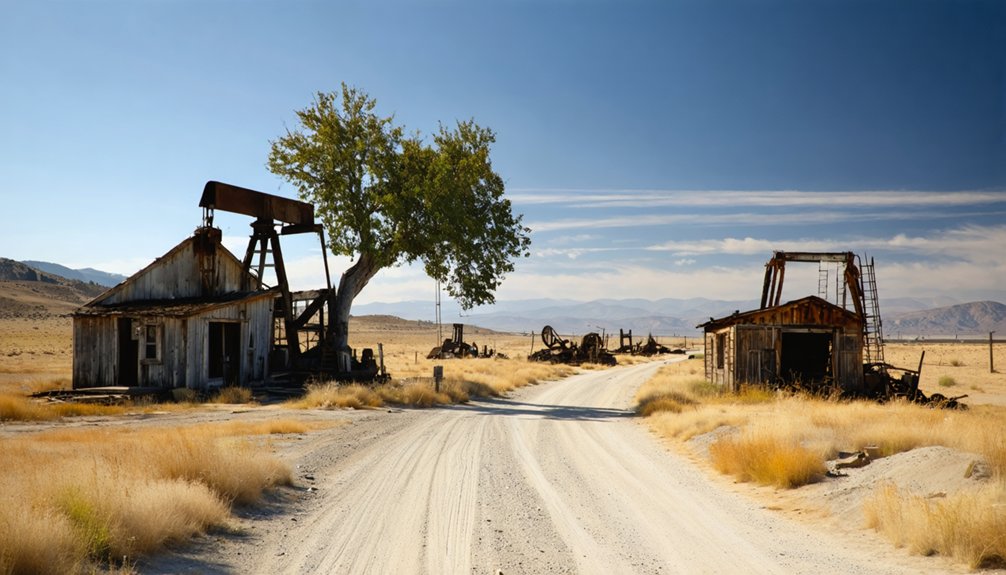
Getting to Petroleopolis isn’t as simple as punching an address into your phone’s GPS and coasting down a paved highway. Cell coverage drops fast once you push into remote desert terrain, so download offline maps before you leave civilization behind. Print a paper backup too.
Follow navigation tips from desert travel forums specific to the region, since road conditions shift seasonally and some routes become impassable after storms. Watch for unmarked turnoffs and faded signage.
Drive slowly on unpaved stretches, not just for your vehicle’s sake but because desert wildlife crosses without warning. Roadrunners, lizards, and rattlesnakes all share this landscape. Stay alert and keep your speed manageable.
Fuel up at the last confirmed station before heading out. Running empty here means a very long, hot wait.
The Ruins You’ll Actually Find at Petroleopolis
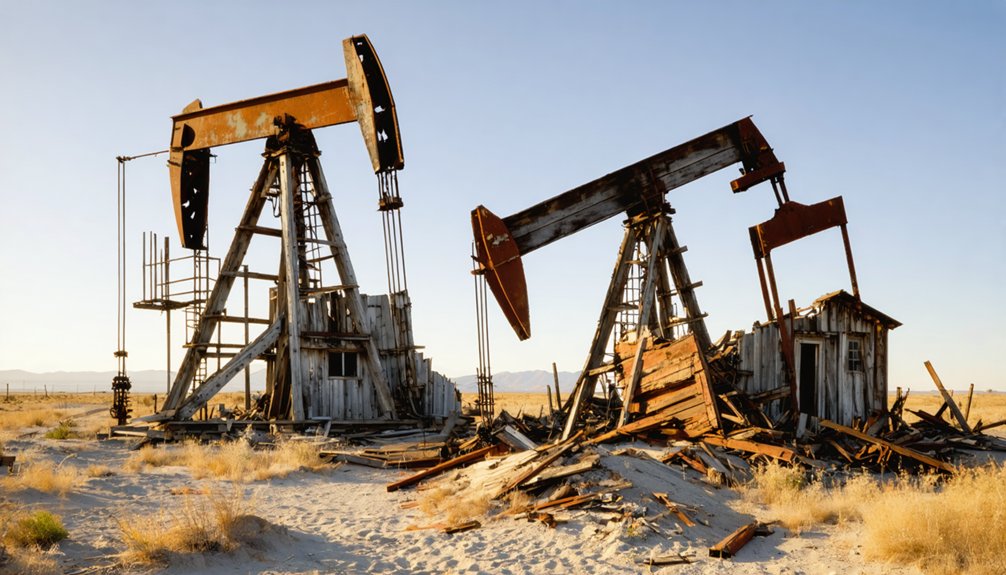
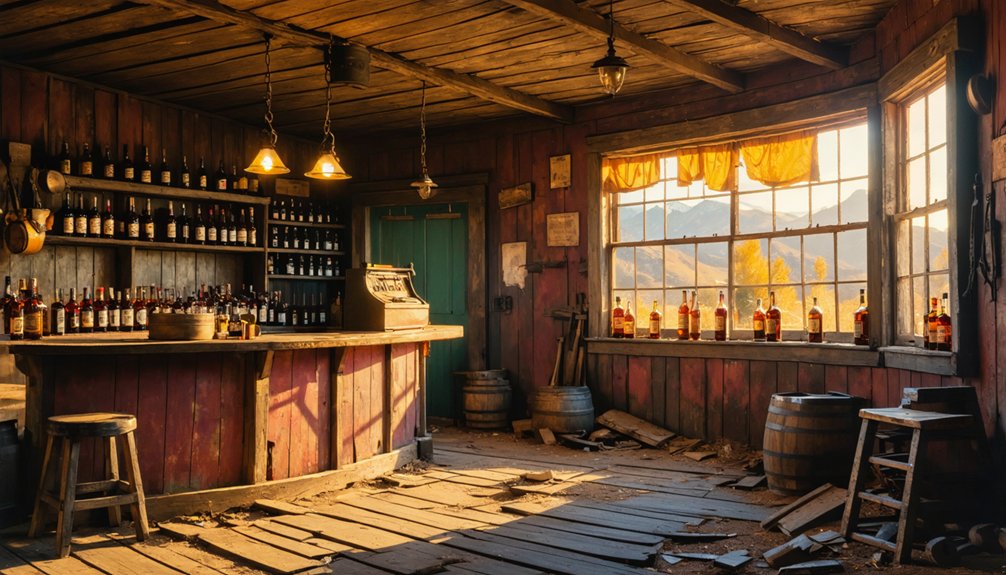
Once you step out of your vehicle at Petroleopolis, don’t expect a preserved frontier streetscape waiting to greet you. What remains are fragments — crumbled foundations, weather-stripped walls, and scattered remnants of abandoned structures slowly surrendering to the Mojave.
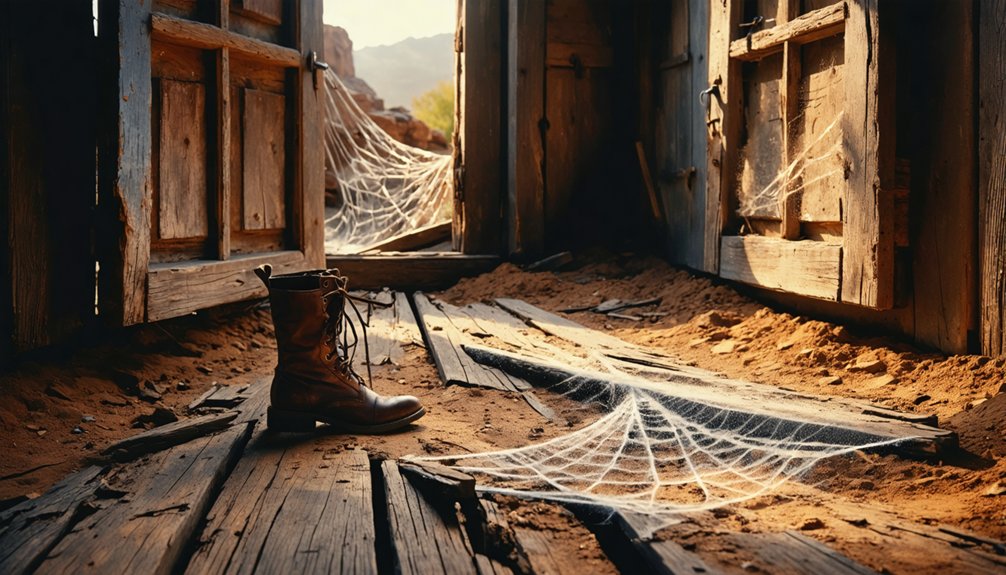
Desert vegetation threads through what were once streets, softening the outlines of vanished ambition. You’ll need to look carefully. The site rewards patient eyes, not casual glances. Erosion and time have reshaped nearly everything, and ongoing collapse means conditions shift between visits.
Watch for desert wildlife sharing the space — lizards threading through rubble, hawks circling overhead. The land has reclaimed Petroleopolis quietly but completely.
What you’re walking through isn’t ruin so much as dissolution, a settlement returning to the earth on its own terms.
Pack These Essentials Before You Leave
Seeing Petroleopolis clearly takes patience — and so does getting there safely.
Pack water well beyond what you think you’ll need — desert heat drains you fast. Bring extra fuel, since gas stations won’t appear on cue out here. Carry offline maps and a paper backup, because cell coverage disappears without warning.
Wear sturdy boots to navigate uneven ground and hidden debris safely. A first aid kit handles the unexpected, and a hat plus sunscreen protect you during extended ghost town photography sessions in open, shadeless ruins.
Watch for desert wildlife — rattlesnakes favor rocky edges and cool shadows near old foundations. A portable battery pack keeps your camera and phone alive.
Pack light, but pack smart — your freedom out here depends entirely on your preparation.
Petroleopolis Hazards You Need to Know Before You Go
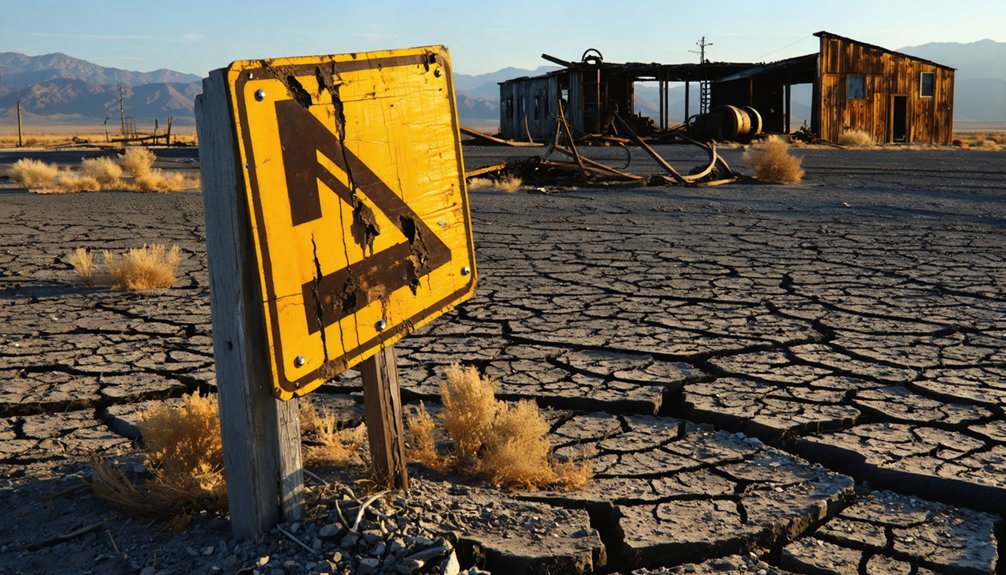
Petroleopolis doesn’t forgive careless visitors — the site carries real risks that go beyond a rough drive. Crumbling walls and broken floors can shift without warning, so you’ll want to step carefully through any remaining structures.
For ghost town photography, stay back from unstable facades that look solid but aren’t. Desert wildlife adds another layer of caution — rattlesnakes shelter in shadowed rubble and beneath flat stones, exactly where you’re tempted to crouch for a ground-level shot.
Extreme heat turns exposed ruins into dangerous environments within hours, especially without shade or airflow. Cell service likely won’t reach you here, so don’t count on calling for help.
Respect any posted boundaries, since the surrounding land may be privately managed. Know the risks before you step out of the car.
Walk the Ruins Without Wrecking Them
Every fragment left standing at Petroleopolis exists because enough people haven’t touched it yet. That’s the quiet contract of ghost town preservation — you get access because others before you showed restraint.
During your desert exploration, resist the urge to pocket artifacts, carve initials, or test whether a crumbling wall holds weight. It won’t, and your curiosity accelerates centuries of loss in seconds.
One thoughtless moment can undo what centuries carefully preserved. Leave the artifacts, the walls, and the site exactly as you found them.
Photograph everything. Touch almost nothing. Step around foundation edges rather than across them, and stay on established paths where the ground tells you it’s been walked before.
The freedom to roam places like Petroleopolis depends entirely on visitors who leave them intact. If you carry that responsibility honestly, the ruins stay open — for you, and for whoever arrives next.
Best Time of Year to Visit Petroleopolis
When you visit Petroleopolis matters almost as much as whether you visit at all. Desert heat can make midday exploration genuinely dangerous, so timing is everything.
Late fall through early spring offers the most manageable conditions, with cooler temperatures and softer light that makes photography and walking far more rewarding.
Spring brings a brief window when seasonal weather turns mild and desert flora briefly blooms around the ruins, adding unexpected color to the desolation.
Summer visits are strongly discouraged. Temperatures can push well past 100°F, and there’s no shade to speak of among the crumbling foundations.
Arrive early in the morning regardless of season. You’ll beat the heat, catch the best light, and experience the silence that makes ghost towns like Petroleopolis genuinely worth the drive.
Frequently Asked Questions
Is There an Entrance Fee or Permit Required to Visit Petroleopolis?
Before you chase Petroleopolis’s vanished dreams, know that confirmed entrance requirements aren’t documented. You’ll want to verify access locally, respect private boundaries near this site of historical significance, and always check posted restrictions before exploring.
Are Dogs or Pets Allowed When Exploring Petroleopolis Ruins?
No confirmed pet-friendly policies exist for Petroleopolis, but if you bring your dog, prioritize pet safety by keeping them leashed, hydrated, and away from unstable ruins, venomous snakes, and scorching desert terrain.
Can You Camp Overnight Near the Petroleopolis Ghost Town Site?
You’ll need to research camping regulations before sleeping near Petroleopolis, as rules vary by land ownership. Scout nearby campsites in advance, pack self-sufficiently, and embrace the raw freedom of waking beneath a vast desert sky.
Is Petroleopolis Accessible to Visitors With Limited Mobility?
Petroleopolis isn’t ideal for wheelchair accessibility, as you’ll navigate unpaved terrain, uneven ground, and rugged desert conditions. Visitor accommodations are virtually nonexistent here, so you’ll want to carefully assess your mobility needs before venturing out.
Are Guided Tours of Petroleopolis Available Through Any Local Operators?
“Don’t go it alone” — yet you’ll find no established guided tour options or local tour operators specifically serving Petroleopolis. You’re blazing your own trail here, so research independent desert guides beforehand for a safer adventure.
References
- https://dornsife.usc.edu/magazine/echoes-in-the-dust/
- https://www.atlasobscura.com/places/metropolis-ghost-town
- https://en.wikipedia.org/wiki/Metropolis
- https://www.roadsideamerica.com/tip/9928
- https://www.youtube.com/watch?v=OFwRSVco7c4
- https://www.facebook.com/groups/678327469030657/posts/2335031296693591/
- https://www.beckirobins.com/blog/how-metropolis-lost-the-west/
- https://www.instagram.com/p/DQF-CflEZ_t/
- https://www.wired.com/story/california-ghost-metropolis-gallery/
- https://www.reddit.com/r/AbandonedPorn/comments/1ad93br/the_ghost_town_of_metropolis_nevada_shut_down/