Planning a ghost town road trip to Politana means visiting one of California’s most historically erased places. You won’t find crumbling saloons or mine shafts here — Politana’s haunting quality comes from what’s been forgotten. It was California’s first Spanish settlement in the San Bernardino Valley, built on Indigenous Guachama land. Today, a Greek Orthodox church marks the site near Colton Avenue. Pair it with Calico or Shasta for a fuller California heritage trail, and there’s much more to uncover.
Key Takeaways
- Politana sits near Colton Avenue in San Bernardino, southwest of Inland Center Mall, marked today by St. Prophet Elias Greek Orthodox Church.
- Unlike typical ghost towns, Politana’s significance lies in historical erasure as California’s first Spanish settlement in the San Bernardino Valley.
- No original structures, markers, or guided tours exist, so researching the site’s Indigenous, Spanish, and New Mexican history beforehand is essential.
- The site honors layered cultural history involving Guachama Indians, Mission San Gabriel missionaries, New Mexican colonists, and Cahuilla people.
- Pair Politana with Calico Ghost Town, Forest City, or Shasta State Historic Park to build a well-rounded California heritage road trip.
What Is Politana and Why Does It Count as a Ghost Town?
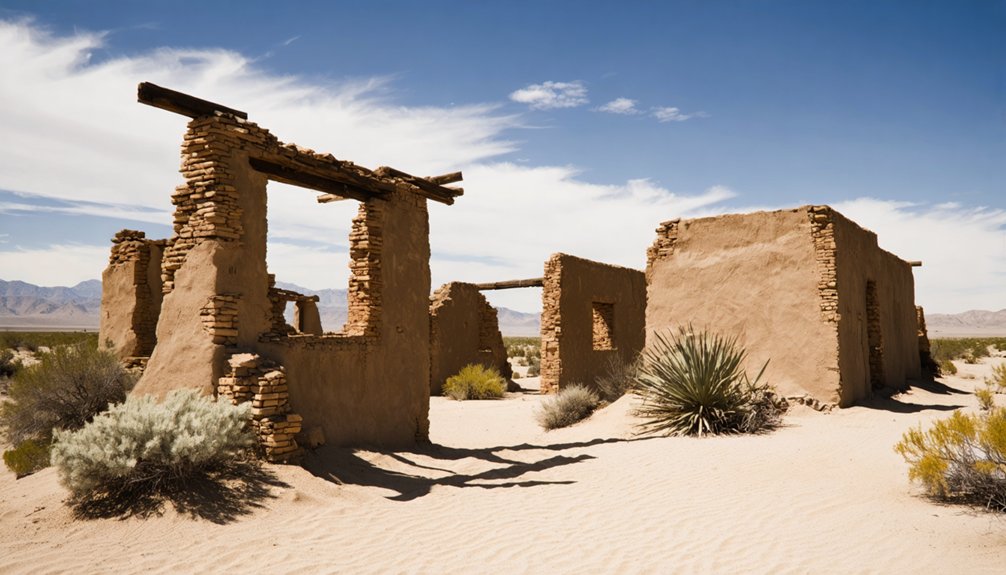
Although it lacks the crumbling mine shafts and dusty saloons you’d expect, Politana earns its ghost-town status through sheer historical erasure. Once California’s first Spanish settlement in the San Bernardino Valley, it began as a mission chapel and supply station tied to Mission San Gabriel, built on a Guachama Indian rancheria near Bunker Hill.
You won’t find a preserved townsite waiting for you. Instead, its cultural significance lives beneath modern development, its layers of Indigenous, New Mexican, and Cahuilla history quietly buried under suburban San Bernardino.
That erasure is exactly what makes historical preservation here so urgent. Visiting forces you to reckon with a colonial past that shaped inland Southern California long before gold rushes and railroad towns dominated the state’s frontier story.
Who Lived at Politana: Indigenous, Colonial, and New Mexican Settlers?
Before a single Spanish chapel rose from the valley floor, the Guachama Indians had already made this land their home. Their native traditions shaped the rhythms of daily life along Lytle Creek long before colonial influences arrived.
When Mission San Gabriel extended its reach inland, Spanish missionaries established a chapel and supply station directly on the Guachama rancheria, layering colonial structure over Indigenous ground.
You’ll also find New Mexican colonists woven into Politana’s story, settlers who pushed into the San Bernardino Valley seeking new opportunities.
Cahuilla people later added another distinct cultural thread to the site.
This layered history sets Politana apart from typical ghost towns. You’re not visiting a single abandoned era here — you’re standing where multiple worlds collided, coexisted, and eventually dissolved.
How To Find Politana’s Site in San Bernardino Today
That layered past doesn’t vanish — it just requires some modern navigation to find. Politana’s site sits in San Bernardino near Colton Avenue, just southwest of Inland Center Mall, where St. Prophet Elias Greek Orthodox Church now stands.
The cultural significance of this ground rarely announces itself, so you’ll need to arrive with intention.
Before you go, keep these realities in mind:
- No historical markers guarantee you’ll feel the weight of what happened here — that recognition comes from within
- Preservation efforts remain limited, meaning the land speaks quietly
- You’re standing where empires, missionaries, and displaced peoples all converged
Treat this stop as personal discovery rather than packaged tourism. Bring your curiosity, respect the surrounding community, and let the silence do the storytelling.
What Survives at Politana’s Site Now?
What survives at Politana’s site today isn’t a crumbling adobe wall or a weathered mission bell — it’s St. Prophet Elias Greek Orthodox Church, standing on Colton Avenue just southwest of Inland Center Mall. No original mission-era structures remain, and historic preservation efforts haven’t transformed this spot into a curated attraction. You won’t find interpretive signs or guided tours competing for your attention.
What you’ll find is a layered piece of California’s earliest inland colonial history hiding in plain sight within a modern neighborhood. Unlike polished tourist attractions such as Calico Ghost Town, Politana rewards the curious traveler who does their homework first.
Come with context, explore freely, and you’ll experience something most road-trippers completely overlook — a genuine founding site of the San Bernardino Valley.
Which Ghost Towns Belong on the Same Route as Politana?
Pairing Politana with the right stops transforms a single historical detour into a full California ghost-town itinerary worth the drive. Two standout additions give you range, contrast, and genuine discovery:
- Calico Ghost Town lets you walk through preserved mining relics, explore tunnels, and use solid visitor facilities in the Mojave Desert — a sharp contrast to Politana’s quiet mission-era footprint.
- Forest City strips away modern comfort entirely — no groceries, no cell service, no postal routes — leaving only raw Gold Rush atmosphere and weathered buildings.
- Shasta State Historic Park anchors the northern end of the route, offering brick ruins and interpretive history that bookend Politana’s Spanish colonial story beautifully.
Together, these stops create a layered California heritage trail spanning Indigenous roots, Spanish colonization, and mining-era ambition.
Before You Go: Safety at Abandoned Sites
Ghost town structures have stood without maintenance for decades. Floors, stairs and roof timbers fail without warning, and a building that looks solid from outside may not hold your weight. Stay out of standing structures unless the site is actively maintained and open to visitors.
Mine workings are the more serious hazard. Vertical shafts can be hundreds of feet deep, are often unfenced, and may be hidden by brush or capped with rotted boards. Never enter an adit, tunnel or shaft: abandoned workings can hold oxygen-poor or toxic air that gives no warning before you lose consciousness.
Enclosed spaces with rodent droppings carry a risk of hantavirus, which is contracted by breathing contaminated dust. Do not sweep or stir up dust inside old cabins and outbuildings.
Cell coverage at these sites is usually poor or absent. Tell someone your route and expected return time, and carry more water than you think you need.
Frequently Asked Questions
Is There an Entrance Fee to Visit Politana’s Historic Site?
No entrance fee awaits you! You’ll freely explore Politana’s historic site, embracing historical preservation at no cost. Keep your eyes open for wildlife observation opportunities as you roam this ancient, layered landscape.
What Is the Best Time of Year to Visit Politana?
Spring and fall offer you the best seasonal weather for exploring Politana — you’ll enjoy mild temperatures and lower crowd levels, giving you the freedom to soak in the site’s layered mission-era history at your own pace.
How Long Should Travelers Budget for a Politana Stop?
Budget about 1–2 hours for your Politana stop. You’ll explore its historical preservation layers, soak in local legends of Spanish settlers and Indigenous peoples, then freely continue your ghost-town adventure feeling genuinely enriched.
Are Guided Tours of Politana’s Site Available for Visitors?
You won’t find official guided tours here, but you’re free to explore independently. Capture ghost stories through your lens with photography tips like shooting St. Prophet Elias Church at golden hour for dramatic, evocative shots.
Is Politana’s Site Accessible for Visitors With Mobility Limitations?
Over 26% of U.S. adults live with a disability. Accessibility concerns are real here — Politana lacks formal mobility accommodations, so you’ll navigate uneven terrain independently. Plan ahead and embrace the adventurous freedom this raw, historic site offers.
References
- https://en.wikipedia.org/wiki/List_of_ghost_towns_in_California
- https://www.visitcalifornia.com/road-trips/ghost-towns/
- https://www.youtube.com/watch?v=ElbXVNDurPc
- http://www.maps.eshikshya.org/kiwix/content/wikipedia_en_all_maxi_2023-05/A/Politana
- https://en.wikipedia.org/wiki/Pioneer_Point
- https://en.wikipedia.org/wiki/Calico