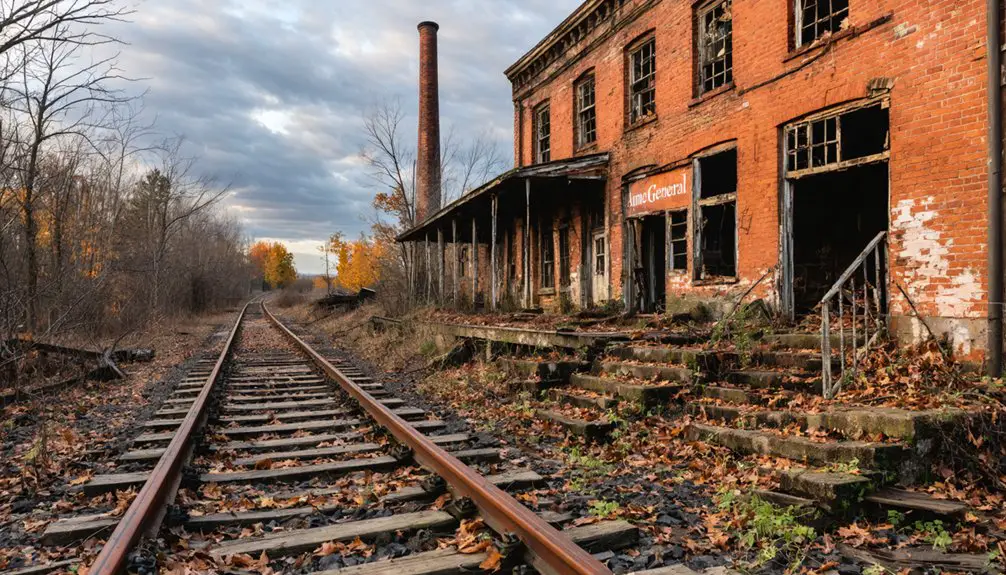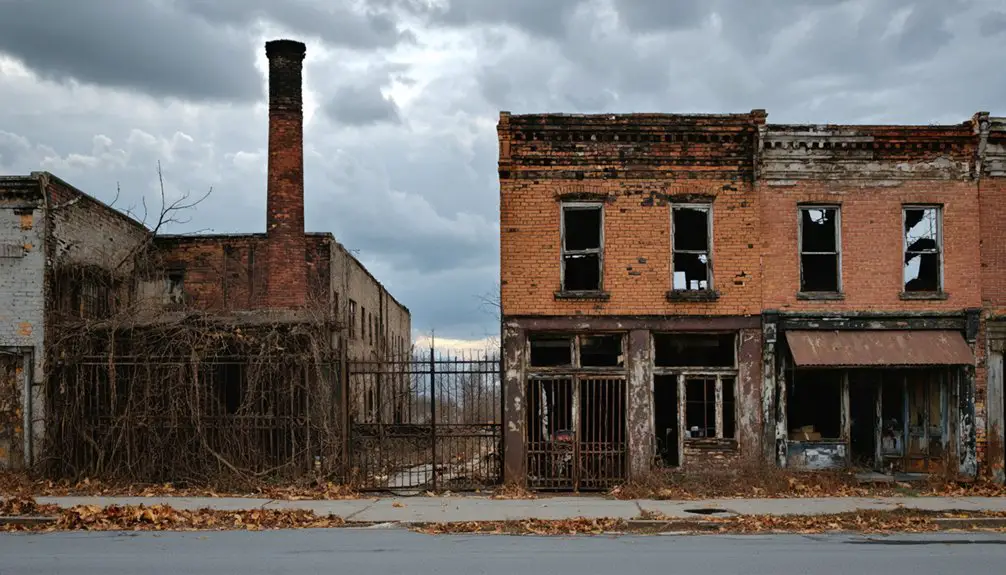
Planning a ghost town road trip to Sligo in Harrison Township, Allegheny County, PA, means stepping into Pennsylvania’s raw industrial past. This quiet, unincorporated village has largely faded from maps, leaving behind weathered landscapes and local legends that tell a boom-and-bust story. You’ll want to research land ownership, road conditions, and access routes before heading out. Keep your expectations flexible and your curiosity sharp — there’s plenty more to uncover about making this trip worthwhile.
Key Takeaways
- Sligo is an unincorporated ghost town in Allegheny County, PA, offering an authentic, unpolished post-industrial heritage experience for road trip enthusiasts.
- Treat Sligo as an exploratory stop rather than a confirmed destination, managing expectations since surviving structures and landmarks are sparse or unverified.
- Carry physical maps, as rural areas have unreliable digital coverage; confirm routes and identify alternative paths before departing.
- Verify land ownership and property boundaries beforehand, since trespassing laws still apply and contacting local historical societies is strongly recommended.
- Prepare for unpaved, rough, or seasonal roads, unstable terrain, and limited remains that reflect Pennsylvania’s industrial boom-and-bust history.
What Is Sligo in Harrison Township, Allegheny County
Tucked inside Harrison Township in Allegheny County, Pennsylvania, Sligo is an unincorporated village that’s largely faded from the map — earning it a spot on Pennsylvania’s ghost-town listings. Unlike its namesake borough in Clarion County, this Sligo carries no bustling population or municipal structure. It exists now as a quiet remnant, a place where local legends likely outlast any surviving infrastructure.
Documentation is sparse, which means you’re stepping into territory that rewards curiosity over convenience. Formal preservation efforts appear minimal, leaving the site raw and unpolished compared to more tourist-ready ghost towns.
For independent travelers who prefer discovering places on their own terms, that’s actually the appeal. Sligo offers a historically grounded waypoint — one that invites exploration without scripted experiences or crowds shaping your visit.
Why Sligo Belongs on a Pennsylvania Ghost Town Road Trip
Sligo earns its place on a Pennsylvania ghost town road trip because it carries a confirmed ghost town listing, tying it directly to the state’s broader pattern of abandoned industrial communities.
You’ll find that its location in Harrison Township, Allegheny County puts it squarely within western Pennsylvania’s post-industrial landscape, making it a natural fit alongside better-known stops like Centralia and Yellow Dog Village.
Its quiet, under-documented character actually adds value to your itinerary, offering a raw, unpolished waypoint rooted in authentic regional heritage rather than packaged tourism.
Documented Ghost Town Status
While many Pennsylvania ghost towns fade quietly from the map without formal recognition, Sligo in Harrison Township, Allegheny County has a confirmed ghost-town listing in Pennsylvania ghost-town compilations. That designation matters when you’re planning a road trip built on real history rather than rumor.
You won’t find polished visitor centers or organized preservation efforts here. What you’ll find is a place that researchers and ghost-town enthusiasts have formally catalogued alongside other abandoned Pennsylvania settlements. That listing gives Sligo legitimacy as a stop worth investigating.
Local legends may still linger among longtime Harrison Township residents, offering context that written records don’t capture. For travelers who want freedom to explore beyond the tourist trail, Sligo’s documented status makes it a credible, if quietly mysterious, waypoint on your western Pennsylvania itinerary.
Industrial Heritage Connection
Pennsylvania’s ghost towns didn’t hollow out by accident—industrial boom-and-bust cycles shaped nearly every abandoned settlement in the region, and Sligo in Harrison Township is no exception to that pattern. When industries contracted, communities like Sligo lost their economic footing and quietly faded.
Today, that industrial heritage gives you a compelling reason to include it on your road trip route. You’re not just passing through an empty spot on the map—you’re standing inside a broader story of western Pennsylvania’s rise and decline.
Local legends often fill the gaps where written records fall short, and abandoned structures, even weathered ones, carry that history visibly. Sligo connects you to a raw, unpolished chapter of regional identity that more commercialized destinations simply can’t replicate.
Western Pennsylvania Road Trip Fit
When you’re plotting a western Pennsylvania ghost town road trip, Sligo in Harrison Township fits naturally into the route alongside heavier-hitters like Centralia and Yellow Dog Village. Each stop tells a different chapter of regional decline, and Sligo offers the quieter, less-scripted version. You won’t find crowds or guided tours here, just open space and the kind of atmosphere that invites your own interpretation. That freedom makes it valuable.
Cultural preservation doesn’t always mean polished museums; sometimes it means standing in a place where local legends once lived and letting the landscape speak. Pair Sligo with better-documented sites to build a complete itinerary, and you’ll cover both the well-known industrial collapse stories and the smaller, easily overlooked corners that give western Pennsylvania its full character.
Getting to Sligo: What to Research Before You Drive Out
Before you load up the car and head toward Harrison Township, do your homework—because Sligo doesn’t come with a visitor center or a well-marked trail leading you to its front door. This ghost town rewards curious, self-directed travelers who treat research as part of the adventure.
Pull up county maps, cross-reference township records, and dig into local legends tied to Allegheny County’s industrial past. Urban exploration of a site this sparsely documented means you’re orienting yourself on instinct and preparation, not signage.
Confirm road access, check seasonal conditions, and understand that trespassing laws still apply even when a place looks forgotten. Reach out to local historical societies before you go—they often hold details that no search result surfaces.
Preparation separates a meaningful trip from a wasted drive.
What Survives at Sligo: and What Doesn’t
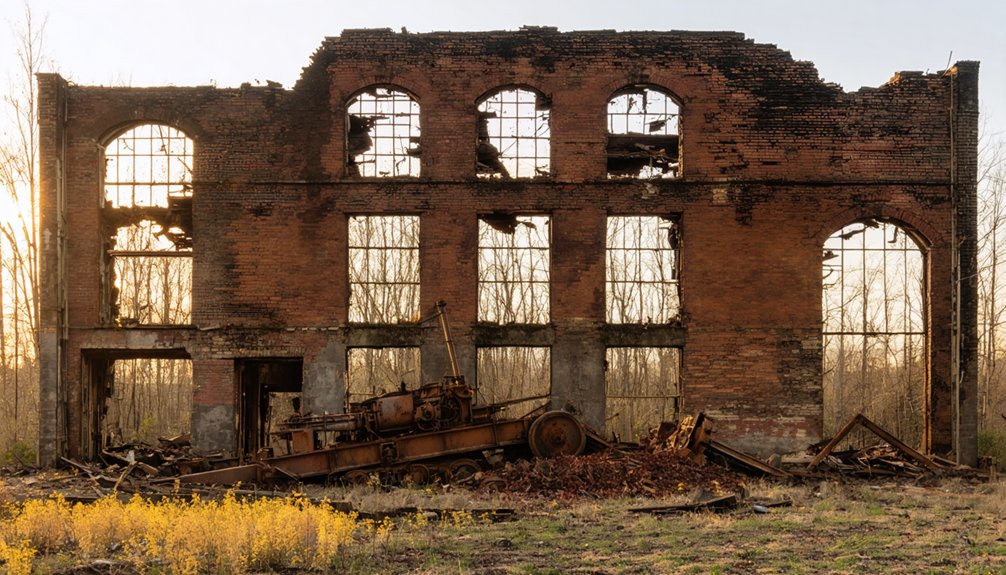
Once you’ve done the research and made the drive, the honest question becomes: what’s actually there? The truthful answer is that documented surviving features for Sligo remain sparse. No verified landmarks, preserved structures, or confirmed visitor access points appear in current records.
What you’ll likely find is a quiet, diminished landscape shaped by decades of industrial decline.
That ambiguity isn’t necessarily a drawback. Ghost town travelers who value freedom over curated experiences often prefer sites exactly like this. You control the exploration.
Local legends tied to Harrison Township’s post-industrial past may surface when you connect with longtime residents nearby. The unscripted terrain also creates raw photographic opportunities that polished tourist sites simply can’t offer.
Treat Sligo as discovery rather than destination, and the uncertainty becomes part of the experience.
Sligo as Part of a Larger Pennsylvania Ghost Town Route
Sligo fits naturally into a broader western Pennsylvania ghost town circuit, and pairing it with better-documented sites gives your road trip a satisfying narrative arc.
Start with Centralia, where an underground mine fire has burned for decades, leaving cracked roads and eerie silence. Then swing through Yellow Dog Village in Armstrong County, where preserved structures and guided tours flesh out what industrial decline actually looked like.
Add Sligo as a quieter, less-scripted stop—a place where local legends linger without tourist infrastructure shaping the experience. Scenic detours through Allegheny County’s back roads connect these sites organically, letting the landscape tell its own story.
This layered approach transforms individual stops into a cohesive journey through Pennsylvania’s post-industrial past, rewarding curiosity without demanding a rigid itinerary.
Before You Go: Research, Access, and Safety Gaps to Know
Planning a ghost town visit sounds adventurous until you realize how little verified information exists for a place like Sligo. No confirmed access points, preserved structures, or safety assessments have been documented for this Harrison Township site. You’re stepping into genuinely uncharted territory.
Before you go, research local folklore through county historical societies and township records — they occasionally surface details that online databases miss. Don’t assume preservation efforts have secured any structures; ghost towns at this documentation level often have unstable or privately owned land.
Check property boundaries, road conditions, and seasonal access before committing to a route. Carry a physical map since rural Allegheny County coverage can be unreliable. Treat Sligo as an exploratory stop, not a confirmed destination, and you’ll manage expectations wisely.
Frequently Asked Questions
Is There a Parking Area or Designated Access Point Near Sligo?
You’ll find no confirmed parking facilities or designated access points for Sligo’s ghost town site, so you’re venturing into uncharted territory—embrace that freedom, but research local roads before you go!
What Is the Best Time of Year to Visit Sligo?
Spring and fall offer you the clearest skies, the most comfortable trails, and the safest conditions for historical preservation exploration. You’ll navigate Sligo’s terrain better, maintain visitor safety, and experience its ghost-town atmosphere most vividly during these seasons.
Are There Any Local Guides or Tours Available for Sligo?
No formal tours exist, but you’ll uncover Sligo’s local legends and historical preservation stories by connecting with Harrison Township residents and regional ghost-town enthusiasts who freely share their firsthand knowledge of this forgotten village.
Can You Camp Overnight Near the Sligo Ghost Town Site?
You won’t find confirmed campground options directly at Sligo’s ghost town site, but nearby Yellow Dog Village offers overnight stays. Always check overnight restrictions before pitching your tent and chasing Pennsylvania’s forgotten history.
Are Pets Allowed When Exploring the Sligo Ghost Town Area?
No confirmed animal restrictions exist for Sligo’s ghost town area, but you’ll want to prioritize pet safety by keeping your furry companion leashed while maneuvering unpredictable terrain and potentially hazardous abandoned structures throughout your exploration.
References
- https://www.youtube.com/watch?v=_u5MUuwynhw
- https://en.wikipedia.org/wiki/List_of_ghost_towns_in_Pennsylvania
- https://yellowdogvillage.com/
- https://www.facebook.com/groups/716483105065991/posts/4971020442945548/
- https://pabucketlist.com/the-rise-and-fall-of-centralia-pas-toxic-ghost-town/
- https://dcfs.developer.istanbul/Harrison_Township
- https://en.wikipedia.org/wiki/Sligo
- https://history.weld.gov/files/sharedassets/history/v/2/documents/county-150/weld-county-towns/sligo.pdf
- https://www.facebook.com/SalemOverTime/posts/i-went-out-and-got-really-chilly-for-you-all-this-morning-to-get-this-then-and-n/701294962139612/