Planning a ghost town road trip to Victory, Vermont means heading deep into Essex County’s winding backroads, starting in St. Johnsbury. With only 70 residents scattered across 43 square miles, Victory’s forgotten landscape whispers of its logging past. You’ll want offline maps, a full gas tank, and an emergency kit before you go. Each season transforms the experience differently, from peak fall foliage to eerie winter silence. There’s far more to uncover about this hauntingly remote destination.
Key Takeaways
- Start your journey in St. Johnsbury, filling up on gas and downloading offline maps before heading into Essex County’s signal-dead backroads.
- Victory spans 43 square miles with only 70 residents, offering a hauntingly tranquil ghost town atmosphere rooted in logging history.
- Fall provides the most rewarding visit, featuring peak foliage, while winter delivers eerie silence for adventurous travelers willing to brave heavy snow.
- Pack emergency essentials including jumper cables, blankets, water, food, and a first-aid kit, as services are virtually nonexistent near Victory.
- Share your planned route with someone trusted beforehand, since cell service is nearly absent and the nearest hospital is in St. Johnsbury.
What Makes Victory, Vermont a Ghost Town?
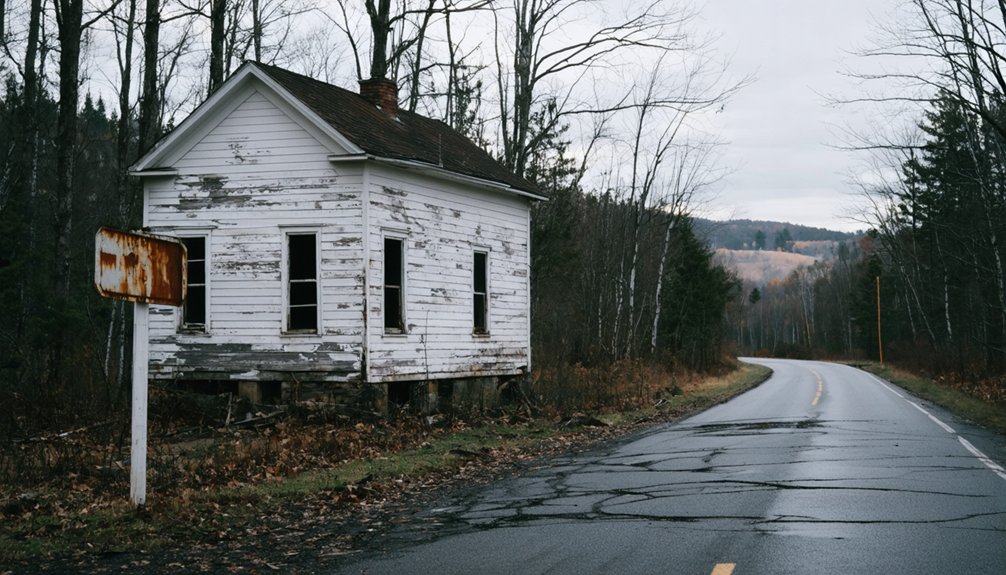
With only 70 residents spread across 43 square miles, Victory, Vermont barely qualifies as a living town. Its ghost town origins trace back to decades of feuding, economic decline, and rural isolation so severe that discussions about disbanding the town entirely have surfaced repeatedly.
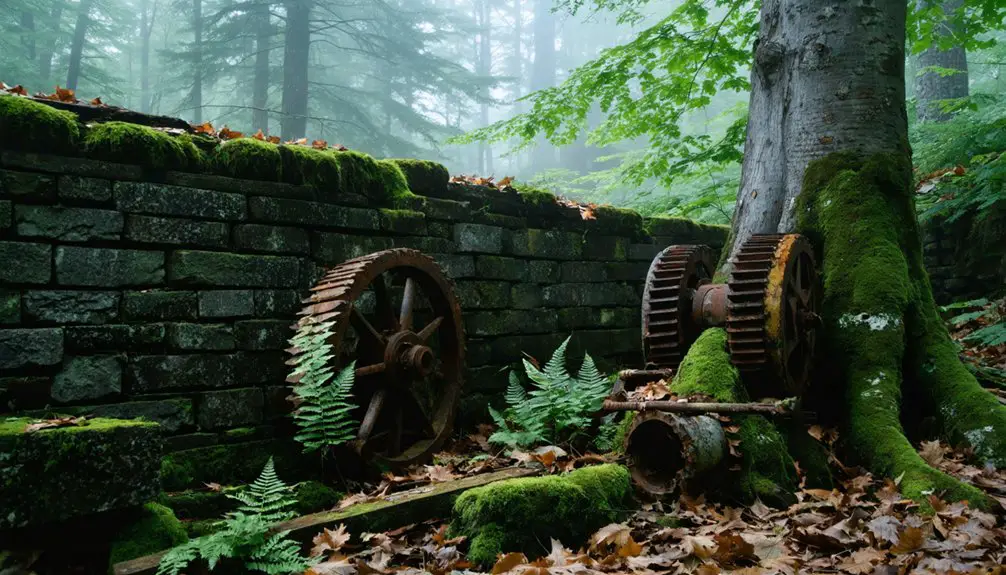
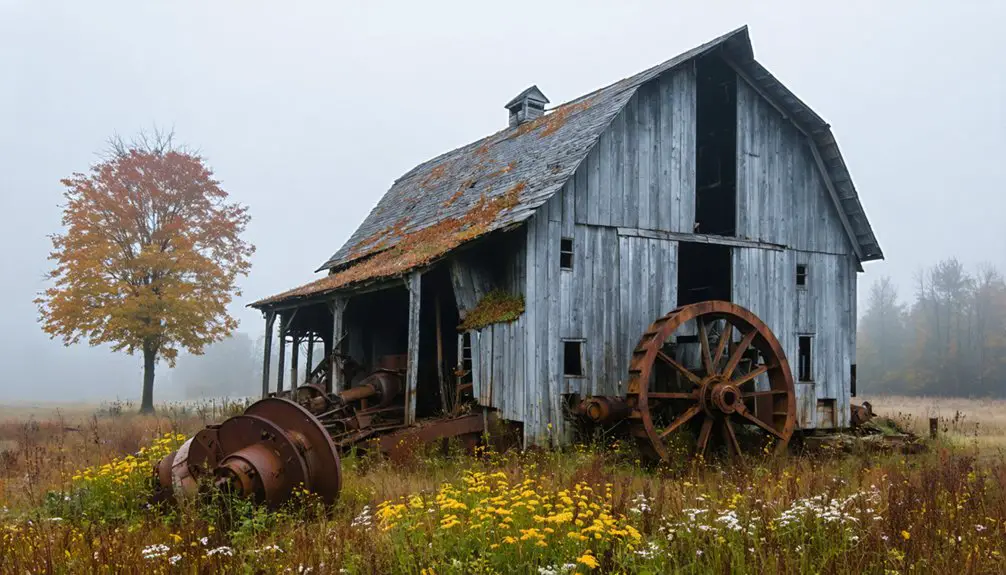
Victory’s logging industry once drove its economy, but that dried up by the 1940s, leaving behind forests, silence, and scattered remnants of a busier past.
The logging boom faded, leaving Victory with little more than dense forest and echoes of industry.
Today, you’ll find a population density of just 1.4 persons per square mile — numbers that make most maps feel almost dishonest.
If you crave off-the-grid landscapes and untamed freedom, Victory delivers exactly that. It’s not abandoned in the traditional sense, but it’s close enough to feel like stepping into a forgotten world.
What You’ll Actually Find in Victory Today?
What awaits you in Victory today isn’t much — and that’s precisely the point. Strip away modern noise, and you’ll discover raw, unfiltered Vermont wilderness. Forget crowded local attractions or packed community events — Victory offers something rarer: pure solitude.
Here’s what you’ll actually encounter:
- Dense forests stretching across 43 square miles of off-grid landscapes perfect for exploration.
- Logging history trails remnants from industries that shaped the town through the 1940s.
- Ghost town atmosphere with fewer than 70 residents scattered across remote terrain.
- Secluded backroads connecting you to St. Johnsbury when civilization calls.
You’re not visiting Victory for amenities — you’re visiting for freedom. Every quiet mile reminds you that some places stubbornly resist the modern world, and that resistance is absolutely worth experiencing.
How to Get to Victory, Vermont
Getting to Victory isn’t complicated, but it does demand commitment. Your Victory Access starts in St. Johnsbury, your primary launching point and home to Northeastern Vermont Regional Hospital if emergencies arise.
From there, head northeast through Essex County’s winding backroads, where Scenic Routes reward you with dense forest corridors and mountain vistas that feel genuinely untamed.
You won’t find interstates cutting through this territory. Instead, expect narrow two-lane roads threading through isolated landscapes averaging 1,100 feet elevation. GPS signals can be unreliable, so download offline maps before departing.
Victory sits at coordinates N 44° 31′ W 71° 51′, deep within 43 square miles of remote Vermont wilderness.
Pack fuel, supplies, and a sense of adventure — this isn’t a destination that meets you halfway.
Best Time to Visit Victory, Vermont on a Road Trip
If you’re planning a road trip to Victory, Vermont, you’ll want to time your visit carefully, as the town’s remote location makes weather a serious travel factor.
Summer and early fall offer the most accessible conditions, with warmer temperatures and clearer roads through the surrounding forests.
Winter travel can be treacherous on the isolated routes leading into this near-ghost town, so pack accordingly if you’re chasing that off-season, off-the-grid adventure.
Ideal Seasons To Visit
Victory, Vermont rewards road trippers differently depending on the season you choose to make the drive.
Each season unveils a different layer of this ghost town legend buried deep in rural isolation.
- Spring – Muddy backroads test your resolve, but blooming forests reveal the town’s quiet rebirth.
- Summer – Long daylight hours give you maximum time to explore secluded trails and logging history sites.
- Fall – Peak foliage transforms Victory’s remote landscapes into breathtaking color, making it the most rewarding drive.
- Winter – Snow blankets the town in eerie silence, amplifying its off-the-grid atmosphere for the boldest adventurers.
Fall edges out as the top choice, but honestly, every season delivers a raw, unfiltered taste of Vermont’s most untamed corner.
Weather Considerations For Travel
Knowing which season suits your road trip style is only half the battle — the weather itself can make or break your journey into Vermont’s most remote corner.
Victory sits at 1,100 feet elevation, where weather patterns shift fast and hit hard. Spring roads turn muddy and unpredictable. Summer afternoons bring sudden thunderstorms that soak unpaved trails. Fall delivers crisp, clear days but frost can arrive without warning by late October.
Winter closes off entire routes under heavy snow. Pack your travel gear accordingly — waterproof boots, layered clothing, and emergency supplies aren’t optional out here.
Cell service is unreliable, so download offline maps and check forecasts before you leave. Victory rewards the prepared traveler and punishes the careless one.
Logging History Trails to Explore Around Victory, Vermont
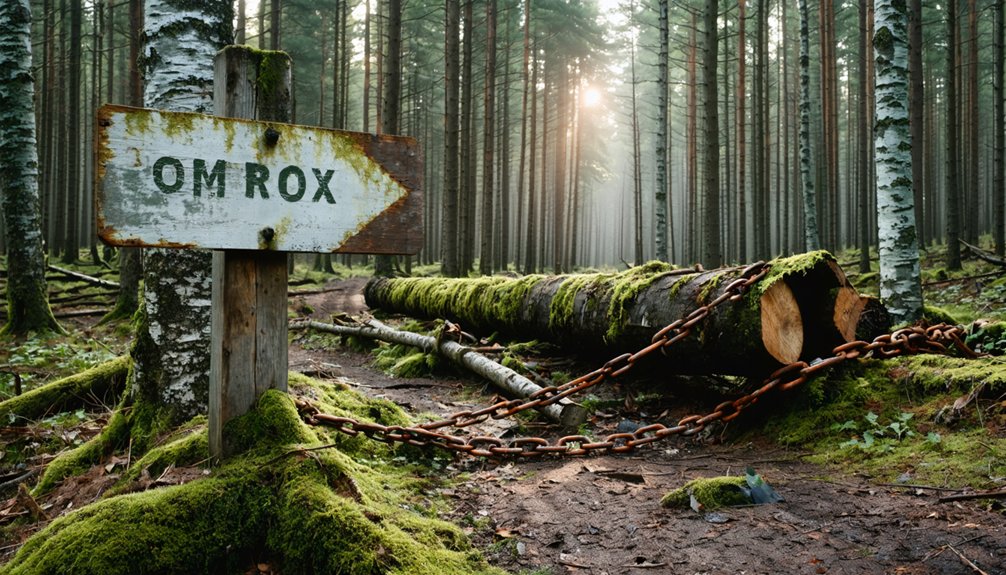
Tucked deep in Essex County’s forested wilderness, Victory’s logging history trails offer a rare glimpse into Vermont’s industrial past.
You’ll discover trail exploration routes winding through remnants of an industry that shaped this remote town until the 1940s. Embrace the logging heritage scattered across Victory’s 43 square miles of secluded landscape.
Explore these four key highlights:
- Abandoned logging roads cutting through dense forest corridors
- Old mill site remnants revealing Victorian-era timber operations
- Ghost town trail markers connecting former worker settlements
- Riverside paths tracing routes where logs were historically floated downstream
You’ll need sturdy boots and a reliable map. Victory’s isolation means you’re truly off-grid here.
Pack supplies, tell someone your route, and embrace Vermont’s raw, untamed wilderness on your own terms.
Where to Stay Near Victory, Vermont
After a full day on Victory’s logging trails, you’ll want a comfortable base camp—and since the town itself offers no lodging, St. Johnsbury becomes your natural headquarters.
It’s roughly 20 miles southwest and delivers solid accommodation options ranging from cozy inns to budget-friendly motels. Book ahead, especially during fall foliage season when rooms fill fast.
St. Johnsbury also covers your local dining needs with a handful of independently owned restaurants serving hearty Vermont comfort food—exactly what you’ll crave after trudging through remote backcountry.
St. Johnsbury’s independently owned restaurants serve up hearty Vermont comfort food perfect for hungry backcountry explorers.
Grab a craft beer, fuel up on a hot meal, and map tomorrow’s route.
Staying in St. Johnsbury keeps you close enough to Victory’s wilderness while connecting you to essential amenities that off-grid ghost town exploration simply can’t provide.
Road Conditions and Safety Tips for Driving to Victory, Vermont
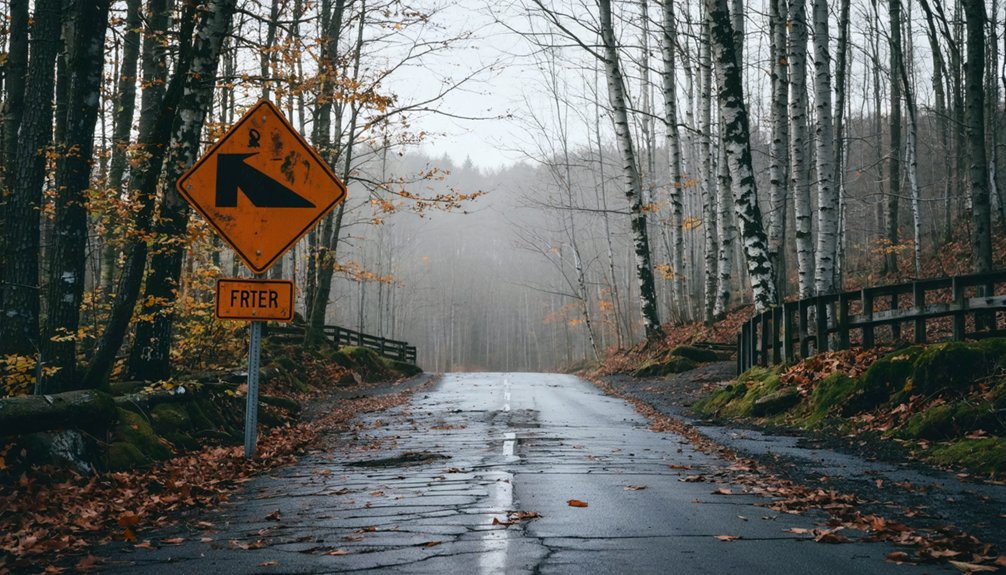
Before you hit the road to Victory, Vermont, you’ll want to prepare for seasonal hazards like icy patches, muddy washouts, and narrow forest routes that can turn treacherous without warning.
Pack emergency essentials — think jumper cables, blankets, water, and a first-aid kit — because cell service is virtually nonexistent in this remote corner of Essex County.
Stick to routes connecting through St. Johnsbury, stay alert for unmarked turns, and always check local weather conditions before you venture into Victory’s beautifully isolated, off-the-grid landscape.
Seasonal Road Hazards Ahead
Getting to Victory, Vermont isn’t just a drive—it’s a test of preparation. Seasonal hazards threaten rural accessibility year-round, so you’ll need to plan smart before hitting these remote roads.
Watch for these four critical seasonal dangers:
- Winter ice and snowdrifts can close narrow forest roads without warning—carry chains and a shovel.
- Spring mud season turns unpaved paths into tire-swallowing traps—check road condition reports before departing.
- Summer storm washouts erode road edges fast—avoid low-water crossings after heavy rain.
- Fall leaf cover hides potholes and sharp curves—slow down and stay alert.
Victory rewards the bold traveler, but only those who respect its wild, unforgiving terrain.
Prepare thoroughly, and the journey becomes part of the adventure.
Essential Emergency Preparedness Tips
Once you’ve conquered the seasonal hazards, your next priority is building a solid emergency kit—because out here, help isn’t just minutes away.
Victory’s population density sits at just 1.4 persons per square mile, meaning you’re basically on your own if something goes wrong.
Pack your emergency kits with jumper cables, blankets, a first-aid kit, water, non-perishable food, and a flashlight.
Cell service is unreliable in these forests, so build communication plans that don’t depend on your phone. Share your route with someone trustworthy before you leave.
The nearest hospital is Northeastern Vermont Regional Hospital in St. Johnsbury, and emergency services are reachable at 911—when signals cooperate.
Preparation isn’t paranoia out here; it’s the price of real freedom.
Navigating Remote Rural Routes
Reaching Victory, Vermont means trading smooth highways for narrow, winding roads that cut through dense forest with little margin for error.
These rural navigation tips keep you moving safely:
- Download offline maps — Cell service disappears fast; don’t rely on live GPS.
- Check road conditions beforehand — Seasonal mud, ice, and washouts frequently affect remote travel essentials like traction and clearance.
- Fuel up in St. Johnsbury — Gas stations vanish once you head deep into Essex County.
- Drive a high-clearance vehicle — Low-riding cars struggle on unpaved stretches connecting Victory’s isolated interior.
You’re entering one of Vermont’s most secluded corners, where self-sufficiency isn’t optional — it’s required.
Prepare thoroughly, move deliberately, and embrace the untamed freedom that only truly remote roads can deliver.
Is Victory, Vermont Worth the Drive?
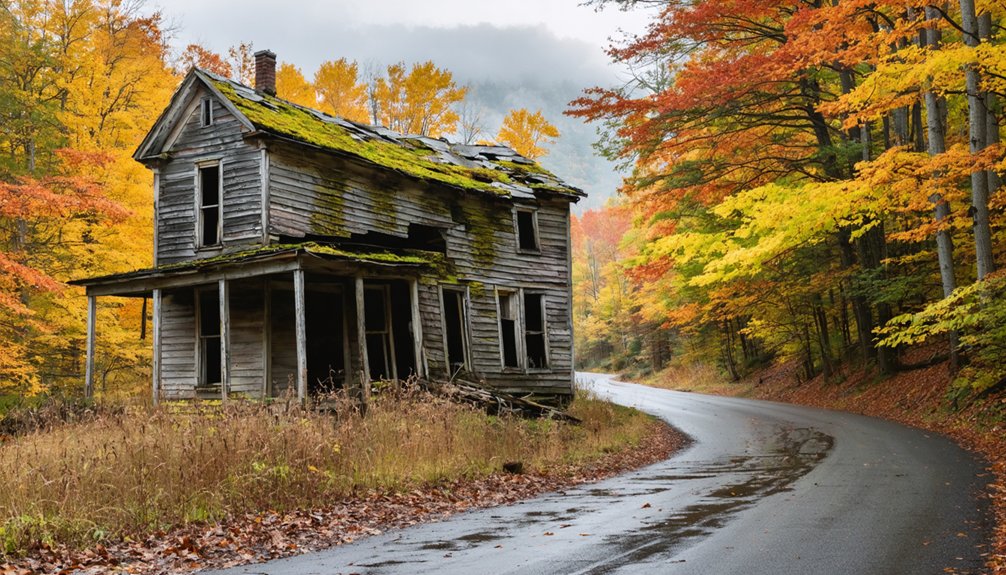
So, is Victory, Vermont worth the drive? Absolutely — if you crave ghost town allure and unfiltered rural solitude. With a population of just 70 and a density of 1.4 persons per square mile, Victory delivers an off-the-grid experience few places can match.
You’ll wander through forests that once fueled a thriving logging industry, follow trails hinting at a community slowly fading into history, and breathe air untouched by crowds.
Victory isn’t polished or convenient — that’s exactly the point. Decades of feuding and declining opportunity have shaped a raw, honest landscape that rewards adventurous travelers willing to seek it out.
If freedom means escaping the ordinary, Victory’s secluded roads and quiet ghost town energy make every mile driven absolutely worthwhile.
Frequently Asked Questions
Who Was Victory, Vermont’s First Permanent Resident and When Did They Arrive?
You’ll discover that John Shorer holds First Resident status, arriving in 1822 and carrying immense Historical Significance — he boldly carved life into Victory’s untamed wilderness, igniting a legacy you’re now adventurously tracing on your journey.
What Electric Service Providers Currently Serve Victory, Vermont Residents?
Like a lifeline stretching through wild forests, your electric service options in Victory, Vermont come from Green Mountain Power and Lyndonville Electric, both delivering renewable energy to keep you connected in this gloriously off-the-grid frontier.
Which Hospital Serves as the Nearest Medical Facility to Victory, Vermont?
Northeastern Vermont Regional Hospital in St. Johnsbury serves as your nearest medical facility! When you’re exploring Victory’s remote wilderness, you’ll want to know local resources and plan for medical emergencies before venturing into this breathtakingly isolated ghost town.
What Are the Geographic Center Coordinates of Victory, Vermont?
Like a compass needle finding true north, Victory’s geographic center coordinates are N 44° 31′ W 71° 51′, guiding you toward breathtaking geographic landmarks, forgotten local attractions, and untamed wilderness freedom awaiting your adventurous spirit.
How Many Acres Were Annexed From Bradley’s Vale in 1856?
You’ll find that in 1856, approximately 2,500 acres were annexed from Bradley’s Vale, shaping Victory’s historical significance and land ownership forever. It’s a bold territorial shift you’d appreciate on your adventurous exploration of this remote Vermont gem!
References
- https://www.youtube.com/watch?v=4_08QSiNqkY
- https://farmandforest.com/area-information/victory-vermont/
- http://sites.rootsweb.com/~vermont/EssexVictory.html
- https://preservationinpink.wordpress.com/tag/victory-vermont/
- https://www.sevendaysvt.com/news/an-ongoing-feud-illustrates-the-dark-side-of-small-town-life-2539615
- https://www.virtualvermont.com/towns/victory.html
- https://www.burlingtonfreepress.com/story/news/2018/10/29/history-space-tale-two-vt-ghost-towns/38202243/
- https://de.wikipedia.org/wiki/Victory_(Vermont)
- https://www.sevendaysvt.com/news/after-decades-of-feuding-is-it-time-to-disband-the-tiny-town-of-victory-5173844/
- http://freepages.rootsweb.com/~gtusa/history/usa/vt.htm