Planning a ghost town road trip to Vipont, Utah means trading cell service for crumbling foundations, weathered timber frames, and broken relics that tell forgotten stories. You’ll want to fuel up in Snowville, pack topo maps, and bring at least one gallon of water per person daily. Spring and fall offer the most comfortable conditions for exploring this remote Box Elder County site. Stick around, and you’ll uncover everything you need to make this trip unforgettable.
Key Takeaways
- Travel northwest from Snowville on I-84, then south toward the Nevada border; fuel up in Snowville, as no services exist nearby.
- Bring printed topo maps, a high-clearance vehicle, and offline navigation tools, since cell service drops quickly on backroads.
- Visit in spring or fall for mild temperatures, thinner crowds, and ideal photography conditions among Vipont’s ruins.
- Pack at least one gallon of water per person daily, a first aid kit, SPF 50 sunscreen, and sturdy boots.
- Explore nearby ghost towns like Lucin, Kelton, and Rosette to extend your road trip through Utah’s forgotten history.
Ruins and Relics: What Survives at Vipont Today
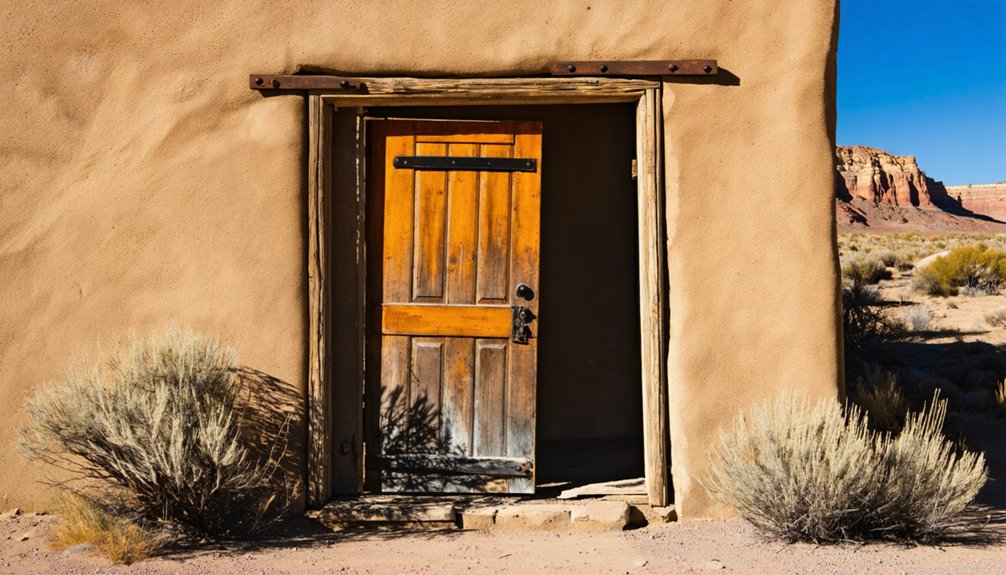
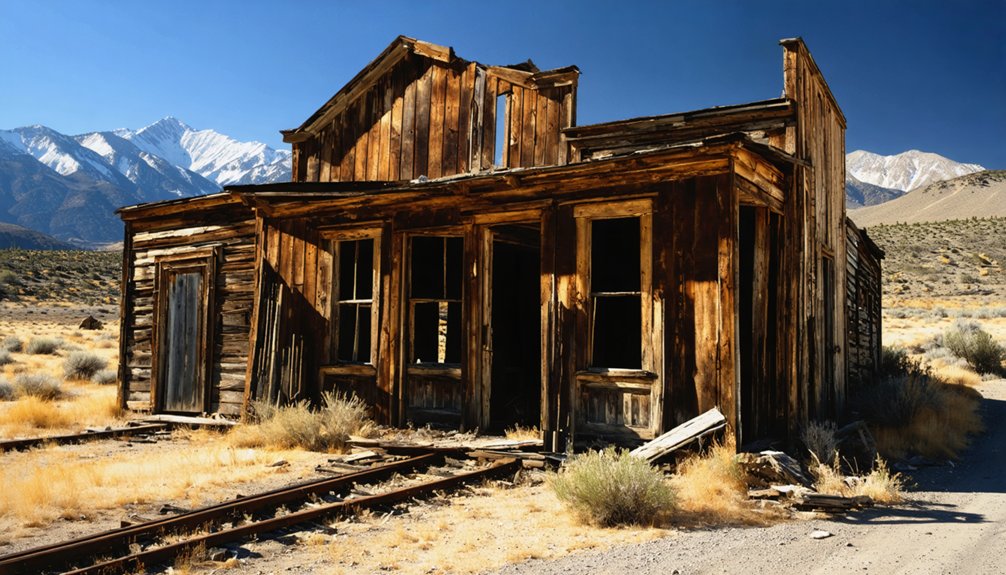
Walking into Vipont today feels like stepping into a half-erased photograph — the outlines are there, but the details have faded into dust and sagebrush.
Vipont is a half-erased photograph — outlines intact, details surrendered to dust and sagebrush.
You’ll find abandoned structures still clinging to the landscape, their weathered timber frames leaning against decades of wind and silence. Crumbling foundations mark where families once built lives, and rusted hardware scattered across the earth hints at the industry that once drove this community forward.
Historical artifacts surface occasionally — broken ceramic pieces, old bottle glass catching the afternoon light, twisted metal remnants of forgotten machinery.
You’re not walking through a manicured museum here; you’re reading a raw, unfiltered story written in decay.
Keep your eyes low and your pace slow — Vipont rewards the observant traveler who pays attention.
How Do You Actually Get to Vipont?
Once you’ve absorbed everything Vipont offers — the tilted timber frames, the scattered glass catching desert light — you’ll need to know how you got there in the first place.
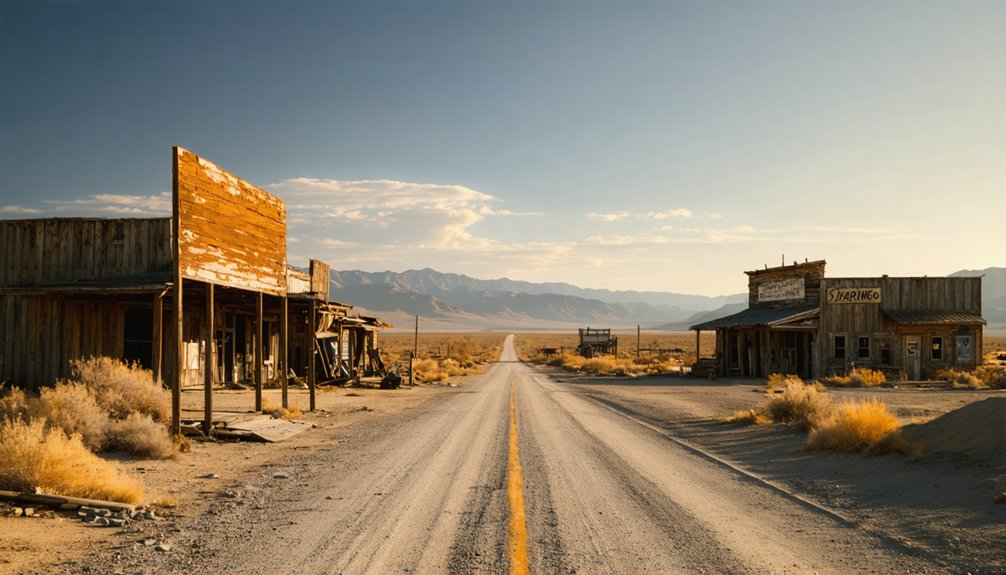
Ghost town navigation out here isn’t something your phone handles gracefully. Cell service drops fast once you push past the Box Elder County backroads. You’ll want printed topo maps and a high-clearance vehicle — don’t negotiate that dirt track in a sedan.
Head northwest from Snowville on I-84, then cut south toward the Nevada border. Locals carrying local folklore about Vipont’s mining-era collapse will point you toward the right junction if you ask the right questions. Trust those conversations.
Fill your tank before leaving Snowville. There’s nothing convenient waiting for you out there — just open country and whatever remains.
When Is the Best Time to Visit This Ghost Town?
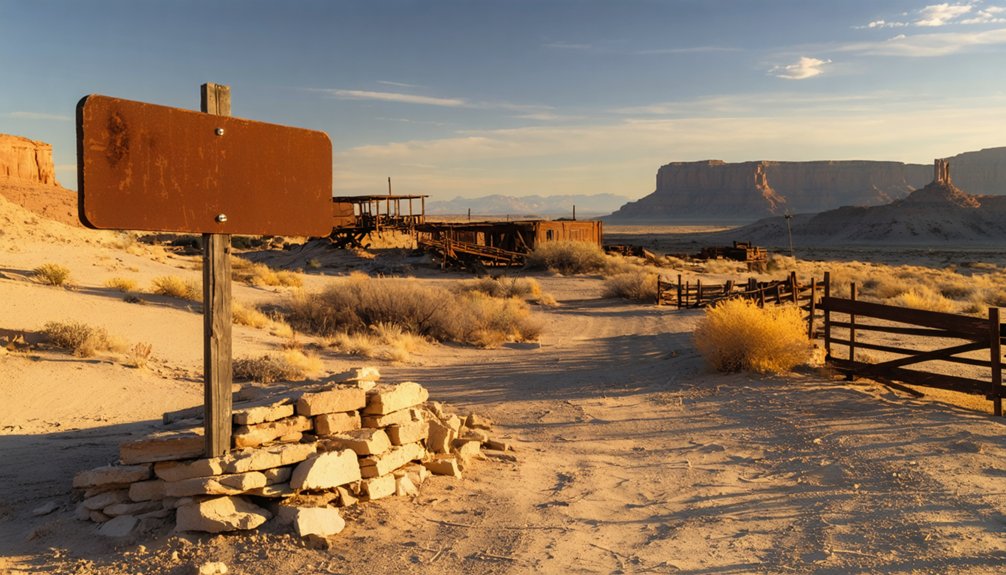
You’ll find Vipont most welcoming in spring, when mild temperatures make exploring crumbling structures and open terrain far more comfortable.
If you push your visit into summer, you’ll need to prepare for intense desert heat that can turn a casual afternoon into an exhausting ordeal.
Come fall, the surrounding landscape shifts into warm amber and gold tones, giving the ghost town an atmospheric backdrop that sharpens every photograph you take.
Spring Brings Mild Weather
Spring is the sweet spot for visiting Vipont, when temperatures climb into the comfortable 50s and 60s°F and the surrounding high desert shakes off winter’s grip.
You’ll find the landscape transformed by spring blooms, and mild hikes through the terrain feel effortless without summer’s punishing heat weighing you down.
Plan your trip around these spring advantages:
- Wildflowers emerge across hillsides, adding striking color to crumbling structures
- Daylight hours expand, giving you more time to explore without rushing
- Mild hikes remain accessible before summer sun bakes the trails dry
- Crowds stay thin, letting you experience the solitude ghost towns deserve
- Photography conditions shine, with soft light and green-tinged backgrounds framing historic ruins beautifully
Spring hands you Vipont on your own terms.
Summer Heat Considerations
Summer transforms Vipont’s high desert into a furnace, with temperatures pushing well past 90°F by midday and radiating heat bouncing off every exposed rock and rusted metal surface.
If you’re craving freedom and open exploration, you’ll need smart heat precautions to make it work.
Start early — you’ll want to arrive before 9 a.m. and wrap up your wandering by noon. Carry at least one gallon of water per person; hydration tips from seasoned desert travelers consistently emphasize drinking before you feel thirsty, not after.
Wear a wide-brimmed hat, light-colored clothing, and sunscreen with high SPF.
Don’t leave water bottles in a hot vehicle — they’ll reach dangerous temperatures fast.
Summer visits are absolutely doable, but only if you respect the desert’s unforgiving conditions.
Fall Foliage Season
Fall transforms Vipont’s surrounding landscape into something worth planning around — cooler temperatures settle in by late September, and the scrubby high desert vegetation shifts into warm amber and gold tones that contrast sharply against the bleached ruins and weathered timber of the ghost town.
The fall colors make scenic drives through the region genuinely rewarding. Pack accordingly and plan your visit with these conditions in mind:
- Temperatures drop sharply after sunset, so bring layered clothing
- October offers peak color contrast against the pale ghost town structures
- Afternoon light enhances photography opportunities dramatically
- Fewer visitors mean you’ll explore the site without crowds
- Dirt access roads remain dry and manageable before winter moisture arrives
You’ll find fall delivers the clearest skies and most atmospheric conditions for experiencing Vipont.
What to Pack for a Utah Ghost Town Road Trip
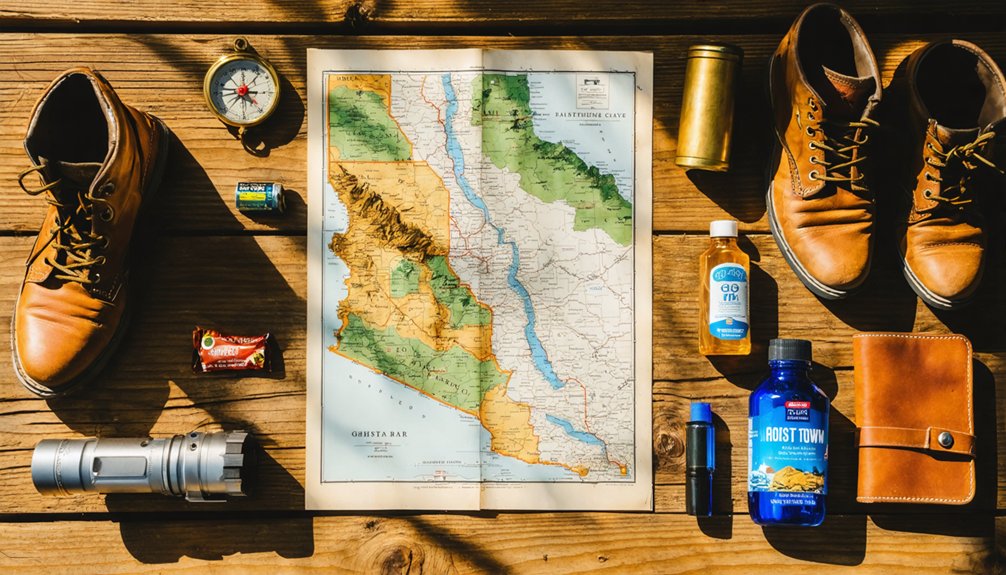
Packing smart makes the difference between a memorable adventure and a miserable one when you’re heading to a remote Utah ghost town like Vipont.
You’ll want to cover two critical bases: the essential gear and supplies that keep you safe and functional in isolated terrain, and the right clothing and footwear that handle Utah’s unpredictable conditions.
Get these two categories right, and you’re setting yourself up for a road trip that’s as comfortable as it’s unforgettable.
Essential Gear and Supplies
Heading into Utah’s remote ghost towns means you’ll want to pack smart — 10 essential items can make the difference between a memorable adventure and a dangerous situation.
Your packing checklist should prioritize survival, navigation, and documentation. Essential supplies keep you self-sufficient when cell service vanishes and the nearest town is miles behind you.
- Navigation tools: Offline maps, compass, and printed topographic charts
- Water supply: Minimum one gallon per person, per day
- First aid kit: Trauma supplies, blister treatment, and emergency medications
- Sun and weather protection: SPF 50 sunscreen, layers, and a rain shell
- Emergency communication: Satellite messenger or personal locator beacon
Pack deliberately, travel light, and respect the desert’s unforgiving conditions — freedom favors the prepared explorer.
Clothing and Footwear Recommendations
Beyond layers and boots, pack a wide-brimmed hat to block intense sun exposure, moisture-wicking socks to prevent blisters, and lightweight gloves for unexpected cold snaps.
Dress smart, and the landscape works with you, not against you.
Which Nearby Ghost Towns Should You Add to the Route?
While you’re exploring the remote stretches of Box Elder County, several ghost towns sit close enough to Vipont to make a compelling multi-stop road trip.
Each stop carries its own historical significance, offering abandoned structures that tell stories of boom-and-bust cycles across Utah’s frontier past.
Add these towns to your route:
- Lucin – A former railroad hub with crumbling depots sitting quietly in the West Desert
- Rosette – A ranching settlement where weathered homesteads still dot the landscape
- Locomotive Springs – Remote wetlands surrounding forgotten infrastructure worth exploring
- Etna – A small mining community with scattered remnants along dusty backcountry roads
- Kelton – Once a thriving railroad town, now home to eroded foundations and desert silence
Linking these stops creates a richer, more rewarding experience across Utah’s open terrain.
How Do You Stay Safe at Abandoned Utah Sites?
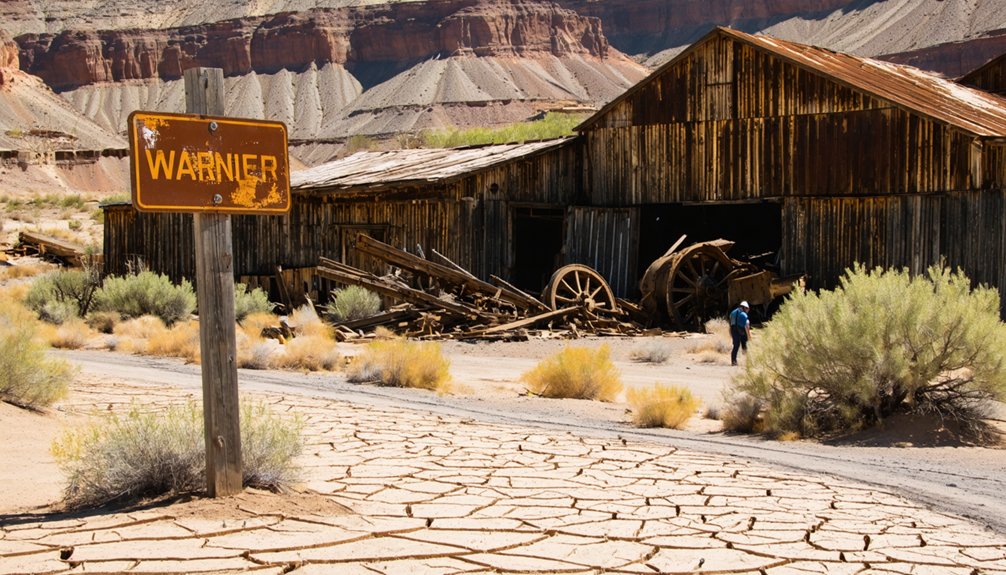
Abandoned sites across Utah’s remote desert carry real risks that can turn an exciting detour into a dangerous situation.
Rotting floorboards, unstable walls, and collapsed mine shafts don’t announce themselves before giving way. You’re exploring responsibly when you treat every structure as potentially compromised.
Crumbling walls and hidden hazards won’t warn you — assume every abandoned structure is ready to fail.
Follow these safety precautions before stepping foot inside anything:
- Wear sturdy boots and a hard hat — debris falls without warning
- Never explore alone — remote areas have no cell service
- Check for hantavirus risks — old buildings harbor rodent droppings
- Carry extra water — desert heat accelerates dehydration rapidly
- Tell someone your exact route — share your itinerary before departing
Freedom means making smart choices, not reckless ones.
Respect these ruins, and they’ll reward you with unforgettable experiences.
Frequently Asked Questions
Is Vipont, Utah Ghost Town Suitable for Young Children to Visit?
Ironically, you can’t visit what doesn’t exist! Vipont, Utah isn’t a real ghost town, so there are no family activities or safety tips to share. You’re free to explore Utah’s many *actual* ghost towns instead!
Are There Any Entrance Fees or Permits Required to Visit Vipont?
You don’t need entrance fees or permits to explore Vipont’s historical significance. Roam freely through its remnants, uncover local legends, and experience the untamed spirit of this forgotten ghost town on your own terms.
Can You Legally Collect Artifacts or Souvenirs From Vipont’s Grounds?
You can’t legally collect artifacts from Vipont’s grounds. Federal laws protect artifact preservation, so ethical collecting means leaving everything as you find it — take only photos, ensuring others enjoy the same historical experience you’ve discovered.
Is Vipont Privately Owned or Managed by a Government Agency?
Like a ghost itself, Vipont’s ownership remains unclear. You’ll find no confirmed records of private or government management, but its historical significance and local legends suggest you should research current land status before visiting.
Are Pets Allowed When Exploring the Vipont Ghost Town Site?
Since Vipont’s ownership remains unclear, you’ll want to research pet-friendly policies before visiting. Respecting ghost town etiquette means keeping pets leashed, minimizing disturbance, and ensuring your furry companion doesn’t disrupt the site’s historical integrity.
References
- https://www.visitutah.com/things-to-do/history-culture/ghost-towns
- https://expeditionutah.com/ghosttowns/
- https://www.onlyinyourstate.com/trip-ideas/utah/road-trip-ut-ghost-towns
- http://www.expeditionutah.com/forum/index.php?threads/ghost-town-tour-2020-trip-report.6936/
- https://www.roadtripryan.com/go/t/utah/moab/sego-ghost-town
- https://x.com/i/grok/share/ABEvnMY8NC4da16h0ndNJqylY
- https://www.onlyinyourstate.com/trip-ideas/utah/abandoned-places-road-trip-ut
- https://travelzone.bestwestern.com/southwest-ghost-towns-road-trip/
- https://www.youtube.com/watch?v=05MpUor2KC8
- https://www.utah.com/things-to-do/attractions/old-west/ghost-towns-in-utah/