To reach Wingo, start at Sonoma Plaza and head south on Millerick Road through wine country until the pavement surrenders to marshland. You’ll park before a gate and walk roughly a mile through muddy terrain to reach this forgotten Gold Rush–era steamboat landing. What you’ll find is raw and atmospheric — weathered cabins, a historic train trestle, herons wading through tall grasses. Wear waterproof boots, skip the visit after heavy rain, and keep scrolling to know exactly what awaits you there.
Key Takeaways
- Wingo begins at Sonoma Plaza, heading south on Millerick Road past Larson Family Winery into marshland, with parking near a gate marking the trail.
- Expect up to 1.5 miles of muddy walking each way; waterproof boots are essential, especially during wet or post-rain conditions.
- The site features weathered cabins, barns, a historic train trestle over Sonoma Creek, and scattered rusted artifacts with no maintained attractions.
- Wingo was once a Gold Rush-era steamboat landing and later a railroad stop, now largely reclaimed by surrounding wetlands and marsh habitat.
- Visit during golden hour for optimal wildlife viewing, including herons, egrets, and waterfowl, but avoid heavy rain periods to prevent impassable conditions.
What Is Wingo, and Is It Worth the Trip?
Tucked into the marshes south of Sonoma along Sonoma Creek, Wingo is a Sonoma County ghost town that once hummed with steamboat traffic, freight shipments, and agricultural commerce before fading into near-obscurity.
Its historical significance stretches back to the Gold Rush era, when it served as an essential landing point connecting Sonoma to San Francisco by water. Later, the railroad reshaped its identity before transportation shifts ultimately hollowed it out entirely.
From Gold Rush steamboats to railroad tracks, Wingo’s story is one of reinvention—until progress left it behind entirely.
Today, you’ll find scattered cabins, weathered barns, and a lonely train trestle surrounded by wetlands. Wildlife viewing adds a natural bonus, as the surrounding marshes attract birds and other species.
If you crave off-the-beaten-path exploration over polished tourist stops, Wingo absolutely rewards the detour.
How To Get To Wingo From Sonoma Plaza
Getting to Wingo starts at Sonoma Plaza, where you’ll head south on Millerick Road through a landscape that gradually shifts from wine country to open marshland. You’ll pass Larson Family Winery before the road narrows and the wetlands take over.
Here’s what the final stretch looks like:
- A gate signals the end of drivable road, where you’ll park and continue on foot through quiet, open terrain.
- Roughly a mile of dirt path leads you deeper into marsh country, where local wildlife like egrets and hawks are worth watching for photography tips—shoot during golden hour for the best light.
- The trestle and remaining cabins appear suddenly, rising from the reeds like something forgotten on purpose.
Wear waterproof boots and expect mud.
How Wingo Went From Steamboat Landing to Ghost Town
Once you’ve made that walk in and seen what’s left standing, it’s hard not to wonder how Wingo ended up this way. It started as a steamboat landing, moving passengers and freight between San Francisco and Sonoma by water.
Then Joseph S. Kohn launched the Sonoma Valley Prismoidal Railroad in 1876, shifting the site’s purpose from port stop to rail stop.
But transportation kept evolving. Better roads, expanded rail lines, and eventually the Golden Gate Bridge made the old route obsolete. Commerce dried up, people left, and Wingo quietly disappeared from relevance.
Today, historical preservation efforts are minimal here, and nature has largely reclaimed the land. Wildlife observation has replaced commerce as the area’s main draw, with marshes and wetlands defining what Wingo has become.
What You’ll Actually Find at Wingo
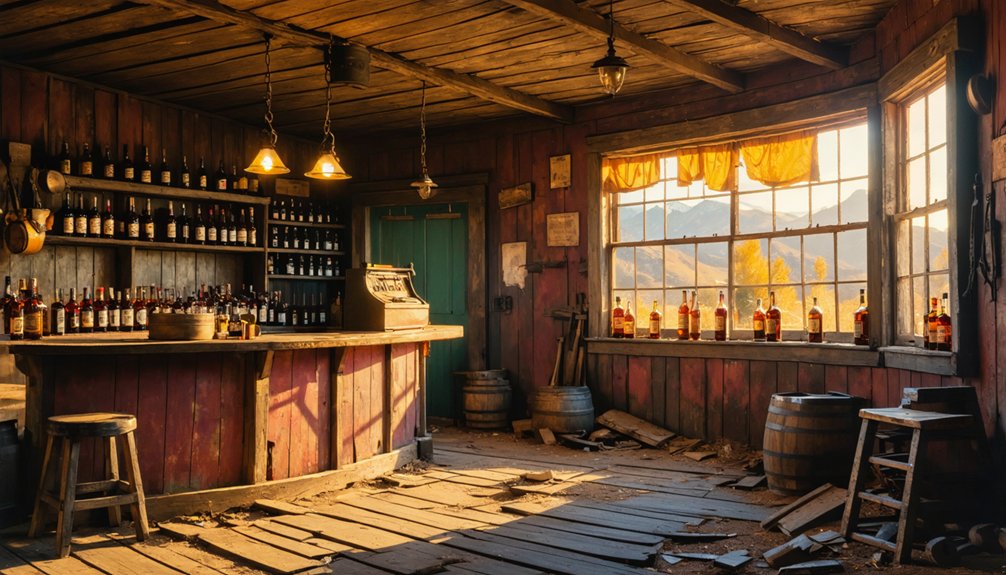
What remains at Wingo is modest but atmospheric: a small cluster of weathered cabins, barns, workshops, and a train trestle rising over Sonoma Creek. You won’t find interpretive signs or gift shops here—just raw, quiet history sitting in the marsh.
Expect to encounter:
- Historical artifacts left by time—sagging wooden structures, rusted hardware, and remnants of a rail stop that once connected Sonoma to the wider world.
- Marshy creek scenery framing every view, with muddy banks and tall grasses stretching toward San Pablo Bay.
- Wildlife observation opportunities, as the surrounding wetlands attract herons, egrets, and waterfowl year-round.
You’re stepping into a landscape that’s been largely reclaimed by nature, which is exactly what makes Wingo worth the walk.
Access Limits, Mud Season, and What To Bring
Reaching Wingo isn’t as simple as pulling up to a parking lot—gates, flooded roads, and soft ground can cut your visit short before it begins. The site sits within sensitive wildlife habitat, and access restrictions mean you may hit a locked gate along Millerick Road with no warning.
Seasonal mud turns the final stretch into a slog, so wear waterproof boots and expect to walk up to 1.5 miles each way. Bring water, since there are no facilities on site.
Avoid visiting after heavy rain, when standing water makes the marshland nearly impassable. Check conditions before you go, and treat the land respectfully—this isn’t a maintained attraction, it’s a quiet, half-forgotten place where nature has largely reclaimed what history left behind.
Frequently Asked Questions
Can You Camp Overnight Near the Wingo Ghost Town Site?
You can’t camp directly at Wingo, as camping regulations restrict overnight accommodations in the protected marshlands. You’ll want to seek nearby campgrounds outside the wildlife area, keeping your adventurous spirit alive elsewhere under California’s open skies.
Are Pets Allowed on the Walking Trail Leading to Wingo?
Specific pet policies aren’t confirmed, but you’re free to explore this wild, marshy trail. Prioritize pet safety on the muddy, uneven terrain—trail difficulty can surprise you. Keep your companion leashed amid the untamed wetlands surrounding Wingo’s haunting ruins.
Is There a Fee to Access the Wingo Ghost Town Area?
You don’t pay a fee to explore Wingo’s haunting ruins. Embrace that freedom as you wander through historical preservation remnants. For photography tips, arrive at golden hour—you’ll capture the marshes, weathered cabins, and trestle in breathtaking, atmospheric light.
What Is the Best Time of Year to Visit Wingo?
Spring or fall offers you the best seasonal weather to explore Wingo’s historical significance. You’ll avoid summer heat and winter flooding, letting you freely wander the marshy ruins, weathered cabins, and atmospheric trestle without nature fighting back.
Are Guided Tours of Wingo Available Through Any Local Organizations?
Like Thoreau wandering forgotten paths, you’ll find no formal history preservation or local tours guide Wingo’s ruins. You’re free to explore independently, though contacting Sonoma County wildlife organizations might uncover informal guided access opportunities.
References
- https://www.sonomacounty.com/things-to-do/soulful-travel/soulful-travel-wingo-california/
- https://en.wikipedia.org/wiki/Wingo
- https://localwiki.org/sonoma-valley/Wingo
- https://www.sonomanews.com/article/lifestyle/days-of-auld-lang-syne-in-wingo/
- https://thedailygrape.com/wingo-sonoma-countys-forgotten-ghost-town-hiding-in-the-marshes/
- https://www.sonomamag.com/wingo-ghost-town/
- https://www.sonomacounty.com/articles/soulful-travel-wingo-california/
- https://tisqui.github.io/2018/03/07/Wingo.html
- https://www.thebolditalic.com/commercial-break-a-little-adventure-to-wingo-california-the-bold-italic-san-francisco/
- https://sonomavalleyhistory.org/wingo/