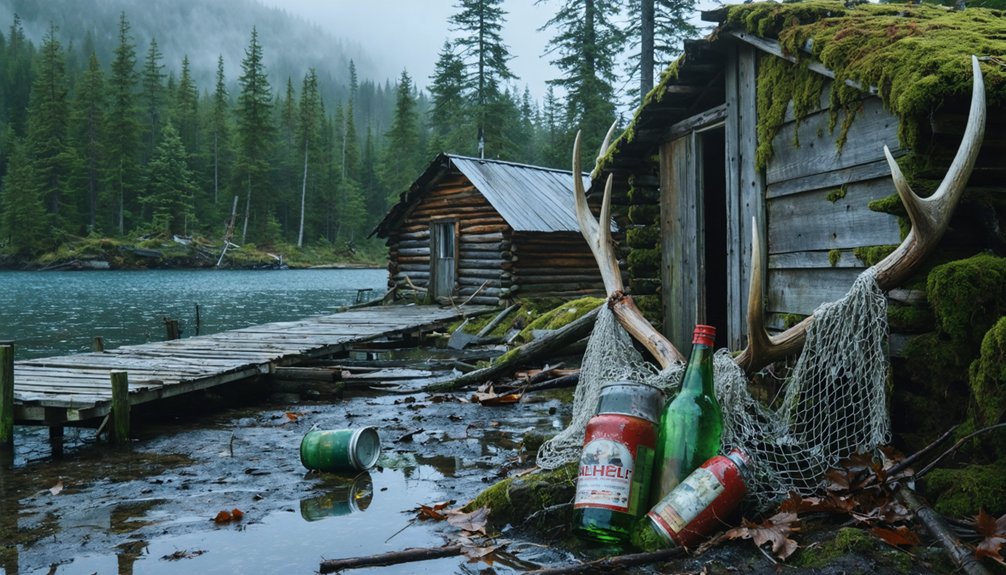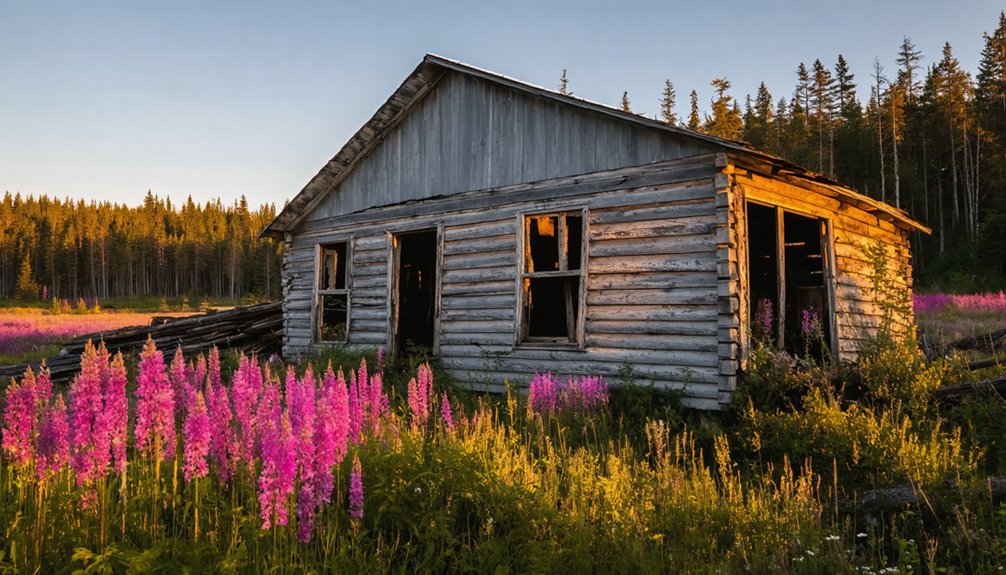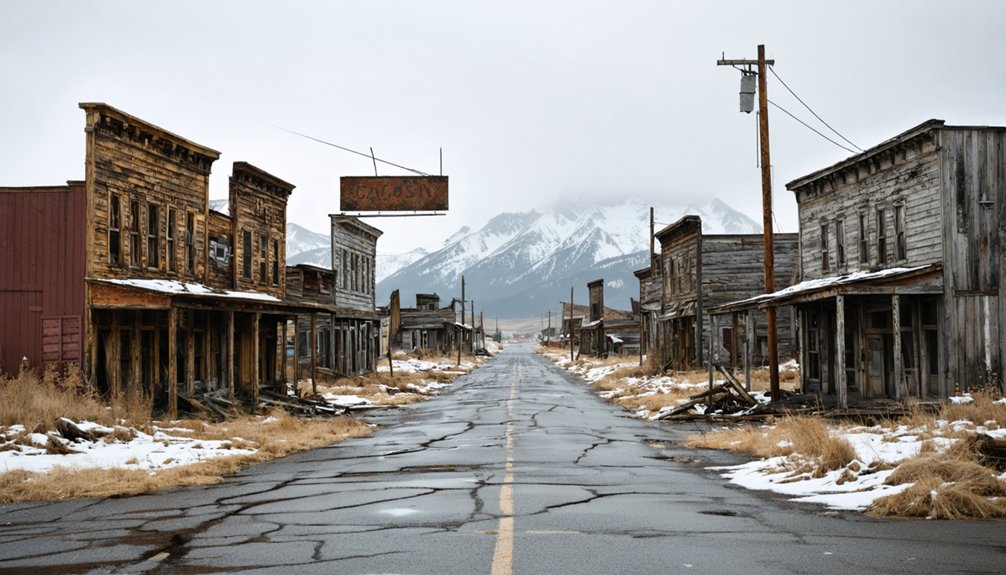
Port Wakefield isn’t your typical road trip destination — you can’t drive there at all. It’s a remote ghost town sitting on Raspberry Island in Alaska’s Kodiak Archipelago, accessible only by floatplane or boat charter out of Kodiak. Once a thriving herring reduction plant founded in the 1930s, the 1964 Good Friday earthquake ultimately sealed its fate. If you’re serious about visiting this wild, weathered slice of Alaska history, there’s a lot more you’ll want to know first.
Key Takeaways
- Port Wakefield is located on Raspberry Island, Alaska, and cannot be reached by road — a traditional road trip is not possible.
- Access requires chartering a floatplane from Kodiak or arranging water transport with a local operator familiar with the archipelago.
- Visitors should plan around seasonal weather conditions and operator availability, as the remote location makes timing critical.
- The ghost town features remnants of 1930s herring reduction structures, visible earthquake subsidence, and abundant coastal wildlife.
- A wilderness lodge near the site serves as a base for exploring the weathered, historically rich landscape of Raspberry Island.
What Was Port Wakefield, Alaska?
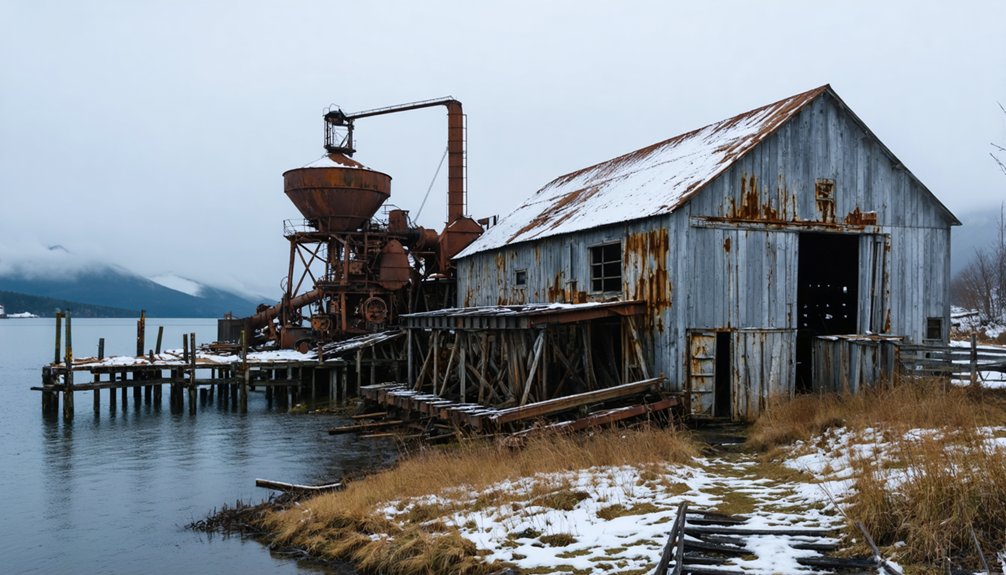
Once a thriving industrial outpost, Port Wakefield was a herring reduction plant and fishing community that Lee Howard Wakefield established in the 1930s on Raspberry Island, tucked within Alaska’s remote Kodiak Archipelago.
Wakefield relocated his family’s salmon cannery operation from Anacortes, Washington, eventually building Wakefield Fisheries into a cornerstone of Alaska’s industrial fishing heritage.
Today, that industrial identity survives through historical preservation efforts that keep the site’s story alive for curious travelers like you.
The 1964 Alaska earthquake and resulting tsunami dealt a devastating blow, subsiding the island by up to six feet and rendering the community no longer viable.
What remains is a ghost town that now invites wildlife observation alongside quiet reflection, sitting along the Gulf of Alaska‘s western shores in striking, untamed isolation.
Where Is Port Wakefield Located in Alaska?
Tucked within Alaska’s Kodiak Archipelago, Port Wakefield sits on the northeast coast of Raspberry Island along the western shores of the Gulf of Alaska, at roughly 58.04917°N, 153.05250°W. This remote island setting means you won’t reach it by highway — you’ll need a floatplane or boat to get there.
The surrounding waters and rugged coastline support rich local wildlife, from sea otters to bald eagles, making the journey itself part of the reward.
Raspberry Island’s isolation has also helped preservation efforts protect what remains of the old cannery site. You’re not just visiting a ghost town; you’re stepping into a layered coastal wilderness where industrial history and raw Alaskan nature exist side by side, largely untouched by modern development.
Did the 1964 Earthquake Actually Destroy Port Wakefield?
When the 1964 Good Friday earthquake struck Alaska, Port Wakefield took a serious hit — but it didn’t vanish overnight. The quake and its following tsunami battered the site hard, and Raspberry Island itself subsided by as much as six feet. That kind of ground-level shift changes everything for a coastal industrial operation.
The cannery and surrounding community simply couldn’t function after that environmental blow. Economic viability collapsed alongside the shoreline. So while the earthquake didn’t erase every structure, it ended Port Wakefield’s working life for good.
Today, you can explore what remains through a lens of historical preservation, tracing the bones of a once-active fishery. Wildlife observation adds another layer to your visit, making the journey feel less like loss and more like discovery.
How Do You Get to Port Wakefield on Raspberry Island?
Getting to Port Wakefield isn’t like pulling off a highway exit — you’ll need either a small aircraft or a boat to reach Raspberry Island, since no roads connect it to the Alaska mainland. Your best options are chartering a floatplane from Kodiak or arranging water transport through a local operator familiar with the Kodiak Archipelago’s unpredictable coastal weather.
Once you arrive, you’re stepping into a destination shaped by both historical preservation and wilderness recreation. The former cannery site sits within a genuinely remote landscape, so plan your timing carefully around seasonal conditions and operator availability.
Lodge accommodations on Raspberry Island can help anchor your visit, giving you a base to explore the ghost town while embracing everything Alaska’s wild coastline throws your way.
What Remains at Port Wakefield and What Visitors Actually Find
Once you’ve sorted out how to reach Raspberry Island, the next natural question is what’s actually waiting for you when you get there. Port Wakefield delivers a raw, unfiltered slice of Alaska’s industrial past set against stunning wilderness.
Here’s what you’ll likely encounter on-site:
- Remnants of the original 1930s herring reduction and cannery structures
- Visible land subsidence from the 1964 earthquake, still readable in the terrain
- A wilderness lodge operation that has replaced industrial activity
- Local wildlife including coastal birds, marine mammals, and brown bears
- Minimal preservation efforts, meaning the site stays authentically weathered and wild
You’re not walking into a curated museum. You’re stepping into a landscape that history shaped and nature has slowly reclaimed on its own terms.
Frequently Asked Questions
What Is the Best Time of Year to Visit Port Wakefield?
You’ll want to visit in summer, when mild weather reveals Raspberry Island’s remote shores. It’s your best shot at exploring Port Wakefield’s historical significance and catching unforgettable wildlife encounters along Alaska’s wild, untamed coastline.
Are There Permits or Permissions Required to Visit Port Wakefield?
Remote yet reachable, you’ll want to check local wildlife regulations before arriving. If you’re flying a drone, restrictions may apply. Contact Alaska authorities and the wilderness lodge operator to confirm you’ve got all permissions secured.
How Much Does a Typical Trip to Port Wakefield Cost?
Costs vary widely, but you’ll typically spend $500–$2,000+ covering floatplane or boat charters, lodge stays, and gear. It’s worth every dollar for the historical significance and stunning photography opportunities this remote Alaskan ghost town delivers.
Is Port Wakefield Safe to Explore Given Its Abandoned Condition?
You can explore Port Wakefield, but you’ll want to tread carefully around deteriorating structures. Respect historical preservation efforts, stay alert for unstable ground, and embrace the local legends that haunt this hauntingly beautiful, earthquake-scarred Alaskan ghost town.
Can Visitors Stay Overnight Near the Port Wakefield Ghost Town Site?
You can stay overnight—Raspberry Island’s wilderness lodge offers luxury accommodations steps from the ghost town’s haunting remains. You’ll want to book guided tours early, as this remote, freedom-calling destination fills fast with adventurous spirits like yours.
References
- https://en.wikipedia.org/wiki/Port_Wakefield
- https://en.wikipedia.org/wiki/List_of_ghost_towns_in_Alaska
- https://roamze.com/ghost-towns/alaska
- https://www.touristsecrets.com/destinations/forgotten-whaling-stations-of-alaska/
- https://www.alaska.org/advice/mileage-chart
- https://archiveswest.orbiscascade.org/ark:80444/xv85850
- https://www.ghosttowns.com/states/ak/ak.html
- http://www.tanignak.com/evangelislandjourney8.htm
- https://de.wikipedia.org/wiki/Raspberry_Island_(Alaska)
- https://en.wikipedia.org/wiki/Dyea