Worden, Wisconsin won’t dazzle you with crumbling ghost town drama, but its quiet farmland hides scattered foundations and cellar holes beneath the brush. Organized in 1876 and named after Civil War hero Zephaniah Worden, this rural township carries deep historical roots worth uncovering. Bring reliable GPS, download offline maps, and fuel up before heading down remote county roads. Nearby ghost towns and some genuinely dark Wisconsin history make this road trip far richer than you’d expect.
Key Takeaways
- Worden Township, organized in 1876, lacks classic ghost town ruins but offers farmland, scattered foundations, and cellar holes hiding beneath overgrowth.
- Access Worden via state highways transitioning to County Roads O and E, downloading offline maps and fueling up in Thorp or Owen beforehand.
- Historical records, plat maps, census data, and genealogical archives help visitors locate former homesteads and uncover Worden’s rich community history.
- Nearby ghost towns like Belmont, Cheyenne Valley, and Plainfield—infamous for Ed Gein’s true crime history—make excellent additions to your road trip itinerary.
- Visit between September and October for ideal exploration conditions, cooler temperatures, reduced bugs, and better visibility of hidden foundations and structures.
Is Worden, Wisconsin Actually a Ghost Town?
Whether Worden truly qualifies as a ghost town depends on how you define the term.
Digging into Worden history, you’ll find a township with real roots — organized on April 4, 1876, named after Civil War hero Zephaniah Worden, and rich with genealogical records, plat maps, and community stories.
Worden Township took root in 1876, named for Civil War hero Zephaniah Worden — and its history runs deep.
That’s hardly the profile of a forgotten wasteland.
Ghost town myths often paint every quiet rural settlement with the same brush, but Wisconsin classifies ghost towns specifically as barren, neglected, or abandoned sites.
Worden doesn’t neatly fit those categories based on available evidence.
Still, that ambiguity makes it worth exploring.
You get to decide for yourself whether this Clark County township carries that eerie, abandoned quality you’re chasing on your road trip.
Who Was Zephaniah Worden and Why Was He Famous?
The name behind Worden Township deserves more than a passing mention. Zephaniah Worden wasn’t just a name on a map — he was a Civil War hero whose legacy shaped this Clark County community.
Here’s what you should know about him:
- He served with distinction during the Civil War.
- Worden Township was organized on April 4, 1876, honoring his memory.
- The township was carved from the original Thorp Township.
- Historical records, including biographies and obituaries, preserve his story.
- Genealogical archives keep his community’s history alive.
When you explore Worden, you’re walking ground named for someone who fought for freedom.
That context transforms a simple road trip stop into something far more meaningful. Don’t overlook the history beneath your feet.
What Physical Evidence of Worden, Wisconsin Still Exists?
When you visit Worden, Wisconsin, you won’t find crumbling buildings or weathered storefronts staring back at you — the township’s physical evidence lives mostly in paper trails, including plat maps, census records, and genealogical archives that trace the community’s roots back to its April 4, 1876, organization from Thorp Township.
You can dig through obituaries, biographies, and historical news clips that paint a picture of the people who once called this Clark County settlement home.
If you’re searching for something tangible on the ground, your best leads come from cross-referencing those surviving historical records with modern maps to identify where structures once stood.
Historical Records And Maps
Although Worden itself may have faded from the landscape, historical records and maps keep its memory alive in surprisingly tangible ways. You can uncover its historical significance through accessible archival resources that document the township’s organized past dating back to April 4, 1876.
Explore these valuable records:
- Plat maps showing original land divisions and property boundaries
- Census records identifying families who shaped Worden’s early community
- Obituaries and biographies revealing personal stories of former residents
- News clips capturing township events and daily life
- Genealogical records connecting descendants to their Worden roots
These documents paint a vivid picture of a once-active community named after Civil War hero Zephaniah Worden.
Clark County historical archives remain your best starting point for discovery.
Surviving Structures Today
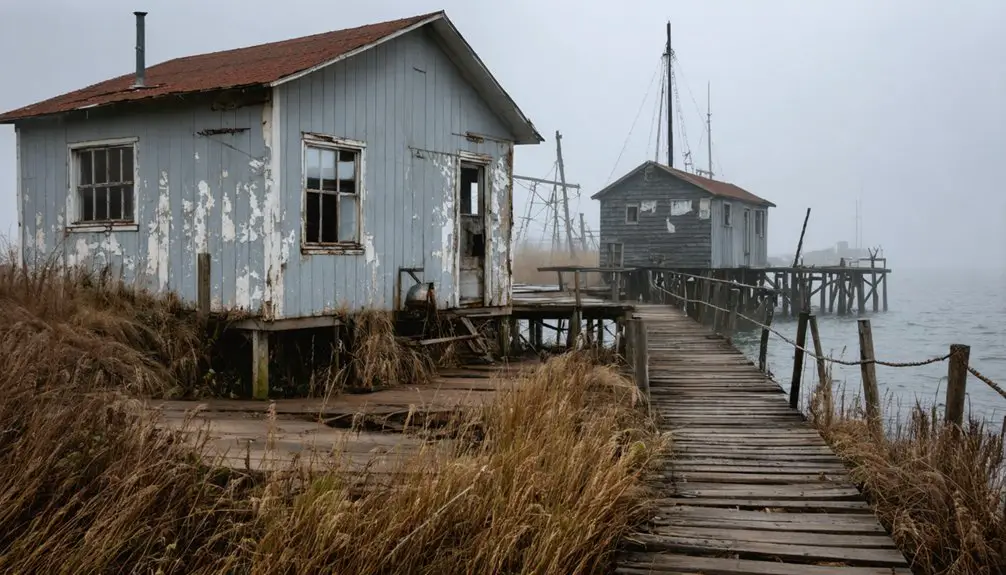
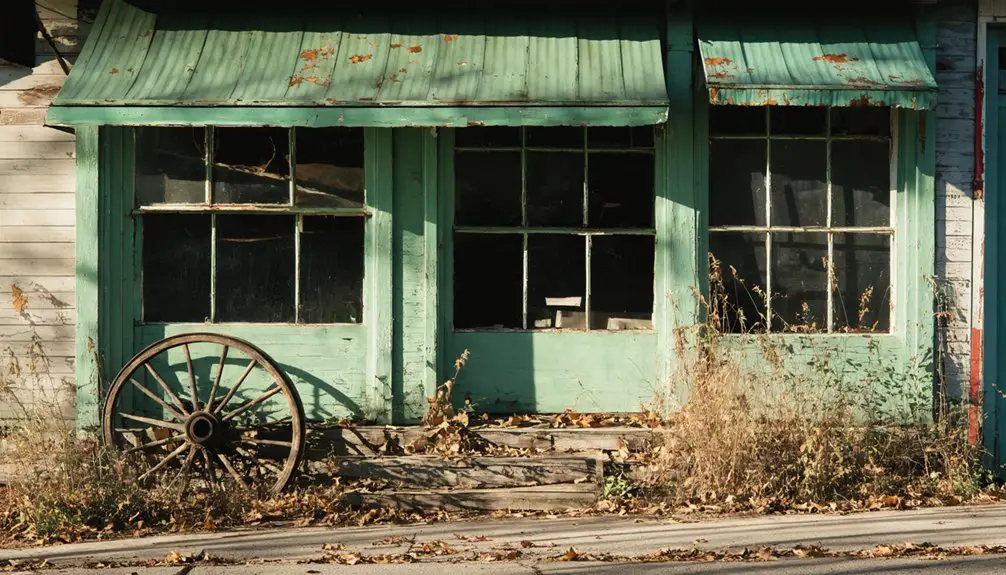
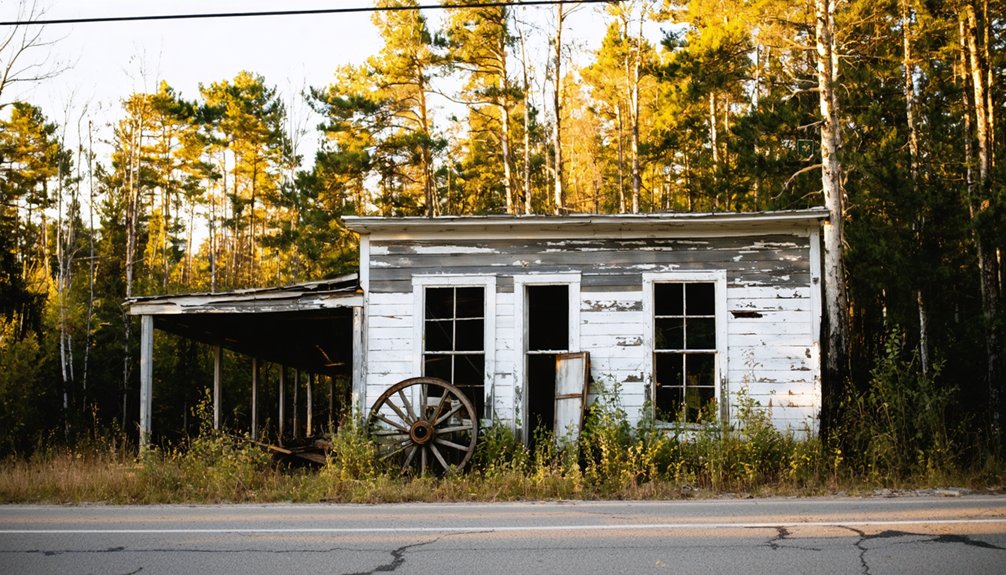
Visiting Worden today means confronting the quiet reality that physical evidence of the township has largely dissolved into the surrounding Clark County landscape. You won’t find dramatic abandoned structures or crumbling storefronts marking its former boundaries. Instead, farmland dominates where the community once breathed.
Scattered foundations occasionally surface beneath overgrown brush, rewarding sharp-eyed explorers willing to push beyond paved roads. Local legends whisper about cellar holes hidden in woodlots, remnants of homesteads built by settlers who carved life from Wisconsin wilderness after 1876.
You’ll need county plat maps, ideally the historical records discussed earlier, to orient yourself meaningfully. Without them, Worden’s physical footprint blends invisibly into Clark County’s rolling terrain, offering atmosphere and imagination rather than photogenic ruins.
Census And Genealogical Traces
Beyond crumbling foundations and overgrown cellar holes, Worden’s most durable evidence lives in paper and data. Census records, historical documents, and genealogical research reveal stories that no standing structure can tell.
You’ll find Worden’s settlers preserved in:
- Plat maps showing original land divisions and homestead boundaries
- Census records listing family names, ages, and occupations
- Obituaries and biographies revealing personal histories of early residents
- News clips and photographs capturing community life before abandonment
- Family trees connecting modern descendants to Worden’s founders
Digging into these resources gives you real freedom—you’re not dependent on surviving buildings to understand this place.
Online genealogical databases and Clark County historical archives let you reconstruct Worden’s past from wherever you’re standing.
How Do You Get to Worden, Wisconsin?
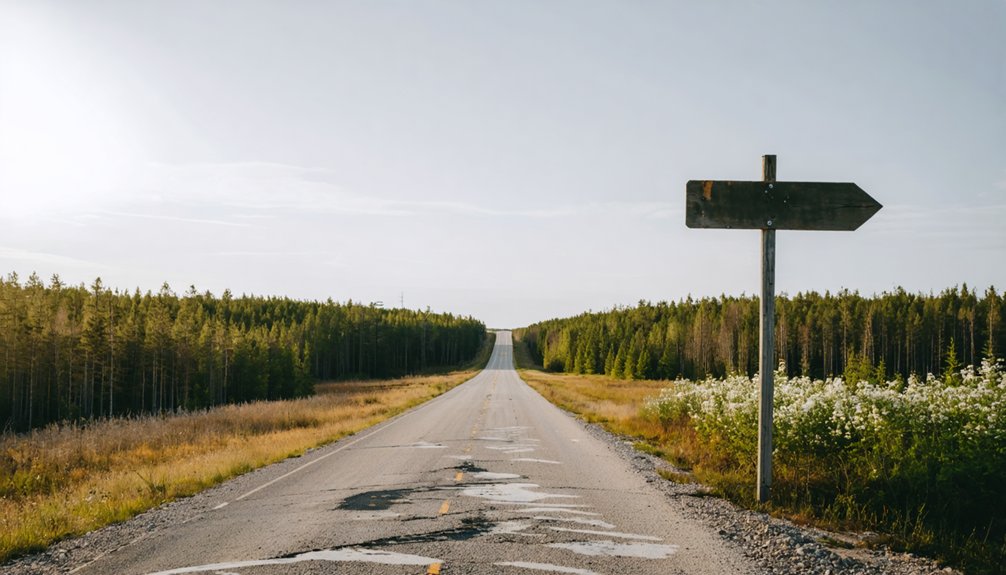
Your road trip to Worden, Wisconsin starts with picking a practical launching point, whether you’re coming from Eau Claire, Wausau, or another regional hub.
From most major cities, you’ll follow a mix of state highways before shifting onto the quieter county roads that crisscross rural Clark County.
Once you’re off the main routes, you’ll want a reliable GPS or a detailed county map, since the sparse signage in this part of Wisconsin can catch you off guard.
Starting Point Selection
How you reach Worden, Wisconsin depends largely on where you’re starting your road trip. Clark County sits centrally, making it reachable from several directions. Choose your launching point based on ghost town lore and historical significance you want to absorb along the way.
Strong starting points include:
- Madison: Head northwest on Highway 29, passing through small towns with rich histories.
- Eau Claire: Drive southeast on Highway 29 for a straightforward approach.
- Wausau: Travel west through Marathon County’s lumber ghost town remnants.
- La Crosse: Cut northeast through Vernon County, exploring Cheyenne Valley en route.
- Minneapolis/St. Paul: Cross into Wisconsin and head southeast through western Clark County.
Each route offers unique detours, letting you control your own adventure without rigid itineraries holding you back.
Routes From Major Cities
Getting to Worden, Wisconsin isn’t complicated once you know which road cuts closest to Clark County‘s heart. From Milwaukee, take I-94 West toward Eau Claire, then head south on Highway 29 into Clark County.
From Minneapolis, cross into Wisconsin via I-94 East, then drop south on Highway 13 through Black River Falls.
Madison travelers head north on Highway 51, connecting through Wausau before turning west on Highway 29.
These ghost town routes put you squarely in rural Clark County territory, where Worden sits tucked between farmland and forgotten history.
Major city access from any direction funnels you onto two-lane county roads where GPS occasionally loses confidence.
Keep a printed map handy. You’re chasing a township, not a tourist trap, so expect roads that reward curiosity over convenience.
Navigating Rural Clark County
Once you’ve merged onto those two-lane county roads, three key intersections separate you from Worden Township’s core.
Clark County’s rural landscapes reward careful navigation, so keep these essentials handy:
- Download offline maps before leaving cell coverage behind
- Watch for unmarked gravel turnoffs locals know by local folklore rather than signage
- Note that County Road O and County Road E intersect near the township’s historical boundaries
- Fill your gas tank in Thorp or Owen before heading deeper into the county
- Keep a paper Wisconsin atlas as backup when GPS signals drop
You’ll pass dairy farms, dense woodlands, and weathered fence lines that hint at the area’s homesteading past.
Clark County’s roads aren’t difficult, but they demand your full attention and a spirit of genuine exploration.
Which Wisconsin Ghost Towns Are Worth Adding to Your Route?
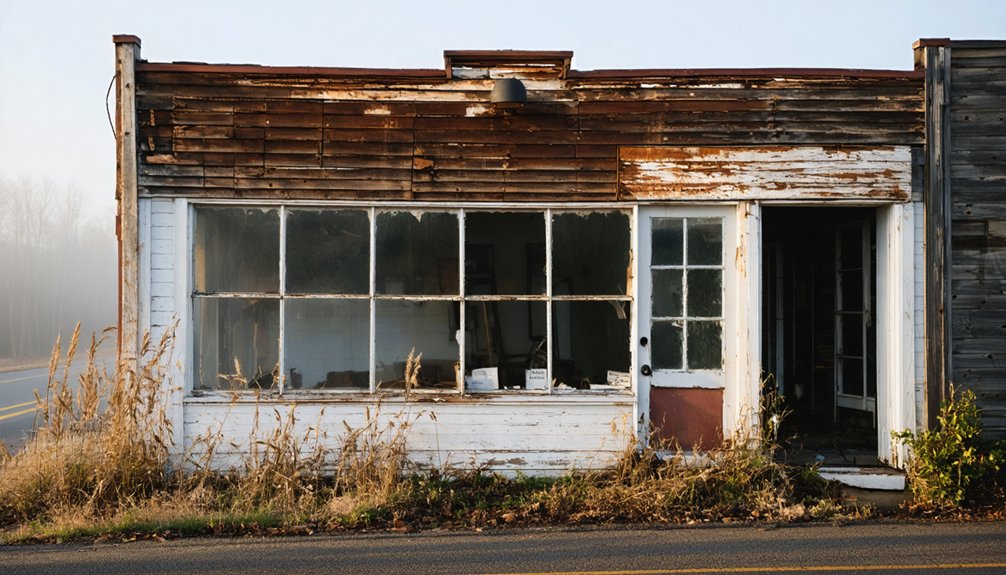
Wisconsin’s ghost town landscape stretches far beyond Worden, and if you’re already hitting the road, why not extend your route to include a few more forgotten places?
For authentic ghost town exploration rooted in rural history, Belmont in Lafayette County is essential — it served as Wisconsin’s first territorial capital from 1836 to 1837.
Head toward Vernon County to walk through Cheyenne Valley, active from the 1850s through the 1930s.
Cheyenne Valley in Vernon County whispered life from the 1850s until the 1930s — then fell silent.
If lumber-era stories pull you in, Peshtigo Harbor in Marinette County and Harrison in Lincoln County deliver raw, unfiltered remnants of Wisconsin’s logging past.
Each stop adds another layer to your journey, connecting you with communities that once thrived and quietly disappeared.
Plan your mileage carefully — these sites scatter across the state but reward every detour.
Is Ed Gein Country Worth a Stop on Your Wisconsin Ghost Town Route?
Beyond the territorial capitals and lumber ruins, one detour carries a much darker pull — Ed Gein country. If true crime history fuels your road trip choices, Plainfield delivers raw historical impact you won’t forget.
Your morbid curiosity will find plenty here:
- Bernice Worden, a hardware store owner, was murdered by Ed Gein in 1957
- Her body was discovered strung like a deer, beheaded in Gein’s shed
- Gein crafted furniture and skull bowls from human remains
- His farmhouse burned down in 1958 under suspected arson
- Visitors still travel to Plainfield driven purely by morbid curiosity
You’re not visiting a sanitized museum — you’re standing where one of America’s most disturbing true crime stories actually unfolded.
That distinction makes it unforgettable.
When Is the Best Time to Visit Wisconsin Ghost Towns?
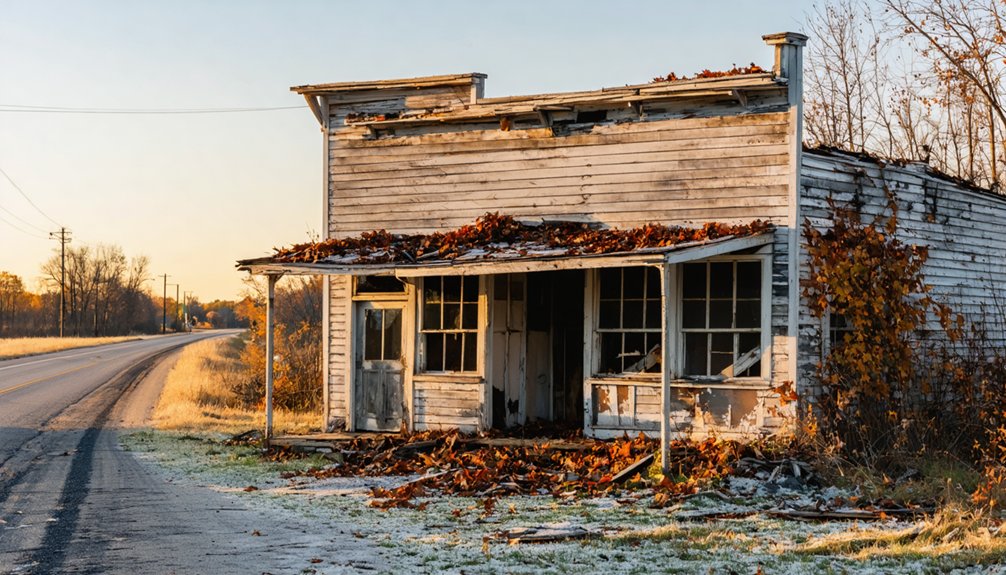
Timing shapes everything when you’re chasing ghost towns across Wisconsin. The best seasons for exploring are late spring through early fall, when roads stay accessible and daylight stretches long enough for thorough exploration.
Summer offers lush visibility but can hide structural details beneath heavy overgrowth. Fall strips the foliage back, revealing forgotten foundations and crumbling walls with striking clarity.
Fall pulls back summer’s curtain, exposing crumbling foundations and forgotten walls with haunting clarity.
Weather considerations matter seriously here. Wisconsin winters bury sites under feet of snow, making navigation dangerous and details impossible to read. Spring thaws turn rural roads into muddy traps.
September and October hit the sweet spot — cool temperatures, minimal bugs, dramatic light, and thinning vegetation. Pack rain gear regardless of season, since unpredictable Midwest weather shifts fast.
Plan flexible itineraries so unexpected storms don’t derail your entire route.
What to Know Before Exploring Abandoned Sites in Wisconsin
Before you step onto any abandoned property in Wisconsin, you’ve got to understand the legal and safety landscape that comes with ghost town exploration. Responsible abandoned exploration protects both you and these historical sites.
Follow these ghost town etiquette essentials:
- Get permission — Private property requires landowner consent; trespassing carries real legal consequences.
- Leave everything untouched — Take only photographs; removing artifacts is often illegal.
- Wear protective gear — Sturdy boots and gloves guard against rusty metal and unstable flooring.
- Bring a buddy — Solo exploration in remote Wisconsin locations creates unnecessary risk.
- Research beforehand — Know site history, access points, and local ordinances before arriving.
Respecting these boundaries keeps ghost town access open for every explorer who follows you.
Frequently Asked Questions
Are There Guided Ghost Town Tours Available in Clark County, Wisconsin?
Like buried treasure waiting to be uncovered, Clark County’s ghost town history and local legends are yours to explore! You won’t find formal guided tours, but you can independently discover Worden’s fascinating past yourself.
What Photography Equipment Works Best for Capturing Abandoned Wisconsin Locations?
For capturing abandoned architecture during urban exploration, you’ll want a wide-angle lens, sturdy tripod, and mirrorless camera. They’re perfect for low-light conditions inside Wisconsin’s forgotten structures, letting you document every haunting, weathered detail beautifully.
Can You Combine a Worden Visit With Clark County Fishing or Camping?
Like a hidden gem waiting to be unearthed, you can absolutely combine Worden camping with fishing hotspots nearby. Explore Worden history, then cast your line while spotting local wildlife along Clark County’s pristine waterways.
Are Any Wisconsin Ghost Town Sites Protected as Historical Landmarks?
Yes, you’ll find some Wisconsin Ghost Towns protected through Historical Preservation efforts! Belmont, the first territorial capital, holds landmark status. Explore these living relics freely, where history breathes through preserved structures, offering you authentic connections to Wisconsin’s fascinating past.
What Local Clark County Museums Preserve Worden Township Historical Artifacts?
You’ll find Worden artifacts and Clark County history preserved at the Clark County Historical Society’s museum in Neillsville, where you can explore plat maps, obituaries, photos, and genealogical records documenting Worden Township’s rich pioneer heritage.
References
- https://www.americanghostwalks.com/ed-gein-and-the-dark-heart-of-wisconsin-why-the-plainfield-ghoul-still-haunts-us
- https://www.foresthistoryassociationwi.com/publications/ghostoftf/
- http://shunpikingtoheaven.blogspot.com/2016/05/a-wisconsin-ghost-town.html
- https://en.wikipedia.org/wiki/List_of_ghost_towns_in_Wisconsin
- https://kids.kiddle.co/List_of_ghost_towns_in_Wisconsin
- https://pbswisconsin.org/news-item/southern-wisconsins-ghost-towns-leave-behind-vital-stories
- https://grantcountyhistory.org/wp-content/uploads/2016/01/GhostTownsGrantCountyTLundeen.pdf
- https://www.wiclarkcountyhistory.org/worden/