Plan your road trip to Zurich, California by heading two miles east of Big Pine along Highway 168, where a historical plaque and Cal Tech observatory dishes mark the site. You’ll find preserved depot foundations and remnants of a narrow gauge railroad that once connected a thriving desert community before it quietly disappeared in 1960. Visit in spring or fall for the best conditions. There’s far more to this forgotten stop than first meets the eye.
Key Takeaways
- Zurich ghost town sits two miles east of Big Pine along Highway 168, accessible by standard vehicles without requiring 4WD.
- Look for the historical plaque on Highway 168 and use the Caltech radio observatory dishes as a helpful landmark.
- Visit during spring or fall for mild temperatures, as summer heat regularly exceeds 100°F in this desert location.
- Explore preserved depot foundations, a historical plaque, and visible railroad infrastructure that reflect Zurich’s Carson & Colorado Railroad heritage.
- Stay on established paths, avoid removing artifacts, and keep vehicles off fragile ground surrounding the remaining structures.
The Railroad History That Created Zurich Ghost Town
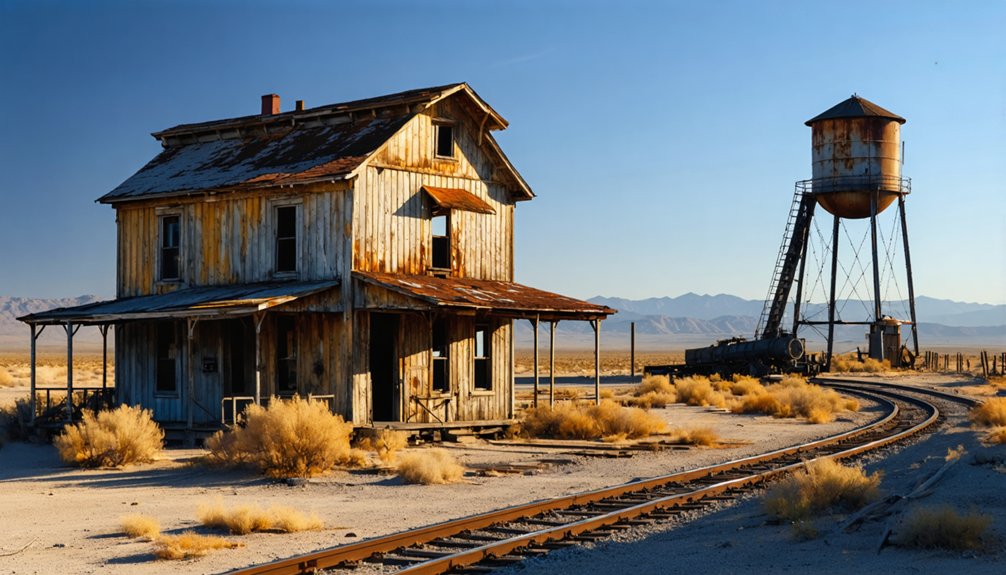
When the Carson & Colorado narrow gauge railroad pushed through the Owens Valley in 1884, it transformed a stretch of California desert into a living corridor of commerce and connection.
You’re standing where that railroad significance shaped everything. The line stretched from Mound House, Nevada to Keeler, California, and this spot became its first station south of Laws.
Originally called Alvord when it was founded in 1888, the town’s origins shifted in 1913 when it was renamed Zurich — honoring depot master’s wife Emilie Kikolaus, who hailed from Zurich, Switzerland.
Founded as Alvord in 1888, the town was renamed Zurich in 1913 to honor depot master’s Swiss-born wife.
Teamsters hauled passengers and freight three miles east toward Big Pine, making this a genuine transportation hub.
Southern Pacific eventually absorbed the line, operating it until the station’s closure in 1960.
What’s Left to See at Zurich Ghost Town?
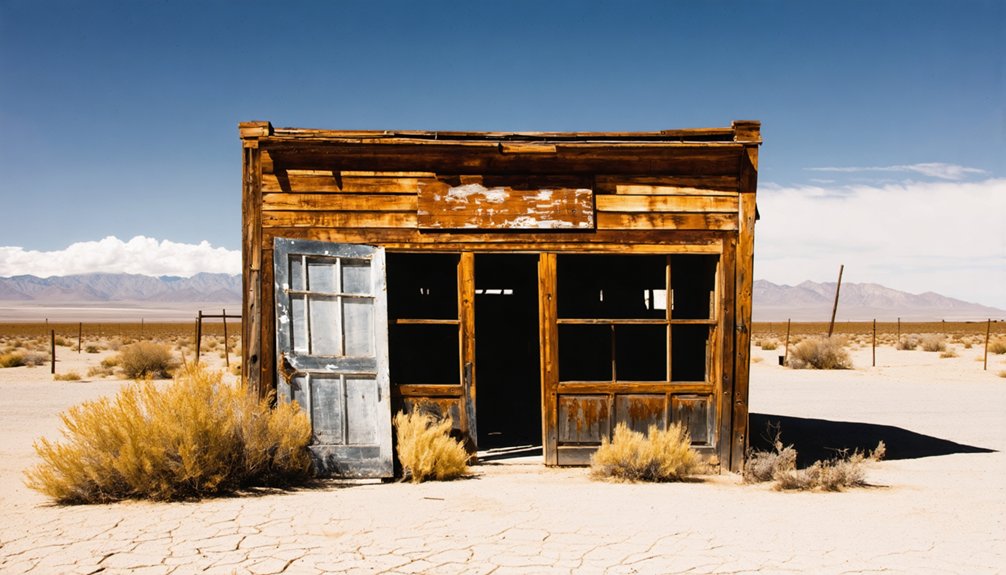
Though time has stripped Zurich down to its bones, what remains tells a surprisingly coherent story.
You’ll find ghost town remnants scattered across the desert floor, each carrying real historical significance for California’s railroad past.
Wander the site and you’ll discover:
- Foundations from several original buildings still outline where daily life happened
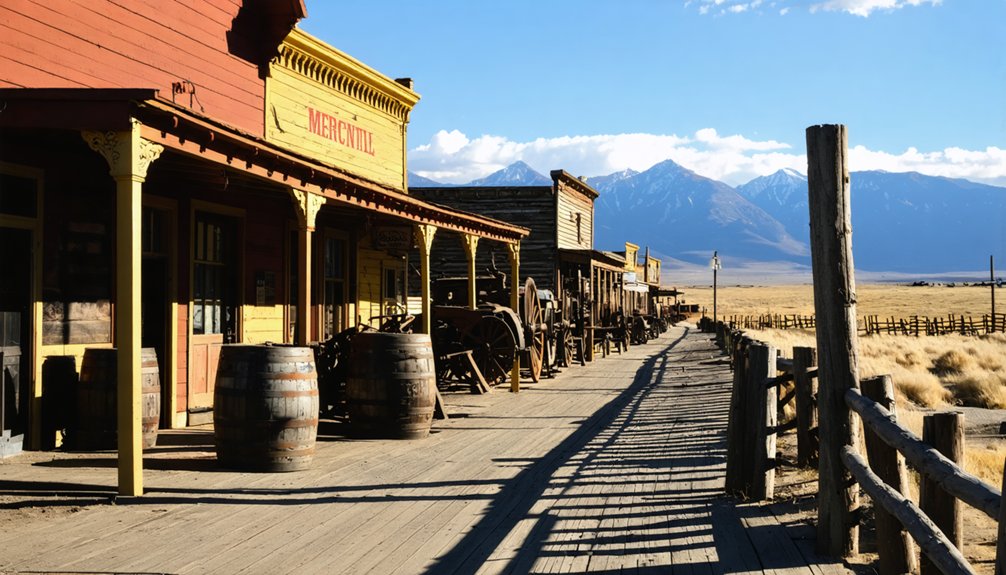
- The preserved depot structure, remarkably intact for its age
- A historical plaque along Highway 168 orienting you to the site’s story
- Visible siding station infrastructure hinting at the railroad’s operational scale
- The agent’s house footprint, grounding the human element of this former stop
Nothing here screams for your attention—Zurich rewards the curious, unhurried traveler willing to read landscapes rather than wait for monuments.
How to Get to Zurich, California
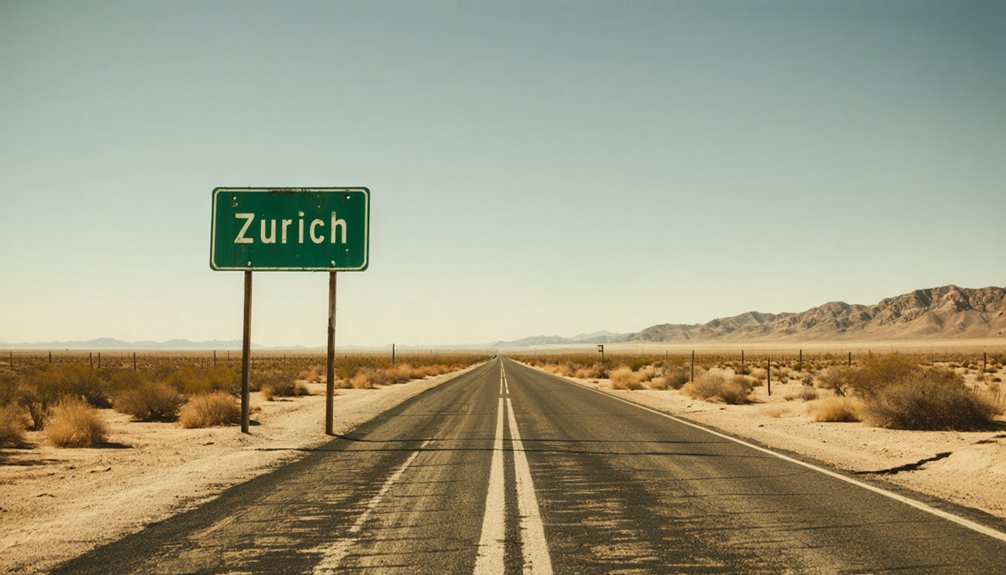
Getting to Zurich takes almost no effort—it sits just two miles east of Big Pine along Highway 168, hugging the east side of the Owens Valley just past the Owens River. You don’t need a 4WD or special gear; a standard vehicle handles the approach easily.
Look for the historical plaque along the highway—it marks the ghost town and orients you to what once stood here. A few travel tips worth noting: spring and fall offer the most comfortable conditions, since summers scorch and winters bring biting winds off the Sierra.
You’ll spot the Cal Tech radio observatory dishes to the north as a helpful landmark. The remoteness is part of the reward—you’re fundamentally driving straight into California railroad history with minimal obstacles between you and it.
Drive Conditions and Vehicle Requirements for the Site
Reaching Zurich doesn’t demand anything exotic from your vehicle—a standard 2WD car handles the approach without complaint.
Drive safety remains straightforward if you respect the desert terrain and seasonal conditions. Keep these vehicle recommendations in mind before you roll out:
The desert forgives preparation. It rarely forgives the traveler who arrives assuming otherwise.
- Check tire pressure before leaving Big Pine
- Carry extra water for both yourself and your radiator
- Watch for loose gravel on the access road
- Avoid visiting during peak summer heat when desert conditions intensify
- Keep your tank above half—services are sparse out here
Spring and fall hand you the sweetest windows for exploration.
The road stays honest with you, but the desert never fully tames itself. Arrive prepared, and Zurich rewards you with unfiltered silence and history still standing at the edge of the Owens Valley.
Best Time to Visit Zurich Ghost Town
You’ll find Zurich most rewarding during spring and fall, when mild temperatures let you linger over the depot’s weathered remains and imagine the Carson & Colorado’s narrow gauge cars pulling through.
Summer’s Owens Valley heat turns the high desert punishing, making a quick visit feel more like an ordeal than an exploration.
Winter brings biting winds off the Sierra Nevada that’ll cut through you fast, though the snow-capped 14,000-foot peaks framing the site carry their own stark, haunting beauty.
Spring And Fall Visits
When the desert heat loosens its grip and the Sierra Nevada’s snowcapped peaks sharpen against a clear blue sky, Zurich comes alive in a way that summer and winter simply can’t match.
Spring blooms and fall colors frame this forgotten railroad stop perfectly.
Plan your visit around:
- Mild temperatures ideal for exploring foundations and the preserved depot
- Spring wildflowers carpeting the high desert floor
- Fall colors reflecting off the nearby Owens River
- Clear sightlines to five 14,000-foot Sierra peaks
- Quiet solitude before summer crowds hit Highway 168
You’ll wander without rushing, reading the historical plaque, imagining teamsters hauling freight three miles east toward Big Pine.
The desert rewards those who arrive on its terms.
Summer Heat Considerations
Summer flips the script entirely at Zurich. The Owens Valley desert turns punishing between June and August, with temperatures climbing well past 100°F in the exposed, shadeless terrain surrounding the old depot foundations.
Heat safety isn’t optional here — it’s survival planning. If summer’s your only window for ghost town summer activities, arrive before 9 a.m. and retreat before midday swallows you whole. Carry far more water than you think you’ll need.
The high desert offers no mercy and no shelter. The same relentless sun that baked railroad workers and teamsters hauling freight toward Big Pine will bake you just as efficiently. That historical authenticity cuts both ways.
Respect the conditions, move deliberately, and you’ll leave on your own terms.
Winter Weather Challenges
Winter transforms Zurich into a different kind of challenge. The high desert of Inyo County doesn’t forgive careless planning, and icy conditions can turn Highway 168 treacherous without warning.
Winter roadblocks aren’t always official — sometimes it’s simply a frozen, impassable road between you and history.
Prepare for these winter realities:
- Ice patches form quickly on desert roads after overnight temperature drops
- High winds cut across the open Owens Valley with brutal consistency
- Limited daylight shrinks your exploration window considerably
- Remote location means no nearby services if you’re stranded
- Snow on Sierra peaks creates stunning backdrops but signals dangerous valley conditions
Spring and fall remain your smartest bets for visiting the old Carson & Colorado depot grounds without nature pushing back hard.
What Else Is Worth Stopping for Near Zurich?
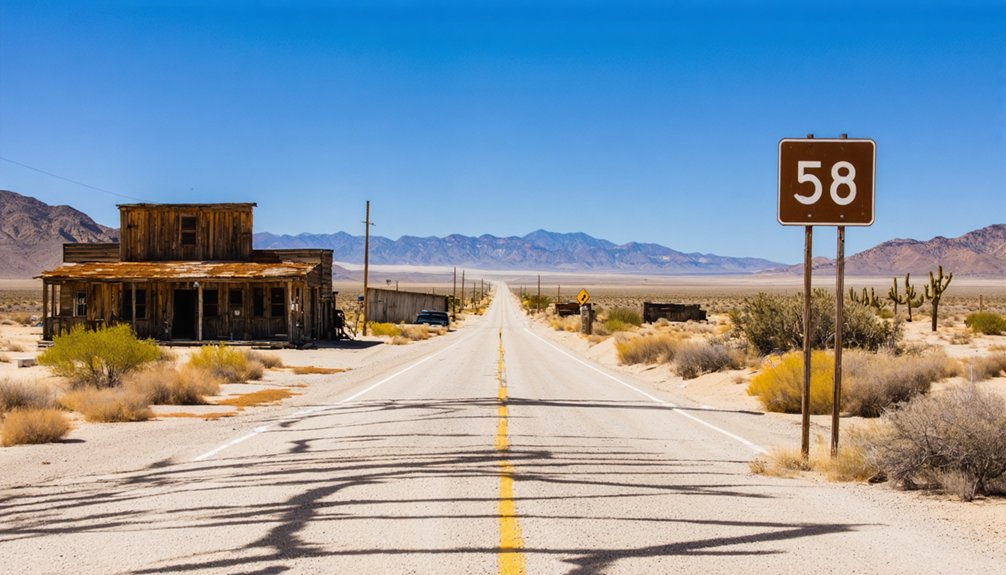
Though Zurich itself rewards the curious traveler, the surrounding landscape offers plenty of reasons to linger.
Look north and you’ll spot the Caltech radio astronomy observatory, its massive dish antennas scanning deep space from the desert floor. Lift your gaze westward and five Sierra Nevada peaks topping 14,000 feet command the skyline, their slopes inviting scenic hikes through rugged, uncrowded terrain where local wildlife moves freely through sagebrush and granite.
The southernmost glacier system in the United States hangs visible among those peaks — a striking reminder of ancient ice. Owens Lake stretches to the south, drawing migratory birds and solitary wanderers alike.
Highway 168 connects these discoveries effortlessly, letting you move at your own pace through one of California’s most historically layered and visually striking valleys.
How to Visit Zurich Ghost Town Without Damaging the Site
Reaching Zurich takes curiosity and a light footprint. Ghost town preservation depends entirely on how visitors treat what little remains. Practice responsible tourism by following these simple rules:
- Stay on established paths around the depot foundations
- Don’t remove artifacts, bricks, or structural fragments
- Photograph freely, but leave everything exactly where you find it
- Keep vehicles off fragile ground surrounding remaining structures
- Respect the historical plaque and surrounding markers on Highway 168
You’re walking through layers of California railroad history — narrow gauge tracks, frontier commerce, and a community that quietly disappeared.
Every step at Zurich crosses narrow gauge rails, frontier dreams, and the silence of a town history forgot.
The depot building survived decades of desert wind because previous visitors showed restraint. That same restraint keeps Zurich accessible for every road-tripper who follows you down Highway 168 chasing their own piece of the past.
Frequently Asked Questions
Why Was the Town Originally Named Alvord Before Becoming Zurich?
The knowledge doesn’t reveal why Alvord history began with that name. You’ll find name origins for the 1888 founding remain undocumented here, though Zurich’s 1913 renaming honored depot master’s wife Emilie Kikolaus, from Zurich, Switzerland.
Who Was Emilie Kikolaus and What Was Her Connection to Zurich?
You’ll discover that Emilie Kikolaus was the depot master’s wife, originally from Zurich, Switzerland. Her roots shaped Emilie Kikolaus’s legacy when the town was renamed in 1913, cementing Zurich historical significance in California’s fascinating railroad heritage.
Was Zurich Ever a Full Town or Just a Railroad Station?
Zurich grew beyond just a railroad station — you’ll discover its ghost town history reveals a small settlement with multiple buildings. Its railroad significance drew teamsters, passengers, and freight, making it a genuine, if modest, transportation community.
Are There Any Guided Tours Available at Zurich Ghost Town?
No guided tours exist at Zurich, so you’ll explore its historical significance independently. Wander freely among the preserved depot and foundations, letting the ghost stories of railroad days whisper to you across the desert wind.
Can You Camp Overnight Near the Zurich Ghost Town Site?
Like pioneers who once camped beside the Carson & Colorado rails, you can explore freedom here! No on-site camping exists, but nearby attractions and open Inyo County lands offer camping regulations that welcome your overnight desert adventure.
References
- http://harryhelmsblog.blogspot.com/2009/06/ghost-town-of-zurich-california.html
- https://www.ghosttowns.com/states/ca/zurich.html
- https://nvtami.com/2024/04/26/owens-valley-ghost-towns/
- https://dornsife.usc.edu/magazine/echoes-in-the-dust/
- https://www.eastwestnewsservice.com/three-ghost-towns-beguile-intrepid-visitors/
- https://visitusaparks.com/california-calico-ghost-town/
- https://en.wikipedia.org/wiki/List_of_ghost_towns_in_California
- https://www.youtube.com/shorts/C-MDPD5tX0s
- https://www.tripadvisor.com/Attractions-g28926-Activities-c47-t14-California.html