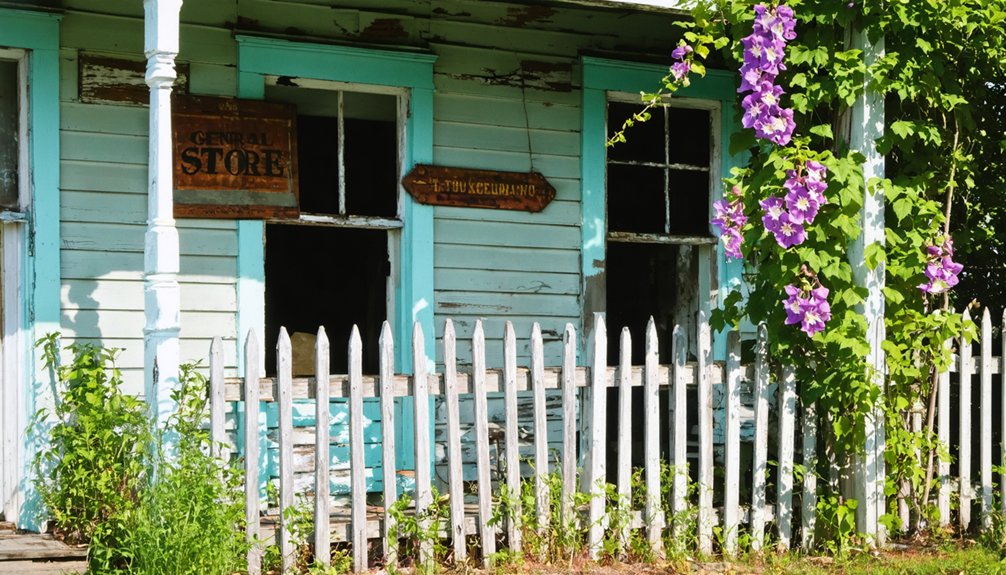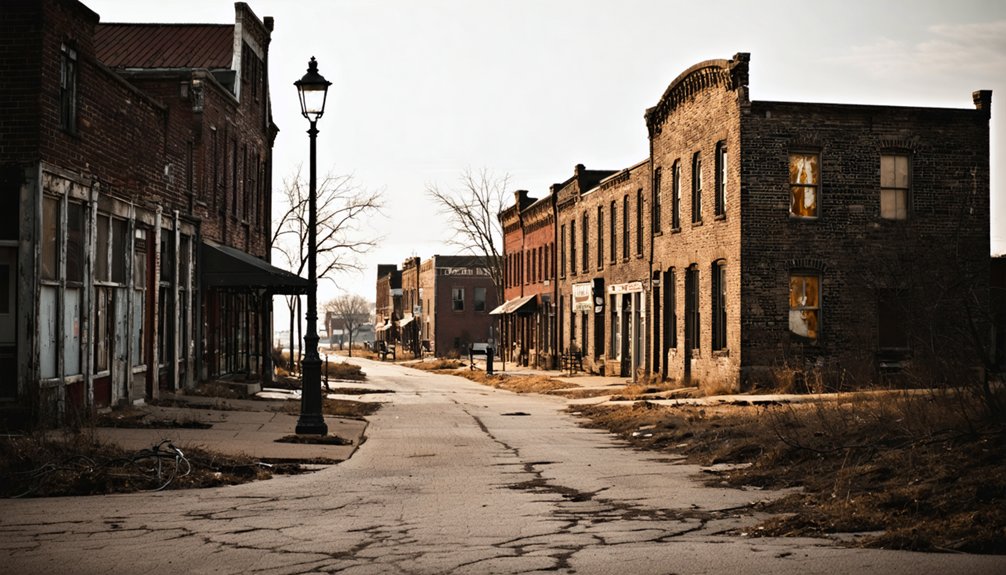
Planning a ghost town road trip to Zwaanendael, Delaware means heading to Lewes, where America’s first Dutch colony vanished in under a year. Founded in 1631, the settlement collapsed after a deadly conflict with local Native tribes, leaving no physical ruins behind. You’ll explore the Zwaanendael Museum, the De Vries Monument, and Lewes’ historic district, where centuries of layered history hide beneath modern streets. Stick around to uncover the full story of this haunting colonial mystery.
Key Takeaways
- Zwaanendael, founded in 1631 near Lewes, was Delaware’s first Dutch colony, vanishing within a year due to Native conflicts.
- No physical ruins remain today; the original settlement was fully absorbed into modern Lewes over centuries.
- Key stops include the Zwaanendael Museum, De Vries Monument, Lewes Historic District, and Lewes Historical Society Complex.
- Visit during spring or fall for mild weather, fewer crowds, and better access to outdoor historical sites.
- Plan your route in advance, confirming museum hours and exploring the compact historic area on foot or by car.
What Was Zwaanendael, Delaware’s First Ghost Town?
Before Delaware had cities, highways, or even a name, it had Zwaanendael — a tiny Dutch colony that flickered into existence in 1631 and vanished almost as quickly as it appeared. The name means “Valley of the Swans” in archaic Dutch, and it sat near present-day Lewes at the mouth of Delaware Bay.
About 32 colonists arrived aboard the ship *Walvis*, organized by the Dutch West India Company to build a whaling station and support colonial trade in the region. Their ambitions didn’t survive long.
Native conflicts — reportedly sparked by a misunderstood settlement marker — ended in a devastating attack that wiped out nearly the entire colony within a year.
You’re fundamentally visiting the site of Delaware’s first ghost town, where a bold settlement attempt collapsed before it truly began.
How the Zwaanendael Colony Collapsed in Under a Year
The collapse of Zwaanendael wasn’t a slow decline — it was sudden, violent, and nearly total. Within a year of founding, colonial conflicts with local Native groups ended the settlement for good.
Historians trace the violence to a misunderstood symbol — likely a settlement marker — that triggered a deadly breakdown in Native relations. The resulting attack killed almost every colonist at the site. Some accounts suggest only two boys survived the massacre.
You won’t find ruins or charred remnants waiting for you today. The land was absorbed into what became Lewes, erasing most physical traces. What remains is the story itself — a cautionary tale about the fragility of early European ambitions on American soil and the devastating cost of miscommunication between cultures.
What Survived: The Physical Remains of Zwaanendael Today
When you visit Lewes today, you won’t find crumbling ruins or overgrown foundations marking Zwaanendael’s original footprint — the modern town simply absorbed the settlement site centuries ago.
Your best stop is the Zwaanendael Museum, built in 1931 to mark the colony’s 300th anniversary and modeled after the town hall in Hoorn, Netherlands.
You can also seek out the De Vries Monument, dedicated in 1909 to commemorate the colony’s founding expedition and listed on the National Register of Historic Places since 1972.
The Zwaanendael Museum
Inside, the museum dives into Lewes-area maritime archaeology, military history, and social heritage, pulling together centuries of stories from the Delaware Bay region. It’s a compact but well-curated space that frames Zwaanendael not as a footnote, but as a genuine turning point in American colonial history.
If you’re road-tripping through Delaware, this museum makes Lewes an essential anchor on your itinerary.
De Vries Monument Site
Beyond the museum walls, there’s not much left of Zwaanendael itself — the original settlement was absorbed long ago into what’s now Lewes, leaving no ruins, no foundations, and no visible trace of the colony.
What you *can* visit is the De Vries Monument, dedicated on September 22, 1909, and placed on the National Register of Historic Places in 1972. It commemorates the Dutch expedition that first established a European presence on Delaware Bay.
The monument quietly acknowledges the colonial conflicts and fractured native alliances that ended Zwaanendael so abruptly. It won’t take long to visit, but standing there connects you to a moment that shaped the entire region.
Sometimes the most powerful historical markers are the ones pointing to something that no longer exists.
Lewes Absorbed The Settlement
What the monument points to, you’ll never actually see — and that’s the strange reality of visiting Zwaanendael today. The original settlement vanished after colonial conflicts with local Native groups ended the colony within a year. No ruins, no foundations, no visible trace remains. Lewes simply grew over it.
The town absorbed the site so completely that you’re fundamentally walking through a ghost town without knowing it. Streets, shops, and homes now occupy ground where 32 settlers once tried building a new world before broken Native alliances and misunderstanding turned fatal.
What survived isn’t physical — it’s historical memory. That memory lives inside the Zwaanendael Museum and along Lewes’s heritage corridors, which offer you the closest thing to touching a past that left almost nothing behind.
Inside the Zwaanendael Museum in Lewes
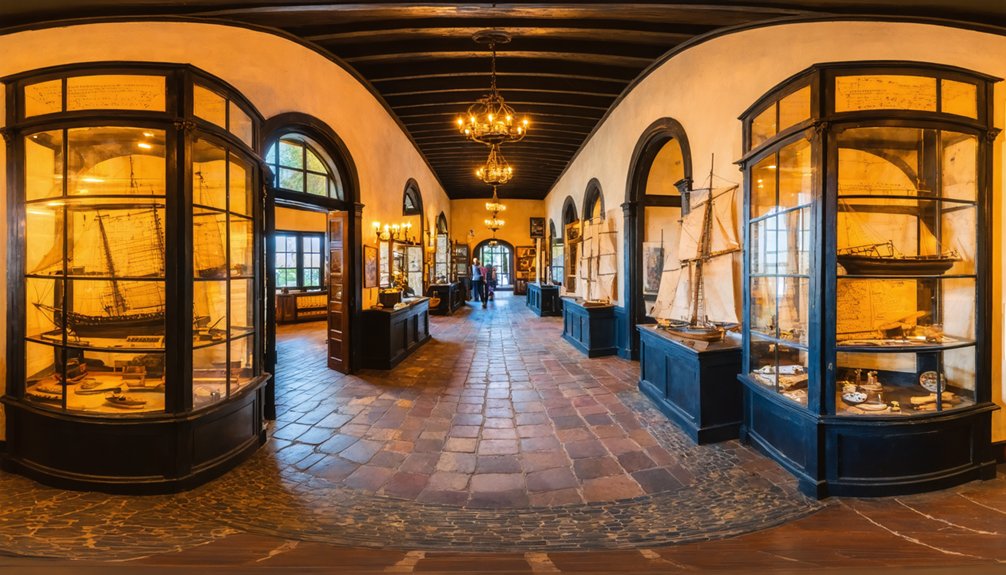
The Zwaanendael Museum’s striking exterior—modeled after the town hall in Hoorn, Netherlands—is only the beginning of what you’ll find here. Step inside and you’ll encounter exhibits covering Lewes-area maritime legends, military history, and social heritage spanning centuries.
The collections pull you through time, from the doomed 1631 colony to later seafaring eras that shaped this coastal community. You’ll see artifacts, maps, and displays that connect the region’s Dutch colonial roots to its broader identity.
After exploring the museum, you’re perfectly positioned to discover local cuisine at nearby Lewes restaurants, many of which embrace the town’s nautical character.
The museum doesn’t charge a steep price for admission, making it an easy, rewarding stop on your ghost town road trip through Delaware’s fascinating colonial past.
The De Vries Monument and What It Actually Commemorates
Before you leave Lewes, you’ll want to find the De Vries Monument, which commemorates the establishment of the first permanent European presence on Delaware Bay.
Dedicated on September 22, 1909, the monument honors the founding expedition that brought those ill-fated colonists to Zwaanendael in 1631.
It’s been listed on the National Register of Historic Places since February 23, 1972, making it an officially recognized piece of America’s earliest colonial history.
Monument’s Historical Significance
Standing near the heart of Lewes, the De Vries Monument doesn’t just mark a spot on a map—it commemorates the establishment of the first permanent European presence on the Delaware Bay.
Dedicated on September 22, 1909, it honors the bold Dutch settlers who arrived with ambitions of building something lasting in the New World.
When you visit, you’re stepping into a layered history that includes cultural artifacts, colonial architecture, and the raw ambition of early European exploration.
The monument earned its place on the National Register of Historic Places on February 23, 1972, cementing its role as more than a local curiosity.
It’s a reminder that Zwaanendael’s story didn’t vanish with its settlers—it survived through stone, memory, and the town that quietly grew around it.
Dedication And Placement
Dedicated on September 22, 1909, the De Vries Monument commemorates something specific and easy to overlook: not the colony’s destruction, but the establishment of the first permanent European presence on the Delaware Bay. That distinction matters. You’re standing at a site focused on beginnings, not endings.
The monument earned its place on the National Register of Historic Places on February 23, 1972, a recognition that cemented its role in cultural preservation far beyond local memory.
Unlike archaeological findings that reveal buried physical layers of history, this monument works differently — it marks significance through ceremony and civic intention. When you visit, read the dedication carefully. It tells you what early 20th-century Americans chose to remember and how they framed European colonial history on their own terms.
Your Zwaanendael Day Trip, Start to Finish

Whether you’re driving in from Rehoboth Beach or making the trek from Wilmington, Lewes is an easy destination to anchor your Zwaanendael day trip. Structure your visit around these four stops:
- Zwaanendael Museum – Dive into colonial conflicts, maritime archaeology, and the colony’s dramatic collapse.
- De Vries Monument – Stand where Delaware’s earliest European presence was commemorated in stone.
- Lewes Historic District – Walk streets built atop centuries of layered history.
- Cape Henlopen State Park – End your day with open shoreline views where the Delaware Bay meets the Atlantic.
You don’t need a guided tour or rigid schedule. Move at your own pace, follow what interests you, and let Lewes reveal its story on your terms.
Best Time to Visit Lewes for a Zwaanendael Road Trip
When you visit Lewes matters almost as much as what you see there. Spring and fall offer the clearest path to exploring the town’s colonial architecture without summer crowds pressing in around you. Mild temperatures let you move freely between outdoor markers, the De Vries Monument, and the Zwaanendael Museum without heat slowing you down.
Summer draws beach traffic that clogs the streets, so if freedom of movement matters to you, avoid July and August. Fall adds atmosphere to the story of Native encounters that ended the colony so abruptly.
Winter keeps the crowds away but shortens museum hours, so confirm schedules before you go. Shoulder seasons — late April through early June or September through October — give you the best balance of access, comfort, and open roads.
Lewes Ghost Town History Sites Worth Adding to Your Route
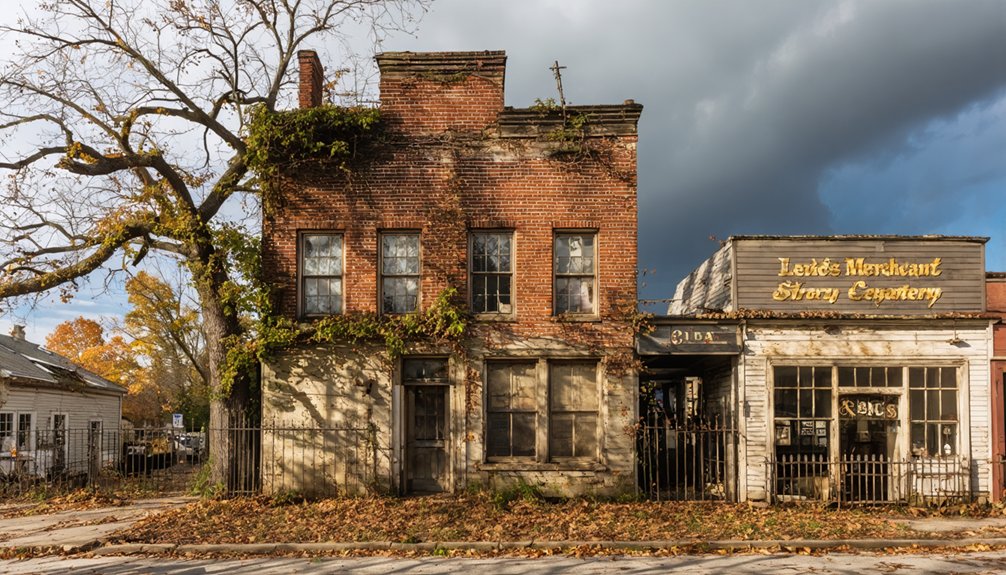
Once you’ve settled on your timing, the next step is mapping out which sites actually deserve a stop. Lewes packs serious history into a compact area, making cultural preservation easy to explore on foot or by car.
- Zwaanendael Museum – Colonial architecture modeled after Hoorn’s town hall; your essential first stop.
- De Vries Monument – Dedicated in 1909, it marks Delaware’s first European coastal presence.
- Historic Lewes walking district – Connects colonial-era streetscapes with maritime heritage markers.
- Lewes Historical Society complex – Preserves structures dating back centuries with rotating exhibits.
Each stop adds another layer to the Zwaanendael story, turning your road trip into something far richer than a single museum visit. Build the full route and let the history lead you.
Before You Go: Safety at Abandoned Sites
Ghost town structures have stood without maintenance for decades. Floors, stairs and roof timbers fail without warning, and a building that looks solid from outside may not hold your weight. Stay out of standing structures unless the site is actively maintained and open to visitors.
Mine workings are the more serious hazard. Vertical shafts can be hundreds of feet deep, are often unfenced, and may be hidden by brush or capped with rotted boards. Never enter an adit, tunnel or shaft: abandoned workings can hold oxygen-poor or toxic air that gives no warning before you lose consciousness.
Enclosed spaces with rodent droppings carry a risk of hantavirus, which is contracted by breathing contaminated dust. Do not sweep or stir up dust inside old cabins and outbuildings.
Cell coverage at these sites is usually poor or absent. Tell someone your route and expected return time, and carry more water than you think you need.
Frequently Asked Questions
Is There an Admission Fee to Enter the Zwaanendael Museum?
The Zwaanendael Museum’s admission policies won’t cost you a dime — it’s free! You’ll explore fascinating museum exhibits covering Lewes’s maritime, military, and social history without spending anything, giving you true freedom to discover Delaware’s rich colonial past.
How Far Is Lewes From Wilmington for a Road Trip?
You’ll cover roughly 100 miles of open road from Wilmington to Lewes — a perfect travel distance for road trip planning. Expect about a 1.5 to 2-hour drive filled with scenic Delaware landscapes beckoning your adventurous spirit!
Are There Guided Tours Available at the Zwaanendael Museum?
You’ll want to contact the Zwaanendael Museum directly to confirm guided tour availability. Inside, you’ll discover fascinating historical artifacts and learn about ongoing restoration efforts that bring Delaware’s earliest colonial ghost town story vividly to life.
Is the De Vries Monument Accessible to Visitors With Disabilities?
You’ll find the De Vries Monument welcomes all explorers! Accessible pathways make reaching this historic site effortless, and wheelchair assistance guarantees everyone can freely experience Delaware’s rich colonial heritage without barriers holding your adventure back.
Can Children Participate in Educational Programs at the Museum?
You’ll want to check directly with the Zwaanendael Museum for current children’s educational programs, but its historical exhibits and family activities make it an engaging, hands-on destination where kids can explore Delaware’s fascinating colonial heritage freely.
References
- https://history.delaware.gov/zwaanendael-museum/zm_history/
- https://en.wikipedia.org/wiki/Swaanendael
- https://33travels.com/ghost-towns-abandoned-places-delaware/
- http://freepages.rootsweb.com/~gtusa/history/usa/de/zwan.htm
- https://en.wikipedia.org/wiki/List_of_ghost_towns_in_Delaware
- https://archivesfiles.delaware.gov/ebooks/The_Dutch_and_Swedes_on_the_Delaware_1609_64.pdf